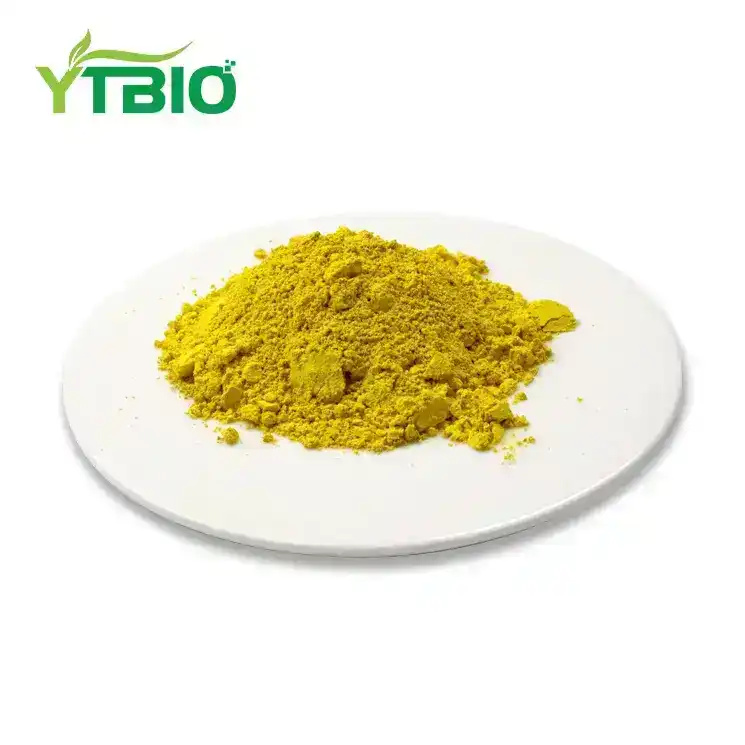
Pure Retinol Powder
CAS: 68-26-8
Specifications: 99%, 50%,Retinol Liposomes 10%/50%
Appearance: 99% yellow powder, 50% yellow liquid
Storage: Store at low temperature(-20℃) for long periods.
Payment: T/T,VISA,XTransfer,Alipay......
Shipping Speed: 3-5 days
MOQ:1kg
Certification:cGMP,ISO22000,ISO9001,Kosher,BRC,Halal
- Fast Delievery
- Quality Assurance
- 24/7 Customer Service
Product Introduction
How Much Do You Know About Retinol?
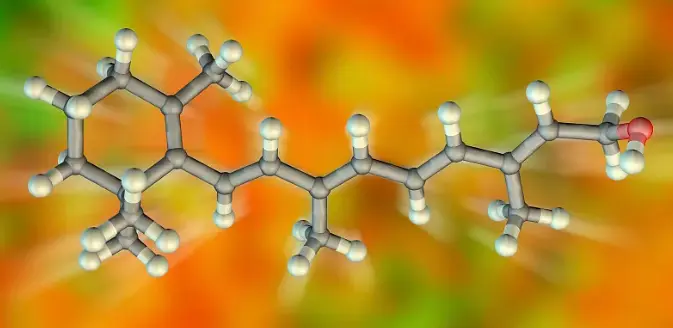
Pure retinol powder, also known as vitamin A alcohol, is one of the main active forms of vitamin A in the body and is a fat-soluble vitamin. Its chemical formula is C₂₀H₃₀O, exhibiting a typical polyenol structure. It is chemically reactive and easily oxidized and decomposed by light or high temperatures. In terms of natural sources, retinol is mainly found in animal foods, such as animal liver, cod liver oil, dairy products, and egg yolks. Plant-based foods (such as carrots and spinach) contain beta-carotene and other carotenoids, which can also be converted into retinol and utilized in the body. Physiologically, it is not only a key ingredient in maintaining visual health in low-light environments and preventing night blindness, but also plays an important role in promoting skin cell renewal and collagen synthesis, thus being widely used in anti-aging skincare products.
YTBIO: Providing High-Quality Retinol Powder and Services
YTBIO supplies the following retinol products:
Retinol Liposomes 10%: The liposome structure reduces the direct irritation of retinol and protects it from oxidative degradation. Suitable for lotions, serums, and creams.
Retinol Liposomes 50%: High-concentration liposome encapsulation, suitable for formulations requiring high efficacy while maintaining gentleness.
Retinol 50% (Cosmetic Grade, Yellow Liquid): Easy to add to formulations and disperse evenly.
Retinol 99% (Cosmetic Grade): High-purity retinol raw material with high activity and bioavailability.

Please contact us for more product information and specifications.
Core Physiological Functions of Retinol
1. Cornerstone of Visual Health
Pure Retinol Powder is a key component of visual pigments and is directly responsible for maintaining normal low-light vision. A deficiency significantly impairs the retina's ability to perceive dim light, primarily manifesting as night blindness and delayed visual adaptation.
2. Skin Repair and Regeneration
During skin metabolism, retinol effectively improves the skin barrier function by promoting orderly differentiation of epithelial cells and accelerating stratum corneum renewal. This mechanism makes it valuable in acne treatment, wrinkle improvement, and photoaging repair.
3. Immune System Regulator
Retinol plays a crucial role in the normal development and maintenance of the immune system. It promotes the proliferation and differentiation of immune cells, enhances the body's ability to recognize and eliminate pathogens, and is an important nutrient for maintaining immune balance.
4. Regulator of Cell Development
By converting to retinoic acid, retinol participates in regulating the expression of multiple development-related genes. This characteristic makes it play an irreplaceable guiding role in physiological processes such as embryonic development, bone growth, and tissue differentiation.
5. Oxidative Stress Defense
As a natural antioxidant, retinol can effectively scavenge free radicals, reduce oxidative damage to cells, and provide protection for the body at the molecular level.
Multiple Uses of Retinol
As a key active form of Vitamin A, pure retinol powder has broad and significant applications in various fields due to its diverse physiological functions.
1. Skincare Products
In this field, retinol is recognized as one of the "golden ingredients." Its core applications include:
Anti-aging and Anti-photoaging: By significantly promoting the synthesis of collagen and elastin fibers and effectively inhibiting matrix metalloproteinases that are overactive due to UV radiation, it can reduce wrinkles and improve skin firmness and elasticity, thus combating natural aging and photoaging.
Acne Treatment and Oil Control: By regulating the secretory activity of sebaceous glands and promoting the normal shedding of keratinocytes at the hair follicle opening, it can unclog pores at the root, effectively improving oily skin problems such as acne and pimples.
Whitening and Brightening: By inhibiting melanin production and accelerating the shedding of epidermal keratinocytes containing melanin, it can help lighten dark spots, even out skin tone, and achieve a brightening effect.
Barrier Repair: By promoting the healthy differentiation and renewal of skin epithelial cells, it helps to consolidate and strengthen the skin's natural barrier function, thereby better locking in moisture and resisting external stimuli.

2. Medical and Health Field
Retinol and its derivatives are also important therapeutic and nutritional supplements.
Treatment of Nutrient Deficiencies: It is a first-line drug for treating vitamin A deficiency, and can be directly used to correct problems such as night blindness, dry eye, and keratomalacia caused by deficiency.
Treatment of Skin Diseases: Under the guidance of a doctor, it is used to treat various skin diseases, such as keratosis pilaris and other keratinization disorders, as well as as an adjunct treatment for acne. Its mechanism of action lies in precisely regulating the proliferation and differentiation process of skin cells.
Immune Support: By participating in the differentiation and functional regulation of immune cells, it provides support for maintaining normal immune function and enhances resistance to infection.
3. Nutrition and Scientific Research
Nutritional Fortification: As an essential micronutrient, retinol or its precursors (such as beta-carotene) are widely added to foods (such as dairy products and edible oils) or formulated into dietary supplements for public nutritional fortification and deficiency prevention.
Scientific Research: In basic scientific research, pure retinol powder and its metabolites (such as retinoic acid) are important tool molecules for studying cell differentiation, embryonic development, gene expression regulation, and disease mechanisms.
Retinol : A Skincare Expert
Pure retinol powder, as the active form of vitamin A, plays a crucial role in skin anti-aging and health maintenance through a multi-target regulatory mechanism. Its specific pathways encompass multiple levels, including epidermal reconstruction, dermal repair, and skin function regulation.
1. Epidermal Structure Reconstruction and Barrier Repair
Retinol promotes epidermal thickening by activating the proliferative activity of epidermal stem cells and keratinocytes, while accelerating the metabolism of aged keratinocytes and guiding the orderly arrangement of new cells. This process not only enhances the skin barrier function but also improves skin texture and pore appearance, reducing the risk of inflammatory responses triggered by external stimuli.
2. Dermal Matrix Reconstruction and Collagen Regulation
In the dermis, retinol stimulates fibroblasts to synthesize type I and type III collagen and elastin fibers by activating the TGF-β/CTGF signaling pathway, while reversing collagen degradation by specifically downregulating CCN1 expression. Furthermore, it can significantly inhibit the excessive activity of UV-induced matrix metalloproteinases (MMP-1, MMP-9, etc.), bidirectionally maintaining the homeostasis of the dermal extracellular matrix, thereby effectively delaying the photoaging process.
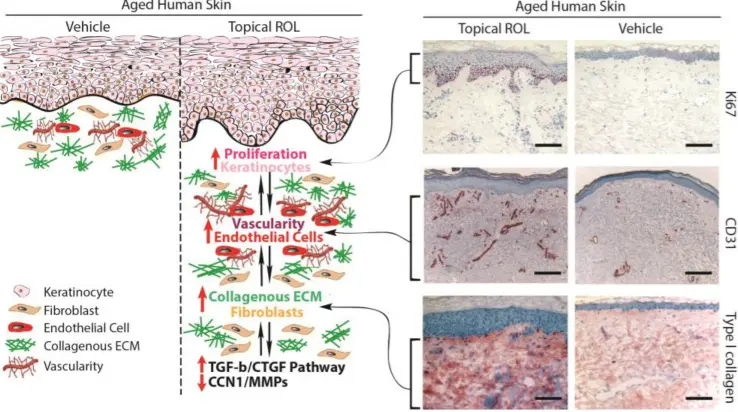
Retinol exerts its anti-aging effects by promoting epidermal thickening, collagen synthesis, and angiogenesis.
3. Skin Microcirculation and Nutrient Supply
Retinol promotes angiogenesis in the dermis, increases microvascular density, and enhances blood perfusion and nutrient delivery efficiency in skin tissue, providing a more sufficient material basis for skin cell metabolism.
4. Pigment Metabolism and Oxidative Stress Regulation
In terms of pigment management, retinol interferes with the melanin synthesis pathway by inhibiting tyrosinase activity, while simultaneously promoting the normal shedding of keratinocytes containing melanin granules. Its conjugated double bond system in its molecular structure can also effectively neutralize free radicals, reducing pigmentation caused by oxidative stress.
5. Sebum Secretion and Immune Homeostasis Regulation
Retinol can regulate the differentiation and maturation process of sebaceous gland cells, reducing the expression of lipid synthesis-related genes, thereby effectively controlling sebum secretion on the skin surface. At the same time, appropriate concentrations of retinol can enhance the epidermal defense capabilities and maintain the balance of the immune response by regulating the activity of local immune cells in the skin.
References:Quan T. Human Skin Aging and the Anti-Aging Properties of Retinol. Biomolecules. 2023;13(11):1614.
YTBIO has own factory and R&D team, dedicated to providing you with high-quality retinol and services. If you have any questions or needs, please contact us and we will respond to you as soon as possible.
Tel:86-029-86478251 / 86-029-86119593
Whatsapp:8617782577059
Email:sales@sxytorganic.com
Office Add: No.801, Building 3, Dahua Shuzhi Industrial Park, Tiangu 6th Road, Yanta District, Xi 'an, Shaanxi,China.