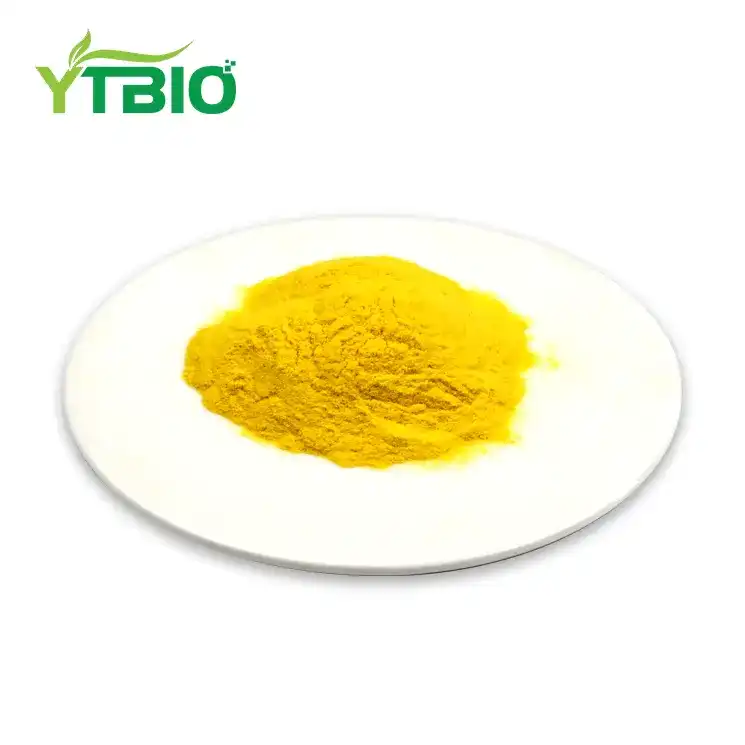
Retinyl Retinoate Powder
CAS: 15498-86-9
Specifications: 98% powder / 3% liquid
Packaging: 25kg/drum
Storage: Cool, Dry, Away From Light
Payment: T/T,VISA,XTransfer,Alipay......
Shipping Speed: 3-5 days
Certification:cGMP,ISO22000,ISO9001,Kosher,BRC,Halal,FSSC22000
MOQ:1KG
- Fast Delievery
- Quality Assurance
- 24/7 Customer Service
Product Introduction
What is Retinyl Retinoate?
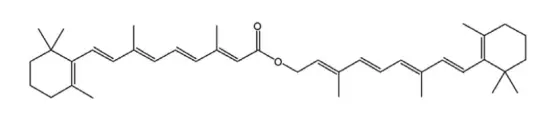
Retinyl retinoate is a unique synthetic vitamin A derivative. Its chemical structure is a single compound formed by the esterification of retinol and retinoic acid, making it a novel retinol-based ingredient that has garnered significant attention in the skincare industry in recent years. Compared to traditional retinol and retinoic acid, retinyl retinoate's core advantage lies in its unique dual-action mechanism, offering both gentleness and high efficacy.
Features
Dual Activity and Sustained-Release Mechanism:
It is a precursor compound that can be enzymatically hydrolyzed in the skin, gradually releasing retinol and retinoic acid.
Retinol can be converted into retinoic acid in the skin, but it also possesses certain biological activities.
Retinic acid is the "gold standard" active form that directly acts on skin cells and can regulate gene expression.
This "two-in-one" structure means it provides two active ingredients simultaneously, and its sustained-release process may reduce immediate skin irritation.
Superior Stability:
Related studies indicate that RR esters have higher chemical stability than pure retinol.
It is more resistant to light and high temperatures, and less prone to degradation and inactivation. This greatly simplifies formulation and product packaging, extends shelf life, and ensures efficacy during use.
Highly Effective Bioactivity:
Despite being gentler, studies show its bioactivity is not weak. Experiments indicate that it may outperform pure retinol in inhibiting c-Jun protein (a protein associated with photoaging and collagen degradation) and promoting collagen synthesis, and is closer to the effects of retinoic acid.
Lower Irritation:
This is one of its most prominent advantages. Compared to using retinol directly (which requires conversion) or highly irritating retinoic acid (prescription grade), RR esters significantly reduce the risk of adverse reactions such as redness, dryness, and peeling through a gentle, sustained-release method, making them more friendly to sensitive skin or retinol beginners.

Main Skincare Benefits of Retinyl Retinoate
Based on its mechanism of action, retinyl retinoate powder primarily performs the following functions in skincare products:
Anti-aging and Firming: Core benefit. By stimulating collagen and elastin production, it effectively reduces fine lines and wrinkles, improving skin firmness and elasticity.
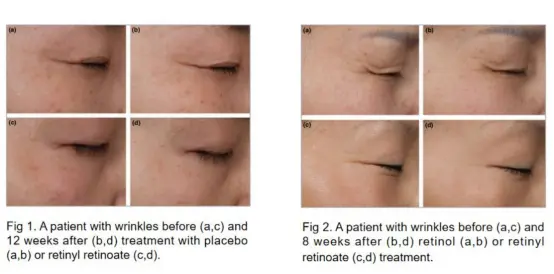
Effectively improves wrinkles around the eyes, with better results than retinol.
Improving Photoaging: Helps repair signs of skin aging caused by UV damage, such as roughness, age spots, and wrinkles.
Improving Acne and Pores: Regulates sebum secretion, inhibits Propionibacterium acnes, helps improve acne and blackheads, and tightens pores.
Moisturizing and Strengthening the Skin Barrier: By promoting the production of moisturizing factors such as hyaluronic acid, it enhances the skin's ability to retain moisture and helps strengthen the skin barrier function.
Improving Skin Texture: It promotes normal epidermal cell renewal and metabolism, making the skin surface smoother and more delicate.
Market Applications of Retinyl Retinoate
Positioning: Considered an "upgraded" or "gentle yet effective" alternative to retinol. Retinyl Retinoate Powder fills the market gap between traditional retinol (unstable and irritating) and retinoic acid (highly irritating and mostly prescription drugs).
I. Cosmetics and Personal Care (Core Application Area)
As a functional skincare ingredient, it occupies an important position in high-end skincare products due to its "highly effective yet gentle" characteristics:
Anti-aging, Firming, and Skin Rejuvenation:
This is its primary function. By promoting the synthesis of type I and type III collagen and elastin fibers, it effectively smooths fine lines, improves deep wrinkles, and enhances skin firmness and elasticity.
Improves skin roughness, sagging, and dullness caused by photoaging, restoring a plump, smooth, and youthful appearance.
Improves skin tone and brightens/fades dark spots:
Accelerates the normal metabolism of epidermal keratinocytes, promoting the shedding of dead skin cells containing melanin.
Simultaneously, it inhibits tyrosinase activity and melanin transport, thus helping to fade dark spots and acne scars, brighten overall skin tone, and improve uneven skin tone.
Controls oil and improves acne:
Regulates the secretion function of sebaceous glands, reducing excessive oil production at its source.
By promoting normal keratinocyte metabolism, it prevents blockage caused by excessive keratinization of hair follicles, thereby preventing and helping to improve acne, blackheads, and inflammatory acne problems.
Repairs and strengthens the skin barrier:
Promotes epidermal cell renewal and differentiation, helping to repair damaged skin barriers, enhancing the skin's own water-locking ability and resistance to external stimuli.
Its gentle properties make it suitable for improving the tolerance of sensitive skin and overall skin health.
II. Pharmaceutical and Clinical Dermatology Fields
As a compound with clearly defined biological activity, it also has application potential and research value in the medical field:
Clinical Treatment of Photoaging:
It can be used as an active ingredient in topical prescription preparations or medical skincare products to clinically improve moderate to severe photoaging symptoms, such as wrinkles, pigmentation, and epidermal atrophy. It is often used in combination with laser and chemical peels.
Adjunctive Treatment for Acne:
With its multiple effects of anti-inflammation, regulating keratinization, and controlling oil production, it is clinically used as an adjunct treatment and maintenance therapy for mild to moderate inflammatory acne, reducing the irritation of traditional retinoids (such as tretinoin cream).
Skin Repair and Post-operative Care:
It can be used to promote the repair process after certain skin treatments (such as laser and microneedling), improving treatment effectiveness and shortening the recovery period by stimulating collagen regeneration and epidermal remodeling.
In summary, Retinyl Retinoate are widely used in the cosmetics industry as a top-tier anti-aging and skin-renewing ingredient; in the pharmaceutical field, they are used as a gentler and more effective treatment option to help manage skin aging and conditions such as acne. Their cross-disciplinary applications highlight the reliability and safety of their efficacy.
About Retinol Derivatives
Retinol (vitamin A, also known as retinol), retinaldehyde (vitamin A aldehyde), and retinoic acid (vitamin A acid) are all its derivatives.
Retinol also has the function of regulating the growth of epithelial cells and maintaining the normal morphology of epithelial tissues. It keeps the skin moisturized, prevents dryness and keratinization of the skin and mucous membranes, and is less susceptible to bacterial damage, thus helping to treat blackheads, pustules, boils, and skin ulcers. It also has the function of scavenging free radicals and anti-oxidation. Due to this almost immediate effect, it has become a favorite of major skincare brands in recent years.
Comparison of other retinol derivatives:
|
Name |
Characteristics |
Effects |
|
Retinic acid |
Highly irritating |
Highly irritating, only permitted for use in pharmaceuticals; not allowed in cosmetics. |
|
Retinaldehyde (Vitamin A) |
Mild |
Retinaldehyde, an intermediate metabolite of natural retinoic acid (retinoic acid), possesses similar biological activity to retinoic acid, and its skin tolerance is significantly better than retinoic acid. |
|
Retinyl acetate |
/ |
Obtained by the esterification reaction of retinol and acetic acid, it is converted into retinol in the skin and is not commonly used in cosmetics. |
|
Retinol |
Moderately irritating |
Relatively stable. |
|
Retinyl palmitate |
/ |
Commonly used in cosmetics. Studies have shown that it degrades faster than retinol by photodegradation. Retinyl palmitate is activated under UVA irradiation, generating a series of reactive oxygen species (ROS) and free radicals, which can damage DNA and cause lipid peroxidation. |
|
Retinyl propionate |
Relatively sensitive to light and oxidants. Relatively stable under acidic conditions. Stable for up to 80℃ for 4 hours. |
Compared to retinyl palmitate, it has a 51% higher conversion rate. Clinical tests show that a 0.3% retinyl propionate cream, used twice daily for 8 weeks, significantly reduces wrinkles. |
|
Hydroxypinazone retinate (HPR) |
HPR highly specific double bonds are very sensitive to oxidation; it is recommended to use it in combination with antioxidants. |
It works by binding directly to retinoic acid receptors; its binding to retinoic acid-like receptors can enhance the expression of genes related to epidermal differentiation and metabolism. |
Contact Us
At YTBIO, our vertical integration from concept to delivery guarantees quality. With our own factories and professional R&D team, we maintain comprehensive control over every step to ensure you receive superior products and services. For any questions regarding Retinyl Retinoate Powder or to discuss your specific needs, please feel free to contact us at sales@sxytorganic.com. We are dedicated to providing solutions.
Tel:86-029-86478251 / 86-029-86119593
Whatsapp:8617782577059
Email:sales@sxytorganic.com
HOT TAGS:Retinyl Retinoate Manufacturer, Retinyl Retinoate Supplier, Bulk Retinyl Retinoate for OEM, Cosmetic Grade Retinyl Retinoate Factory, Wholesale Retinyl Retinoate China, Private Label Retinyl Retinoate, Custom Retinyl Retinoate Formulation, Retinyl Retinoate Powder Bulk, Anti Aging Ingredient Manufacturer, Vitamin A Derivative Supplier