A Guide to Using Beta-Sitosterol in Dietary Supplements
Beta sitosterol is a potential plant-based phytosterol that has many different health benefits and has become very popular in the food supplement business. This chemical is naturally abundant in plants, nuts, seeds, and vegetable oils. It gives makers and formulators special chances to make health-focused goods that support prostate and heart health. As long as procurement professionals know the healing potential, sourcing issues, and manufacturing strategies of this useful ingredient, they can make smart choices about how to create new lines of supplements that meet customers' needs for natural and effective health solutions.
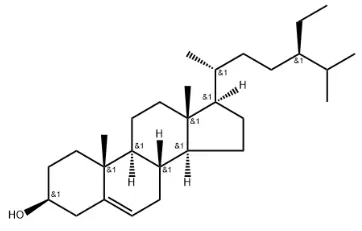
Understanding Beta Sitosterol: Nature, Benefits, and Uses
Beta sitosterol is a phytosterol, which is a type of natural substance that has a structure similar to cholesterol and comes from plants only. This white, crystal-like powder is a very useful food supplement ingredient that can be used in many different ways to help people stay healthy when used in carefully planned goods.
Natural Sources and Structure in Chemicals
Only the side chain shape distinguishes beta sitosterol from cholesterol in terms of chemical structure. It can thus compete with cholesterol for absorption in the gut system because of this molecular resemblance, which is how it lowers cholesterol. Rice bran, wheat germ, corn oil, lentils, and many nuts and seeds are all naturally rich foods. Some plants have much more of this substance than others, with some having up to 300 mg per 100 g of material.
Health Benefits and How They Work
Beta sitosterol can help heart health by lowering LDL cholesterol levels by inhibiting cholesterol absorption in the gut. Regularly eating or drinking things that contain this phytosterol may lower cholesterol intake by about 30–50%, according to research. Besides helping the heart, this chemical may also help the prostate, support urine function, and help the body respond to inflammation in a healthy way. The bioactive qualities of the substance make it a good choice for makers of specific health aids to use in their products.
Safety and Suggested Dosages
Research shows that taking between 60 and 130 milligrams a day for cholesterol control works well. Safety tests show that it works well and is safe with few side effects when used as directed. People with sitosterolemia, a rare genetic disease that affects how phytosterols are broken down, should, however, be careful. Because beta sitosterol is generally safe, supplement makers looking for safe, well-tolerated ingredients for their products may want to use this one.
Comparing Beta Sitosterol with Other Supplement Ingredients
Knowing how beta sitosterol stacks up against other ingredients helps producers make smart choices about how to make their products based on who they want to sell to and what health goals they have in mind. This side-by-side study shows clear benefits that make this phytosterol a good choice for an ingredient.
Beta Sitosterol Compared to Common Cholesterol Control Ingredients
Beta sitosterol is a natural way to control lipids that does not have the same side effects as drugs made to lower cholesterol. This is different from manmade cholesterol-lowering drugs. Cholesterol production is blocked by statins, and by doing the opposite and blocking cholesterol uptake, this plant sterol works in a similar way. Because of this difference, new products can be made that use more than one method to support heart health.
A look at Saw Palmetto and how it affects prostate health
Saw palmetto has historically been the most popular product for prostate health, but beta sitosterol has some special benefits. Saw palmetto mostly works by inhibiting 5-alpha reductase, but beta sitosterol benefits prostate health by preventing inflammation and stabilizing membranes. Because of this molecular difference, it's possible to make synergistic combos or independent products that target different parts of prostate health.
Benefits Compared to Other Plant Sterols
Of all the different types of phytosterols, beta sitosterol has the best stability and absorption. Its solid structure gives it great shelf life properties, and its absorption profile stays the same in all kinds of formulations. Because of these reasons, it is better than stigmasterol or campesterol for use in dietary supplements that need to stay stable for a long time and work reliably.
Procurement Guide for Beta Sitosterol in Dietary Supplements
If you want to get high-quality beta sitosterol, you need to know about market trends, legal issues, and how to rate suppliers. This ingredient's world supply chain goes through many different areas, each with its own benefits for people who buy supplies.
The source and global supply chain evaluation
Soybean processing plants, tall oil mills, and specialized phytosterol extraction processes are the main sources of industrial beta sitosterol. Asian markets, especially ones in areas with a lot of food production, are important supply hubs with good prices and a wide range of products. A lot of the time, European suppliers will stress the importance of organic certification and environmentally friendly buying methods. On the other hand, North American suppliers will usually focus on following the rules and making sure the quality is always the same.
Quality Assurance and Certification Standard
GMP, ISO9001, and organic certifications from well-known groups are part of the long certification lists reliable providers keep. Third-party testing methods should check the purity levels, which usually have more than 95% beta sitosterol, and make sure that heavy metals, chemical leftovers, and bacterial bugs are not present. Every package should have a Certificate of Analysis paperwork with it that makes the quality standards clear.
Regulatory Compliance Things to Think About
Phytosterol ingredients must follow different rules in different areas. The FDA labels beta sitosterol as "Generally Recognized as Safe" (GRAS), but European rules see it as a "Novel Food." The paperwork for imports has to meet the needs of the market they are going to. This includes correct labeling, telling about the ingredients, and proving health claims. Understanding these legal differences keeps people from having to wait a long time and makes sure they can enter the market right away.
Incorporating Beta Sitosterol into Dietary Supplement Formulations
When adding beta sitosterol to dietary supplements, it is important to consider how it will mix with other ingredients, how it will affect the overall stability of the product, and how it will be made more bioavailable. Advanced packaging techniques can help an item reach its full potential and deal with common problems in production.
Synergistic Sets of Ingredients
Beta sitosterol works better when paired with certain nutrients and plant products. Vitamins like E are antioxidants that may help make phytosterol more effective at fighting inflammation and keep it from oxidation. A wider range of plant sterols is created when phytosterols are combined with each other. Coenzyme Q10 is an example of a supplement that can help you reach your general heart health goals. These collaborative methods give makers the chance to make unique goods with better value offers.
Manufacturing and Stability Factors
Beta sitosterol is solid in form, so it needs to be handled in a certain way when it is being made. The best particle sizes will make things dissolve faster and increase absorption. Also, choosing the right excipients will make sure that they are evenly spread in tablets and capsules. Managing temperature and wetness during processes and shelf life protects the product's quality. These technical factors have a direct effect on the quality of the finished product and the experience of the customers.
Types of Formulation and Ways to Deliver
Beta sitosterol can be delivered in many forms, including pills, tablets, soft creams, and powder mixes. Each version has its own benefits: pills offer perfect security and exact dosing, and powders allow adjustable doses in healthy foods and drinks. Lipid-based transport methods in soft gel formulations can make absorption better, which is especially good for this lipophilic substance.
YTBIO: Your Trusted Partner for Premium Beta Sitosterol Solutions
YTBIO is a well-known supplier of high-quality, organic, plant-based products for the food supplement business. They specialize in beta sitosterol and other phytosterol substances that work well with beta sitosterol. Our promise to quality covers every part of the supply chain, from eco-friendly buying to the delivery of the final product.
The Range of Products and the Quality Rules
Our beta sitosterol products include high-quality powders with more than 95% clarity that can be used in a range of supplements. YTBIO has a lot of different certificates, such as ISO9001, USDA Organic (NOP), European Union Organic (EC), and CERES. All of the goods are tested very carefully at every stage, from farm to finished ingredient, using methods approved by GAP, GMP, HACCP, and ISO.
Long-lasting Sourcing and Supply Chain Greatness
YTBIO focuses on long-lasting buying methods and works directly with approved organic farms and processing plants that meet global environmental standards. Our supply chain knows how to keep things in stock and keep prices low for people who need to buy things in bulk. This method helps our customers reach their sustainability goals while always making sure the products are of high quality.
Tech Help and Personalized Solutions
Besides supplying ingredients, YTBIO helps with a lot of technical issues by guiding people on how to make their products, suggesting ways to test stability, and helping with following the rules. Our team works closely with clients to create unique specs that meet the needs of different uses, like sports nutrition goods, heart health vitamins, or specialized therapy mixes.
Conclusion
Beta sitosterol is a useful ingredient for makers of food supplements who want to make natural health goods that work well. It is a good choice for many supplement uses because it helps heart and kidney health, is safe, and can be made in many different ways. To use this element successfully, you need to know about it, choose good sources, and use the right preparation methods. As more people look for plant-based ways to stay healthy, beta sitosterol becomes an important factor for companies that want to get more customers in the growing fitness industry. If makers work with wholesalers who know this ingredient's technical and legal parts, they can be sure that they are making goods that meet the needs of consumers while also following the rules and keeping up with quality.
Frequently Asked Questions
Q1: How much beta sitosterol should you take each day to help manage your cholesterol?
A: Clinical study backs daily doses of 60 to 130 milligrams for good cholesterol control. These amounts have been shown to lower cholesterol a lot in healthy people without bad affects. When figuring out the right dose for their products, manufacturers should think about the people they want to use them and the health goals they want to reach.
Q2: When using beta sitosterol in formulations, are there any known side effects or reasons it should not be used?
A: When taken in the right amounts, beta sitosterol has a very good safety record and very few side effects. Some people may get slight stomach upset, especially with bigger amounts. People with sitosterolemia should stay away from things that have this ingredient in them. For this reason, proper labeling is important to keep people safe.
Q3: How can makers make sure that the beta sitosterol they get from sources is real and of good quality?
A: Quality checking needs a lot of paperwork, such as Certificates of Analysis that show how pure the product is, test results for contaminants, and data on microbiological safety. Trustworthy vendors keep GMP and ISO standards and also do tests with proof from a third party. Regular checks and open contact help make sure that quality standards are always met.
Partner with YTBIO for Premium Beta Sitosterol Sourcing
YTBIO would like supplement makers and sourcing experts to learn about the benefits of our high-quality beta sitosterol products. As a beta sitosterol supplier that our customers trust, we offer approved organic products that are as pure and powerful as possible and follow all industry rules. To help you make better supplement formulas, our broad support services include dependable supply chain management, expert advice, and setting unique requirements. See how high-quality buying can change the way you make your products. Contact us at sales@sxytorganic.com to discuss your specific requirements and request samples for evaluation.
References
1. Berges, R.R., et al. "Randomised, placebo-controlled, double-blind clinical trial of beta sitosterol in patients with benign prostatic hyperplasia." The Lancet, vol. 345, no. 8964, 1995, pp. 1529-1532.
2. Katan, M.B., et al. "Efficacy and safety of plant stanols and sterols in the management of blood cholesterol levels." Mayo Clinic Proceedings, vol. 78, no. 8, 2003, pp. 965-978.
3. Moghadasian, M.H. "Pharmacological properties of plant sterols: In vivo and in vitro observations." Life Sciences, vol. 67, no. 6, 2000, pp. 605-615.
4. Ostlund, R.E. "Phytosterols in human nutrition." Annual Review of Nutrition, vol. 22, 2002, pp. 533-549.
5. Piironen, V., et al. "Plant sterols: biosynthesis, biological function and their importance to human nutrition." Journal of the Science of Food and Agriculture, vol. 80, no. 7, 2000, pp. 939-966.
6. Wilt, T., et al. "Beta sitosterols for benign prostatic hyperplasia." Cochrane Database of Systematic Reviews, no. 2, 2000, Article CD001043.