Is kale powder more nutritious than spinach powder?
When comparing these two superfood powders, bulk kale powder emerges as the nutritional powerhouse with superior vitamin content and antioxidant properties. Both kale and spinach powders offer exceptional nutritional benefits, but kale powder typically contains higher concentrations of vitamin A, vitamin C, and vitamin K compared to its spinach counterpart. While spinach powder excels in folate and iron content, kale powder's robust antioxidant profile and anti-inflammatory compounds make it particularly valuable for health-focused product formulations in the supplement and functional food industries.
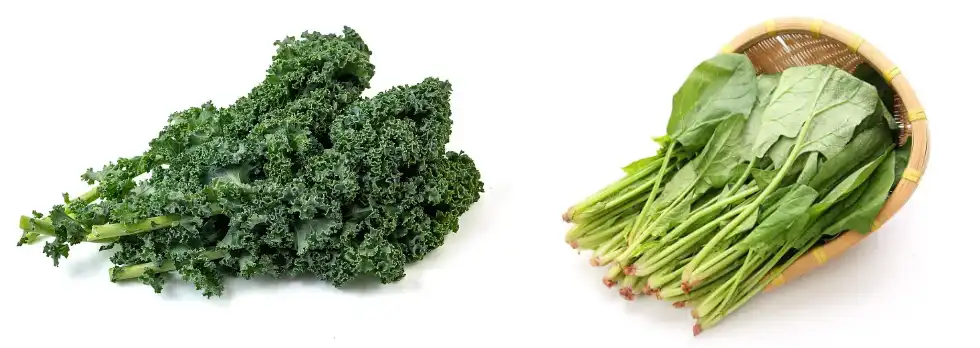
Nutritional Profiles Compared: Kale Powder vs Spinach Powder
Understanding the distinct nutritional characteristics of these green vegetable powders enables manufacturers and product developers to make informed decisions for their specific formulations. The nutritional analysis reveals significant differences that can impact product positioning and target market appeal.
Vitamin Content Analysis
Kale powder demonstrates exceptional vitamin density, particularly in fat-soluble vitamins. Vitamin A content in kale powder supports immune system function and promotes healthy organ development, making it ideal for nutritional supplements and functional food applications. The high vitamin A concentration also contributes to vision health support, similar to other carotenoid-rich ingredients.
Vitamin E presence in kale powder helps reduce inflammation risks and supports cardiovascular health. This antioxidant vitamin protects against free radical damage while strengthening immune system responses. The vitamin E content makes kale powder particularly valuable for anti-aging and wellness-focused product lines.
Vitamin K abundance in kale powder plays a crucial role in blood clotting regulation and calcium metabolism. This vitamin supports prothrombin production, which assists in proper blood clotting mechanisms. Regular vitamin K intake through fortified products can help maintain healthy calcium levels throughout the body.
Mineral and Antioxidant Comparison
While spinach powder offers superior iron and folate content, kale powder provides higher calcium and manganese levels. The antioxidant profile of kale powder includes powerful compounds like quercetin and kaempferol, which contribute to its anti-inflammatory properties. These bioactive compounds make kale powder particularly attractive for premium supplement formulations targeting health-conscious consumers.
Practical Uses and Applications in Bulk Procurement
The versatility of organic kale powder extends across multiple manufacturing applications, from beverage production to supplement formulation. Understanding these applications helps procurement professionals evaluate which powder best suits their production requirements and market positioning strategies.
Food and Beverage Manufacturing Applications
Green superfood powders integrate seamlessly into smoothie blends, protein powders, and nutritional bars. Bulk kale powder's mild flavor profile allows for easy incorporation without overwhelming other ingredients, while its vibrant green color enhances product visual appeal. Beverage manufacturers particularly value bulk kale powder for its stability during processing and extended shelf life.
Supplement manufacturers appreciate kale powder's concentrated nutrient density, which allows for effective dosing in capsule and tablet formulations. The powder's fine consistency ensures uniform mixing in multi-ingredient blends, while its natural origin appeals to clean-label product positioning.
Storage and Quality Maintenance Best Practices
Maintaining nutritional integrity requires proper storage protocols that preserve vitamin content and prevent degradation. Moisture control becomes critical for bulk quantities, with recommended storage conditions including cool, dry environments away from direct sunlight. Proper packaging materials should provide oxygen barriers to prevent oxidation of sensitive vitamins and antioxidants.
Temperature stability testing reveals that kale powder maintains nutritional potency better than spinach powder under typical storage conditions. This stability advantage translates to longer shelf life and reduced product waste in large-scale manufacturing operations.
Bulk Buying and Supplier Considerations for Kale Powder vs Spinach Powder
Procurement decisions require comprehensive evaluation of supplier capabilities, certification standards, and logistics considerations. The bulk powder market presents unique challenges that demand careful supplier assessment and quality verification protocols.
Certification and Quality Assurance
Organic certification requirements vary between regions, but USDA NOP and EU organic standards represent gold standard certifications for international trade. Non-GMO verification adds another layer of quality assurance that appeals to health-conscious consumers and supports premium product positioning, particularly for products like bulk kale powder.
Manufacturing certifications including GMP, HACCP, and ISO standards ensure consistent production quality and safety protocols. These certifications become particularly important when supplying ingredients for supplement and functional food applications where regulatory compliance is mandatory.
Pricing and Market Dynamics
Market analysis indicates that kale powder typically commands premium pricing compared to spinach powder due to higher processing costs and growing demand. Bulk pricing structures often include volume discounts for larger orders, with significant savings available for annual supply contracts.
Supply chain considerations include seasonal availability fluctuations and regional production capabilities. Establishing relationships with multiple suppliers helps mitigate supply risks and ensures consistent product availability throughout the year.
Making the Right Choice: Which Powder Fits Your Business Needs?
Strategic powder selection requires alignment between nutritional objectives, target market preferences, and manufacturing capabilities. The decision-making process should incorporate both quantitative nutritional data and qualitative factors such as consumer perception and brand positioning.
Application-Specific Considerations
Sports nutrition brands often prefer kale powder for its superior antioxidant content, which supports recovery and reduces exercise-induced oxidative stress. Additionally, bulk kale powder provides a cost-effective solution for brands looking to scale up their production while benefiting from the nutritional advantages of kale. The vitamin K content also appeals to bone health positioning, particularly relevant for active lifestyle products.
Functional beverage applications benefit from kale powder's color stability and neutral taste profile. The powder dissolves readily in liquid formulations while maintaining nutritional potency throughout product shelf life.
Market Positioning Opportunities
Premium positioning opportunities exist for kale powder due to its superfood status and superior nutritional profile. Marketing messages can emphasize the concentrated vitamin content and antioxidant benefits that distinguish kale powder from standard vegetable ingredients.
Private label opportunities allow brands to customize formulations and packaging while leveraging supplier expertise in powder processing and quality control. Custom blends combining kale powder with complementary ingredients create unique product differentiation in competitive markets.
Company Introduction and Product & Service Information
YTBIO stands as a trusted supplier of premium organic vegetable powders, specializing in high-quality ingredients for global health food manufacturers. Our comprehensive certification portfolio includes USDA NOP organic certification, EU organic compliance, and ISO9001 quality management systems that ensure consistent product excellence.
Our organic kale powder production capabilities encompass the entire supply chain from certified organic farms through final packaging and distribution. Advanced processing techniques preserve maximum nutritional content while ensuring microbiological safety and extended shelf life. Customizable packaging options accommodate diverse customer requirements, from small-batch production to large-scale manufacturing operations.
Quality assurance protocols include comprehensive testing for pesticide residues, heavy metals, and microbiological contaminants. Each batch receives complete documentation supporting traceability requirements and regulatory compliance in international markets. Our technical support team provides formulation guidance and application expertise to help customers optimize their product development processes.
Conclusion
The comparison between kale powder and spinach powder reveals distinct nutritional advantages that support different product positioning strategies. Kale powder's superior vitamin A, C, and K content, combined with robust antioxidant properties, makes it particularly valuable for premium supplement and functional food applications. Furthermore, bulk kale powder offers an economical option for manufacturers looking to incorporate the nutritional benefits of kale at scale. While spinach powder offers advantages in iron and folate content, kale powder's comprehensive nutritional profile and market appeal often justify the premium positioning.
Procurement decisions should consider both nutritional objectives and market positioning goals when selecting between these green vegetable powders. The growing consumer awareness of superfood benefits continues to drive demand for high-quality kale powder in various applications, from sports nutrition to wellness beverages.
Frequently Asked Questions
Q1: What is the typical shelf life of bulk kale powder compared to spinach powder?
A: Properly stored organic kale powder typically maintains nutritional potency for 18-24 months under optimal conditions, which is comparable to spinach powder. Storage in cool, dry environments away from light and oxygen exposure helps preserve vitamin content and prevents degradation.
Q2: How does the flavor profile of kale powder impact product formulations?
A: Kale powder offers a milder, more neutral flavor compared to spinach powder's slightly metallic taste. This characteristic makes kale powder easier to incorporate into various formulations without requiring extensive flavor masking, particularly beneficial for beverage and smoothie applications.
Q3: What certifications should I look for when sourcing bulk kale powder?
A: Essential certifications include organic certification (USDA NOP or EU organic), non-GMO verification, and manufacturing quality standards like GMP and HACCP. Additional certifications such as Kosher and Halal may be required depending on target markets and customer requirements.
Partner with YTBIO for Premium Bulk Kale Powder Supply
YTBIO delivers exceptional organic kale powder solutions tailored to your manufacturing requirements and quality specifications. Our certified organic processing facilities and comprehensive quality assurance programs ensure consistent product excellence for supplement manufacturers, functional food producers, and beverage companies worldwide. With flexible minimum order quantities, customizable packaging options, and reliable global shipping capabilities, we support your product development goals from concept through market launch. Our technical expertise in powder processing and application development helps optimize your formulations for maximum nutritional impact and consumer appeal. Contact us at sales@sxytorganic.com to request samples and discuss your bulk kale powder supplier requirements.
References
1. Sikora, E., & Bodziarczyk, I. (2012). Composition and antioxidant activity of kale (Brassica oleracea L. var. acephala) raw and cooked. Acta Scientiarum Polonorum Technologia Alimentaria, 11(3), 239-248.
2. Kahlon, T. S., Chiu, M. C., & Chapman, M. H. (2008). Steam cooking significantly improves in vitro bile acid binding of collard greens, kale, mustard greens, broccoli, green bell pepper, and cabbage. Nutrition Research, 28(6), 351-357.
3. Olsen, H., Aaby, K., & Borge, G. I. (2009). Characterization and quantification of flavonoids and hydroxycinnamic acids in curly kale (Brassica oleracea L. convar. acephala var. sabellica) by HPLC-DAD-ESI-MSn. Journal of Agricultural and Food Chemistry, 57(7), 2816-2825.
4. Korus, A. (2011). Level of vitamin C, polyphenols, and antioxidant and enzymatic activity in three varieties of kale (Brassica oleracea L. var. acephala) at different stages of maturity. International Journal of Food Properties, 14(5), 1069-1080.
5. Ayaz, F. A., Glew, R. H., Millson, M., Huang, H. S., Chuang, L. T., Sanz, C., & Hayırlıoğlu‐Ayaz, S. (2006). Nutrient contents of kale (Brassica oleraceae L. var. acephala DC.). Food Chemistry, 96(4), 572-579.
6. Podsędek, A. (2007). Natural antioxidants and antioxidant capacity of Brassica vegetables: A review. LWT-Food Science and Technology, 40(1), 1-11.