Isomaltulose: From origin to application and its beneficial properties
Due to its unusual features and many uses, isomaltulose, a sucrose-derived disaccharide, has garnered interest. It was formerly utilized as a functional sweetener, but recent study has shown its health and nutrition benefits. This page discusses organic isomaltulose powder's history, health advantages, industry applications, and implementation possibilities. Understanding isomaltulose's history and current applications helps us grasp its many benefits to health and product formulations.
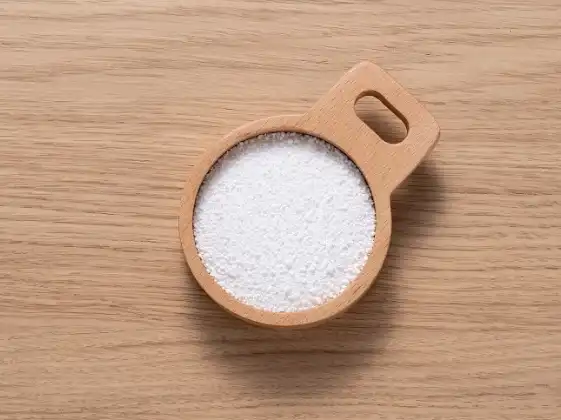
Historical Perspectives on Isomaltulose Powder
The story of organic isomaltulose powder is one of scientific finding and creativity. This one-of-a-kind sugar, called Palatinose™, comes from nature, especially from honey and sugarcane extract. Isomaltulose was first discovered in the 1950s and stayed interesting for decades until its possible uses were fully understood.
Discovery and Early Research
In 1957, German scientists discovered isomaltulose for the first time, which began a new era in sugar substitutes. It looked a lot like table sugar, but it was actually very different from it in many ways. Isomaltulose was first studied by scientists to find out what it is and how it works in different situations.
From Laboratory to Large-Scale Production
As a superior sugar alternative became available, isomaltulose rose in popularity. In the 1980s, researchers discovered a way to produce isomaltulose on a larger scale, which led to its commercial availability for the first time. The ability to produce organic isomaltulose powder in amounts appropriate for industrial uses was made possible by this major achievement.
Regulatory Approval and Market Introduction
In the late 90s and early 2000s, authorities in many nations gave their stamp of approval to isomaltulose. The European Food Safety Authority (EFSA) reached a turning point in 2005 when it declared isomaltulose safe for human consumption. This authorized its usage in food products across Europe. Along with that, the US Food and Drug Administration (FDA) certified it GRAS in 2006.
Isomaltulose went from being an intriguing chemical in the lab to a practical component in food and drink after these approvals, which were a watershed moment. Products ranging from sports nutrition to meals that are safe for diabetics began to use it as word of its advantages spread.
Modern Understanding of Isomaltulose Powder Benefits
The scientific community now generally acknowledges and supports the use of organic isomaltulose powder for its many advantages. Food producers and health-conscious people alike may benefit from this novel sugar substitute's many benefits.
Low Glycemic Index
The low glycemic index (GI) of 32 for isomaltulose is one of its several advantages over sucrose, which has a GI of 65. The slower digestion and absorption of isomaltulose cause blood glucose levels to increase more gradually. This feature will be very useful for diabetics who are trying to control their blood sugar levels.
Sustained Energy Release
Energy is released slowly by isomaltulose, in contrast to fast-acting carbohydrates. This substance is perfect for endurance athletes and anybody looking for sustained energy that doesn't crash like sugary meals since it gives cells a continuous supply of glucose.
Dental Health Benefits
Since isomaltulose does not contribute to the development of cavities, it is not a cariogenic substance. The fermentation of isomaltulose by oral bacteria is not as easy as the fermentation of other sugars, which results in a reduction in the formation of acids that erode tooth enamel. In order to take advantage of this ability, it has been included in dental-friendly products and used as a sweetener in oral care medications.
Weight Management Support
There is a possibility that the delayed digestion of isomaltulose is a factor that contributes to the benefits of greater fullness and decreased calorie intake. It has been shown via research that meals that include isomaltulose have the potential to extend satiety, which might be beneficial for the maintenance of a healthy weight.
Prebiotic Potential
Isomaltulose may have prebiotic qualities, which would stimulate the development of good gut flora, according to a new study that has emerged. The increased interest in gut health and the influence it has on general well-being is in line with this possible advantage, even if further research is required.
Core Application Pathways for Isomaltulose Powder
The versatility of organic isomaltulose powder has led to its adoption across various industries. Its unique properties make it suitable for a wide range of applications, each leveraging specific benefits of this innovative sweetener.
Sports Nutrition
Isomaltulose may help good gut bacteria grow, according to new study. This possible benefit goes along with the rising interest in gut health and how it affects general health, but more research needs to be done.
Functional Foods
Isomaltulose is an ingredient in many foods that have been accepted by the food business. Isomaltulose is being used by companies to make things like breakfast foods and non-dairy milks healthy. It is great for making food for healthy eaters and diabetics because it has a low glucose level.
Beverage Formulations
A number of beverage formulas now include isomaltulose. Flavored waters, soft drinks, and even alcoholic beverages benefit greatly from its stability in acidic environments and resistance to fermentation. Aligning with the worldwide trend towards healthier drink alternatives, isomaltulose's mild sweetness allows for lower sugar content without losing flavor.
Validation of Health Properties with Isomaltulose Powder
As the use of organic isomaltulose powder has expanded, so has the body of scientific evidence supporting its health benefits. Numerous studies have been conducted to validate the properties of isomaltulose and its effects on human health.
Blood Sugar Management Studies
Isomaltulose is good for blood glucose levels according to research. A study in the British Journal of Nutrition found that people with type 2 diabetes had better blood sugar control when they ate isomaltulose instead of sucrose. Based on these results, isomaltulose is a good sugar for diabetics.
Cognitive Performance Research
Stronger brain function has been associated with the sustained energy flow that is provided by isomaltulose. Compared to consuming glucose, eating isomaltulose before engaging in mental activities was shown to increase people's memory and make them more attentive. The findings of this research were published in the journal Nutritional Neuroscience.
Dental Health Validation
The non-cariogenic properties of isomaltulose have been validated through clinical studies. Research published in Caries Research demonstrated that isomaltulose-containing products did not lower plaque pH to levels associated with enamel demineralization, supporting its use in dental-friendly formulations.
Practical Scenarios for Isomaltulose Powder Implementation
There are practical applications for using organic isomaltulose powder in addition to its academic advantages. It is a cheap way to meet customer and market needs because of its unique properties that make it useful in many areas.
Diabetic-Friendly Product Development
For food manufacturers targeting the growing diabetic and pre-diabetic market, isomaltulose offers a solution to create low-glycemic products without sacrificing sweetness. Bakery items, snacks, and desserts formulated with isomaltulose can provide a safer option for individuals managing blood sugar levels, expanding the range of enjoyable foods available to this demographic.
Endurance Sports Nutrition
Isomaltulose-based goods are becoming more popular in endurance sports. Isomaltulose-containing energy snacks and drinks give marathon runners, bikers, and triathletes a steady stream of energy during their events. This long-lasting flow helps keep energy levels steady, which is important for success during long tasks.
Children's Nutrition
Isomaltulose is a great way to make meals and beverages for kids that are healthier for them. This low-glycemic sweetener can help cereal, snack bar, and fruit drink companies develop products that kids will want to eat and that parents will feel good about giving their kids to help cut down on sugar and preserve their teeth.
Conclusion
Isomaltulose is a carbohydrate that doesn't raise blood sugar much and is released slowly. It has gone from being a discovery to being a key part of health-focused products.Originating from natural sources, it offers a multitude of advantages, such as a consistent supply of energy, promotion of healthy teeth, and suitability as an alternative to conventional sweets for those with diabetes. Because of these qualities, organic isomaltulose powder is an essential ingredient in recipes for nutritious foods and drinks that appeal to modern customers.
Isomaltulose keeps proving to be very useful in a lot of areas, like food, drinks, and sports nutrition. It helps people eat better, be healthier, and do better in sports, so it's a big part of the world's shift toward good living. Isomaltulose is going to be very important because it keeps finding new ways to help with health and activity issues.
FAQ
1. What is the difference between isomaltulose and regular sugar?
Isomaltulose and glucose index is lower than that of sucrose, which is also known as normal sugar. So, it takes longer to break down, which means blood sugar levels go up more slowly, unlike regular sugar, which causes a quick spike.
2. Is isomaltulose safe for diabetics?
Yes, isomaltulose is usually thought to be safe for people with diabetes because it has a low glycemic index. But people with diabetes should talk to their doctor before adding isomaltulose to their diet, just like they would with any other food change.
3. Can isomaltulose be used in baking?
Yes, isomaltulose can be used to bake. But it's important to remember that it might not brown or taste the same way as regular sugar in some recipes. When you use isomaltulose instead of regular sugar, you might need to change some recipes.
Partner with YTBIO for Premium Organic Isomaltulose Powder
At YTBIO, we are happy to sell a high-quality organic isomaltulose powder that health-conscious people and creative food makers love. We make sure that our product is efficient, good for the earth, and pure by using organic sources and tight quality control. We make sure that our goods meet the best standards as an organic isomaltulose powder supplier.
YTBIO is a top seller that knows how to meet companies' various needs, from sports nutrition to functional foods.Our experts are ready to help you make your product by giving you personalized advice and solutions that will help you succeed. If you want to know more about our organic isomaltulose powder or have a product idea you'd like to work on with us, email us at sales@sxytorganic.com. Let's make long-lasting, healthy things.
References
- Lina, B. A., Jonker, D., & Kozianowski, G. (2002). Isomaltulose (Palatinose): a review of biological and toxicological studies. Food and Chemical Toxicology, 40(10), 1375-1381.
- Holub, I., Gostner, A., Theis, S., Nosek, L., Kudlich, T., Melcher, R., & Scheppach, W. (2010). Novel findings on the metabolic effects of the low glycaemic carbohydrate isomaltulose (Palatinose™). British Journal of Nutrition, 103(12), 1730-1737.
- Maresch, C. C., Petry, S. F., Theis, S., Bosy-Westphal, A., & Linn, T. (2017). Low glycemic index prototype isomaltulose-update of clinical trials. Nutrients, 9(4), 381.
- König, D., Zdzieblik, D., Holz, A., Theis, S., & Gollhofer, A. (2016). Substrate utilization and cycling performance following palatinose™ ingestion: A randomized, double-blind, controlled trial. Nutrients, 8(7), 390.
- van Can, J. G., van Loon, L. J., Brouns, F., & Blaak, E. E. (2012). Reduced glycaemic and insulinaemic responses following isomaltulose ingestion: implications for postprandial substrate use. British Journal of Nutrition, 108(7), 1210-1217.
- Ooshima, T., Izumitani, A., Sobue, S., Okahashi, N., & Hamada, S. (1983). Non-cariogenicity of the disaccharide palatinose in experimental dental caries of rats. Infection and Immunity, 39(1), 43-49.