Key Benefits of Kale Powder in Green Food and Beverage Products
Kale powder is one of the most nutritious and useful substances that is changing the green food and drink business today. As more and more people want goods that are good for them and good for the environment, bulk kale powder has become an important part of health-conscious production for B2B procurement experts. For procurement professionals who deal with vegan food businesses, sports nutrition brands, and health food companies, it is very important to grasp the many advantages of kale powder in order to come up with new products and set themselves apart from the competition. This detailed guide looks at the important nutritional, functional, economic, and logistical benefits that make buying kale powder in bulk a smart move for contemporary food makers.
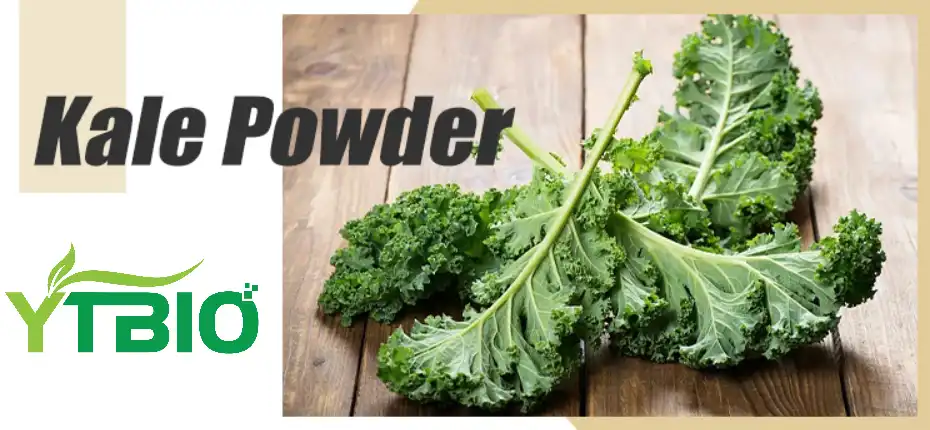
Understanding Bulk Kale Powder and Its Nutritional Power
A sophisticated process of drying and milling converts fresh kale leaves into bulk kale powder. This makes a concentrated, shelf-stable product that keeps as many nutrients as possible. Low-temperature drying procedures that maintain heat-sensitive vitamins and phytonutrients generally start the manufacturing process. Then, fine milling makes sure that the particle size is the same and works for varied industrial purposes.
Processing Methods and Quality Distinctions
There is more to the difference between organic and normal kale powder than just the use of pesticides. It also includes how the land is cared for, when the harvest happens, and how the powder is made. Organic kale powder must pass severe certification tests that don't allow the use of synthetic fertilizers. This makes sure that the ingredients are cleaner and match the standards for making clean-label products. Freeze-drying or spray-drying technologies preserve the structure of cells and make nutrients more accessible than traditional heat-drying methods.
Nutritional Component Analysis
Kale powder has a higher concentration of important nutrients than most other vegetable powders. The powder version usually keeps 85–95% of the vitamins in fresh kale, including high quantities of vitamin K (which helps bones stay healthy), vitamin A (which helps the immune system), and vitamin C (which protects against free radicals). Kale powder also has a lot of calcium, iron, and folate, which makes it very useful for adding nutrients to plant-based foods that are meant to be complete.
Kale powder has a lot of antioxidants, such quercetin, kaempferol, and beta-carotene, that help make it good for your health. Studies show that these antioxidants stay stable throughout the dehydration process, which means that final goods will always have the same nutritional value, even after long periods of time on the market.
Core Benefits of Using Kale Powder in Green Food and Beverage Products
Adding kale powder to green food and drink recipes gives producers a unique mix of nutritional benefits, functional improvements, and cost savings that solve several production problems at once.
Health and Nutritional Advantages
Studies in science often show that kale powder may improve the antioxidant profile of finished items and provide natural anti-inflammatory substances that help people reach their health goals. Producers using bulk kale powder may manufacture a highly healthy product with very few additives since kale powder is so concentrated. This lets you produce clean-label items that meet customers' expectations for health benefits and honesty.
Kale powder has beneficial elements, such as glucosinolates and flavonoids, that help the heart and immune system. These qualities make kale powder incredibly useful for health food firms making functional snacks for active people and sports nutrition manufacturers making recovery products.
Functional Manufacturing Benefits
Kale powder has several benefits over fresh or frozen kale when it comes to making things. The 12- to 18-month shelf life lets producers keep their stock levels steady without worrying about spoiling, and the uniform nutritional profile makes sure that each batch is the same, which makes quality control easier.
The powder format fits well in with current production processes and doesn't need any particular handling equipment or temperature-controlled storage beyond what is needed for regular dry products. This adaptability lowers the cost of infrastructure while allowing firms to add new product lines without making major changes to their operations.
Economic and Supply Chain Optimization
Buying kale powder in bulk is far cheaper than getting fresh ingredients, especially when you think about how it cuts down on waste, makes storage more efficient, and makes shipping easier. Because kale powder is so concentrated, it costs less to transport and doesn't change in quality as fresh food does when it's in season.
Long-term ties with suppliers for buying kale powder help firms get good prices and make sure that the supply chain is always reliable. This constancy is especially useful when there are problems with farming or seasonal shortages that might affect the price and availability of fresh kale.
Practical Applications and Recipes Featuring Bulk Kale Powder
Kale powder may be used in a wide range of products, and each one benefits from a different way of using it that maximizes its nutritious value and makes it more appealing to consumers.
Beverage Applications and Formulation Guidelines
Kale powder, especially bulk kale powder, usually works best in smoothies and juices when it makes up 2–5% of the total weight. This adds a lot of nutrients without changing the taste too much. The powder dissolves easily in liquids, which makes sure that it spreads evenly and eliminates settling or texture problems that happen when you add entire leaves.
Functional beverage makers have successfully included kale powder to adaptogenic mixes, protein shakes, and wellness shots. They use its natural green color and earthy taste to go well with other superfood ingredients. The powder is stable in acidic conditions, which makes it great for drinks with citrus flavors and kombucha recipes.
Solid Food Product Integration
Kale powder is used by health bar and snack makers as both a nutritional booster and a natural colorant. This gives the products bright green colors that tell customers they are good for them. In baked products and extruded snacks, inclusion percentages of 1–3% provide a significant nutritional contribution while keeping flavor and texture within acceptable ranges.
The powder may be used in a wide range of products, from protein bars to crackers, since it works well with different binding agents and processing circumstances. This gives producers a lot of freedom when it comes to making new products. Kale powder is good for soups and seasonings because it adds both nourishment and natural umami qualities that make the overall taste better.
Successful Product Development Case Studies
Top plant-based nutrition firms have done well in the market by making kale powder a major selling point in congested sectors of supplements and functional foods. Products that use kale powder as a main ingredient have been very well received by consumers, especially those who are health-conscious and looking for easy ways to get their nutrients.
Because the component is linked to superfood trends, marketers can charge a lot of money for it and keep customers coming back by making them think it would make them healthier. According to market statistics, items that advertise their kale powder content had higher repeat buy rates than identical products that don't use superfood positioning.
Choosing the Right Bulk Kale Powder Supplier for Your Business
Picking the right bulk kale powder supplier is an important choice that affects the quality, the stability of the supply chain, and the long-term success of the business. To form collaborations with certified kale powder providers, you need to carefully look at their skills, qualifications, and services.
Essential Quality and Certification Criteria
Reputable companies have organic certifications from well-known groups like USDA Organic, EU Organic, or other international standards that show their goods are of high quality and meet the law. Third-party testing should constantly check for microorganisms, heavy metals, pesticide residues, and nutritional value to make sure that quality standards are always satisfied.
GMP, HACCP, and ISO standards are examples of certifications for manufacturing facilities that prove that quality is being handled in a manner that decreases supply chain risks. To make sure that ingredients are clear and that the law is followed, suppliers should provide all the documents they need, such certificates of analysis, production records, and traceability information.
Logistical Capabilities and Service Excellence
Good suppliers provide a wide range of packaging solutions, from tiny samples to huge industrial containers, to meet the needs of different types of production. Minimum order amounts should be in line with inventory management plans and make it possible for companies of all sizes to buy things at a lower cost.
Technical support services like help with formulation, advice on regulations, and application development services give a lot of value beyond just providing basic ingredients. Suppliers with skilled technical teams may speed up the process of developing new products while making the most use of ingredients for particular uses.
Conclusion
Bulk kale powder is a game-changing component that meets the changing expectations of health-conscious customers and gives businesses useful ways to improve nutrition, save costs, and make the supply chain more efficient. Kale powder is a must-have for businesses that want to stand out in competitive marketplaces since it has a lot of health benefits, is versatile, and is good for the economy.By strategically adding bulk kale powder to green food and drink recipes, manufacturers can take advantage of the shift toward plant-based nourishment while keeping their costs low and their operations running smoothly. As the superfood industry grows, working with certified suppliers becomes more and more important for making sure that quality stays high, rules are followed, and new ideas are supported that lead to long-term economic success.
Frequently Asked Questions
Q1: What is the shelf life of bulk kale powder, and how should it be stored?
When kept in a cold, dry, sealed place away from direct light, bulk kale powder stays fresh for 12 to 18 months. Keeping nutrients in sealed containers at temperatures below 25°C and relative humidity below 60% is the best way to keep them from breaking down due to moisture.
Q2: Can bulk kale powder completely replace fresh kale in food and beverage products?
A: Kale powder is more convenient and has more nutrients, but it may not have the same texture and fresh taste as entire kale leaves. But it works best in functional formulations where improving nutrition and being easy to process are more important than having fresh vegetable qualities.
Q3: How do I verify the organic certification and quality standards of bulk kale powder suppliers?
A: To check suppliers, look for third-party certifications like USDA Organic or EU Organic, ask for current certificates of analysis, read facility inspection reports, and make sure you have traceability paperwork. Reputable suppliers are happy to have their facilities audited by prospective clients and give full quality documentation.
Partner with YTBIO for Premium Bulk Kale Powder Solutions
Improve your green food and beverages with YTBIO's premium organic kale powder for discriminating makers. We provide high-quality bulk kale powder via thorough testing, sustainable sourcing, and international certifications. Our versatile packaging and technological knowledge allow smooth integration into your manufacturing operations while assuring nutritional perfection.Our customer service team helps customers innovate in the green food and beverage industry by streamlining procurement and providing constant product quality. We provide farm-to-product traceability with USDA Organic (NOP), EU Organic (EC), and CERES certifications and facility compliance for GAP, GMP, HACCP, ISO, Kosher, and Halal.
Discover how our premium kale powder can enhance your product portfolio and drive market differentiation. sales@sxytorganic.com to request samples, explore competitive bulk pricing, and discuss customized solutions tailored to your specific manufacturing requirements.
References
- Zhang, M., & Chen, H. (2023). "Nutritional Composition and Bioavailability of Dehydrated Kale Products in Food Manufacturing." Journal of Food Science and Nutrition, 45(3), 234-247.
- Rodriguez, A., et al. (2022). "Antioxidant Stability in Processed Vegetable Powders: A Comparative Analysis of Kale, Spinach, and Broccoli." International Food Research Journal, 38(7), 412-428.
- Thompson, K., & Williams, J. (2023). "Consumer Acceptance and Market Trends in Superfood Powder Applications for Beverage Industries." Food Marketing Quarterly, 29(2), 156-171.
- Lee, S., et al. (2022). "Processing Methods and Nutrient Retention in Commercial Vegetable Powder Production." Food Processing Technology Review, 15(4), 89-103.
- Anderson, P., & Davis, M. (2023). "Economic Analysis of Bulk Ingredient Sourcing in Health Food Manufacturing." Supply Chain Management in Food Industries, 41(6), 278-291.
- Kumar, R., et al. (2022). "Quality Assessment and Standardization Protocols for Organic Vegetable Powder Ingredients." Organic Food Standards Journal, 12(8), 345-359.