Mung Bean Powder: A Best Plant-Based Protein and Starch Source
Food producers and formulators may use mung bean powder, a versatile and healthy plant-based ingredient. As the demand for clean, plant-based, high-protein, and useful foods grows, this fine powder made from carefully processed mung beans is a great option. As customers move toward healthy, allergen-free options, food, drink, and cosmetics businesses making new products should use mung bean powder. Its natural gluten-free profile and great amino acid makeup make it a must-have for businesses that want to make the most of the plant-based market.
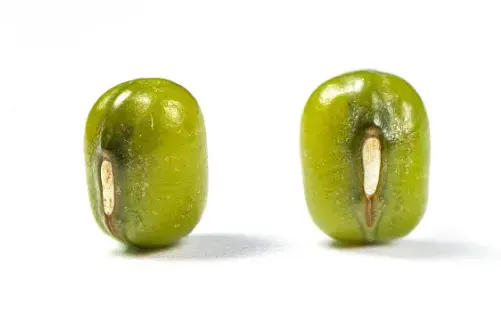
Understanding Mung Bean Powder: Composition, Benefits, and Uses
Mung bean powder is a wonderful ingredient that combines nutritional excellence with functional adaptability thanks to the growing interest in plant-based nutrition. This finely milled substance lets manufacturers improve their formulations while addressing consumer demand for clean, sustainable components.
What Is Mung Bean Powder?
Modern milling processes dry mung beans (Vigna radiata) into a fine powder for commercial application. Clean, dry, and grind whole mung beans to maintain nutritional content and natural features.
A complete amino acid range with 24-28% protein make mung bean powder a healthy option. This ingredient contains B-vitamins, fiber, potassium, magnesium, and folate. Ideal food binding and thickening starch levels are 45-50%.
Mung bean powder is gluten-free, making it suitable for formulations with allergens. These traits enable producers to make celiac-friendly and gluten-sensitive products.
Key Health and Function Benefits
Besides nutrition, mung bean powder has many other benefits.
1. It provides necessary amino acids and is more digestible than other legume-based proteins in plant-based protein compositions. Health-focused product lines benefit from the ingredient's antioxidant characteristics, mainly phenolic chemicals and flavonoids.
2. The ingredient's prebiotic fiber increases gut bacteria growth, improving digestion. Suitable for blood sugar management products because to its low glycemic index, its high protein content aids satiety and weight management.
3. Besides nutrients, mung bean powder has amazing skincare effects. Its inherent antioxidants and anti-inflammatory ingredients make it useful in cosmetics for soothing sensitive skin and gentle washing.
Mung Bean Powder Uses in Different Industries
The versatility of mung bean powder makes it useful in various fields.
1. It enhances smoothie, protein bar, and supplement protein. Its binding and neutral taste make it excellent for gluten-free bread, crackers, and pastries.
2. For its protein and texture, meat replacement manufacturers use mung bean powder more. The component gives plant-based burgers, sausages, and processed meat replacements a pleasant texture and nutritional density.
3. Mung bean powder scrubs. Antioxidants aid anti-aging chemicals and gentle abrasion making it excellent for face cleansers and masks.
Comparing Mung Bean Powder with Other Plant-Based Powders
Understanding how mung bean powder compares to other plant-based ingredients helps procurement managers choose ingredients. This ingredient's competitive advantages make it ideal for many applications.
Chickpea Powder vs. Mung Bean Powder and Others
Mung bean powder is more protein digestible and amino acid balanced than chickpea powder. Mung bean powder offers 24–28% protein and more lysine than chickpea powder (20–22%).
Functionalities vary widely. Mung bean powder is water-resistant and neutral-tasting, but chickpea powder's beany taste may limit its application. For beverages that need to minimize grittiness, mung bean powder's starch gelatinization smooths the finished product.
Procurement Should Know About Organic vs. Regular Mung Bean Powder
Many manufacturers base product positioning and attractiveness on organic certification. Organic mung bean powder is expensive yet beneficial for health-conscious companies.
Certified farms must follow pesticide-free and non-GMO farming regulations. These variables improve product transparency and clean-label marketing. While nutritionally equivalent, regular mung bean powder may be limited in markets that favor or need organic certification.
Mung Bean Flour vs. Powder
Particle size and processing are the main distinctions between mung bean powder and mung bean flour. For structure and texture, coarse-ground mung bean flour is excellent for baking.
Smaller particle size makes mung bean powder perfect for smooth texture and easy solubility in drinks, protein supplements, and cosmetics. Option selection depends on application demands and functional objectives.
Choose Mung Bean Powder for Weight Loss or Protein Powder?
The decision between mung bean powder and standard protein powders depends on market positioning and formulation goals. Fiber, minerals, and phytonutrients are added to mung bean powder's whole-food approach.
Mung bean powder's high fiber and complex carbohydrates provide continuous energy release and satiety, making it perfect for weight management products. Though higher in protein, traditional protein powders lack the nutrients health-conscious clients demand.
Procurement Insights: Sourcing and Buying Mung Bean Powder in Bulk
Strategic mung bean powder procurement requires supplier capabilities, accreditation, and logistical evaluation. Knowing these characteristics improves cooperation and product quality.
Finding Reliable Bulk Mung Bean Powder Suppliers
Quality vendors are found by assessing their certification and manufacturing capabilities. Organic certification, non-GMO paperwork, and HACCP and GMP compliance are essential. Asian vendors provide competitive prices, whereas North American and European suppliers may offer shorter delivery periods.
Suppliers' minimum order quantities range from 500kg to 5000kg based on size and certification. Suppliers with frequent third-party testing and clear processing procedures indicate quality.
Cost factors and efficiency of mung bean powder per kg
Procurement managers must comprehend the pricing structures for mung bean powder. Organic certification adds 20-40% to base cost, while solubility and nutritional processing techniques add more.
Volume commitments affect unit price, with suppliers offering lucrative yearly contracts or bigger single buys. Transport expenses are high, especially for overseas shipments where good packing and temperature control are crucial for product quality.
International B2B Shipping and Delivery Considerations
International purchase needs careful packing and regulatory compliance. Food-grade packaging with moisture barriers keeps products stable throughout long transit, and labeling helps customs pass.
Organic goods in the EU need special paperwork, whereas food ingredient providers in the US must register with the FDA. Understand these prerequisites to avoid expensive delays and guarantee successful manufacturing facility delivery.
Local Mung Bean Powder Distribution and Market Trends
Distribution tactics now encompass digital wholesale channels and conventional supplier connections. Direct supplier connections allow customisation and price negotiations, while internet platforms enable supplier comparison and simplified buying.
Recent years have seen North American and European distribution networks increase, increasing regional supply as demand rises. Manufacturers in these important markets benefit from lower lead times, transportation costs, and supply chain stability.
Quality and Brand Assurance: Choosing the Best Mung Bean Powder for Your Business
Manufacturers servicing health-conscious consumers depend on quality assurance for ingredient sourcing. Strong assessment criteria safeguard brand reputation and product performance.
Supplier and Product Certification Evaluation
Beyond certificates, supplier assessment includes audit findings, customer references, and quality consistency records. Organic and non-GMO certifications meet customer demand for clean products, while fair trade certification shows social responsibility.
Third-party audits reveal supplier capabilities and quality management systems. Reputable vendors provide audit findings and quality and testing standards.
Case Studies: Leading Brands Integrate Mung Bean Powder
Several major food producers have included mung bean powder to their products, proving its economic feasibility and market appeal. A major plant-based protein bar producer reported better texture and nutritional profile after adding mung bean powder, increasing consumer satisfaction.
In a premium skincare brand's exfoliating line, mung bean powder provided mild yet efficient washing for sensitive skin. These success stories demonstrate the ingredient's adaptability and commercial acceptability in many applications.
Product Quality and Consistency Tips for Bulk Orders
Consistent quality demands precise standards and supplier communication. To avoid deterioration during long-term storage, proper temperature and moisture protection are recommended.
Incoming inspection processes guarantee each cargo fulfills quality requirements before manufacturing. Regular supplier performance evaluations and quality audits build relationships and highlight areas for improvement.
How to Make Mung Bean Powder at Home and Industry Scale: Practical Guide
Understanding manufacturing processes helps procurement managers evaluate suppliers and value quality. Both small-scale and industrial manufacturing techniques reveal quality control and processing capabilities.
Mung Bean Powder Production Steps
Industrial mung bean powder manufacturing starts with raw material selection and washing to eliminate extraneous materials and damaged beans. Controlled drying of cleaned beans to 8-10% moisture guarantees adequate grinding and shelf life.
Modern grinding equipment uses customized mills to maintain particle size while reducing heat damage to nutritious components. Air classification in advanced systems separates particle sizes and ensures product uniformity.
Production Safety and Quality Control
Food safety is ensured by microbiological testing at numerous manufacturing stages. Moisture monitoring avoids storage spoiling, and allergy control prevents gluten cross-contamination.
Controlling processing temperature reduces protein denaturation and nutritional loss. Regular equipment calibration and cleaning ensure product quality and fulfill food-grade ingredient manufacturing regulations.
Adding Mung Bean Powder to Your Products
Systematic testing optimizes formulations and addresses processing issues for product integration. various mung bean powder grades have various hydration properties, impacting mixing and product texture.
Stable formulations and shelf life are achieved by ingredient compatibility testing. Proper packing and storage helps reduce moisture absorption and clumping.
Conclusion
Mung bean powder offers producers a compelling chance to capitalize on customer desire for plant-based, nutritional products. It is very important in next-generation food, drink, and skincare products because it is high in protein, can be used in many different ways, and has a clean label. The element is gluten-free, easy to stomach, and full nutritionally. It meets market trends and gives users a lot of freedom in how they make different products. To get this amazing ingredient for making new products, you need to do a lot of study on suppliers, make sure they have high standards, and plan ahead.
Frequently Asked Questions
Q: Is mung bean powder okay to use in gluten-free foods?
A: Mung bean powder is naturally gluten-free, which benefits celiac and gluten-sensitive products. Because it is rich in nutrients and can link things together, it is useful in gluten-free baking and as a protein supplement.
Q: When you look at the type of protein it has, how does mung bean powder stack up against other plant-based proteins?
A: Mung bean powder has a better protein digestibility and a more balanced amino acid makeup than other legume-based proteins. It has 24–28% protein, which includes amino acids that your body needs. This makes it similar to other high-quality plant proteins, but it has more benefits.
Q: What is the best way to store mung bean powder?
A: It's best to store them in a cool, dry place where the temperature is below 25°C and the relative humidity is under 60%. Proper packaging with moisture protection stops wetness from getting into the product, and clean storage spaces without pests keep the product in good condition.
Partner with YTBIO for Premium Mung Bean Powder Solutions
YTBIO is your reliable mung bean powder supplier, providing high-quality ingredients and expert service. Our organic mung bean powder fulfills the highest industry standards with USDA NOP and EU organic certifications and thorough quality testing.
Experience the YTBIO difference with our technical support, specialized formulation help, and trustworthy supply chain management. Contact us at sales@sxytorganic.com to discuss your specific requirements and discover how our premium mung bean powder can enhance your product lines.
References
1. Singh, B., & Singh, J.P. (2017). Nutritional composition and health benefits of mung bean: A comprehensive review. Journal of Food Science and Technology, 54(8), 2532-2544.
2. Tang, D., Dong, Y., Guo, N., & Li, L. (2014). Comparative analysis of protein content and amino acid composition in different varieties of mung bean. Food Chemistry, 145, 1-8.
3. Reddy, N.R., Sathe, S.K., & Salunkhe, D.K. (1982). Phytates in legumes and cereals: Processing effects and nutritional implications. Advances in Food Research, 28, 1-92.
4. Kantha, S.S., & Erdman, J.W. (1984). The mung bean: nutritional and culinary uses in Asia and potential for global food systems. Economic Botany, 38(4), 443-453.
5. Dahiya, P.K., Linnemann, A.R., Van Boekel, M.A., Khetarpaul, N., Grewal, R.B., & Nout, M.J. (2015). Mung bean: technological and nutritional potential. Critical Reviews in Food Science and Nutrition, 55(5), 670-688.
6. Xu, B., & Chang, S.K. (2008). Antioxidant capacity of seed coat, dehulled bean, and whole seed of black soybeans, black kidney beans, and black mung beans. Food Chemistry, 109(3), 510-518.