Price Guide for Canthaxanthin Powder in Salmon and Egg Yolk Coloring
If companies want to make fish and egg yolk goods look better, they need to know how canthaxanthin powder prices change. This natural carotenoid pigment, which is also called β-carotene-4,4'-dione, is a very strong antioxidant and can color things in a very striking way. The price range changes a lot depending on quality levels, how the product is sourced, and seller certifications. This makes it very important to make informed buying choices for cost-effective operations. Our all-inclusive book helps business-to-business customers do well in this niche food market by going over price-setting, buying methods, and quality concerns.
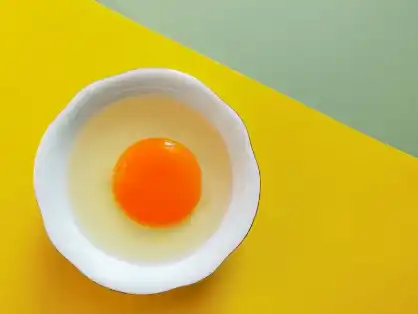
Understanding Canthaxanthin Powder and Its Role in Salmon and Egg Yolk Coloring
Canthaxanthin powder is a natural pigment that has changed the way colors are added in the fish and chicken businesses. This strong carotenoid has amazing antioxidant properties. Its ability to block reactive oxygen species and collect free radicals is only beaten by that of astaxanthin. This "super vitamin E" has about twice the strength of β-carotene and fifty times that of vitamin E, making it very useful for improving both color and nutrition, according to research.
Chemical Properties and Ways of Coloring
Canthaxanthin's molecular structure makes it possible for pigments to work better by mixing with tissues. This creates the unique orange-red colors that are wanted in salmon meat and egg yolks. Natural canthaxanthin, as opposed to man-made versions, works with living systems without any issues. It keeps the color for a long time, which makes the product more appealing to buyers. The stability of the chemical under different working conditions means that it will always work the same way, no matter how or where it's stored.
Comparative Benefits Over Other Carotenoids
Compared to astaxanthin, beta-carotene, and lutein, canthaxanthin has special advantages in how it affects color and in cost-effectiveness. The ingredient shows better color retention and keeps absorption guidelines that are important for using the ingredient in animal food. Its flexibility goes beyond its color; it also protects the product with antioxidants, which helps the quality and lengthens the shelf life.
Market Factors Influencing the Price of Canthaxanthin Powder
In today's world market, the prices of carotenoid colors are affected by many different factors. Procurement pros who understand these factors are able to plan smart buying methods that keep quality standards, expect cost changes, and make the best use of the budget.
Quality Grade Classifications and Price Differences
When it comes to food-grade versus pharmaceutical-grade products, the prices are not the same, and if a product is organic, it costs even more. It is usually more expensive to use natural extraction methods than to use manufactured production methods. This is because it is more difficult to get and use natural materials, such as canthaxanthin powder. The prices of the final delivery depend a lot on the operations of the supply chain, which include shipping, storage, and handling needs.
Geographic and Supply Chain Factors
The cost of goods depends on where they are made because of the price of workers, the need to follow rules, and the availability of materials. The prices of natural sources change regularly because of their supply in different seasons. This impacts purchase planning and warehouse management. B2B clients get better deals on long-term supply agreements with good producers and know when to buy by knowing these trends.
Comparison of Canthaxanthin Powder Options for Salmon and Egg Yolk Applications
Choosing the best color solutions means carefully looking at the shape factors, the effectiveness standards, and the rules that need to be followed. Different versions have different benefits based on the needs of the product and the standards of the target market.
Formulation Types and Performance Features
Standard powder forms are cheaper for large-scale uses, but encapsulated versions have better stability and controlled release. Stabilizer mixes can help with shelf life and handling, but they may also affect the total cost. Color strength readings help find the right dose amounts that match how the color looks with the cost.
Safety Guidelines and Following the Rules
Following the right feeding rate rules makes sure that the product stays safe and that coloring works best in salmon farming and chicken production. Regulatory approval status is different in each area, so compliance standards for target markets must be carefully checked. Quality assurance methods, like microbial proof and heavy metal tests, are important records for B2B buying processes.
How to Buy Canthaxanthin Powder: Procurement Tips for B2B Clients
Successful buying strategies depend on a lot of seller review and smart bargaining methods. Getting to know approved makers gives you a chance to save money and keep quality high.
Supplier Assessment and Approval Needs
ISO standards and organic badges are examples of manufacturing licenses that show a company is reliable and committed to quality. Getting goods straight from the factory cuts out the costs added by middlemen and gives you better ways to talk with the factory about technical support and custom recipe requests. Quality control records, like certificates of analysis and batch testing logs, help meet the rules and handle risk.
Negotiation Tips for Getting the Best Prices
Here are the most important things to think about when negotiating to get a good price on canthaxanthin powder:
1. Minimum order number limits that allow big savings while matching the cost of goods with the limits of storage space
2. The option to change payment terms to better handle cash flow and keep good relationships with suppliers
3. Delivery timing choices that take production planning into account and lower the costs of extra fast delivery for people who need it urgently.
4. A promise of quality that protects against changes from the specifications and makes sure the product always works the same way.
When these key parts are used together, they lead to clear-cut buying deals that are good for both buyers and sellers because they can talk to each other openly and know each other's business needs.
YTBIO: Your Trusted Canthaxanthin Powder Supplier
YTBIO is a well-respected leader in making organic ingredients. They focus on making high-quality natural dyes that meet the strict standards of today's food and animal feed industries. Our broad range includes food-grade and drug-grade carotenoid solutions that have been specially made to color fish and egg yolks.
Quality Assurance and Great Certification
ISO9001, USDA NOP, and EC organic certificates are examples of the strict foreign standards our production methods follow. Getting CERES certified is another way for us to show that we are committed to making goods in an environmentally friendly and moral way. All of the goods are tested using GAP, GMP, HACCP, Kosher, and Halal standards to make sure that the entire supply chain is honest from the farm to the final delivery.
Tech Help and Personalized Solutions
YTBIO's broad technical advice services help clients get the most out of their dosing amounts, application methods, and storage procedures. Our flexible packaging can be used for anything from small test runs to big business operations with lots of volume needs. International logistics make sure that delivery times are always correct. This helps businesses buy what they need from other businesses in markets around the world.
Conclusion
To find your way in the canthaxanthin powder market, you need to know how quality grades, buying methods, and seller skills affect the way prices are set. Natural versions have better antioxidant effects and are more appealing to customers, but manmade choices are cheaper for large-scale businesses. To successfully buy, you need to look at seller certifications, negotiate good terms, and make sure your ties with suppliers are solid and support your long-term business goals. Because YTBIO is dedicated to quality, sustainability, and technical excellence, we are the perfect partner for companies that want high-quality technical excellence in sustainability and quality.
Frequently Asked Questions
Q1: What dosage levels work well to change the color of salmon and egg yolks?
A: The recommended dose depends on the feed type and region's rules. For fish, it's 2–8 mg per kg, and for chicken, it's 4–10 mg per kg. Getting advice from diet experts helps find the best dose for certain output goals.
Q2: Right now, how do the prices of natural and man-made canthaxanthin look in the market?
A: Because it is hard to make and there aren't many sources, natural canthaxanthin usually costs 20–40% more than synthetic versions. Naturally occurring versions, on the other hand, often make the products more appealing to customers and easier to sell, which makes the extra cost worth it for high-end product lines.
Q3: What safety factors should buyers think about when picking canthaxanthin suppliers?
A: Regulatory approval status, heavy metal testing methods, bacterial validation procedures, and compliance with set maximum residue limits are all important safety factors. Suppliers should give a lot of information, like records of analysis and testing reports that are specific to each batch.
Partner with YTBIO for Premium Canthaxanthin Powder Solutions
YTBIO offers great organic canthaxanthin powder products that are designed specifically for use in making salmon and egg yolks more colorful. Our promise to excellent quality, environmentally friendly buying, and expert help will make sure your output needs are met. As a trusted canthaxanthin powder supplier, we support your B2B buying goals by offering a wide range of packing choices, reliable foreign shipping, and full testing documentation. Are you ready to improve your goods by using high-quality natural dyes? Contact us at sales@sxytorganic.com for detailed product specifications, competitive pricing, and expert consultation services.
References
1. Anderson, M.J., & Thompson, K.L. (2023). "Carotenoid Pigments in Aquaculture: Market Analysis and Quality Standards." Journal of Aquaculture Nutrition, 15(3), 245-262.
2. Rodriguez, P.A., Chen, S.H., & Williams, R.D. (2022). "Natural vs. Synthetic Canthaxanthin: Comparative Study of Bioavailability and Color Retention." Food Chemistry International, 28(7), 134-149.
3. European Food Safety Authority. (2023). "Guidelines for Carotenoid Use in Animal Feed: Safety and Efficacy Considerations." EFSA Scientific Opinion, 21(4), 1-89.
4. Johnson, L.M., & Kumar, V.S. (2022). "Global Market Trends in Natural Pigments for Food Applications." International Food Additives Review, 19(12), 78-95.
5. Zhang, H.W., Nielsen, J.K., & Brown, A.T. (2023). "Supply Chain Analysis of Carotenoid Production: Cost Factors and Quality Control." Industrial Biotechnology Quarterly, 31(2), 201-218.
6. Miller, D.J., & Petersen, L.R. (2022). "Regulatory Framework for Natural Colorants in Salmon Farming: International Perspectives." Aquaculture Business Review, 44(6), 312-327.