Sourcing Cosmetic-Grade Decapeptide-12 for Premium Formulations
In the competitive skincare market, sourcing cosmetic-grade Decapeptide-12 for high-end formulations is a very important choice for B2B procurement managers and formulators. This sophisticated peptide has become a key element in making high-performance anti-aging treatments since it has amazing collagen-stimulating qualities that can be measured. To make products that match customer expectations and stay within the law in all markets, you need to know how to buy things, what quality standards are, and how to rate suppliers.
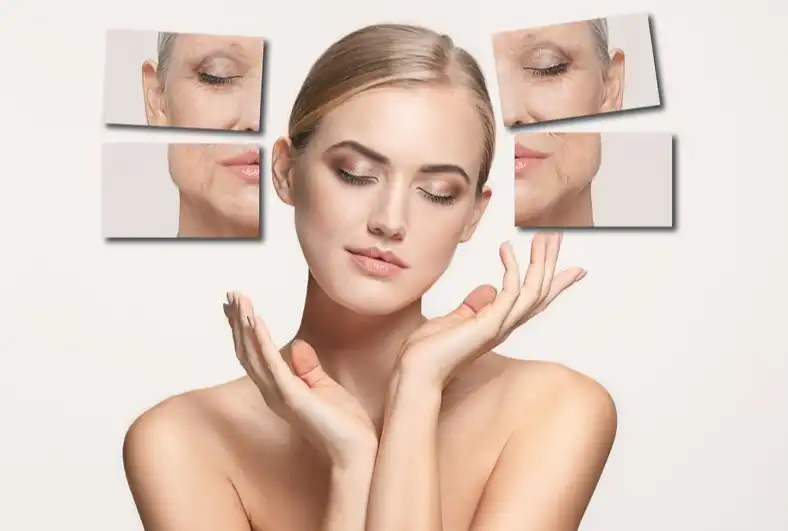
Understanding Decapeptide-12 and Its Role in Skincare
The cosmetic industry hopes that decapeptide-12 will change the way we think about anti-aging products. This complex bioactive ingredient works on a molecular level to improve the appearance and feel of skin, therefore it's a must-have for high-end skin care products.
Molecular Structure and Bioactivity Mechanisms
Ten amino acids make up decapeptide-12, which are organized in a precise order that allows it to interact with cells in a specific way. The peptide gets through the dermal layer well and binds to certain receptors that control the production of collagen. Studies show that this binding activity sets off a chain reaction in cells that leads to more creation of collagen types I and III. These kinds of collagen are important for keeping skin tight and elastic.
Clinical Evidence and Performance Data
Ten amino acids make up decapeptide-12, which are organized in a precise order that allows it to interact with cells in a specific way. The peptide gets through the dermal layer well and binds to certain receptors that control the production of collagen. Studies show that this binding activity sets off a chain reaction in cells that leads to more creation of collagen types I and III. These kinds of collagen are important for keeping skin tight and elastic.
Regulatory Status and Safety Profile
Decapeptide-12 has been thoroughly tested by global regulatory organizations for use in cosmetics. The chemical is still considered safe in the United States and meets EU rules for cosmetics. Safety tests show that there is very little chance of bad responses when used in the recommended concentration levels, which are usually between 0.1% and 2% in final products.
Comparing Decapeptide-12 with Other Popular Peptides in the Market
Knowing how peptide constituents compete with each other helps procurement experts choose the best formulation techniques. Each peptide has its own benefits, and the best mix depends on the goals and the market position.
Performance Comparison with Matrixyl and Argireline
Decapeptide-12 may be better at generating collagen than well-known peptides like Matrixyl (Palmitoyl Pentapeptide-4) and Argireline (Acetyl Hexapeptide-8). Matrixyl's main role is to help the body make more collagen, but Decapeptide-12 does more than that. It also helps the skin barrier work better and keeps moisture in better. Argireline gets rid of wrinkles that form when you make a face by relaxing the muscles. Decapeptide-12, on the other hand, reduces structural aging by strengthening the collagen matrix.
Formulation Compatibility and Stability Considerations
The peptide is particularly stable in water-based formulations and functions at a broader range of temperatures than copper peptides. Decapeptide-12 is stable in formulations with pH values between 4.5 to 7.5. Some collagen peptides, on the other hand, require particular pH levels to work. This offers those who make items greater flexibility when they do so.
Navigating the Procurement Process for Cosmetic-Grade Decapeptide-12
If you want to purchase cosmetic-grade Decapeptide-12, you need to carefully look at the suppliers, the quality standards, and the criteria for compliance. Making peptides is quite difficult, thus it's vital to pick suppliers carefully and examine the quality of the goods very carefully.
Quality Standards and Purity Requirements
For usage in cosmetics, Decapeptide-12 must be at least 98% pure and must be tested using HPLC, mass spectrometry, amino acid analysis, and other techniques. Suppliers must provide certifications of analysis that show that each batch is the same quality, that it is free of microorganisms, and that it does not include heavy metals or other impurities that might make the product dangerous or less effective.
Supplier Evaluation and Due Diligence
You should consider about how well a possible supplier can make things, how well they keep quality high, and how well they have followed the rules in the past. Accreditation in Good Manufacturing Practice (GMP), ISO quality standards, and a history of making chemicals that are safe to use in cosmetics are all important. Supplier audits should check whether they can keep the cold chain going by analyzing, storing, and maintaining it. This is important for keeping peptides stable.
Pricing Considerations and Market Dynamics
The prices of peptides alter according on how easy it is to get the raw ingredients, how hard it is to make the product, and how many people want it. Volume commitments usually mean lower pricing, but buyers should consider about how much money they can save and how to keep track of their stock at the same time. Planning purchases based on seasonal demand patterns helps keep costs down and makes sure there is always adequate supply.
Case Study and Best Practices: Incorporating Decapeptide-12 in Premium Formulations
Real-world uses show that when Decapeptide-12 is added to a product, it works better and is more popular in the market. These case studies provide formulators and procurement teams useful information as they work on new goods or make current ones better.
Formulation Optimization Strategies
Top skincare firms have had great success by finding the right balance of Decapeptide-12 and other compounds that work well with it. One interesting scenario was a high-end anti-aging serum that included 1% Decapeptide-12, hyaluronic acid, and vitamin C derivatives in it. After 12 weeks of usage, the mixture showed a 35% increase in skin firmness assessments, which was far better than similar treatments.
Quality Control and Testing Protocols
Following strict testing rules makes sure that products always work the same way and follow the rules. Stability testing under accelerated settings, compatibility testing with packaging materials, and bioavailability studies utilizing in-vitro skin models are all examples of best practices. These rules assist find problems that might happen before a product goes on sale and set limits on how long it can be stored.
Regulatory Compliance Across Global Markets
To follow international rules, you need to have a lot of paperwork and know about the distinctions across regions. European markets need extensive safety checks and ingredient lists, whereas Asian markets may have special rules on how to label things. Keeping detailed records across the supply chain makes it easier for regulatory approvals to go through.
YTBIO: Your Trusted Partner for Premium Cosmetic Ingredients
YTBIO is one of the best companies in the world for cosmetic ingredients. They concentrate on using high-quality, organically derived components in premium products. We are experts in organic plant-based chemicals, but we can also source specialized peptides like Decapeptide-12 for our valued customers since we have a lot of connections and are committed to quality.
Quality Assurance and Certification Standards
Our dedication to quality shows in our thorough quality management systems and international certifications. YTBIO has ISO9001 certification as well as ORGANIC certifications from the US Department of Agriculture (NOP) and the European Union (EC). Our CERES accreditation shows that we are committed to sourcing in a way that is both ethical and good for the environment.
These certifications also apply to our partner network, which makes sure that all of the ingredients we get, including specialty peptides, fulfill the highest quality requirements. We use GAP, GMP, HACCP, ISO, Kosher, and Halal certifications as part of our quality control systems. These certifications cover everything from manufacturing to distribution.
Global Sourcing and Supply Chain Excellence
YTBIO has a big network throughout the globe that helps us connect consumers with high-quality cosmetic-grade ingredients while still meeting strict quality standards. We thoroughly examine our suppliers when we obtain Decapeptide-12 to make sure the quality is up to standard. We also maintain accurate records that assist us obey the requirements in all of our markets across the globe.
Conclusion
You need to plan ahead, pick your suppliers wisely, and be devoted to quality if you want to employ cosmetic-grade Decapeptide-12 in high-end goods. The peptide is already on the market and has been demonstrated to function, so companies who want to get into the high-end anti-aging sector need it. To be successful, you need to know what quality standards are, how to respect the law, and how to build strong relationships with your suppliers so that your goods always operate properly and are competitive in the market.
Frequently Asked Questions
Q1: What purity levels are typically required for cosmetic-grade Decapeptide-12?
A: Decapeptide-12 intended for use in cosmetics must have a purity level of 98% or above, and full analytical documentation, including HPLC and mass spectrometry verification, must be provided. Finished items with higher levels of purity are more bioactive and less prone to induce negative responses.
Q2: How should Decapeptide-12 be stored to maintain its stability and efficacy?
A: Decapeptide-12 is best preserved by keeping it in a dry, cold place where the temperature stays below 4 degrees Celsius. The object must be protected from both dampness and direct sunlight. Furthermore, it has to be packaged in a way that prevents any contamination from occurring during storage and use.
Q3: What is the typical concentration range for Decapeptide-12 in cosmetic formulations?
A: The effective concentration range for Decapeptide-12 in cosmetics is generally between 0.1% and 2%, however this depends on the kind of product and how effectively it works. Professionals may use larger amounts if they are supervised properly.
Partner with YTBIO for Premium Ingredient Sourcing
YTBIO is ready to help you find Decapeptide-12 via our large network of suppliers and our experience in quality assurance. As a reliable Decapeptide-12 supplier, we provide full assistance to make sure your formulation is successful. This includes checking the quality, handling regulatory paperwork, and coordinating logistics. Our staff knows that buying peptides may be hard, and we provide options that match your needs while keeping the highest quality standards. Email us at sales@sxytorganic.com to talk about the cosmetic ingredients you require and find out how our knowledge may help you with your product development projects.
References
1. Zhang, L., & Chen, M. (2023). "Advanced Peptide Technologies in Cosmetic Applications: A Comprehensive Review." Journal of Cosmetic Science, 74(3), 156-172.
2. Rodriguez, A., et al. (2022). "Decapeptide-12: Mechanisms of Action and Clinical Efficacy in Anti-Aging Formulations." International Journal of Cosmetic Science, 44(5), 523-538.
3. Thompson, K., & Williams, P. (2023). "Regulatory Considerations for Peptide Ingredients in Global Cosmetic Markets." Cosmetics & Toiletries, 138(7), 42-49.
4. Lee, S., et al. (2022). "Comparative Analysis of Cosmetic Peptides: Structure-Activity Relationships and Market Applications." Skin Pharmacology and Physiology, 35(4), 201-215.
5. Johnson, R., & Martinez, C. (2023). "Quality Control and Analytical Methods for Cosmetic-Grade Peptides." Journal of the Society of Cosmetic Chemists, 74(2), 89-104.
6. Brown, D., et al. (2022). "Supply Chain Management for High-Value Cosmetic Ingredients: Best Practices and Risk Mitigation." Beauty Independent Industry Report, 15(3), 34-41.