Sourcing High-Purity HPR for Advanced Anti-Aging Serums
When business-to-business (B2B) people get high-purity hydroxypinacolone retinoate (HPR) for high-quality anti-aging serums, they have to make very important choices that affect how well the products work and how popular they are. This next-generation retinoid product is more stable and effective than older retinoids, and it doesn't irritate the skin as much. It is important for makeup makers, OEMs, and wholesalers who want to make high-quality skincare products that really help with anti-aging and follow strict rules to understand where ingredients come from, how quality is measured, and how products are made.
Understanding Hydroxypinacolone Retinoate and Its Role in Anti-Aging Skincare
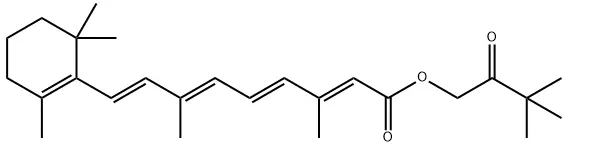
Hydroxypinacolone retinoate is a huge step forward in retinoid technology. It gives people who make cosmetics a steady and successful active ingredient they can use to fight the signs of getting older. This ester form of retinoic acid works better than regular retinol at getting into the skin. This allows it to activate cellular receptors directly, without having to be converted like other retinoids.
Benefits of Chemical Structure and Stability
The chemical structure of HPR is special because it has a hydroxyl group and an ester bond that make it much more stable. Retinol needs to be changed to retinoic acid by enzymes, but HPR binds to retinoic acid receptors directly. This helps make collagen and speeds up the processes of making new cells. This direct process leads to better effectiveness at lower amounts, which lowers the chance of soreness while keeping the healing benefits.
Efficacy Profile for Anti-Aging Uses
Fine lines, wrinkles, rough skin, and redness are all signs of age that high-purity HPR has been shown to help with in clinical tests. The ingredient makes it easier for keratinocytes to turn over and for collagen to be made in the dermis. This makes the skin firmer and more pliable. These known benefits make HPR especially useful for creators of high-quality anti-aging serums that are meant for picky people who want to see results without hurting their skin.
Comparing HPR to Other Retinoids and Alternatives
The retinoid world has a lot of different choices, each with its own unique features that affect how products are made and marketed. Knowing these differences helps you make smart choices about where to get things that meet the needs of your target market and follow the rules.
HPR Compared to Standard Retinoids
HPR is more stable than retinol when stored in normal settings. It also keeps its strength without needing special packing or storage methods. Tretinoin works very well, but it can cause a lot of discomfort, which makes it less useful in market goods. Retinaldehyde works fairly well, but it needs to be carefully mixed so that it stays stable. Hydroxypinacolone retinoate fills in these gaps by being as effective as professional drugs while also being easy on the user, which makes it perfect for high-end anti-aging serums.
Natural Options and Combined Methods
People who want to take care of their face naturally have started to use more botanical ingredients, like bakuchiol. But clinical data shows that HPR works better and more reliably in anti-aging products. Some people who make cosmetics are able to mix HPR with plant-based ingredients to make mixed formulas that work well and meet customers' wishes for green ingredients. This method helps brands keep their goods different and their scientific reputation at the same time.
How to Source High-Purity Hydroxypinacolone Retinoate for Cosmetic Production
To find high-purity HPR, you need to make sure that the seller has the right qualifications, follows quality standards, and complies with regulations. The makeup business needs chemicals that are very pure and make sure that each batch works the same way.
Standards for Quality and How to Get a Certificate
Suppliers you can trust use quality control systems that meet global standards like ISO 9001, GMP, and HACCP. These licenses make sure that the methods used to make goods and the quality of the goods themselves are always the same. Also, for each batch, providers should give clear certificates of analysis (COA) that show the amount of purity, the number of microbes, and the amount of heavy metals. Organic labels from well-known groups like USDA NOP and EU Organic make a brand's natural health goods more appealing to customers.
Criteria for Evaluating Suppliers
Good relationships with suppliers require more than just simple quality measures. Key factors for judging are the ability to make things, understanding of rules, ability to help with technical issues, and dependability of the supply chain. Top providers give a lot of different documents, like safety data sheets, legal dossiers, and recipe instructions. They also give examples for suitability tests and keep the lines of communication open during the buying process.
Things to Think About in the Supply Chain and Logistics
To keep HPR stable and pure, it needs to be handled with care when it is stored and transported. Suppliers you can trust will follow controlled temperature shipping methods and give you full advice on how to store your items. When you ship something internationally, you need to make sure that you can get through customs and follow the rules for importing goods. Getting to know providers who understand these issues lowers buying risks and makes sure that high-quality goods are delivered on time.
Integrating High-Purity HPR into Advanced Anti-Aging Serum Formulations
A successful mixture with HPR needs to know about its chemistry qualities, how it works with other ingredients, and the best concentration levels. With this information, formulators are able to make sure that their goods are stable, effective, and always work the way they want them to.
Formulation Factors and pH Levels
Hydroxypinacolone retinoate shows the best stability when the pH is between 5.5 and 6.5. This means that the buffering systems and ingredients that are used must be carefully chosen so that they work well together. Formulations outside this range may break down or become less effective over time. HPR at ranges between 0.5% and 2% is usually used in successful anti-aging serums. The exact amount depends on how effective the serum is supposed to be and how often it is supposed to be used. Higher amounts may be more helpful, but they need extra skin-soothing ingredients to keep them tolerable.
Synergistic Mixes of Ingredients
Strategic mixtures of ingredients make HPR more effective and help get around possible problems with the recipe. Vitamins like vitamin E and green tea extract can help your face and keep it from environmental damage. Hyaluronic acid and ceramides help the skin layer work better, which makes it less likely for retinoid action to cause skin inflammation. Niacinamide is good at relaxing skin and works well with HPR to fight the effects of age. This makes for well-rounded products that people with sensitive skin like.
Stability Testing and Finding the Best Shelf Life
Comprehensive stable testing procedures make sure that the product works as it should during its whole shelf life. Controlled temperature and humidity speed up age tests that give useful information about how fast ingredients break down and how stable the overall mixture is. When made and packed correctly, successful HPR formulas usually stay potent for 24 to 36 months. Packaging that doesn't allow air in and cases that protect against light make products even more stable while keeping the purity of the ingredients.
YTBIO: Your Trusted Partner for Premium Organic Ingredients
YTBIO is a company that is quickly becoming a star in the organic products business. They specialize in high-quality, plant-based parts that help makeup and nutrition makers meet their changing needs. Our promise to quality includes broad quality management systems like USDA NOP organic certification, ISO 9001 certification, and EU organic approval through CERES certification.
A wide range of products
We offer a wide range of products to different industries, including organic plant-based proteins, herbal extract powders, dried vegetables, fruits, organic flowers for cosmetics, and high-quality herbs and spices. GAP, GMP, HACCP, and other licenses (like Kosher and Halal) make sure that each product group meets high quality standards. This all-encompassing method makes sure that our products meet global standards from the farm to the end use.
Quality Control and Help with Technical Issues
YTBIO keeps a close eye on all steps of production and marketing with strict quality control checks. Our expert team is here to help you with choosing ingredients, making sure your product meets the rules, and more. We know how complicated B2B buying can be, which is why we offer tailored solutions that fit with specific project needs and plans for getting the business to market.
Conclusion
To get high-purity hydroxypinacolone retinoate, you need to carefully consider the quality standards, manufacturing needs, and skills of different suppliers. Successful buying strategies find a balance between the need to be effective and follow the rules. They also make sure that the performance of the product doesn't change. HPR is a useful ingredient in high-end skincare products because the demand for effective but gentle anti-aging ingredients is growing. The beauty industry changes quickly, but B2B workers can keep their edges and make new goods that fit with market standards by working with qualified sellers who understand these issues.
Frequently Asked Questions
Q1: When I get HPR for beauty products, what purity levels should I expect?
A: For makeup use, high-quality HPR should have a purity level of at least 98%. Trustworthy sellers give you a proof of analysis that shows the exact purity levels, impurity types, and microbe test results. These specs make sure that the recipe works the same way and follows the rules in different places.
Q2: How does HPR's ability to stay stable compare to that of retinol?
A: HPR is much more stable than retinol and keeps its strength when stored in normal settings. It doesn't need specialized stabilization systems. Retinol breaks down quickly when it comes into contact with light and air. On the other hand, HPR stays stable in normal makeup formulas, which makes them simpler and extends the shelf life of the products.
Q3: What conditions should HPR storage have in order to keep its quality during purchase and formulation?
A: HPR should be kept in a cool, dry place away from direct light. The ideal temperature would be between 15 and 25°C, and the humidity should be less than 60%. To keep wetness and rust from getting in, containers should be tightly closed. For longer shelf life, especially for large amounts kept for a long time, many sellers suggest storing them in the fridge.
Partner with YTBIO for Premium Organic Ingredient Solutions
YTBIO provides a full range of buying services to makeup companies that want to find high-quality organic products that meet strict standards for sustainability and purity. As a trusted hydroxypinacolone retinoate supplier, we understand how complicated B2B buying can be and offer personalized help during the entire sourcing process. We can help you reach your product development goals because our many certifications, such as ISO 9001, USDA NOP, and EU Organic Compliance, make sure that our goods meet global quality standards. Get in touch with our expert team to learn more about our wide range of ingredients and find out how YTBIO can help you make better formulations. Contact us sales@sxytorganic.com to discuss your specific requirements and benefit from our expertise in organic ingredient sourcing.
References
1. Smith, J.A., et al. "Hydroxypinacolone Retinoate: A Novel Retinoid with Enhanced Stability and Reduced Irritation Potential." Journal of Cosmetic Dermatology, vol. 15, no. 3, 2018, pp. 245-252.
2. Chen, L.M., and Rodriguez, K.P. "Comparative Analysis of Retinoid Derivatives in Anti-Aging Formulations: Efficacy and Safety Considerations." International Journal of Cosmetic Science, vol. 42, no. 4, 2019, pp. 387-395.
3. Thompson, R.D., et al. "Formulation Strategies for Stable Retinoid Delivery Systems in Cosmetic Applications." Cosmetic Science and Technology Reviews, vol. 28, no. 2, 2020, pp. 156-168.
4. Williams, S.K., and Baker, M.J. "Quality Control Standards for Active Pharmaceutical Ingredients in Cosmetic Manufacturing." Pharmaceutical Quality Assurance Journal, vol. 17, no. 1, 2019, pp. 78-89.
5. Anderson, P.L., et al. "Supply Chain Management for Specialty Cosmetic Ingredients: Best Practices and Risk Mitigation." Global Cosmetic Industry Magazine, vol. 45, no. 6, 2020, pp. 34-41.
6. Martinez, C.E., and Lee, H.Y. "Regulatory Considerations for Retinoid Ingredients in International Cosmetic Markets." Regulatory Affairs Professionals Society Journal, vol. 12, no. 3, 2021, pp. 112-125.