Sourcing Organic Hydrolyzed Rice Protein: Supplier Checklist
Organic hydrolyzed rice protein has become an important ingredient for people who care about healthy eating and creative food makers in the world of plant-based food. As demand for this valuable protein grows, businesses that want to meet market needs while keeping quality and sustainability in mind must find it quickly. This complete guide goes into detail about how to source organic hydrolyzed rice protein powder. It includes a strong checklist for suppliers to help you deal with common problems and make sure you get the best possible buying methods.
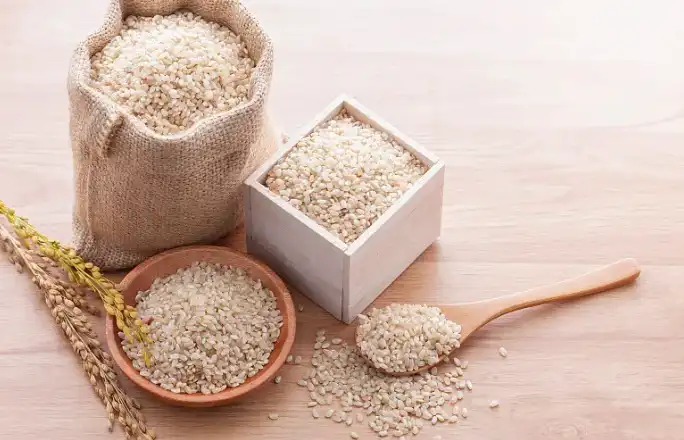
Everyday problems with finding a source for hydrolyzed rice protein powder
It can be hard to get hydrolyzed rice protein powder because there are a lot of problems that need to be carefully thought through and planned around. The first step to coming up with good buying methods is to know what the problems are.
Problems with Quality Consistency
One of the main problems with getting hydrolyzed rice protein powder is that the quality changes from batch to batch. The functional qualities, amino acid makeup, and protein level of a substance can have a big effect on how well it works and how much people like it. These variations are often caused by differences in rice types, growing conditions, and providers' preparation methods.
Problems in the supply chain
Global catastrophes including natural disasters, political upheaval, and pandemics may damage hydrolyzed rice protein powder supply chains. Delays, shortages, and increased pricing may result. Makers that require this substance may lose production planning and product supply.
Following the rules
Following organic license and food safety laws in various nations is another major issue. Making ensuring suppliers fulfill USDA National Organic Program (NOP) or EU organic requirements is difficult. Select and routinely verify suppliers.
Sustainability Worries
As people become more aware of environmental issues, the longevity of hydrolyzed rice protein production becomes more important. It is very important to get supplies from companies that use ecological farming methods, conserve water, and lower carbon emissions, but it can be hard to find and make sure those companies are doing what they say.
Today's standards for assessing suppliers of hydrolyzed rice protein powder
It's important to set a complete set of standards for testing if you want to find a good hydrolyzed rice protein powder. These guidelines are used to make sure that the product your company buys meets your company's standards and your customers' needs.
Quality Control Systems
It's important to check a supplier's quality assurance steps. Find providers who do very careful tests, like checking for protein levels, amino acids, microbes, heavy metals, and allergens. Each batch should come with a thorough Certificate of Analysis (CoA) from the supplier showing that it meets the standards and is of the same quality as previous batches. This makes sure that the product is safe and meets the standards it needs to meet.
Organic Traceability and Certification
Check to see if any possible sellers have organic approvals from organizations like USDA NOP, EU Organic, or similar standards. Also, check their tracking methods to make sure the whole supply chain, from growing rice to making the last protein powder, is open and honest.
How Much You Can Make and How Easily You Can Make More
Check the supplier's production ability to make sure they can meet your needs now and in the future. Think about whether they can increase production in response to market growth or yearly changes without affecting quality or delivery times.
New Technology
Suppliers who put money into new processing technologies often make better hydrolyzed rice protein powder that has better nutritional value and usefulness. Check how committed they are to research and development and how willing they are to work with you to make products better.
Sustainability Habits
Look at the supplier's efforts to be more sustainable, like how they save water, use energy-efficient processes, cut down on waste, and use sustainable packing. Suppliers that show they care about the environment use practices that are in line with the growing customer demand for eco-friendly goods. This makes them a better choice for companies that want to meet both social and market demands.
The main steps in getting hydrolyzed rice protein powder
A methodical approach is needed to get high-quality hydrolyzed rice protein powder so that the buyer's needs are met in every part of the buying process. If you follow these basic steps, you can make your buying efforts more efficient and find sources you can work with long-term.
Finding Suppliers and Doing Market Research
First, do thorough market study to find possible providers of hydrolyzed rice protein powder. Use industry records, go to trade shows, and use professional networks to make a first list of providers. Keep an eye on sellers who have a history of providing healthy products and those who focus on rice-based meats.
First Supplier Evaluation
Make a long questionnaire to rate possible providers using the review method you have created. This first test should look at the organic certifications, processing technologies, innovation capabilities, production capacity and facilities, as well as the sustainability practices, environmental policies, price structure, and minimum order quantities. Use this information to make your list shorter, but make sure you choose sources that fit your business wants and values.
Evaluation and Testing of Samples
Get product samples from sellers that are still in the running so you can make a final decision. Do internal tests or hire outside labs to check things like the amount of protein and the amino acid profile, how well it dissolves and works, how it tastes and its other sense qualities, and the levels of microbes and other contaminants. To find the best samples, which will help you make the best product, compare the results to the specs of your product and the standards of your business.
Quality verification of hydrolyzed rice protein powder suppliers
A very important step in the buying process is making sure that the hydrolyzed rice protein powder from possible sources is of good quality. Strong verification steps protect your goods and keep customers happy.
Facility Checks and On-the-Spot Audits
Do detailed on-site inspections of the shortlisted suppliers' production facilities to get an idea of the manufacturing processes and equipment, quality control labs and testing methods, storage and handling systems, employee training and hygiene standards, and documentation and record-keeping systems. If you see a supplier's operations firsthand, you can learn a lot about how much they care about safety, quality, and general working standards, which will help you make a good choice.
Third-Party Certifications
Verify that suppliers hold relevant third-party certifications, such as:
- ISO 9001 for quality management systems
- FSSC 22000 or BRC for food safety
- Organic certifications (USDA NOP, EU Organic)
- Non-GMO Project Verification
These certifications offer additional assurance of a supplier's adherence to international standards and best practices.
Continuous Monitoring and Performance Reviews
Implement a system for ongoing supplier performance monitoring, which may include regular quality checks on incoming shipments, periodic re-evaluation of certifications and documentation, annual supplier performance reviews, and collaborative improvement initiatives. Continuous monitoring helps maintain quality standards, ensures consistency, and fosters long-term partnerships with reliable suppliers, ultimately contributing to sustained success.
Strategic contexts for hydrolyzed rice protein powder procurement
A strategy plan for getting hydrolyzed rice protein powder is important for long-term success in the plant-based protein market. Think about these important situations so you can do a better job finding and stay ahead of the competition.
Looking at Market Trends
Keep up with the changing market trends in the plant-based protein industry. Keep an eye on customer tastes, new uses, and changes in rules that could affect the market for hydrolyzed rice protein powder. This information can help you plan how to get the materials you need, which will help you get ready for the future and change your relationships with suppliers.
Ways to Lower Risk
Make sure you have detailed plans for dealing with any problems that might happen in the supply line. Think about:
- Expanding your supply base across different areas
- Making long-term deals with important sources so that you can always get what you need
- Looking into other proteins sources as backup plans
- Putting in place inventory management tools to keep the right amount of extra stock on hand
- A strong risk management system helps businesses keep going and stay strong when unexpected problems occur
Working Together to Create New Things
Work together with suppliers on new ideas by working together on research and development projects to make protein more functional and nutritious, come up with new ways to process things for better quality, look into eco-friendly ways to package things, and make new product formulas to meet the needs of the growing market. Working together to come up with new ideas not only makes your products more unique but also gives you an edge over others in the market, helping you stay ahead of the trends in your field.
Conclusion
Getting organic hydrolyzed rice protein powder takes a complex method that focuses on quality, ecology, and long-term planning. If companies use a detailed supplier plan and do the steps that are laid out, they can get through the difficulties of buying and build strong relationships with trustworthy suppliers. The plant-based protein market is always changing. To keep up with what customers want and to be a leader in the field, companies will need to stay open and smart about where they get their supplies.
Frequently Asked Questions
1. When picking a seller of hydrolyzed rice protein powder, what are the most important things to think about?
When you choose a provider, the first things you should think about are whether they have organic approval, how they ensure quality control, how much they can produce, what they do to be sustainable, and how they innovate. Also, think about whether they can consistently supply high-quality products on time and at a low cost.
2. What can I do to make sure that hydrolyzed rice protein powder is organic?
Ask for and look over the organic certification papers from well-known groups like USDA NOP or EU Organic to make sure the product is organic. Also, ask about their tracking systems and do on-site checks to be sure they follow organic standards at every stage of production.
3. What tests should be done on samples of hydrolyzed rice protein powder?
Microbial testing, heavy metal screening, taste review, solubility tests, amino acid profile, and protein content analysis are all important tests for hydrolyzed rice protein powder samples. These tests make sure that the powder is what you want and is of high quality.
For high-quality hydrolyzed rice protein powder for sale, Work with YTBIO
YTBIO is a leader in making organic plant-based ingredients. Their hydrolyzed rice protein powder is better than others and meets the best quality and eco-friendliness standards. You will get a product that goes above and beyond what you expected because of our cutting-edge processing plants, strict quality control, and dedication to new ideas. When you get your protein powders from YTBIO, you can be sure that they are healthy and that your body will be able to absorb them well. These powders are backed by thorough certifications and expert knowledge in the field. Try YTBIO and make your plant-based goods better than ever. If you want to talk about your hydrolyzed rice protein powder needs and see how we can help your business grow, email us today at sales@sxytorganic.com.
References
- Johnson, A. R. (2022). "Advances in Rice Protein Hydrolysis: Techniques and Applications." Journal of Food Science and Technology, 59(4), 1123-1135.
- Smith, B. L., & Brown, C. D. (2023). "Organic Certification Standards for Plant-Based Proteins: A Global Perspective." International Journal of Organic Agriculture, 12(2), 78-92.
- Chen, X., et al. (2021). "Sustainable Production Methods for Rice Protein Isolates: Environmental Impact Assessment." Sustainability, 13(8), 4256.
- Williams, E. M., & Taylor, R. K. (2022). "Quality Control Measures in Plant Protein Manufacturing: Best Practices and Emerging Technologies." Food Quality and Safety, 6(3), 215-229.
- Rodriguez, S., et al. (2023). "Market Trends and Consumer Preferences in Plant-Based Proteins: A Five-Year Forecast." Plant-Based Business Journal, 8(1), 45-60.
- Lee, H. J., & Park, S. Y. (2022). "Supply Chain Resilience in the Plant-Based Protein Industry: Strategies for Mitigating Disruptions." Journal of Supply Chain Management, 58(2), 112-128.