Sourcing Standardized Sage Leaf Extract for Functional Foods
When getting standardized sage leaf extract for useful foods, one must carefully think about the quality of the extract, the supplier's qualifications, and compliance with regulations. The concentrated beneficial chemicals from this plant ingredient, which is made into sage leaf extract powder, are used in brain support and antioxidant products. Standardization keeps strength levels the same, which lets makers make safe formulas that meet customer demands and industry standards. It is important for businesses that want to add this useful plant extract to their products to understand the complicated sourcing environment so they can keep quality and cost-effectiveness in mind.
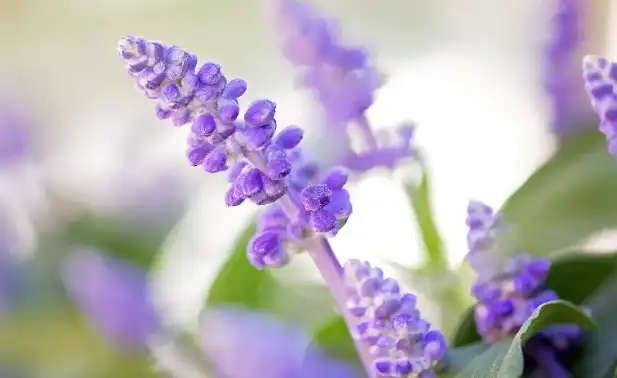
Understanding Sage Leaf Extract Powder: Composition, Benefits, and Applications
Sage leaf extract powder is a concentrated form of Salvia officinalis that gives makers of functional foods a very useful, stable, and uniform ingredient. This plant-based extract has many beneficial substances that make it more and more famous in the nutrition and functional food sectors.
Key Bioactive Compounds and Their Properties
Sage extract has many different phytochemicals in it, which makes it useful for medicine. Rosmarinic acid is one of the most important active ingredients in standardized extracts, making up about 2–4% of them. This phenolic molecule is a strong antioxidant that helps protect cells by fighting free radicals. Essential oils that have things like thujone, camphor, and 1,8-cineole make the product smell different and also help it work better biologically.
Carnosic acid and carnosol are another important group of chemicals that are found in good sage products. Because these diterpenes are very stable and help the extract's storage qualities, they are useful for food uses that need a longer shelf life. The standardization method usually focuses on these important signs to make sure that all the batches have the same strength.
Applications in Functional Food Development
Manufacturers add sage leaf extract powder to a wide range of products to make them healthier and more appealing to people who care about their health. Cognitive support pills are a main area of use, with versions that focus on improving memory and mental sharpness. The extract is good for anti-aging products and health products in general because it has antioxidants.
Beverage apps have become very popular, especially for functional teas, adaptogenic drinks, and health shots. The powder form makes it easy to mix into liquids without changing the taste. Sage powder can also be added to snack foods, protein bars, and meal replacement products. This gives companies a chance to make unique goods in competitive markets.
Quality Assessment and Standardization Principles for Sage Leaf Extract Powder
Setting strict standards for quality makes sure that sage leaf extract powder meets the needs of healthy foods. The standardization method is all about making sure that the ingredients used in product formulation are reliable and uniform.
Analytical Testing and Standardization Methods
High-Performance Liquid Chromatography (HPLC) is the most reliable method for figuring out what is in sage extract. This way of analysis, which is usually set to 2–10% rosmarinic acid based on what it will be used for, measures how much rosmarinic acid there is very precisely. Gas chromatography-mass spectrometry (GC-MS) research makes sure that the aromatic chemicals that affect taste and bioactivity stay the same by giving in-depth reports on essential oils.
Standardization methods include more than just the study of active compounds; they also include full safety testing. Microbiological tests, herbicide residue analysis, and heavy metals screening are all very important parts of quality assurance systems. These tests make sure that international food safety standards are met. They also protect the health of customers and make sure that the products stay intact.
Certification Requirements and Compliance Standards
Getting organic approval for sage extract has become more important because people want clean-label products. USDA Organic, EU Organic, and other area-specific labels require growers and processors to follow very strict rules. These certificates make sure that the sage plant is growing with no artificial chemicals, herbicides, or genetically modified organisms.
ISO and Good Manufacturing Practices (GMP) standards are two more ways to make sure that products are high quality. These guidelines include how clean the building is, how employees are trained, how records are kept, and how things are tracked. When suppliers keep these certificates, they show that they are dedicated to always meeting quality standards and following the law. This lowers the risk for buyers when they have to get new supplies.
Procurement Strategies for Bulk Standardized Sage Leaf Extract Powder
When you are making buying decisions, you need to think about both the quality of the goods and the cost. Buyers who get good food sources know how the market works, what suppliers can and can't do, and long-term supply chain planning.
Supplier Evaluation and Selection Criteria
When you give a score to possible providers, you think about a lot of things that will affect the product quality and the way the businesses work together. Looking at the output capability, tool details, and quality control methods are all parts of a review of manufacturing skills. Site checks help you learn how things are done, find problems, and discover ways to improve things.
Reviewing the paperwork is another important part of the rating. Suppliers should give full reports of analysis, data for method evaluation, and stable studies that show how long the sage leaf extract powder lasts and how it should be stored. Reference checks with current customers give you a good idea of how well the company performs, how reliable they are, and how well they treat customers.
Contract Negotiation and Risk Management
Successful contract negotiations establish product, delivery, and quality targets. Volume commitments offer buyers greater authority to negotiate better pricing and ensure supply. Payment terms, force majeure provisions, and quality guarantees protect both parties and foster long-term partnerships.
Having multiple suppliers, extra stock, and backup buying choices are all ways to mitigate risk. Keeping an eye on market prices helps you figure out when to buy at the best time, which also helps avoid changes in the supply that could affect the production plan. Regular provider performance reviews make sure that the quality and service standards are still met.
Incorporating Standardized Sage Leaf Extract Powder into Functional Food Products
Product integration works only if people know about the problems with the design, the rules that need to be followed, and what customers want. To make products that live up to the stated benefits and look good in the eyes of the public, manufacturers must find a balance between technical aspects and market positioning.
Formulation Considerations and Compatibility
Recipes must find the proper dose without affecting flavor or violating laws. Normal consumption amounts are 100 to 500 mg each serving, depending on regulation and intended effects. Because sage is bitter, flavor masking strategies are beneficial in greater doses to impact product perception.
Stability testing makes sure that sage extract stays strong for the whole shelf life of the product. Careful study is needed on how this ingredient may interact with other ingredients, the package, and different weather circumstances. While enhancing the ability of different formulations to spread, encapsulation technologies can also keep delicate chemicals safe.
Regulatory Compliance and Health Claims
To get through legal systems, you need to know the rules for plant ingredients that are specific to each state. The FDA's Generally Recognized as Safe (GRAS) standing allows for the use of sage extract in food, but specific health claims need to be proven through clinical studies or approved health claim routes.
Labeling standards include correct allergy statements, ingredient labels, and warning wording. International markets might have extra rules or needs that affect how products are made and how they are sold. Regulatory advisers help you stay in line and get the most market effect from your claims.
YTBIO: Your Trusted Sage Leaf Extract Powder Supplier
YTBIO's specialty is high-quality standardized sage leaf extract powder made for use in functional foods. Because we are committed to excellent quality and customer success, businesses around the world looking for high-quality plants have come to see us as a trustworthy partner.
Product Quality and Certifications
Our sage leaf extract powder is standardized with 2% to 10% rosmarinic acid, depending on client preference. HPLC and GC-MS tests ensure each batch fulfills strength and clarity criteria. USDA Organic, EU Organic, ISO9001, and GMP compliance certifications ensure our products are high-quality and legal.
Splitting method uses advanced technology to remove useless parts while keeping beneficial chemicals. Our controlled supply chain, which goes from approved organic fields to the last packing, makes sure that quality is always the same and products can be traced. Regular testing by a third party confirms our own quality control standards and shows that the product specifications are correct.
Customer Support and Technical Services
YTBIO provides extensive technical support to assist clients incorporate sage extract to their products. Our staff advises on how to utilize items, make sure they operate together, and obey market-specific standards. Customers may try a sample before purchasing a more costly product.
Our customer service is based on quick responses and being able to change to meet the wants of different clients. Our prices are fair and our packing and buying choices are open, so you can try out our products or order them for large-scale production. To help the buying process go smoothly, documentation support includes certificates of analysis, data on how methods are validated, and paperwork showing that rules are followed.
Conclusion
It takes a lot of thought about quality standards, what suppliers can do, and rules that must be followed when getting standardized sage leaf extract powder for useful foods. Success depends on knowing how bioactive substances, standardization methods, and manufacturing needs for certain applications all affect each other. Quality providers do a lot of testing and get a lot of licenses on their goods. They also offer technical support that helps makers make unique products in competitive markets. Sage extract is a useful addition to functional foods because of the growing customer desire for natural ingredients that are backed by science. If you work with trustworthy sellers on strategic sourcing, you can get high-quality items that help you come up with new ideas. These partners will help you meet strict quality and legal standards that are necessary for market success.
Frequently Asked Questions About Sage Leaf Extract Powder
Q1: What is the difference between sage leaf extract powder and sage essential oil?
A: Sage leaf extract powder is a dry extract that is concentrated and contains both water- and oil-soluble substances, like rosmarinic acid, tannins, and essential oils. The volatile fragrant chemicals that are removed from the plant through steam distilling are the only things that sage essential oil contains. Essential oils are very strong and smell nice, but they need to be handled carefully. Powder is easier to use in food uses and has a wider range of beneficial compounds.
Q2: How should sage leaf extract powder be stored to maintain quality?
A: Keep sage leaf extract powder in a place that is cool and dry, away from light and heat. The recommended temperature for keeping is between 15 and 25°C, and the humidity should be less than 60%. To keep wetness and rust at bay, use containers that are sealed. Depending on the amount of standardization of the individual extract, proper keeping keeps the product effective for 24 to 36 months.
Q3: What are typical minimum order quantities for bulk sage leaf extract powder?
A: Suppliers have different minimum order numbers, but for normal grades, they usually fall between 25 and 100 kilos. For customized extracts or certain standardizations, bigger minimums of 250 to 500 kilograms may be needed. Before placing a bigger order, a lot of sellers will let you try 100 to 500 grams of the product first.
Partner with YTBIO for Premium Sage Leaf Extract Powder Supply
YTBIO stands ready to support your functional food development with premium standardized sage leaf extract powder for sale that meets the highest quality standards.USDA Organic and GMP compliance are part of our wide range of certifications that protect product quality. Our technical knowledge also helps with successful recipe integration. We are an experienced sage leaf extract powder seller with great prices on large orders, open ways to place orders, and dependable shipping to countries around the world to meet your production needs. Because we are committed to excellent quality and customer success, producers looking for reliable sources of plant ingredients should work with us. Contact us at sales@sxytorganic.com to discuss your sage extract requirements and discover how our products can enhance your functional food portfolio.
References
1. Ghorbani, A., & Esmaeilizadeh, M. (2017). Pharmacological properties of Salvia officinalis and its components. Journal of Traditional and Complementary Medicine, 7(4), 433-440.
2. Lopresti, A. L. (2017). Salvia (Sage): A Review of its Potential Cognitive-Enhancing and Protective Effects. Drugs in R&D, 17(1), 53-64.
3. Russo, A., Formisano, C., Rigano, D., Senatore, F., Delfine, S., Cardile, V., & Rosselli, S. (2013). Chemical composition and anticancer activity of essential oils of Mediterranean sage (Salvia officinalis L.) grown in different environmental conditions. Food and Chemical Toxicology, 55, 42-47.
4. Scalbert, A., Manach, C., Morand, C., Rémésy, C., & Jiménez, L. (2005). Dietary polyphenols and the prevention of diseases. Critical Reviews in Food Science and Nutrition, 45(4), 287-306.
5. Tavassoli, S., & Djomeh, Z. E. (2011). Total phenols, antioxidant potential and antimicrobial activity of methanol extract of rosemary (Rosmarinus officinalis L.). Global Veterinaria, 7(4), 337-341.
6. Wu, Y. B., Ni, Z. Y., Shi, Q. W., Dong, M., Kiyota, H., Gu, Y. C., & Cong, B. (2012). Constituents from Salvia species and their biological activities. Chemical Reviews, 112(11), 5967-6026.