Top Applications of CGF in Premium Nutraceutical Blends
Chlorella Growth Factor is a big step forward in the development of nutraceutical ingredients. It gives producers great chances to make high-quality products that stand out in the crowded wellness industry today. This bioactive extract has amazing capabilities that help cells grow again, which makes it an essential part of sophisticated nutritional supplements. Chlorella growth factor is becoming a key element in many new health and wellness products because more and more people want plant-based substances that are supported by science.
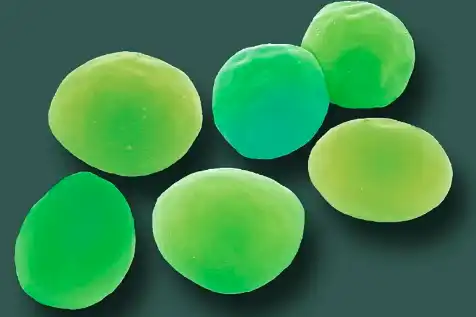
Understanding Chlorella Growth Factor (CGF) and Its Nutraceutical Potential
Chlorella Growth Factor is a big step forward in the development of nutraceutical ingredients. It gives producers great chances to make high-quality products that stand out in the crowded wellness industry today. This bioactive extract has amazing capabilities that help cells grow again, which makes it an essential part of sophisticated nutritional supplements. Chlorella growth factor is becoming a key element in many new health and wellness products because more and more people want plant-based substances that are supported by science.
Unique Composition and Bioactive Components
CGF is different from other algae-based components since it has a lot of nucleotide compounds and growth-promoting factors in its chemical structure. Studies show that CGF has RNA, DNA fragments, and certain peptides that help it work biologically. These parts work together to help cells metabolize and encourage healthy tissue regeneration.
Scientific Evidence Supporting CGF Applications
Several studies have shown the advantageous impacts of chlorella extracts on several health metrics. Studies published in nutrition journals show that chemicals produced from chlorella may help the immune system and protect cells from damage. Studies in the lab reveal that CGF protects cells and may help keep inflammatory responses healthy.
Comparison with Other Algae Extracts
Spirulina and other algae are good for your health, but CGF has concentrated bioactive substances that are known to help cells grow again. The extraction technique for CGF separates growth-promoting elements that are found in lesser amounts in whole algae products. This concentration makes CGF very useful for high-end nutraceutical products where strength and effectiveness are very important.
Top 5 Applications of CGF in Premium Nutraceutical Blends
Chlorella growth factor may be used in many different types of nutraceuticals since it is so flexible. Each use of CGF takes use of its unique qualities to meet different health and wellness demands. These are the top uses that show CGF's business potential:
Skin Health and Beauty Formulations
The reason CGF is used in skin health products is because it helps the body make collagen and rejuvenate cells. To help with aging and make skin seem healthy, beauty supplement makers include CGF to their best mixes. The nucleic acids in CGF may help keep skin flexible and help the skin heal itself. Combining CGF with vitamins C and E and hyaluronic acid makes the product work better by working together.
Hair Growth and Scalp Health Products
CGF's ability to nourish hair follicles is a big plus for the hair care supplement industry. To provide complete hair health formulas, manufacturers mix CGF with biotin, saw palmetto, and keratin precursors in unique ways. CGF's growth factors may assist hair follicles become stronger and promote healthy hair growth cycles. People who want natural options for hair health problems like these products.
Immune Support and Antioxidant Blends
CGF is useful for immune support formulations because it can change how the immune system works. Chlorella growth factor has bioactive substances that may help regulate the immune system and protect cells from oxidative stress. To make strong immune health products, manufacturers mix CGF with other immunity-boosting substances including elderberry, zinc, and vitamin D. CGF's antioxidant qualities work well with other protecting chemicals to make the whole composition more effective.
Detoxification and Liver Support Products
The detoxification supplement category uses CGF's ability to regenerate cells to help the liver work better and the body as a whole detoxify. The nutrients in CGF may help the body's natural cleaning processes. Formulations that include CGF, milk thistle, N-acetylcysteine, and alpha-lipoic acid are widely used to make liver support products. These mixtures are popular with health-conscious people who want help detoxing naturally.
Energy and Sports Nutrition Applications
Sports nutrition companies know that CGF may help cells generate energy and recuperate. The growth factors in CGF may help mitochondria work better and help the body use energy in a healthy way. Performance-focused formulations mix CGF with creatine, B-vitamins, and adaptogenic botanicals to make supplements that help you recover and get more energy. These all-in-one formulas are popular with athletes and fitness fans since they help with all aspects of performance.
How to Source and Integrate High-Quality CGF into Nutraceutical Products
When adding chlorella growth factor to nutraceutical goods, it's important to pay close attention to how you get it and how you make it. Quality assurance starts with choosing reliable suppliers that follow the same production standards all the time and provide you all the paperwork you need.
Essential Quality Criteria for CGF Sourcing
For premium CGF procurement, you need organic certification, third-party testing for purity, and specified potency levels. Suppliers should provide you certifications of analysis that show the levels of heavy metals, microbes, and active compounds in the product. Consistency from batch to batch makes sure that the product works as promised and that customers are happy. Manufacturing facilities should maintain their GMP accreditation and implement stringent quality control rules at every stage of the manufacturing process.
Formulation Considerations and Compatibility
To integrate CGF, you need to know about how well ingredients work together and how stable they are. Chlorella growth factor's bioactive chemicals stay stable when stored correctly, however they may need to be protected from too much heat and light. Formulation scientists need to think about the pH level, the amount of moisture, and how the chemicals could react with each other. Encapsulation technology can keep CGF's bioactive chemicals safe while making sure that the end product has the best bioavailability.
Dosage Guidelines and Safety Considerations
Depending on the use and the group of people being targeted, effective CGF doses usually range from 50 to 200 milligrams per serving. Studies show that lesser dosages may work for general health purposes, while greater doses may be better for specific formulations. Studies on safety show that CGF is safe to use as advised. Manufacturers should provide clear instructions on how to use their products and suggest that those with special health problems go to a doctor.
Market Trends and Competitive Advantages of Using CGF in Nutraceuticals
The nutraceutical industry's move toward plant-based substances that have been scientifically proven opens up a lot of possibilities for CGF-based products. People are becoming more conscious of cellular health and regenerative nutrition, which is driving up the market for complex nutrients like chlorella growth factor.
Growing Market Demand for Advanced Algae Ingredients
Market research shows that the algae-based supplement market is growing quickly, especially for concentrated extracts and bioactive chemicals. The markets in North America and Europe are becoming more open to high-priced items that have better ingredient profiles. The clean label movement likes chemicals like CGF that provide many advantages without the use of synthetic additives or artificial components.
Regulatory Landscape and Compliance Considerations
As an ingredient in dietary supplements, CGF is well-regarded by regulators in several key markets. The FDA says that chlorella and its extracts are generally regarded as safe (GRAS) for use in food and supplements. European rules also allow CGF to be used in food supplements as long as the label and dose are correct. Manufacturers must make sure that they follow local rules for health claims and ingredient lists.
Competitive Differentiation Strategies
CGF lets products stand out from the crowd in a number of ways, such as by framing them as premium, backing them up with science, and using innovative formulation methods. Brands use CGF's ability to regenerate cells to provide unique marketing messages that appeal to health-conscious customers. The ingredient's adaptability lets companies come up with new ideas for a wide range of products, which helps them reach more customers.
YTBIO: Your Trusted Partner for Premium Chlorella Growth Factor
YTBIO is a top provider of high-quality chlorella growth factor, providing nutraceutical firms all over the globe with great service and products. We make sure that every batch of CGF fulfills the highest industry standards for purity, potency, and consistency by using a thorough method for acquiring and processing ingredients.
Quality Assurance and Certifications
Our CGF products are certified organic by both USDA NOP and European Union standards, which means they meet the highest organic standards. YTBIO is both ISO9001 certified and CERES organic verified, which shows that we are committed to quality control at every stage of the supply chain. To make sure that the products are safe and of high quality, every batch is put through strict third-party testing for heavy metals, pesticide residues, and microbiological contamination.
Technical Support and Formulation Assistance
YTBIO offers complete technical assistance to help manufacturers effectively add CGF to their products. Our team of experts on ingredients can help you figure out the best dose, verify the stability, and check for compatibility. We work closely with R&D teams to come up with tailored solutions that satisfy the needs of the product and the rules that apply to it.
Global Supply Chain Excellence
Our well-organized logistics network makes sure that CGF goods are delivered on time to manufacturers in North America, Europe, and other parts of the world. YTBIO has appropriate amounts of inventory on hand to accommodate both big production runs and smaller development batches. Our minimum purchase numbers are flexible enough to meet the demands of both well-known brands and new businesses.
Conclusion
Chlorella Growth Factor is a great chance for nutraceutical companies who want to make high-quality products that fulfill changing customer needs. The scientific proof that CGF can help cells grow again, together with its ability to be used in many other types of products, makes it an important part of new formulations. To successfully integrate CGF, you need to pay close attention to where you get it, how you make it, and if it meets all the rules. As more and more people want scientifically proven plant-based components, CGF gives businesses an edge by letting them set their products apart and charge more for them.
Frequently Asked Questions
Q1: What is the recommended dosage range for CGF in nutraceutical formulations?
A: Current research and industry standards show that the best CGF doses are usually between 50 and 200 mg per serving. The best dose depends on the use, the people who will be using it, and how it will be mixed with other chemicals. For general health supplements, dosages of 50 to 100 mg are frequently enough. For more specific uses, larger concentrations may be better. When deciding on the right dose levels, always talk to formulation specialists and think about regulatory standards.
Q2: How does CGF differ from regular chlorella powder in terms of bioactivity?
A: CGF is a concentrated extract that separates the most bioactive chemicals from chlorella, such as nucleic acids, growth factors, and some peptides. Whole chlorella powder is good for your health in general, but CGF focuses on the substances that help cells develop and repair themselves. This method makes CGF more potent per milligram than entire chlorella, which makes it better for high-end nutraceutical uses where space and dose are crucial.
Q3: What storage and stability considerations should manufacturers consider for CGF?
A: CGF is most stable when it is kept cold, dry, and out of direct sunlight. It is best to store bioactive substances in sealed containers with desiccants since they are sensitive to too much heat and moisture. When kept properly, they usually last 18 to 24 months. Manufacturers want to do accelerated stability testing to ascertain the ideal storage conditions for their particular compositions and packaging methods.
Partner with YTBIO for Premium Chlorella Growth Factor Solutions
YTBIO invites nutraceutical manufacturers to explore the exceptional potential of our premium chlorella growth factor for your next product innovation. Our certified organic CGF combines superior quality with competitive pricing, backed by comprehensive technical support and reliable global distribution. Whether you're developing skin health formulations, immune support products, or sports nutrition blends, our team provides the expertise and flexibility to support your success. As a trusted chlorella growth factor supplier, we offer sample quantities for initial testing and scale up to meet your production requirements. Ready to enhance your formulations with premium CGF? Contact us at sales@sxytorganic.com to discuss your specific needs and discover how YTBIO can accelerate your product development timeline.
References
1. Merchant, R.E., Andre, C.A., & Sica, D.A. (2002). Nutritional supplementation with Chlorella pyrenoidosa for mild to moderate hypertension. Journal of Medicinal Food, 5(3), 141-152.
2. Hasegawa, T., Kimura, Y., Hiromatsu, K., & Kobayashi, N. (1997). Effect of hot water extract of Chlorella vulgaris on cytokine expression patterns in mice with murine acquired immunodeficiency syndrome. Immunopharmacology, 35(3), 273-282.
3. Queiroz, M.L., Rodrigues, A.P., Bincoletto, C., Figueiredo, C.A., & Malacrida, S. (2003). Protective effects of Chlorella vulgaris in lead-exposed mice infected with Listeria monocytogenes. International Immunopharmacology, 3(6), 889-900.
4. Tanaka, K., Yamada, A., Noda, K., Hasegawa, T., Okuda, M., Shoyama, Y., & Nomoto, K. (1998). A novel glycoprotein obtained from Chlorella vulgaris strain CK22 shows antimetastatic immunopotentiation. Cancer Immunology, Immunotherapy, 45(6), 313-320.
5. Lee, S.H., Kang, H.J., Lee, H.J., Kang, M.H., & Park, Y.K. (2010). Six-week supplementation with Chlorella has favorable impact on antioxidant status in Korean male smokers. Nutrition, 26(2), 175-183.
6. Miyazawa, Y., Murata, Y., Hanada, K., Kametani, F., & Aida, K. (2008). Oral administration of Chlorella vulgaris augments concomitant antitumor immunity. Immunopharmacology and Immunotoxicology, 10(3), 329-338.