Pure Vanillin Powder
Specifications: 99%
CAS: 121-33-5
Appearance: White Powder
Storage Conditions: Cool And Dry Place
Solubility: Soluble In Water
Shipping Speed:3-5 days
Certifications: ISO9001,ISO22000,Kosher,Halal,FSSC22000
- Fast Delievery
- Quality Assurance
- 24/7 Customer Service
Product Introduction
High-Quality Vanillin Powder 99% Supplier
YTBIO offers 99% Pure Vanillin Powder, characterized by high purity, pure aroma, and good stability. Our vanillin is suitable for various product development needs in food, beverages, health products, and flavorings.We have passed international certifications such as cGMP, BRC, HALAL, KOSHER, ISO9001, and ISO22000,support sample testing and flexible MOQ.
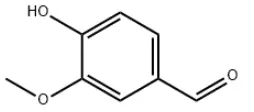
What is Vanillin Powder?
Vanillin, chemically known as 3-methoxy-4-hydroxybenzaldehyde, has a vanilla aroma and a rich, creamy fragrance. Originally extracted from vanilla bean (a member of the Rutaceae family), most vanillin is now synthetically produced. Its uses are extensive, including as a flavoring agent, flavoring agent, or fixative in the food, daily chemical, and tobacco industries. It is the most widely used flavoring agent in food and beverages and can be used as a substitute for vanilla extract, providing a similar aroma and taste.
Based on extensive data and related research, the reasonable use of vanillin is safe. As a food additive, vanillin has undergone standardized and scientific food safety risk assessments, and its use in accordance with relevant standards will not harm human health.
Product Features
High Purity: Purity reaches over 99%, with stable aroma.
Flavor: Mild and natural vanilla aroma, which helps improve the overall flavor.
Formulation Compatibility: Can be used with sweeteners, fruit powders, plant extracts, proteins, and other ingredients.
Stability: Suitable for baking, heat processing, and other production processes.
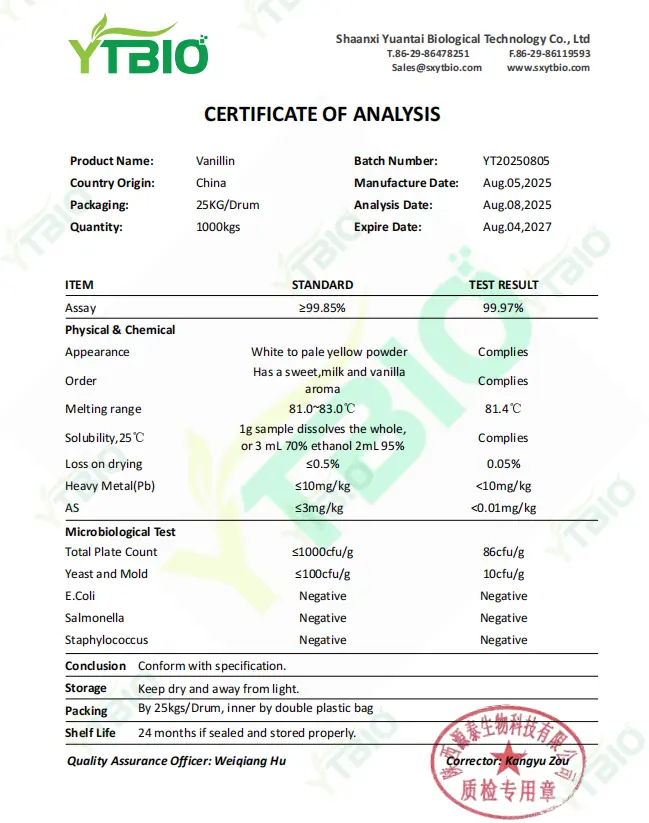
Test Report
What Is The Source?
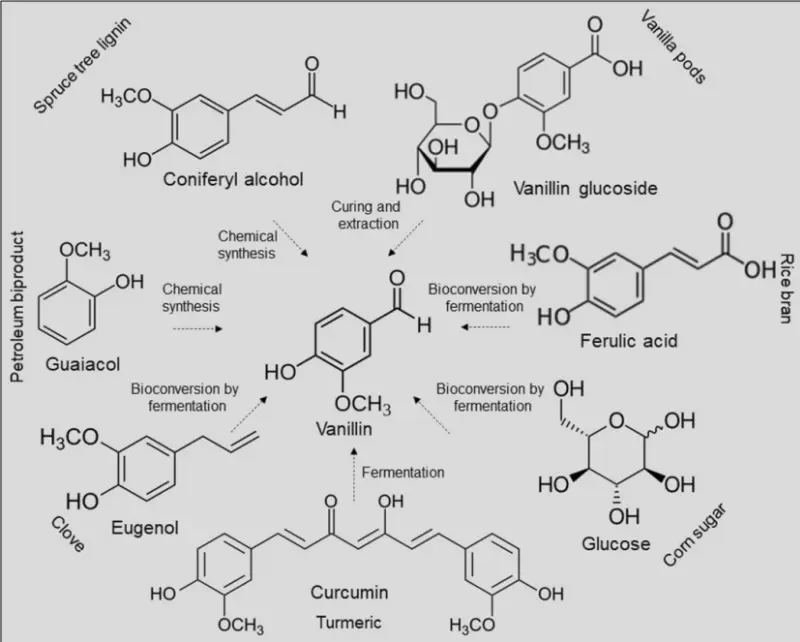
Generally, Pure Vanillin Powder comes from three sources, namely natural, chemical/synthetic, and biotechnologically prepared. Depending on the source and the synthesis process, vanillin can be classified as natural or synthetic. Among them, natural and biotechnologically produced vanillin (with ferulic acid as the substrate) are considered food-grade additives by most food safety authorities in the world.
Natural cultivation
Vanillin is naturally extracted from the vanilla pod extracts of Vanilla scutellaria, Vanilla tahitian, and Vanilla velvet, which are the main sources of vanillin to date. Commercial extraction methods for vanillin include Soxhlet, supercritical fluid extraction (SCEF), microwave and ultrasound-assisted extraction, enzymatic extraction, solid phase extraction, and two-phase acoustic electroanalysis. Natural vanillin is the most expensive form, with a cost close to $1,200 to more than $4,000 per kilogram.
Chemical synthesis
Compared to natural vanillin, chemically synthesized vanillin is much cheaper ($15 per kilogram), however, it is labeled as artificial vanillin, which has caused negative consumer sentiment. Various substrates have been tried to synthesize synthetic vanillin, such as lignin, guaiacol, 4-hydroxybenzaldehyde, 3-bromo-4-hydroxybenzaldehyde, 3-methoxy-4-hydroxybenzyl alcohol, cow dung, and lignin-rich crop residue wastes, with varying success.
Biotechnology
Bioengineering is a modern approach to the production of vanillin. Genetic engineering of various proprietary bacterial and fungal strains using a range of starting materials such as ferulic acid, eugenol, isoeugenol, and glucose. In addition, protein-enzymatic synthesis of vanillin using Nocardia and white-rot basidiomycetes has also been reported. Genetically engineered plants or plant cell cultures producing vanillin have been proposed as future alternatives for the production of vanillin and to increase its commercial and medical applicability.
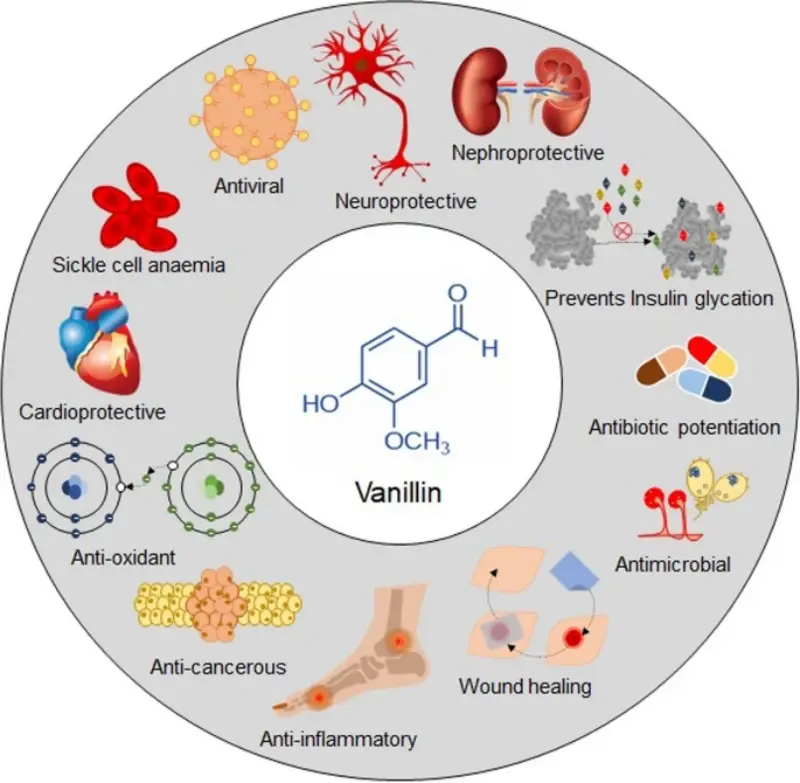
What Are The Health Benefits?
Vanillin has a special aroma, which can increase appetite and improve the situation of loss of appetite. After eating in moderation, it can supplement the body with the nutrients it needs and promote gastrointestinal motility.
It is rich in dietary fiber, which can promote gastrointestinal motility, promote metabolism in the body, and promote digestion to a certain extent. If there are discomfort symptoms caused by diseases such as indigestion, you can eat vanillin appropriately to improve it.
It has a certain irritation, and to a certain extent, it can also achieve the effect of refreshing the mind, which is suitable for people who are tired.
It contains a certain amount of formaldehyde, has a certain anti-inflammatory effect, and also has the effect of sterilization and anti-inflammatory. It can be used to improve the discomfort caused by diseases such as gingivitis and periodontitis.
It also has a certain blood pressure lowering effect and the effect of preventing cardiovascular and cerebrovascular diseases. It is suitable for patients with hypertension, hyperlipidemia and other diseases.
The Role of Vanillin in Food Storage and Preservation
1. Antibacterial Activity
Vanillin possesses antibacterial activity, inhibiting both bacteria and yeasts, with a particularly significant inhibitory effect on *E. coli*. Its antibacterial ability is influenced by concentration and pH; generally, higher concentrations and more acidic environments result in better antibacterial effects.
2. Antioxidant Activity
Vanillin exhibits antioxidant capacity, helping to delay the oxidative rancidity of oils and fats, while also improving and masking off-odors caused by oxidation.
3. Stabilizing Food Components
Vanillin not only provides aroma but also helps reduce the loss of volatile components such as natural flavorings. It can also form stable systems with other substances.
Production Of Vanillin
Ferulic acid as substrate
Ferulic acid exhibits conformational similarity with vanillin and is widely used as a precursor substrate for Pure Vanillin Powder production. Several microorganisms, such as Pseudomonas, Mycobacterium, and Streptomyces, as well as various fungi, have been used to produce vanillin. Pycnoporus vermilioni, a white rot fungus, has been suggested as a potential candidate for the production of vanillin using ferulic acid.

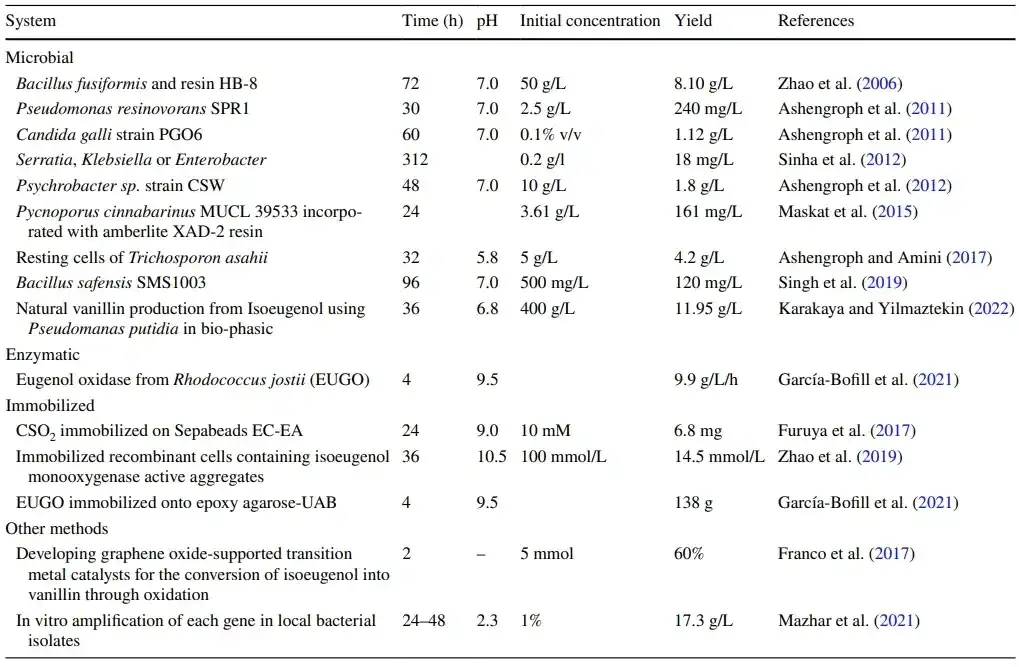
The key enzyme in the enzymatic synthesis of vanillin is feruloyl esterase, whose main function is to catalyze the hydrolysis of the ester bond in ferulic acid, releasing vanillin and other related byproducts. By exploring the ideal number of vanillin biosynthetic enzymes in a cell-free system, researchers developed an improved recombinant Escherichia coli strain, and this enhanced whole-cell catalyst exhibited the ability to convert ferulic acid (20mM) to vanillin (15mM). Immobilization of microbial cells has attracted attention due to its excellent biocompatibility and ability to achieve stability under various conditions. A new immobilization technology for the synthesis of vanillin from ferulic acid has been developed, eliminating the need for coenzymes. The artificial pathway included a coenzyme-independent decarboxylase and a coenzyme-independent oxygenase responsible for the conversion of ferulic acid to vanillin. After ten reaction cycles, the co-immobilization of FDC and CSO2 enabled the system to produce 2.5 mg of vanillin from ferulic acid, marking a pioneering example of vanillin production via immobilized enzyme biotechnology.
Eugenol/isoeugenol as substrates
Eugenol biotransformation to produce vanillin and its related metabolites has been found to have a variety of applications and significant economic value. Several research efforts have been conducted to explore the synthesis of vanillin from eugenol using transgenic and natural microorganisms. The degradation of eugenol has been observed in various bacteria and fungi, including but not limited to Corynebacterium, Pseudomonas, Penicillium, and Rhodococcus, which have shown their potential to degrade eugenol.
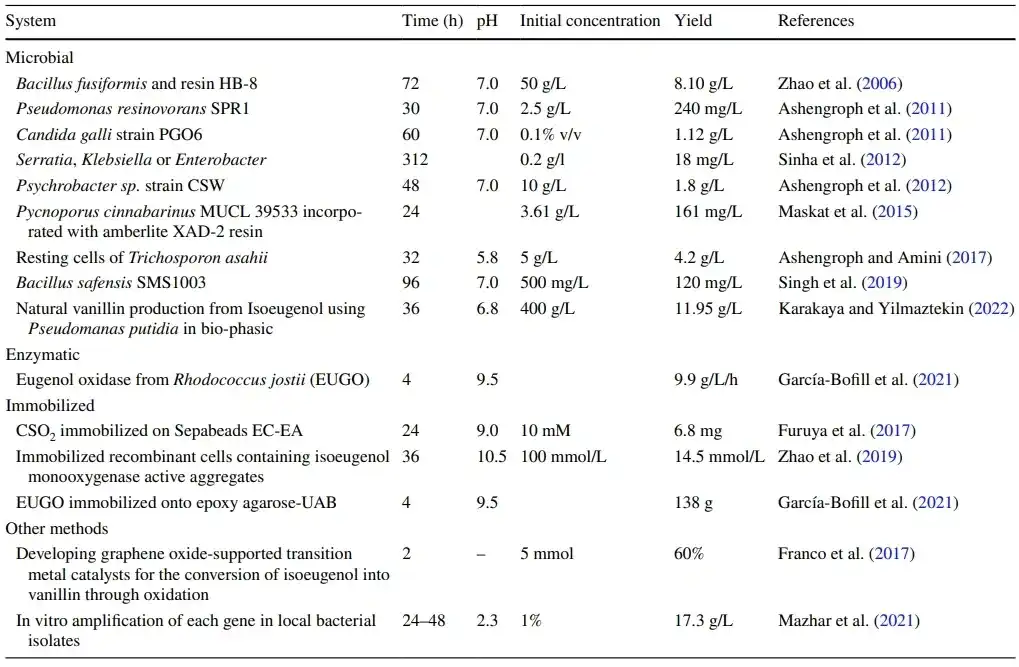
The utilization of eugenol oxidase (EUGO) as an enzyme for the production of vanillin in an industrial setting shows great potential. EUGO exhibits stability and activity over a wide pH range. According to one study, when soluble EUGO was used, the increased activity reduced the reaction time to 4 hours. Furthermore, the use of immobilized EUGO allowed the biocatalyst to be recycled in up to 18 reaction cycles, resulting in a more than 12-fold increase in biocatalyst yield. Immobilized enzyme CSO2 can likewise be used to promote the conversion of isoeugenol to vanillin without relying on coenzymes.
Other Substrates
Vanillic acid, which can be produced as a byproduct during lignin decomposition or as a competing component in metabolic pathways through chemical or biosynthetic approaches, is widely considered to be a key precursor for the bioproduction of vanillin. Improving the efficiency of the reduction process that converts vanillic acid to vanillin can potentially increase the yield of vanillin production. Vanillic acid has the ability to undergo oxidative decarboxylation, leading to the formation or reduction of methoxyhydroquinones, producing vanillin and vanillyl alcohol, and is an easily accessible and abundant substrate for the biocatalytic synthesis of vanillin.
Phenylpropanoids are a unique group of compounds that play a key role in plant growth, development, and plant-environment interactions. These compounds are synthesized via the shikimic acid pathway, utilizing phenylalanine or tyrosine, two aromatic amino acids found in specific plant species. The amino acids phenylalanine or tyrosine undergo deamination to produce C6-C3 phenylpropanoid compounds, which are precursors for vanillin production. Immobilization systems can effectively promote vanillin production from C6-C3 phenylpropanoid compounds.
What Are The Applications Of Vanillin?
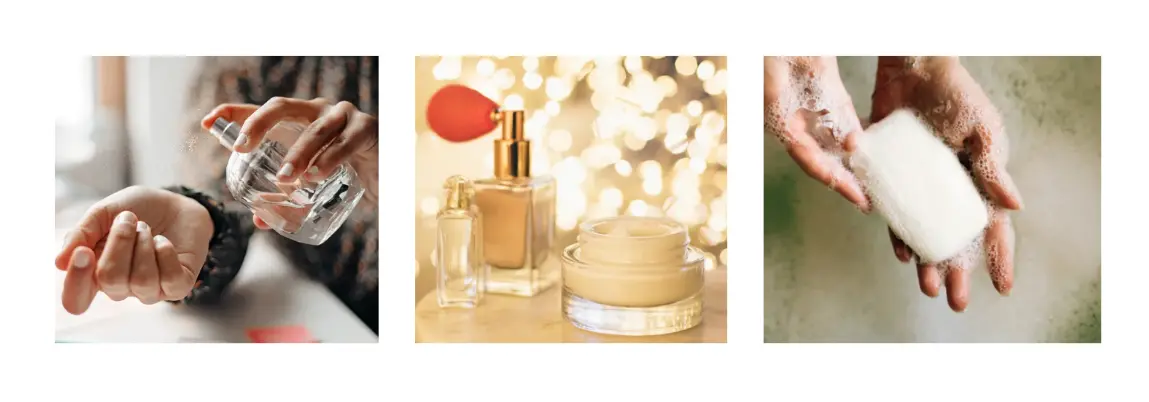
It is the world's most widely used flavoring agent, extensively used in the production of various foods, perfumes, cosmetics, personal care products, and pharmaceuticals.
Food Flavor Enhancer
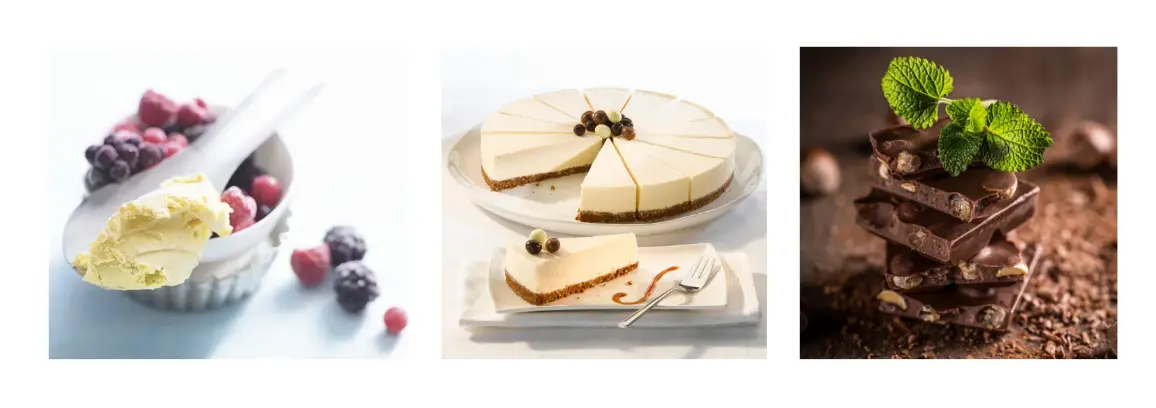
Vanillin is commonly used as a flavor enhancer to improve the flavor of foods such as candies, ice cream, dairy products, chocolate, and baked goods.
Flavor Masker
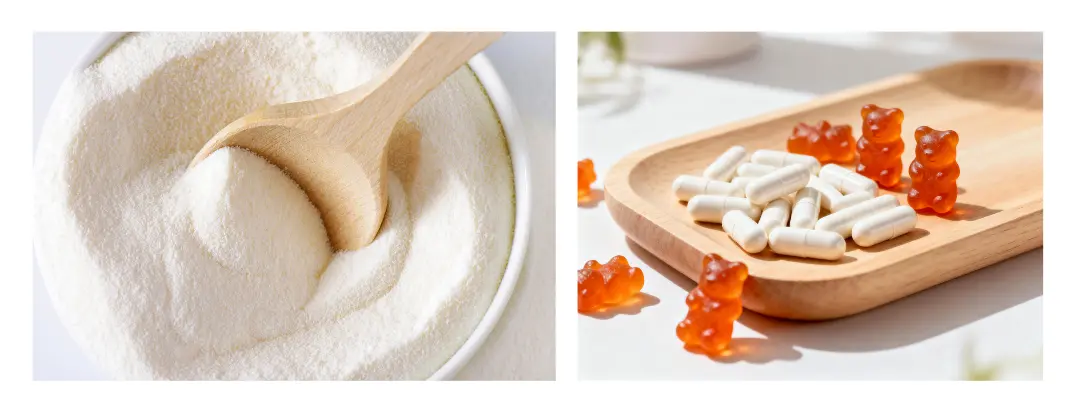
It can mask the bitterness of proteins or high-intensity sweeteners. Therefore, it can be used in high-protein foods for weight management and sports nutrition.
Cosmetics
It can be added to cosmetics, perfumes, soaps, and toothpaste to give them a special fragrance.
Others
It is used in the production of pharmaceutical intermediates, as well as in plant growth promoters, bactericides, lubricant defoamers, electroplating brighteners, and conductive agents in printed circuit board production.
Note: Vanillin is more stable in acidic, low-temperature environments, and is less prone to volatilization and degradation. However, it is more susceptible to oxidation, decomposition, and aroma loss in alkaline, high-temperature, or ammonia-containing environments. Ammonia (such as that produced when vanilla pods rot) has the greatest impact, as it both raises the pH level and disrupts the stability of vanillin in water, thus accelerating its loss. Therefore, during production, storage, and processing, it is essential to maintain low temperatures, avoid light, and maintain slightly acidic conditions to better preserve flavor and quality.
Contact Us
Whether you need Pure Vanillin Powder raw materials or are looking to develop nutritional supplements, YTBIO offers a one-stop solution from raw material supply to OEM/ODM production.
Contact us now for product information, samples, and a personalized quote.
Tel:86-029-86478251 / 86-029-86119593
Whatsapp:8617782577059
Email:sales@sxytorganic.com
Hot Tags: Bulk Vanillin Powder,Pure Vanillin Powder, Natural Vanillin Powder, Supplier, Manufacturer, Factory, Buy, Price, For Sale, Producer, Free Sample, OEM, ODM, Private Label, White Label.