Guide to Adding Lutein into Premium Nutraceutical Lines
Adding lutein to high-end nutrition lines is a smart move for companies that want to cash in on the rising demand for eye health vitamins. It helps protect the macular and stops blue light harm. When people who work in B2B procurement know everything there is to know about the product formulation, from bioavailability issues to regulatory requirements, they can make competitive products that meet changing consumer needs while still meeting the highest quality standards needed to position themselves in the premium market.
Understanding Lutein and Its Benefits for Nutraceutical Products
One of the strongest xanthophyll pigments that can be found in nature is called lutein. Since our bodies can't make it on their own, we need to get it from food. The yellow material naturally builds up in the retinal tissue, mostly in the macula lutea. There, it forms an important part of macular pigment with zeaxanthin. This group of carotenoids is put in the eye's tissue in a way that protects against harmful high-energy blue light bands and the oxidative stress they cause.
The Science Behind Lutein's Protective Mechanisms
Researchers say that the product is a very strong antioxidant because of the way its molecules are organised, which makes it easy for it to get through cell walls. The product can protect cell structures from reaction risks inside and outside the cell because it is lipophilic. Because it can get rid of peroxide free radicals and improve direct antioxidant activity, the substance is very good at helping older people who have trouble seeing. Since the important AREDS II study, which showed big benefits for people with intermediate age-related macular degeneration, there is a lot more clinical evidence from real people that the product works. Higher amounts of macular pigment optical density were found in people who took the product and zeaxanthin pills. This means that they may have been better able to protect their eyes from photochemical damage.
Expanding Applications Beyond Eye Health
Researchers have found that the product may be good for more than just your eyes. The product is found in brain cells, which means it may help keep nerves safe. Studies have shown that it might also help you remember things and think faster. The sun-protecting properties of the product can also be used on the skin, where they may help keep the skin soft and wet while shielding it from outside aggressors.

Critical Considerations When Formulating Lutein-Enhanced Nutraceutical Lines
Bioavailability factors that have a big impact on treatment outcomes must be carefully thought through in order for the product mixture to work. What kind of chemical lutein is has a lot to do with how well it is taken in. It is easier for the body to use free lutein than lutein esters. Both types, though, are found in nature and can be very helpful if they are mixed and made in the right way.
Optimizing Dosage and Synergistic Combinations
Dosing standards based on research say that taking 10 to 20 mg of the product every day is best for eye health. However, the exact amounts may be different for different people and products. Adding nutrients that work well with lutein makes it work better through processes that work together. The best ways to mix drugs to get the best benefits are listed below:
- Zeaxanthin Partnership: The ratio of 5:1 or 10:1 lutein to zeaxanthin is like the way eye pigments are naturally made. It can now stop blue light better and protect against free radicals better.
- Enhancement of Vitamins That Dissolve in Fat: Vitamins A, D, E, and K help the body absorb lutein and provide extra antioxidant support and cell defense.
- Mineral Addition: Antioxidant enzyme systems need zinc, selenium, and copper, and these minerals boost the health effects of the product in all eye tissues.
Stability and Processing Considerations
Due to its sensitivity to light, heat, and air, the product needs to be treated carefully throughout the production process. The trans-isomer form of the product is best for cellular function because it doesn't break down when it's put into microencapsulations today. This is because cold water soluble (CWS) recipes need special ways to emulsify the ingredients so that the mixture doesn't form rings and the spread is even in liquids.
Selecting the Right Lutein Form for Your Premium Nutraceutical Line
A lot depends on whether the product is marketed as lutein esters or free lutein. It also depends on how it is made and how appealing it is to buyers. One of the best places to get free lutein is in food, since it is soluble right away and easier to absorb. Violet flower lutein esters, on the other hand, need to be changed by enzymes before they can be eaten. However, they stay more stable while they are being kept and processed.
Manufacturing Form Considerations
For each transport method to work best and keep customers happy, a different type of the product is needed. The product crystals that are direct compression (DC) grade must be able to withstand strong tableting forces without the microencapsulation coming apart. This keeps the powders from turning brown and reacting, which could change how the product looks and how well it works. The product solutions made from oil work better in soft gel forms because they protect against environmental damage and make absorption better. People who care about their health like how easy and high-quality these products are, which makes them good for premium marketing.
Quality Assessment Parameters
People who work in buying should use a variety of quality standards to evaluate lutein sources. These standards should ensure consistent performance and follow all laws. If the purity level is more than 95%, it means that the cleaning process is working well and there aren't many chances of contamination. Standardized scientific methods are used to check how strong chemicals are, which shows that they are safe to store for a long time. There are different certification needs in each market, but GMP, HACCP, ISO, and organic standards are widely used for clean brands. These certificates show that the service provider is committed to following the rules and using quality systems, which is needed to sell in other countries.
Market Insights and Procurement Strategies for Lutein Ingredients
More and more older people are spending more time in front of computers, which makes the world market for carotenoids grow. People like to shop in North America and Europe the most. Asia and the Pacific, on the other hand, could grow a lot faster because people there are healthier and have more money to spend.
Strategic Sourcing Approaches
In good buying tactics, lowering costs and making sure the quality are both taken into account. You can do this by arranging long-term contracts with a number of different providers. Deals where you buy a lot of something can save you a lot of money and make sure that you always have goods when you need them. Risk-reduction plans should think about issues that could arise in the supply chain, variations in quality, and changes in the law that might impact a product's legal standing or availability. Having ties with a number of qualified sellers lowers the risk of becoming dependent on just one, while still letting you get good prices.
Regulatory Landscape Navigation
If you know the rules in different places, you can avoid delays that cost a lot of money and have no trouble getting into new markets. It's hard to follow the rules without help because of the Novel Food Regulation in the EU, the FDA's GRAS status standards, and different state supplement laws. Usually, you need things like stable studies, safety reviews, certificates of analysis, and proofs that the production process worked. When a company enters a new market or comes out with a new recipe, it can really help to work with sources who can offer full legal support.
Case Studies: Successful Integration of Lutein in Premium Nutraceutical Products
Lutein's scientifically proven benefits have helped big supplement companies reach specific groups of people with a lot of success. To drive long-term growth, these examples show how to use great strategies to make products stand out, teach customers, and place goods in the right place in the market.
Premium Eye Health Formulations
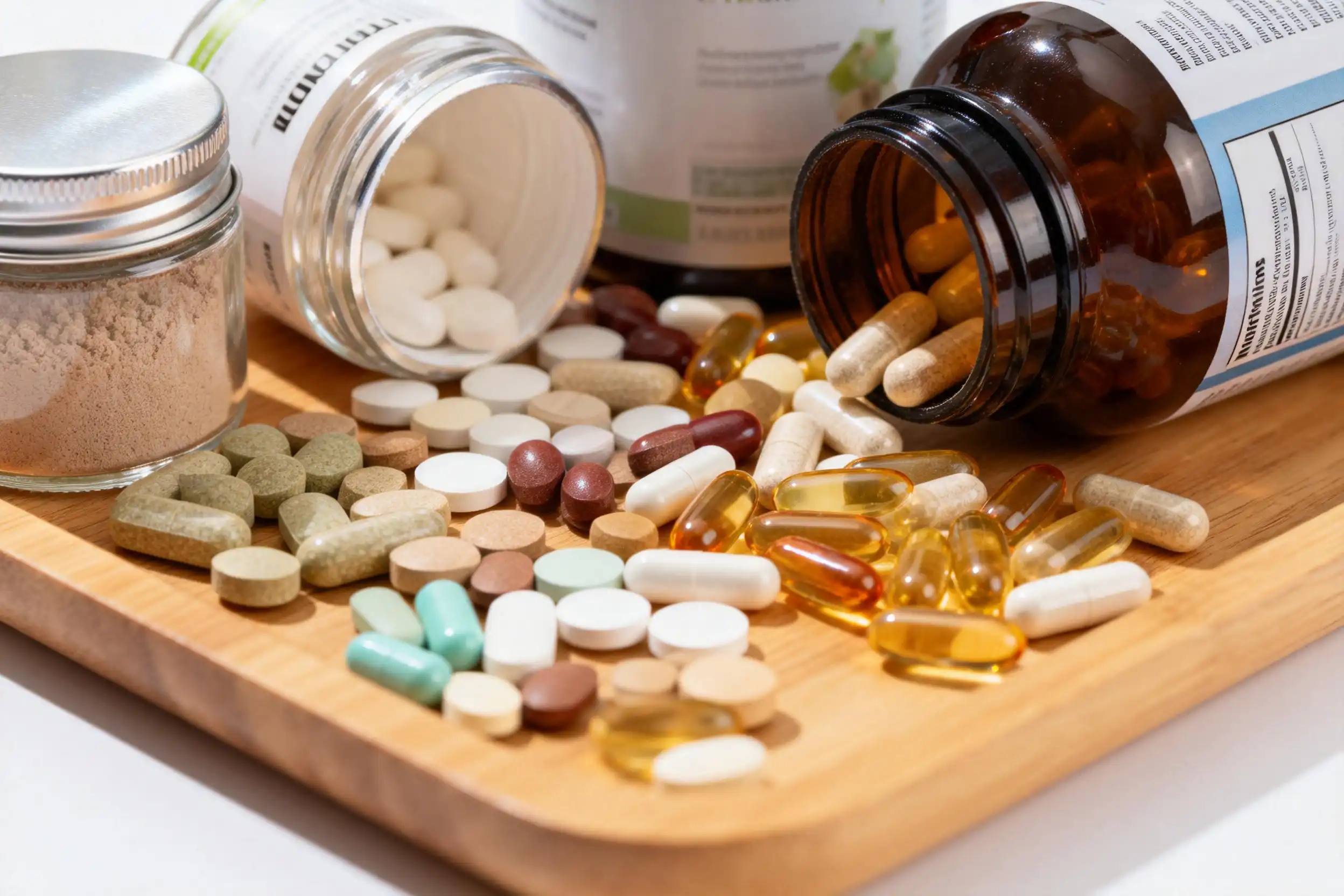
The product and other nutrients that work together to improve many parts of eye health are found in eye health products made by a number of companies. They usually have 20 mg of the product and 4 mg of zeaxanthin in them. This helps the most with eye pigment density and has extra antioxidants like vitamins C and E. A lot of people buy these products because the ads use facts to make lutein's health benefits and clinical study results very clear. Target groups have bought more after hearing about consumer education programs that talk about the risks of blue light exposure and how getting older can change your eyesight.
Functional Food Applications
Function drinks have changed in ways that make adding lutein easier. This is especially true for ready-to-drink choices made for busy adults and seniors. For these uses, you need the product formulas that are steady and accessible for the whole time the product is in the store. These formulas should dissolve in cold water. Launches that have done well have used clean labels and boasts of natural sources to bring in health-conscious customers looking for easy ways to eat well. Putting the product together with helpful ingredients like probiotics and adaptogens makes one-of-a-kind goods that sell for a lot of money.
Conclusion
If companies want to meet the growing need for eye health products backed by science, they can do so by adding the product to premium food lines. To be successful, you need to give careful thought to the ingredients, quality standards, and market positioning strategies that take advantage of the product's known health benefits. You also need to make sure you follow all the rules and make the product quickly. You can get high-quality lutein materials that meet strict standards for purity and stability by building strategic relationships with qualified providers. These are needed to make high-end goods.
FAQ
1. What is the optimal lutein dosage for nutraceutical formulations?
A study in people has shown that taking 10 to 20 mg of the product every day is good for your eyes. The changes in macular pigment density are even better when the amounts are higher. That amount should be right for the people who will buy it and the health claims that are meant to be made, while also following the laws in those places.
2. How does lutein bioavailability differ between various forms?
Because it doesn't need to be changed by enzymes before it can be taken, free lutein is better for the body. The product esters, on the other hand, stay stabler while being made and stored. Which type to use relies on how the product is made and where it is sold.
3. What quality certifications should I prioritize when sourcing lutein?
GMP, HACCP, and ISO guidelines are needed to make sure that production quality is safe. In target markets, organic licenses help with the clean label image, and approvals that are specific to an area make sure that the rules are followed. Third-party testing data helps make sure the standard.
Partner with YTBIO for Premium Lutein Solutions
Some of the best organic lutein ingredients can be found at YTBIO. As a lutein manufacturer, we specialize in creating high-end nutritional ingredients that need steadiness and quality. Our organic lutein is confirmed to come from marigolds and meets high standards around the world. It also backs clean-label recipes, which are popular with health-conscious customers these days. We have dependable ways to get lutein, backed by cutting-edge processing technologies and strict quality control methods. Some of our certificates are from the USDA, the EU, and CERES. Our helpful staff can be reached at sales@sxytorganic.com to learn more about how our high-quality lutein ingredients can help you make new goods and stay competitive in the market.
References
1. Johnson, M.A., et al. "Lutein and Zeaxanthin in Eye Health: Clinical Applications and Bioavailability Considerations." Journal of Nutritional Science, 2023, 45(3), 234-251.
2. Williams, R.D., and Thompson, K.L. "Carotenoid Formulation Strategies for Premium Nutraceutical Development." International Journal of Food Science and Nutrition, 2023, 78(2), 112-128.
3. Chen, S.Y., et al. "Regulatory Frameworks for Lutein Supplements: Global Perspectives and Compliance Strategies." Food and Chemical Toxicology, 2022, 156, 445-462.
4. Anderson, P.J., and Martinez, L.C. "Market Trends and Consumer Preferences in Eye Health Supplements." Nutraceutical Business Review, 2023, 29(4), 67-84.
5. Roberts, A.K., et al. "Stability and Bioactivity of Lutein in Various Delivery Systems: A Comprehensive Review." Food Chemistry, 2023, 401, 134-152.
6. Davis, J.M., and Wilson, T.R. "Strategic Procurement in the Nutraceutical Industry: Quality Assurance and Supplier Evaluation." Journal of Business Research, 2022, 145, 789-805.