Guide to Formulating with Kaempferol in Supplements
To make supplements with kaempferol, you need to know about this strong flavonoid's special traits and the challenges that come with making supplements with it. Kaempferol is a bioactive molecule that has a lot of promise for supplement companies that want to make products that fight inflammation and free radicals. This complete guide covers all the important things that buying professionals and formulators need to think about when working with kaempferol ingredients, from the best ways to find ingredients to the best ways to make sure that the product works well and does well on the market.

Understanding Kaempferol: Key Properties and Benefits
Within the larger flavonoid family, kaempferol is a noteworthy member of the flavonol subgroup. The chemical name for this natural substance is 3,5,7,4'-tetrahydroxyflavone. It has amazing biological action that makes it very useful for supplement formulation. The unique antioxidant properties of kaempferol come from the way its molecules are structured. It can successfully eliminate free radicals while also supporting the health of cells.
Chemical Classification and Biological Mechanisms
The molecular processes by which kaempferol works involve many cellular paths. According to research, this flavonol molecule works with several signaling pathways, such as the NF-ẏB pathway, which is a key part of inflammatory reactions. Inhibiting xanthine oxidase is one of the enzyme functions that Kaempferol can regulate, which adds to its health-promoting qualities.
The polyphenolic structure of the molecule lets it get inside cells and connect with targets there. Studies have shown it can change the way genes are expressed that are involved in oxidative stress reactions. This makes it very useful for formulas that aim to protect cells and help people live longer.
Health Benefits and Scientific Evidence
There is evidence from clinical studies that kaempferol may help heart health in more than one way. According to research, the substance widens blood vessels and helps keep them working properly. In addition, kaempferol may help the brain work better and may have neuroprotective benefits through its antioxidant action.
Another important area where kaempferol works well is in skin health uses. Because the compound can guard against oxidative harm caused by UV light, it is useful for skin care and photoprotection products. Researchers have found that kaempferol may help keep collagen strong and support good aging.

Dosage Guidelines and Safety Considerations
Bioavailability factors and desired health results must be carefully thought through when setting the right dosage rates for kaempferol. According to research, the most common beneficial amounts are between 10 and 100 mg per serving, though this depends on the formulation and the purpose of the drug. But formulators have to take into account that the chemical doesn't dissolve well in water when they figure out the best way to dose it.
Based on the studies we have access to, kaempferol seems to have good safety ratings. In normal cell settings, the compound is not very harmful and still has bioactive qualities. It is usually considered safe for supplement use by regulatory agencies, but strict obedience to set standards is still needed for market approval.
Sourcing and Comparing Kaempferol for Supplement Formulation
The quality and effectiveness of products containing kaempferol depend a lot on where the ingredients come from and how they are chosen. When procurement workers know about the different kinds of kaempferol and where they come from, they can make choices that are in line with product goals and market positioning strategies.
Natural Sources vs. Concentrated Extracts
It is found naturally in many plants, like berries, leafy greens, tea leaves, and medical herbs like Ginkgo biloba and Sophora japonica. Whole food sources contain kaempferol and other substances that work with it, but concentrated extracts are better for supplement making because they are more concentrated and have higher potency.
The extraction method has a big effect on the quality and bioavailability of the end product. High-quality kaempferol powder, which is usually made from flower buds of the Sophora japonica plant, is as pure as 98% or more. This concentrated form lets formulators make appropriate doses that fit into capsules that aren't too big, while still keeping the security of the product.
Foods that come from nature, like veggies and tea leaves, have smaller amounts of kaempferol but also naturally occurring compounds that work well together. These sources may improve bioavailability through food matrix effects, but it's hard to get effective amounts without taking extra supplements.
Comparative Analysis with Other Flavonoids
Formulators can make smarter ingredient choices when they know how kaempferol stacks up against other well-known flavonoids. One of the best-known flavonoids is quercetin. Its structure is similar to kaempferol's, but its hydroxylation pattern is different. It is more stable and has different molecular functions than quercetin because it does not have the hydroxyl group at the 3' position.
Resveratrol is another popular antioxidant that is in the stilbenoid class instead of the flavonoid class. Both molecules are antioxidants, but kaempferol is more stable across a wider range of pH levels and temperature changes. This makes it better for a wider range of recipe uses.
It is absorbed and broken down in a way that is different from other flavonoids. Researchers have found that kaempferol goes through a lot of first-pass metabolism, which is something that formulators need to think about when they are making plans to improve absorption.
Supplier Evaluation and Quality Assurance
To find trustworthy providers, you need to look closely at their quality systems, licenses, and testing procedures. Premium kaempferol providers should keep their ISO 9001, GMP, and, if necessary, organic certifications up to date. As a minimum, quality assurance must include tests by a third party for heavy metals, herbicide residues, microbial contamination, and cleanliness.
Certificates of Analysis (COA) for each run, stability data, and regulatory compliance documents are some of the things that need to be documented. For target countries, suppliers should offer full expert support, such as formulation advice and help with legal issues.
Formulation Best Practices for Kaempferol Supplements
For kaempferol supplements to work, the problems that come with the chemical must be dealt with while its benefits are maximized. The main problem with formulating kaempferol is that it doesn't dissolve well in water, which affects its digestibility and absorption rates.
Bioavailability Enhancement Strategies
Professional formulators use a number of tried-and-true methods to get around kaempferol's solubility problems. One good method is cyclodextrin inclusion complexes, in which kaempferol molecules are encased within cyclodextrin structures, which makes them much more water-soluble and absorbable.
Phytosomes, which are made of phospholipid clusters, are another advanced way to improve absorption. These mixtures take kaempferol and phosphatidylcholine and mix them to make lipid-compatible complexes that are easier for cells to take in and improve absorption profiles overall.
Taking kaempferol with piperine, which is the main ingredient in black pepper, has shown promise in increasing its uptake by blocking enzymes. To get the most out of this method without putting product safety or stability at risk, careful dosing is needed.
Stability and Storage Considerations
Due to its photosensitivity, kaempferol needs to be kept out of the sun and out of the sun's rays while it is being made and stored. UV-protective materials should be used in product packages, and factories should have the right lighting controls in place to keep things from breaking down.
Kaempferol stays stable at room temperature, but it may degrade in very hot conditions. Most storage guidelines say that things should be kept cool and dry, with temperatures below 25°C and relative humidity below 60%.
Oxidative processes can also break down kaempferol when it is exposed to oxygen. Oxygen-barrier packing materials and nitrogen flushing during shipping help keep the potency of products for longer periods of time.
Dosage Forms and Manufacturing Considerations
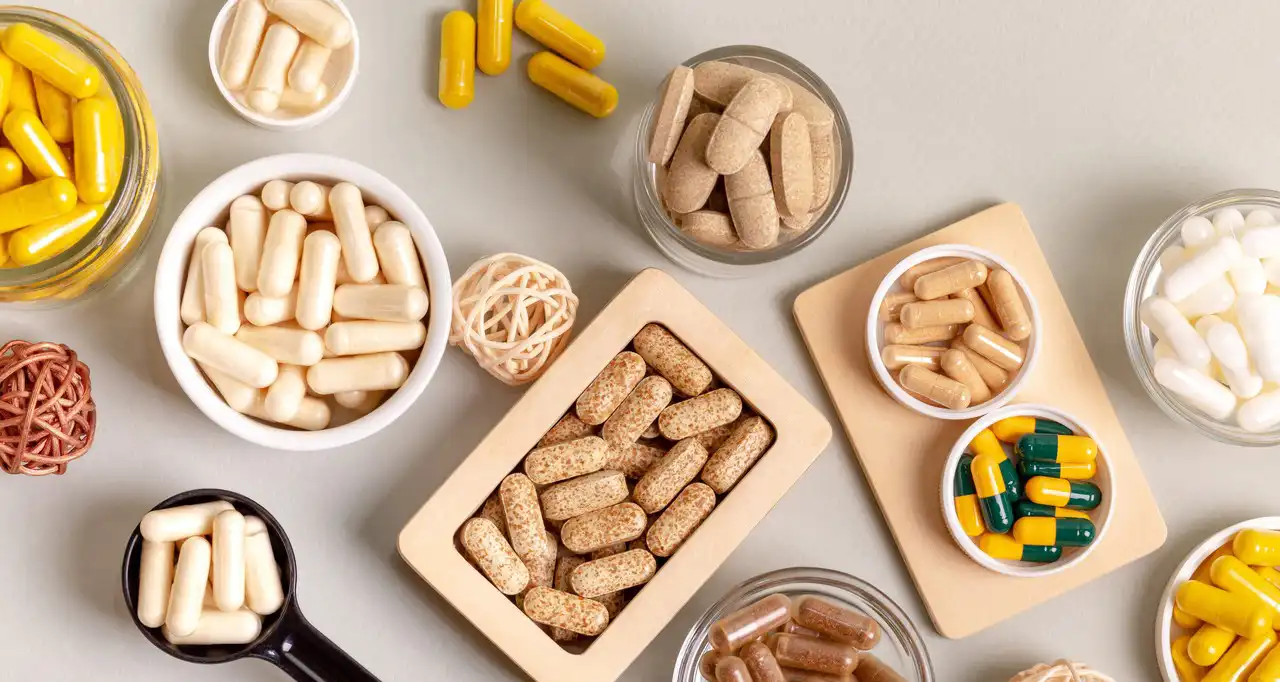
Capsules are the easiest way to take kaempferol supplements because they keep the supplement safe from light and moisture and let you precisely dose it. Hard gelatin or veggie capsules work well with kaempferol powder mixtures, but flow agents might be needed to make sure that the filling process is uniform.
The fact that kaempferol is not easily compressed makes tablet formulas even more difficult. Formulators usually use binding agents and disintegrants to get the right tablet hardness while keeping the dissolving qualities.
Because it doesn't like water, it needs to be dissolved in special ways in liquid forms. To get steady liquid goods, you need emulsion systems or solubilizing agents, but these methods may increase the cost and difficulty.
Procurement Strategies for Bulk Kaempferol and Supply Chain Management
For kaempferol buying strategies to work, they need to balance cost concerns with quality needs while also making sure the supply chain is reliable. Because making kaempferol is so specialized, suppliers don't have many choices. For long-term success, strategic relationships are important.
Supplier Selection and Relationship Management
To find good kaempferol providers, you need to look at their manufacturing skills, quality processes, and status with government regulations. Large suppliers usually have separate extraction facilities with special tools for handling and cleaning flavonoids.
When choosing a supplier, location is important because shipping costs and lead times can affect the total cost of buying. Asian providers, especially those in China, make most of the kaempferol because they have a lot of raw materials and a well-established system for extracting them.
To build strong ties with suppliers, you need to talk to them often, visit their sites, and work together on quality improvement projects. Long-term contracts can keep prices stable and supply safe, but they need to be carefully negotiated so that they can be changed as market conditions change.
Quality Control and Testing Protocols
Setting up strong quality control processes makes sure that the quality of the raw materials stays the same and that regulations are followed. Protocols for incoming inspections should include checking the product's name using HPLC analysis, judging its cleanliness, and checking for all kinds of contaminants.
It is still necessary to look over the Certificate of Analysis for every package, paying special attention to the amounts of cleanliness, moisture, and microbiological factors. Trend study of quality data helps find problems in the supply chain before they affect production plans.
Verification by a third-party lab adds to the quality guarantee, especially for important metrics like heavy metals and pesticide residues. Moving tests from one qualified lab to another helps keep tests honest and finds any possible differences in the analysis.
Inventory Management and Demand Planning
Because it is so specialized and only has a few suppliers, it needs to be carefully managed so that there are never any stock-outs and handling costs are kept as low as possible. Forecasting demand should take into account changes in demand due to the seasons, the release of new products, and predictions for market growth.
When figuring out safety stock, you need to take into account supplier wait times, which for normal grades are usually between 4 and 8 weeks. To be ready for sudden increases in demand or problems with supply, you should find and evaluate emergency buying choices ahead of time.
For big kaempferol storage, climate-controlled areas with the right packing are needed to keep the product's quality. Rotation methods make sure that older material is used up while keeping track of it during storage.
Case Studies and Future Trends in Kaempferol Supplementation
As new study comes out and more people look for natural health solutions, the supplement business keeps finding new ways to use kaempferol and make supplements with it. Businesses can get ready for future market possibilities by understanding these trends.
Successful Formulation Examples
Several drug makers have had success on the market with new kaempferol mixes. Cardiovascular health goods that contain kaempferol, coenzyme Q10, and omega-3 fatty acids have been well received by customers, with many buying them again.
Another rising area is sports nutrition, where kaempferol's antioxidant qualities help the body recover from exercise and improve performance. In these mixes, kaempferol is usually mixed with other ingredients that help with efficiency, such as creatine and branched-chain amino acids.
Premium markets have become more interested in anti-aging products that contain kaempferol, resveratrol, and other antioxidants. These goods focus on protecting cells and extending life, which makes them appealing to health-conscious people looking for all-around wellness options.
Emerging Applications and Research Directions
It is being studied right now to see if it can help with metabolic health, especially with glucose metabolism and weight control. These uses might create new customer groups and increase the number of people who can buy goods made from kaempferol.
Studies are looking into kaempferol's neuroprotective properties and possible benefits for memory and attention in the area of cognitive health, which is also very hopeful. Because more people are getting older, these products could help the market grow a lot.
Combination formulas that treat more than one health problem at the same time are a major trend. Formulators are making more and more goods that address related health issues, like heart health and brain health, in a single recipe.
Technology Advancement and Innovation
Nanotechnology uses could help make kaempferol more bioavailable by reducing the particle size and making it easier for the body to dissolve. These methods could completely change how well a product works while also lowering the doses that need to be taken.
Sustained-release versions are another area of innovation that could increase the biological activity of kaempferol and make it easier for people to take by lowering the number of times they need to do so.
Personalized diet patterns could increase the need for kaempferol dosing that is tailored to each person's health and genetics. This method needs a complex supply chain and manufacturing processes that can be changed easily.
Conclusion
Kaempferol addition can be very profitable for companies that know how to make the substance work well with other ingredients. Strategic relationships for buying, advanced formulation methods, and thorough quality control systems are all necessary for success. More and more studies are showing that kaempferol is good for your health, and people are becoming more aware of natural antioxidants. This means that the market for this vitamin will continue to grow. If formulators and procurement professionals take the time to learn about kaempferol's properties and build the right supply chain relationships, they will be ready to take advantage of new possibilities in this fast-paced market area.
FAQ
1. What makes kaempferol different from other antioxidants in supplement formulations?
Kaempferol's special chemical structure makes it more stable than many other flavonoids and gives it a lot of health benefits. Kaempferol doesn't have a hydroxyl group at the 3' position like quercetin does. This makes it more metabolically stable and gives it different enzyme specificity profiles. Because of this change in structure, kaempferol is perfect for formulations that need to last longer and keep their strength.
2. How can formulators address kaempferol's poor water solubility?
Professional formulators often use phospholipid phytosomes, cyclodextrin inclusion complexes, or co-administration with absorption boosters like piperine. These methods make absorption much better while keeping the result stable. The type of increase method used is determined by the desired dose form, the cost, and the rules and regulations in the market.
3. What certifications should buyers look for when sourcing kaempferol?
When going after markets for natural products, ISO 9001 for quality control systems, GMP compliance for production standards, and organic certifications are all must-haves. The basic guideline is to have third-party tests done to make sure the product is pure and free of heavy metals, pesticides, and microbes. Suppliers should also give a lot of paperwork, like records of legal compliance and data on steadiness.
Partner with YTBIO for Premium Kaempferol Solutions
We at YTBIO are ready to help you make kaempferol products with our wide range of organic, high-purity plant extracts and other special ingredients. Our facilities are ISO 9001 approved, and they are also USDA NOP and EU organic certified. This means that every batch meets the highest quality standards that supplement companies today expect. As a reliable kaempferol provider, we offer expert help, regulatory advice, and flexible supply options that are made to fit your exact formulation needs. Our skilled staff knows the unique difficulties of flavonoid synthesis and can help you make buying choices that improve both the effectiveness and cost-effectiveness of your product. Get in touch with our sales team at sales@sxytorganic.com to talk about your bulk kaempferol needs and find out how YTBIO's knowledge can help you improve your supplement line while keeping your supply chain running smoothly.
References
1. Zhang, Y., Chen, A.Y., Li, M., Chen, C., & Yao, Q. (2008). Ginkgo biloba extract kaempferol inhibits cell proliferation and induces apoptosis in pancreatic cells. Journal of Surgical Research, 148(1), 17-23.
2. Chen, H., Miao, Q., Geng, M., Liu, J., Hu, Y., Tian, L., ... & Pan, J. (2016). Anti-inflammatory and antioxidant effects of kaempferol on high-glucose-induced human umbilical vein endothelial cell injury. Applied Biochemistry and Biotechnology, 180(7), 1323-1340.
3. Calderón-Montaño, J.M., Burgos-Morón, E., Pérez-Guerrero, C., & López-Lázaro, M. (2011). A review on the dietary flavonoid kaempferol. Mini Reviews in Medicinal Chemistry, 11(4), 298-344.
4. Imran, M., Rauf, A., Abu-Izneid, T., Nadeem, M., Shariati, M.A., Khan, I.A., ... & Gondal, T.A. (2019). Luteolin, a flavonoid, as an anticancer agent: A review. Biomedicine & Pharmacotherapy, 112, 108623.
5. Park, S.H., Ham, S., Kwon, T.H., Kim, M.S., Lee, D.H., Kang, J.W., ... & Oh, S.R. (2014). Anti-obesity effect of Gynostemma pentaphyllum extract (actiponin): A randomized, double-blind, placebo-controlled trial. Obesity, 22(1), 63-71.
6. Wang, J., Fang, X., Ge, L., Cao, F., Zhao, L., Wang, Z., & Xiao, W. (2018). Antitumor, antioxidant and anti-inflammatory activities of kaempferol and its corresponding glycosides and the enzymatic preparation of kaempferol. PLoS One, 13(5), e0197563.