Guide to Incorporating Tea Polyphenols in Cosmetic Serums
Tea polyphenols represent powerful bioactive compounds derived from Camellia sinensis leaves, offering remarkable antioxidant and anti-inflammatory properties that have revolutionized modern skincare formulation. These naturally occurring phenolic compounds, particularly abundant in green tea extracts, provide cosmetic manufacturers with versatile ingredients for developing high-performance serums. When properly incorporated into skincare formulations, tea polyphenols can enhance skin barrier function, reduce oxidative stress, and support overall skin health through their scientifically proven mechanisms.
Understanding Tea Polyphenols and Their Skincare Benefits
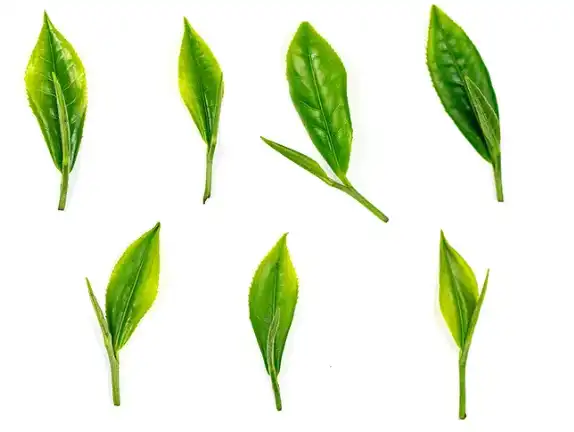
Tea polyphenols are a large group of bioactive substances that have caught the attention of beauty formulators all over the world. The main source of these phenolic substances is green and black tea leaves. They are strong antioxidants that make them very useful in current skin care products.
Chemical Nature and Composition
Catechins like epicatechin (EC), epigallocatechin (EGC), epicatechin gallate (ECG), and epigallocatechin gallate (EGCG) are the main antioxidants in tea. Green Tea Extract 98% Polyphenols is one of the most concentrated types you can get. It has base potency levels that make sure all versions work the same way. This standardized extract usually has between 70 and 80% total catechins and 45 to 50 % EGCG, giving formulators accurate bioactive amounts. These chemicals have phenolic flavan-3-ol skeletons that can be put into two groups: free catechins and catechins with galloyl groups attached to them. This variety in structure helps explain why they have different biological effects and makes them good for various beauty uses.
Antioxidant and Anti-Inflammatory Properties
Tea polyphenols are very good antioxidants that can often get rid of superoxide radicals faster than standard antioxidants like Vitamins C and E. Their Oxygen Radical Absorbance Capacity (ORAC) values are much higher than those of manufactured options. This means that they are very good at protecting skin cells from oxidative damage caused by environmental stressors. These chemicals work to reduce inflammation in a number of ways, such as by blocking enzymes that cause inflammation and changing the way cells send signals to each other. When added to serums, tea polyphenols can help soothe irritated skin and speed up the body's natural mending processes, which keep skin looking healthy.
Skin Barrier Enhancement
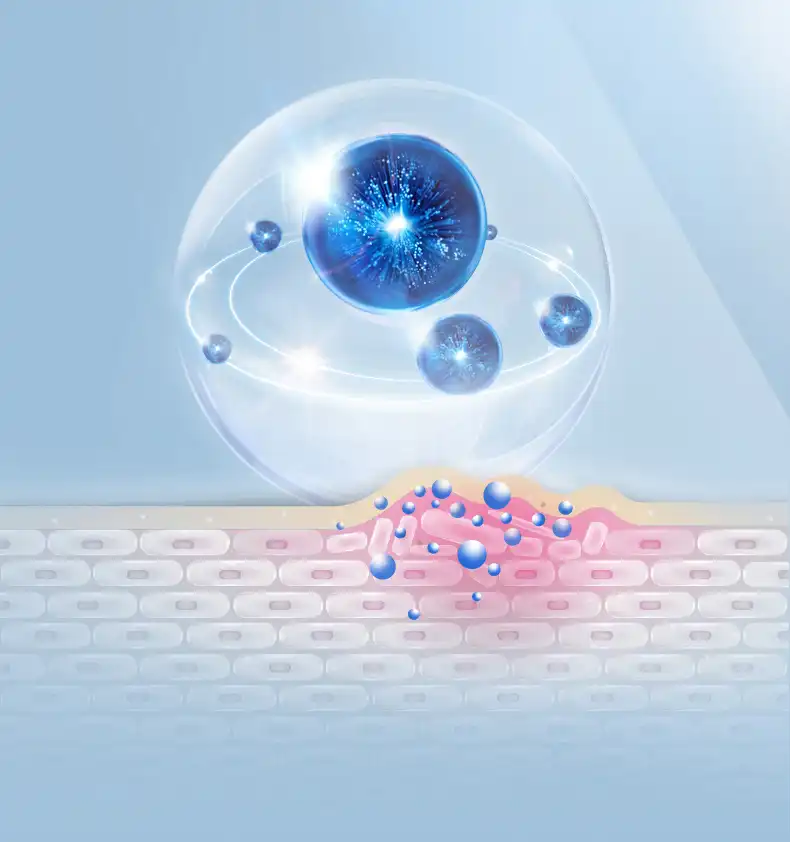
Researchers have found that tea polyphenols help the skin's barrier work in a number of different ways. They help keep the body's water levels at the right amount and increase the production of structural proteins. Because these substances can chelate, they successfully neutralize transition metal ions like iron and copper. This stops pro-oxidant processes that could damage skin integrity.
Formulating Cosmetic Serums with Tea Polyphenols
When adding tea polyphenols to beauty serums, it's important to think about the formulation challenges and ways to make the product as stable as possible while still getting the most out of its medicinal potential.
Addressing Traditional Antioxidant Limitations
When used in cosmetics, conventional antioxidants often have problems with stability, color changes, and not being bioavailable in the right amounts. In response to these frequent worries, tea polyphenols provide better alternatives that work better. Their natural origin makes them appealing to people who want to buy goods with clean labels, and their proven stability profile supports the idea that they will last longer. Green Tea Extract 98% Polyphenols has unique physical and chemical features that make it a top choice for makeup use. However, the fine, light yellow to reddish-brown powder stays stable as long as the pH stays below 6.0. It dissolves easily in water and water-ethanol mixes.
Optimal Source Selection and Processing
To choose between the different tea polyphenol sources, you need to know what makes each one special and how it's supposed to be used. Standardized extracts, like Green Tea Extract 98% Polyphenols, give constant potency and make the formulation process easier. Whole leaf extracts have more complex polyphenol profiles. The way the product is extracted has a big effect on its quality. For example, using water and ethanol to separate makes the profiles better than using harsh solvents. Premium types go through strict cleaning processes to get rid of any possible contaminants while keeping the bioactive purity. These processing standards make sure that cosmetics are made in a way that follows international rules. They also back up claims of clean labels that appeal to modern consumers.
Synergistic Ingredient Combinations
To get the most out of tea's polyphenols, you need to carefully pair ingredients in a way that makes them more stable and bioavailable. Vitamin E can fight against free radicals in a combined way, and hyaluronic acid helps the body stay properly hydrated for better absorption. pH buffers help keep the slightly acidic environment that keeps polyphenols stable over the course of a product's shelf life. When formulators plan how to make things, they should think about how stable tea polyphenols are at high temperatures. Even though these chemicals are moderately stable at high temperatures and can be used in pasteurization, the contact time should be kept as short as possible to keep the maximum bioactivity.
Comparing Tea Polyphenols Across Product Types and Sources
Knowing the differences between the different sources of polyphenols in tea helps business-to-business buyers make smart choices that meet the needs of their products and fit their market marketing strategies.
Green Tea vs. Black Tea Polyphenols
Processing ways that stop enzymes from oxidizing green tea polyphenols keep their original catechin structure. Polyphenol oxidase is turned off during the production process by heating or fire. This protects the good catechins that make up 10–18% of the dry weight. Because of this protection, there are higher levels of EGCG and other beneficial catechins that work better as antioxidants. During fermentation, black tea processing allows flavonoid oxidation to happen on purpose, which changes catechins into theaflavins and thearubigins. Theaflavins make up only 1% to 2% of the dry weight of black tea, but they are very good for your face in certain ways. However, for beauty serum uses, green tea products usually have higher amounts of polyphenols and are better at fighting free radicals.
Natural vs. Synthetic Polyphenol Considerations
Natural tea polyphenols are much better than synthetic ones when it comes to biological action, market acceptance, and governmental approval. Complex polyphenol profiles found in natural products have effects that work together in a way that can't be achieved through manufactured manufacturing. Natural sources also back up marketing claims about clean labels and are in line with rising customer preferences for botanical products. Quality control is especially important when getting natural polyphenols because plant materials need to be thoroughly checked for heavy metals, contaminants, and chemical leftovers. To make sure their products are safe and effective, premium providers use strict screening methods that go above and beyond what the law requires.
Supplier Selection Metrics
When looking at possible tea polyphenol providers, you need to look at more than just prices. You need to look at a number of quality factors. Purity levels, consistent concentrations, and analysis documents give important information about a supplier's skills and the dependability of a product. Traceability methods that keep track of things from the time they are grown until they are processed show that you care about quality control and following the rules. Standards for certification like organic certification, GMP compliance, and ISO quality management systems show that a provider has put money into building up quality infrastructure. These licenses give buyers even more confidence in the quality and stability of the products they buy, which helps businesses keep buying from them for a long time.
Procurement Strategies for B2B Buyers: Acquiring Tea Polyphenols for Cosmetic Serums
To get tea polyphenols successfully, you need to plan ahead in a way that balances quality needs with cost concerns and makes sure the supply chain works well.
Defining Precise Ingredient Specifications
Setting clear standards makes it possible to evaluate suppliers accurately and ensure consistent product quality. Some important factors are the amount of total polyphenols, the types of catechins present, the substance's physical properties, and the quality standards that must be met. The specs for Green Tea Extract 98% Polyphenols should include information on how to test it, since UV-Vis and HPLC methods can give different total polyphenol content readings. Preferences for physical forms affect how formulations are made and how they are stored. In general, powder types have a longer shelf life and are easier to handle, while liquid extracts may be better for some processing needs. Particle size requirements make sure that dry mixes are mixed evenly. For top grades, 95% of the particles must pass through 80 mesh.
Quality Assurance and Testing Protocols
Full quality control methods keep bioactivity constant and protect against the risk of contamination. According to the rules that apply, testing procedures should look for heavy metals, fluid residues, insecticide residues, and polycyclic aromatic hydrocarbons. Certificates of Analysis are proof that certain quality standards have been met and help with meeting regulatory requirements. It is especially important to check for contaminants in botanical products, like tea leaves, which can pick up pollutants from the surroundings while they are being grown. Premium providers use high-tech methods of cleaning, like membrane filtration and resin adsorption, to keep medicinal substances safe and reduce the risk of pollution. This rigorous purification process ensures that active compounds like Tea Polyphenols are isolated in their most potent and stable form, free from heavy metals or pesticide residues that could compromise their efficacy and safety.
Manufacturing Capability Assessment
Checking a supplier's manufacturing skills makes sure that production ability and quality are always reliable. Some important factors are the amount of product that can be made, how well the equipment works, the quality control systems, and the company's past of following the rules. Suppliers with more than one location approval show they are committed to quality standards and give the supply chain extra security. Using strict quality control methods throughout the whole production process shows that the provider is mature and trustworthy. Facilities that are certified by China GMP, EU GMP, U.S. FDA cGMP, and ISO 22000 offer full quality guarantee that helps businesses enter global markets and follow rules.
Future Outlook: Trends and Innovations in Tea Polyphenols for Cosmetics
The cosmetics business keeps improving the uses of tea polyphenols by coming up with new technologies and changing consumer tastes, which open up new ways to make products and grow the market.
Biotechnology and Delivery System Advances
New biotechnology uses try to make tea polyphenols more bioavailable and easier for the skin to absorb by using different ways to deliver them. Nanotechnology can be used to get deeper into things while keeping sensitive chemicals from breaking down. Controlled release methods used in encapsulation make bioactivity last longer and improve the user experience. Newer methods of extracting polyphenols keep increasing their amounts while lowering their impact on the environment. Using supercritical CO2 and other eco-friendly solvents in green extraction methods makes healthier extracts with better bioactivity profiles. These new ideas help reach sustainable goals while also making products work better.
Market Dynamics and Consumer Preferences
Botanical-based products are becoming more popular as more people learn about the health benefits of natural ingredients. Tea polyphenols are right on style with clean beauty trends and back up claims of effectiveness that are backed up by science, which supports premium placement. Market study shows that the natural beauty market will continue to grow, especially among people who care about the environment. Regulatory settings are favoring natural ingredients with well-established safety ratings and scientific proof more and more. Tea antioxidants have been studied for a long time and are usually thought to be safe, which makes it easier for regulators to approve them in all global markets. This legal benefit helps the market grow and lowers the risks of developing new products.
Strategic Partnership Opportunities
When ingredient providers and cosmetics makers work together, new ideas can be created and the market can grow. Partnerships that bring together technical know-how and business knowledge give companies a competitive edge and shorten the time it takes to make new products. In addition to providing raw materials, suppliers who offer formulation help and legal advice add value. Using environmentally friendly methods all along supply lines helps companies reach their social duty goals and gives them a way to stand out. Suppliers that have approved programs for sustainable sourcing and environmental care are in line with changing customer expectations and industry standards.
Conclusion
Polyphenols from tea have become important parts of modern beauty serums because they work naturally and have been shown to be antioxidants that meet changing customer needs. Cosmetic companies can make new products that work better and support the "clean label" movement when they fully understand their ingredients' qualities, manufacturing needs, and buying strategies. As science improves and market needs change, Tea Polyphenols will continue to lead the way in natural cosmetic innovation, giving the growing clean beauty market long-lasting answers.
FAQ
1. What is the difference between tea polyphenols and green tea catechins?
Some types of tea polyphenols are green tea catechins, which include chemicals like EGCG, ECG, EGC, and EC. Tea polyphenols are a group of phenolic chemicals that are found in large amounts in tea. They include catechins, theaflavins, and thearubigins. Green Tea Extract 98% Polyphenols is a great source of catechins, which are substances that are good for you.
2. What are the optimal dosage ranges for tea polyphenols in cosmetic serums?
Tea polyphenol extracts are usually added to beauty serums at rates ranging from 0.5% to 3% by weight, but this depends on the concentration of the extract and the amount of effectiveness that is wanted. Because it is so concentrated, Green Tea Extract 98% Polyphenols only needs to be used at lower levels (0.5% to 1.5% usually) to protect cells from free radicals.
3. Are there safety considerations for topical tea polyphenol applications?
The safety of tea polyphenols for external use is very good when they are processed correctly. For people with sensitive skin, patch testing is still suggested, and keeping the pH below 6.0 helps make sure stability and skin compatibility. To make sure they are safe for use in cosmetics, high-quality tea polyphenol extracts go through a lot of tests.
Transform Your Skincare Formulations with Premium Tea Polyphenols from YTBIO
YTBIO offers high-quality Green Tea Extract 98% Polyphenols that improve the performance of beauty serums through bioactivity that has been proven by science and strict quality standards. Our organically approved extracts give makeup companies strong, reliable ingredients that back up clean label claims and offer proven antioxidant benefits. We make sure that every batch meets the highest quality standards for top skin care products around the world by obtaining extensive certifications such as USDA NOP, EU Organic, and multiple GMP standards. Get in touch with our technical experts at sales@sxytorganic.com to find out how our knowledge as a tea polyphenols seller can help your formulas and speed up the development of your products.
References
1. Ruch, R.J., Cheng, S.J., and Klaunig, J.E. "Prevention of cytotoxicity and inhibition of intercellular communication by antioxidant catechins isolated from Chinese green tea." Carcinogenesis, vol. 10, no. 6, 1989, pp. 1003-1008.
2. Katiyar, S.K. "Tea polyphenols in chemoprevention of skin malignancy: current status and future prospects." Anti-Cancer Agents in Medicinal Chemistry, vol. 13, no. 8, 2013, pp. 1119-1129.
3. Elmets, C.A., Singh, D., Tubesing, K., Matsui, M., Katiyar, S., and Mukhtar, H. "Cutaneous photoprotection from ultraviolet injury by green tea polyphenols." Journal of the American Academy of Dermatology, vol. 44, no. 3, 2001, pp. 425-432.
4. Hsu, S. "Green tea and the skin." Journal of the American Academy of Dermatology, vol. 52, no. 6, 2005, pp. 1049-1059.
5. Zhao, J., Patel, R.P., and Kaur, H. "Oxidative stress and antioxidant defense mechanisms in tea polyphenols and skin aging." International Journal of Cosmetic Science, vol. 34, no. 2, 2012, pp. 98-107.
6. Singh, B.N., Shankar, S., and Srivastava, R.K. "Green tea catechin, epigallocatechin-3-gallate (EGCG): mechanisms, perspectives and clinical applications in biomedical sciences." Biochemical Pharmacology, vol. 82, no. 12, 2011, pp. 1807-1821.