How Catechin Enhances Botanical Protective Creams and Serums?
Catechin's potent antioxidant and skin-protecting abilities significantly improve plant protective creams and serums. The main source of this natural polyphenolic substance is green tea. It has great free radical quenching properties that help protect skin cells from damage caused by oxidative stress. When added to herbal mixtures, catechin works with other plant-based ingredients to improve the skin's protective function, lower inflammation, and protect against UV rays. This compound can neutralize dangerous environmental aggressors and boost collagen production, which makes it an essential ingredient for formulators making high-quality skin care products that protect in the short and long run.
Understanding Catechin and Its Role in Botanical Skincare
Chemical Properties and Antioxidant Mechanisms
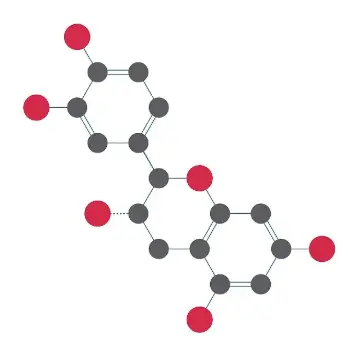
Catechin is an important type of naturally occurring polyphenolic substance that has changed the way herbal skin care products are made. Catechin is a flavan-3-ol that is in the flavonoid family. It comes in different stereoisomeric forms, such as epicatechin, epigallocatechin, and the very beneficial epigallocatechin-3-gallate (EGCG). These chemicals mostly come from Camellia sinensis, which is what most people call "green tea," but they can also be found in other plants. The unique protective properties of catechin come from the way its molecules are structured. Its phenolic hydroxyl groups give away hydrogen atoms to fight free radicals. This stops the damage from oxidation from spreading. Simply put, this trait makes catechin very useful in cosmetics, since oxidative stress is a main reason why skin ages too quickly.
Synergistic Benefits and Applications in Skincare
Researchers have found that catechin is a better antioxidant than vitamin C and vitamin E in some situations. The compound's ability to chelate metal ions makes its defensive qualities even better. It stops catalytic oxidation processes that can damage skin health and product stability. When combined with other plant-based actives, catechin shows amazing synergistic qualities. It increases the security of vitamin C products, makes natural preservatives work longer, and makes plant extracts like chamomile and calendula more effective at reducing inflammation. Because of this, catechin is a great ingredient to use as the base of all-natural skin care products.
Problem Deconstruction: Challenges in Botanical Protective Formulations and How Catechin Solves Them
Stability Challenges in Multi-Ingredient Botanical Products
Botanical skincare companies have a hard time making stable, effective formulas that meet the needs of customers who want natural goods. Many plant-based chemicals are naturally unstable, and it can be hard to keep multi-ingredient botanical systems alive. This makes manufacturing difficult, but catechin is the only thing that can help. When natural antioxidants are exposed to light, air, and changes in temperature, they often break down quickly. This breakdown not only makes the product less useful, but it can also cause color changes and bad smells that make people less likely to buy it. Even though traditional manmade preservatives work, they go against the clean-label marketing that drives sales of plant products. Catechin solves these problems with its high level of security and natural storage abilities. Catechin is different from many other plant-based antioxidants because it keeps working in a wide pH range (3.5–6.0) and doesn't break down when heated up properly. Due to its ability to stop lipid breakdown, it makes products last longer while protecting other delicate plant ingredients.
Skin Health Benefits and Environmental Protection
 More and more, modern customers are looking for botanical goods that work just as well as manufactured ones. Catechin has significant benefits for skin health because it works in multiple ways. According to clinical studies, applying catechins can lower inflammatory signs by as much as 40% while also making the skin's protective function stronger. The substance can reduce inflammation by changing the signaling pathways of nuclear factor-kappa B (NF-ẏB), which stops the production of cytokines that cause inflammation. Because of this, catechin is very useful in formulas for skin conditions that are sensitive or damaged. Environmental factors, especially UV rays and pollution, are the main things that people who use botanical treatments are worried about. Catechin is known to protect against UV rays by collecting UV light in the 280–320 nm range and reducing free radicals that are made by the sun at the same time. Studies show that applying catechins to the skin can cut redness caused by UV light by 25–35% when mixed with the right amounts of other ingredients. This protection stops more than just short-term UV damage; it also stops long-term photoaging effects like collagen breakdown and elastic cross-linking.
Comparative Analysis: Catechin vs Other Popular Botanical Antioxidants in Skincare
Superior Solubility, Stability, and Antioxidant Capacity
When choosing the best antioxidants for plant formulations, you need to think carefully about how well they work, how stable they are, and how well they work with the formulation. Catechin stands out from other well-known plant antioxidants for a number of reasons, making it a great choice for use in serums and protective creams. Compared to resveratrol, which is another commonly used antioxidant found in plants, catechin is better at dissolving in water and staying stable in formulations. For resveratrol to keep working, it needs special transport systems. But catechin works well in water and emulsion systems without needing a lot of changes. ORAC (Oxygen Radical Absorbance Capacity) readings show that catechin is a stronger antioxidant than vitamin E and gets close to the levels reached by man-made antioxidants like BHT.
Long-Term Benefits, Consumer Acceptance, and Supply Reliability
Caffeine, which is often added because it wakes you up, doesn't protect against free radicals as well as catechin. Caffeine temporarily tightens the skin, but catechin protects it in the long term and the benefits build up over time. Because catechin has a wider range of biological effects, it is a better choice for making skin safety products that work for everyone. Natural sources of catechins are clearly better than manufactured ones when it comes to how consumers feel about them and following the rules. Green tea extract that has been standardized for catechin content has great stability from batch to batch and keeps the clean-label draw that makes botanical products sell so well. Green tea raw materials are easy to find, which makes the supply chain stable and costs predictable for large-scale production processes. For cosmetic-grade catechin to meet quality standards, it usually needs to be at least 90% pure and have low amounts of heavy metals and microbes. Suppliers can make uniform products that meet strict beauty industry standards thanks to new technologies for extraction and purification. These technologies also keep all the good compounds that are in the source material.
Procurement Insights: Sourcing High-Quality Catechin for Skincare Manufacturing
To successfully buy high-quality catechin for skin care uses, you need to know about quality standards, seller skills, and government rules. The cosmetics business has strict rules that require careful review of possible suppliers and detailed records of product specifications.
Purity, Contaminant Control, and Analytical Testing
For cosmetic use, high-quality catechin must meet certain levels of purity and contaminant levels. The usual way to measure catechins is with HPLC analysis, and reputable providers give full certificates of analysis for every batch. Moisture content, which is usually kept below 5%, keeps things from breaking down while they're being stored and makes sure that finished formulas work the same way every time. Because catechin comes from plants, microbiological testing is very important. Total plate count, yeast, mold, and pathogen testing must meet the norms of the cosmetics business. To meet international safety standards, the amount of heavy metals, especially lead, mercury, cadmium, and arsenic, needs to be checked.
Supplier Compliance, Technical Support, and Traceability
Suppliers of catechins you can trust have complete quality control systems that include GMP compliance and ISO 9001 certification. Traceability paperwork should cover the whole supply chain, from where the raw materials come from to where the finished product is delivered. Regulatory support services, such as help with product filing and compliance paperwork, are very useful for cosmetics companies that are entering new markets. Manufacturing capability and flexibility are very important things for brands that want to grow. Suppliers should show that they can keep up with rising demand while keeping quality standards high. Technical support services, such as help with formulation and advice on how to do stable tests, set top providers apart from common vendors.
Pricing, Supply Planning, and Regional Considerations
Based on purity levels, source materials, and provider skills, the price of catechin changes greatly. Long-term supply deals can save you money and make sure you have access to goods during times of high demand. For luxury types, the minimum order quantity is usually between 25 kg and 100 kg. If you commit to buying more, you can get a discount. Geographical buying methods can change both the cost and the dependability of the supply. Most of the time, Asian suppliers offer affordable prices, but they may need longer wait times and more quality checks. Most of the time, European and North American providers charge more for better service and faster answer times.
Formulation and Marketing Advantages of Catechin-Enhanced Botanical Creams and Serums
There are measurable benefits in many areas of product development and marketing when catechin is added to plant protective formulas. These perks include better technical performance, more appealing products to customers, and chances to set your business apart.
Stability, Compatibility, and Formulation Flexibility
 Catechin can be added to a wide range of formulations without the need for specialized solubilization methods thanks to its good solubility profile. Serums that are based on water can easily contain up to 2% catechin, while emulsion systems can handle higher amounts with the right phase distribution. Because the substance is pH stable, it can be used in a variety of formulations and will still work in normal makeup pH ranges. Compatibility tests show that catechin makes other plant actives that are often used in defensive products more stable. When vitamin C products are mixed with catechin, they become more stable, and natural antioxidants become more effective at killing microbes. Formulators can use higher amounts of active ingredients while keeping the safety of the product because of this synergistic effect. Another big benefit of formulas based on catechin is that they don't change color. While many plant antioxidants turn brown when mixed with other substances, properly made catechin stays clear to light yellow for the duration of a product's shelf life. This steadiness gets rid of the need for artificial colorants and keeps the look of the product constant.
Consumer Appeal, Scientific Backing, and Environmental Storytelling
Botanical skin care brands can use catechin's health benefits as strong marketing tools because science backs them up. There are specific claims that catechin protects against free radicals, reduces inflammation, and protects against the environment based on clinical research. People who are smart and looking for natural options that are backed by science will like these benefits. Plant-based products that are easy to recognize are still in high demand thanks to clean beauty trends. Catechin's connection to green tea makes it easy for people to recognize and makes them think of happiness and natural health. This common link makes learning about the product easier and gives customers more faith in the effectiveness of the ingredients. More and more people who buy skin care products are concerned about the environment, and catechin source fits in with this trend. Growing green tea doesn't need many pesticides and helps traditional farming methods in areas that grow it. This story about environmental duty improves the brand's positioning and appeals to customers who care about doing the right thing.
Conclusion
Catechin is a revolutionary ingredient for plant protective creams and serums because it provides unmatched antioxidant protection and excellent product stability. Its many benefits help solve important problems in making natural skin care products work better, and they meet customer standards for effectiveness. The substance works well with other plant ingredients, which lets scientists come up with complete formulation plans that get the most protective effects while still looking good on the label. Catechin helps brands make better botanical goods that mix old knowledge with new science proof by carefully choosing where to get the ingredients and how to formulate them.
FAQ
1. What concentration of catechin provides optimal antioxidant protection in skincare formulations?
Depending on the use and type of preparation, effective catechin amounts in finished goods are usually between 0.5% and 2%. Protective serums usually have 1% to 2% catechin in them to get the most antioxidant benefits, while daily-use creams might have 0.5 to 1% for long-lasting protection without the risk of sensitivity. For higher amounts, it's important to carefully change the pH and test the stability to keep the product's effectiveness and stop it from oxidizing.
2. How does catechin stability compare to other green tea extract components?
Catechin is more stable than other flavonoids in green tea when it is properly prepared. Compounds like EGCG may break down quickly in neutral pH settings, but catechin stays active in pH ranges from 3.5 to 6.0. Proper packing in light-resistant cases and nitrogen blanketing during production further improve stability, allowing catechin to keep over 90% of its potency for the normal length of time that cosmetics are stored.
3. Can catechin cause skin sensitivity or allergic reactions?
When used at the suggested concentrations, catechin has great safety ratings and little chance of making people more sensitive. Clinical patch tests show that properly pure catechin products rarely have bad effects, even in people who are sensitive. But formulations should go through a full safety review, and people who are known to be allergic to tea should be extra careful. Starting with smaller amounts and slowly increasing use lets each person figure out how much they can handle.
Partner with YTBIO for Premium Catechin Solutions
You can trust YTBIO as a seller of catechins because they offer pharmaceutical-grade extracts that meet the top standards for herbal skin care products. Our wide range of organic certifications, which includes USDA NOP and EU organic compliance, makes sure that your goods meet all of the world's rules for quality while also meeting the highest levels of regulation. With our cutting-edge extraction methods and strict quality control procedures, we can guarantee the strength and purity of our catechins, which will help your formulations work better. Our experienced technical team helps with everything from the original product development to mass production, making sure that catechin works well in your plant protective creams and serums. Get in touch with us at sales@sxytorganic.com to find out how our high-quality catechin ingredients can help your business.
References
1. Singh, B.N., Shankar, S., & Srivastava, R.K. (2011). Green tea catechin, epigallocatechin-3-gallate (EGCG): mechanisms, perspectives and clinical applications. Biochemical Pharmacology, 82(12), 1807-1821.
2. Katiyar, S.K., & Elmets, C.A. (2001). Green tea polyphenolic antioxidants and skin photoprotection. International Journal of Oncology, 18(6), 1307-1313.
3. Reuter, J., Merfort, I., & Schempp, C.M. (2010). Botanicals in dermatology: an evidence-based review. American Journal of Clinical Dermatology, 11(4), 247-267.
4. Hsu, S. (2005). Green tea and the skin. Journal of the American Academy of Dermatology, 52(6), 1049-1059.
5. Nichols, J.A., & Katiyar, S.K. (2010). Skin photoprotection by natural polyphenols: anti-inflammatory, antioxidant and DNA repair mechanisms. Archives of Dermatological Research, 302(2), 71-83.
6. Svobodova, A., Psotova, J., & Walterova, D. (2003). Natural phenolics in the prevention of UV-induced skin damage: a review. Biomedical Papers, 147(2), 137-145.