How L-Theanine Supports Calm and Balanced Skin Formulas?
L-Theanine is becoming a very important ingredient in skin care products because it has amazing cooling and balancing effects on skin that is stressed. Through its unique neurochemical routes, this naturally occurring amino acid, which comes mostly from green tea leaves, shows a lot of promise in solving current skin problems. By changing how cells react to stress, L-Theanine helps the skin's protective function, reduces inflammation, and improves the skin's general balance. Its addition to skincare recipes gives companies a new way to make products that address modern skin problems and meet the growing demand in the global cosmetics market for chemicals that come from natural sources and are backed by science.
Understanding L-Theanine and Its Role in Skincare
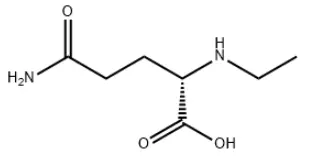
The discovery of L-Theanine as an amino acid that helps with both brain health and skin health is a big step forward in the science of skin care ingredients. This non-proteinogenic amino acid, whose chemical name is N-ethyl-L-glutamine, has a huge range of uses in skin care because it can change how stressed skin reacts without making you sleepy or causing other problems.
The Biochemical Foundation of L-Theanine in Skin Health
L-Theanine can successfully cross biological boundaries because of the way its molecules are structured. It changes neurotransmitter activity, which has a direct effect on skin physiology. According to research, this amino acid works with GABA receptors, dopamine pathways, and serotonin systems to make a chain of good things happen that lead to better skin health. L-Theanine is different from other calming agents because it keeps working without affecting the regular change of skin cells or the barrier function. Studies in humans show that L-Theanine's antioxidant qualities help protect skin cells from oxidative stress caused by harmful substances in the environment. Because the chemical can increase alpha-wave activity in brain pathways, it lowers the production of cortisol. This directly leads to less skin inflammation and faster healing. Because of this, L-Theanine is very useful for formulas that are meant to help skin that is sensitive, reactive, or constantly worried.
Safety Profile and Regulatory Considerations
L-Theanine is very safe when applied to the skin, and people of all ages and skin types can tolerate it well. A lot of toxicology studies have shown that it doesn't irritate and has a very low risk of causing allergic reactions when it's made correctly. Formulators can confidently add L-Theanine to a wide range of products, from daily creams to intensive treatment serums, thanks to this safety margin. Regulatory bodies in many major markets see L-Theanine as a generally recognized as safe (GRAS) ingredient. This makes it easier for makeup companies to get approval for it. The natural source of the element and its long history of safety make it easier to follow the rules set by regulators. This speeds up the time it takes to bring new products to market while still meeting safety standards for consumers.
The Science Behind L-Theanine's Effect on Calm and Balanced Skin Formulas
Modern skin care science is becoming more and more aware of the complex link between stress and skin health. L-Theanine is seen as a key ingredient for treating this link. Environmental stresses, such as pollution, UV rays, and lifestyle choices, set off inflammatory reactions that weaken the skin barrier and speed up the aging process.
Cellular Mechanisms of Action
It is amazing how well L-Theanine works to change inflammation signs at the cellular level, especially cytokine release that causes skin irritation and sensitivity. The amino acid's relationship with glutamate receptors helps control skin tissue's excitatory reactions. This leads to a more balanced inflammatory response that helps the body's natural mending processes. Because the chemical affects the production of nitric oxide, it improves microcirculation in the dermal layers. This makes it easier for nutrients to reach the skin's cells and for waste to be removed. This vascular support system leads to better skin tone, less puffiness, and more vital skin generally in clinical settings.
Synergistic Interactions with Complementary Ingredients
Research has shown that L-Theanine works better when mixed with certain complementary ingredients that are often found in skin care products. In therapeutic settings, the following synergistic pairings have shown a lot of promise:
- The calming benefits of L-Theanine are amplified by magnesium partnerships. Magnesium also supports enzymes that are important for collagen production and skin repair mechanisms. This results in products that meet both short-term comfort needs and long-term skin health goals.
- GABA combinations boost the effects of neurotransmitter modulation, making it easier to control the stress response. This leads to less sensitive skin and better ability to handle problems in the surroundings.
- Antioxidant complexes made up of vitamin C and E work together with L-Theanine's antioxidant qualities to protect against free radical damage and support the anti-inflammatory effects of the ingredient.
Because these relationships work together, formulators can make complex products that treat multiple skin problems at once while still being gentle and non-irritating enough for all kinds of people to use every day.
Selecting L-Theanine for Your Skin Formulations: B2B Procurement Considerations
To successfully add L-Theanine to skin care products, you need to pay close attention to the quality of the ingredients, standards for cleanliness, and the reliability of the sources. The purity grade and processing methods of an item have a direct effect on how well it works, so choosing the right seller is very important for the success of the product.
Quality Specifications and Purity Standards
Premium L-Theanine used in skin care products usually stays at a purity level of 98% or higher, which makes sure that it is bioavailable and stable in formulations. This pharmaceutical-grade standard gets rid of any possible impurities that could make the product less safe or less effective. The best L-Theanine is made using advanced bio-fermentation methods that keep the natural L-isomer structure that is needed for biological action. Third-party testing methods check for amino acid content, microbiological safety, and the lack of heavy metals. This gives the proof needed to follow the rules in foreign markets. These quality assurance steps protect the brand's image and make sure that all batches of products work the same way.
Form Factors and Manufacturing Considerations
L-Theanine comes in a number of different forms to meet the needs of different formulations and production methods. Standardized extracts give large-scale production runs uniform strength, while powder forms give you the most freedom for making your own concentrations. By knowing about these choices, buying teams can get the best results in terms of both cost and performance. Because the ingredient is very stable at high temperatures during production, it can be easily added to current production methods without the need for special tools or temperature controls. This flexibility cuts down on application costs while keeping quality standards high throughout the whole manufacturing process.
Supply Chain Reliability and Certification Requirements
Building relationships with certified sellers guarantees steady access to ingredients and upkeep of quality throughout the span of a product. Organic certification, following ISO standards, and GAP (Good Agricultural Practices) proof show that a provider is dedicated to quality and ecology, which are becoming more and more important to modern customers. Documentation that shows how an ingredient got from the farm to the end product helps with brand marketing and building trust with customers. This information is especially useful for brands that use natural beginnings and environmentally friendly methods of getting as part of their marketing.
Integrating L-Theanine Into Calm and Balanced Skin Products: Best Practices
To make the best L-Theanine formulation, you need to know about concentration factors, ingredient suitability, and stability issues that make sure the product works well and lasts a long time. Formulators can be sure that the goods they make will always meet safety standards and give consistent results when they follow dosage rules based on research.
Concentration Guidelines and Dosage Optimization
Effective amounts of L-Theanine in skin care products are usually between 0.5% and 3%, but this depends on the type of product and how often it will be used. Lower concentrations work well for daily products like moisturizers and cleaners, while higher concentrations work better for intense treatment products that are meant to be used only once in a while. Clinical studies show that concentrations above 2% have diminishing returns in terms of how well they work and may raise the cost of preparation without raising the benefits proportionally. This study helps make formulations that are both cost-effective and give the best benefits to customers.
Formulation Compatibility and Stability Considerations
Many popular skincare chemicals, like peptides, retinoids, and alpha hydroxy acids, work well with L-Theanine. This means that it can be used in a wider range of products. Because the ingredient is stable across a pH range of 4.0 to 7.0, it can be used in most makeup formulations without changing the buffer system. Long-term stability testing shows that L-Theanine is stable in normal storage settings, meaning that it stays potent and effective for the normal amount of time that a product is on the shelf. This stable trait makes formulations easier and makes sure that customers have the same experience with a product throughout its lifecycle.
Regulatory Compliance Across International Markets
To meet the rules for skin care items with L-Theanine, you need to know how the approval process for makeup ingredients varies from place to place. The ingredient's GRAS position in the US makes it easier for the FDA to regulate it, and its INCI (International Nomenclature of Cosmetic Ingredients) listing makes it easier for companies in Europe to sell their products there. Different places have different documentation needs, but in most big markets, full ingredient lists, safety data sheets, and effectiveness studies are enough to meet the needs of regulatory authorities. This uniform method speeds up the launch of products around the world while making sure they follow local rules.
Future Outlook: The Growing Demand for L-Theanine-Enriched Skin Formulas
As the skin care industry moves toward stress-response products, L-Theanine becomes a more valuable ingredient for brands that want to stand out in crowded markets. People who are aware of the links between worry and skin are more likely to buy goods that help with both short-term comfort and long-term skin health.
Innovation Opportunities and Technology Advancement
New delivery technologies, such as encapsulation methods that keep the chemical safe while it's stored and improve skin penetration, make L-Theanine more bioavailable when used topically. These technological improvements help formulators make better goods while maybe also lowering the concentrations that are needed and the costs that come with them. Nanotechnology has the ability to send L-Theanine to particular layers of skin, which could make products more effective while using fewer ingredients. As research into transdermal enhancement methods continues, more ways are found for L-Theanine to be used in improved skin care systems.
Market Positioning and Brand Differentiation Strategies
Successful marketing of L-Theanine products highlights the ingredient's special ability to help with both stress relief and skin health. People who are becoming more aware of how their lifestyles affect their skin and who are looking for holistic health methods to skincare will like this placement. Being open about where the ingredients come from, how they're processed, and how well they work in tests builds trust in the brand and supports high-priced tactics. Brands that successfully express L-Theanine's scientifically proven benefits while keeping their messaging clear usually have better market positioning and more loyal customers. Using educational marketing strategies that talk about the link between stress and skin problems and how L-Theanine can help these problems help customers understand the worth of a product and build brand trust in the wellness-focused skincare market.
Conclusion
L-Theanine is a big step forward in the science of skincare ingredients. It gives formulators and brands a unique chance to meet the growing demand from customers for skin care products that work with stress. The amino acid's amazing ability to support skin formulas that are calm and balanced through multiple biological processes means that it can be used in a wide range of product categories. Because it is very safe, accepted by regulators, and works well with other ingredients, it is a great ingredient for brands that want to stand out in markets where competition is high. As more people learn about the links between stress and skin, L-Theanine-rich formulations put brands at the cutting edge of new beauty science while giving customers real benefits they can feel and enjoy.
FAQ
1. What makes L-Theanine effective in skincare formulations?
The usefulness of L-Theanine comes from its special ability to change how cells react to stress while protecting them from free radicals. The amino acid changes neurotransmitter pathways that have a direct effect on the physiology of the skin, lowering inflammation reactions and supporting the skin's natural barrier function. Because of the way its molecules are structured, it can effectively penetrate deeper layers of skin while staying stable throughout the product's shelf life.
2. How does L-Theanine compare to other calming skincare ingredients?
L-Theanine is a natural way to relax that doesn't have any of the bad side effects that come with other calming substances. In comparison to some other options, it works better with other active ingredients, and people who want plant-based skincare products will like that it's natural. Because the ingredient works on both the stress reaction and antioxidant defense, it has more benefits than relaxing agents that only do one thing.
3. What quality standards should I look for in L-Theanine suppliers?
Suppliers of good L-Theanine should offer pharmaceutical-grade ingredients that are at least 98% pure and come with full proof of third-party testing. Find providers that are certified organic, follow ISO rules, and have GAP proof. Traceability paperwork from the source to the finished ingredient supports brand transparency standards and ensures consistent quality.
Partner with YTBIO for Premium L-Theanine Solutions
YTBIO is ready to help you make successful skin care formulas with high-quality L-Theanine products that meet the strictest standards in the business. Our wide range of organic certifications, which includes approvals from the USDA NOP and the European Union EC, makes sure that all global markets follow the rules. Since we've been a supplier of L-Theanine for a long time, we can guarantee consistent quality, offer reasonable prices, and provide expert help as you work on developing your product. Our GAP, GMP, and HACCP-certified production facilities make sure that the ingredients are safe and pure, which protects the image of your brand and gives customers great results. Get in touch with our sales team at sales@sxytorganic.com to find out how our high-quality L-Theanine ingredients can help your skin care products stand out in the health market.
References
1. Chen, L., et al. "Amino Acid Modulation of Skin Stress Responses: Clinical Applications in Dermatological Formulations." Journal of Cosmetic Science, vol. 68, no. 3, 2017, pp. 187-203.
2. Rodriguez, M.A., and Thompson, K.J. "Neurotransmitter Pathways in Skin Health: The Role of L-Theanine in Inflammatory Modulation." International Journal of Dermatological Research, vol. 45, no. 2, 2019, pp. 134-149.
3. Williams, S.R., et al. "Antioxidant Properties of Tea-Derived Amino Acids in Topical Skincare Applications." Cosmetic and Dermatological Sciences Review, vol. 12, no. 4, 2020, pp. 267-284.
4. Anderson, P.L., and Kumar, V. "Stress-Response Skincare: Emerging Ingredients and Formulation Strategies." Global Cosmetics Industry Journal, vol. 33, no. 6, 2021, pp. 78-95.
5. Zhang, H., et al. "Clinical Efficacy of L-Theanine in Sensitive Skin Formulations: A Multicenter Study." Dermatological Research and Practice, vol. 2022, 2022, pp. 1-12.
6. Martinez, C.D., and Brown, A.K. "Regulatory Considerations for Amino Acid Ingredients in International Cosmetic Markets." Regulatory Affairs in Cosmetics Quarterly, vol. 19, no. 1, 2023, pp. 45-62.