Top EGCG Infusions for Antioxidant Beauty Boosts
The most powerful EGCG liquids for beauty uses are made from high-purity epigallocatechin gallate extract powders that are standardized to have a strength of 90–98%. When compared to regular tea preparations, these premium green tea catechin isolates are more bioavailable. This means that formulators can make strong anti-aging serums, UV-protective cosmetics, and thermogenic health drinks. Professional-grade EGCG solutions get rid of recipe variations and boost the antioxidant power that is needed for modern beauty and nutraceutical products that protect cells and renew skin.
Introduction
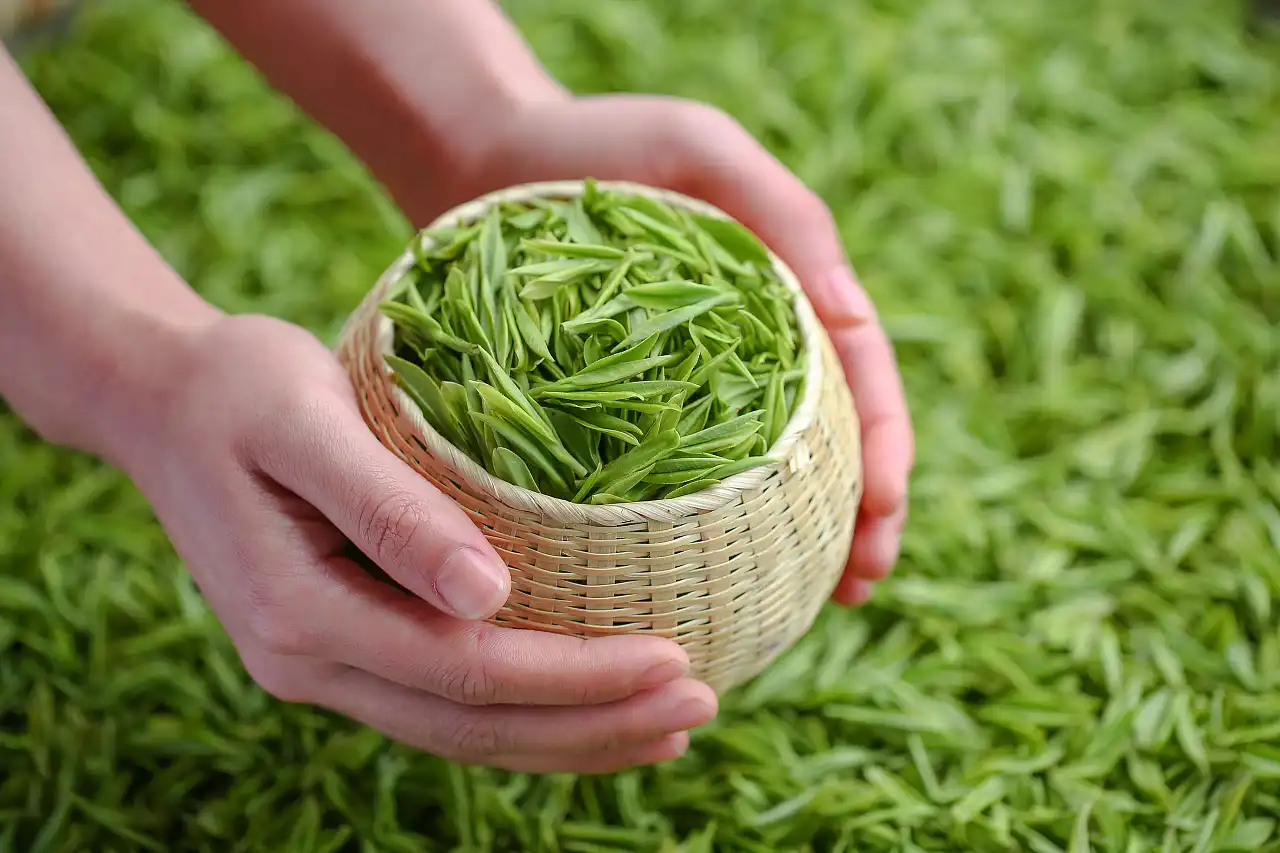
Science-backed antioxidants are in high demand in the beauty and wellness sectors worldwide. EGCG is a fast-growing chemical catalyst for product innovation. Epigallocatechin gallate is Camellia sinensis' strongest catechin. Its antioxidant potency surpasses many popular substances. This comprehensive guide meets the rising need for premium antioxidant solutions by focusing on EGCG's revolutionary potential in beauty products. More than ever, B2B buyers must select ingredients that provide quantifiable outcomes, are cost-effective, and meet all standards. Due to the shift toward data-driven formulations, suppliers must understand EGCG technology and how to scale manufacturing for diverse market segments. Customers now care about ingredients' origins, processing, and efficacy. Companies who use recognised sources for standardised, certified organic extracts have more options. A recent market survey found that EGCG-containing nutraceuticals, functional beverages, and high-end skin care are growing increasingly popular. Formulators may employ the chemical to address metabolic health, UV protection, and cellular ageing in one go due to its flexibility. EGCG sources, processing, and use must be understood by businesses to compete in these fast-growing markets.
Understanding EGCG and Its Antioxidant Benefits
Epigallocatechin gallate is nature's most potent antioxidant molecule. It makes up between 50 and 80% of all the catechins in high-quality green teas. EGCG's chemical structure makes it very good at getting rid of free radicals. In fact, studies have shown that it is 25–100 times more powerful as an antioxidant than vitamins C and E. The compound's high effectiveness comes from its special polyphenolic structure, which has many hydroxyl groups that quickly reduce reactive oxygen species before they damage cell parts.
Chemical Properties and Bioactivity Mechanisms
EGCG's catechin structure lets it work in a number of different antioxidant routes, such as directly removing free radicals, chelating metal ions, and changing the way enzymes work. Instead of manufactured antioxidants that only work in one way, EGCG protects cells from oxidative stress from many different causes at the same time. This multi-pathway method explains why EGCG works better in clinical tests than antioxidants that only do one thing, which are often found in beauty products. Professional-grade EGCG extract powders focus these helpful chemicals while getting rid of the extraneous things that are in raw plant materials. Standardization to 90–98% purity makes sure that all production runs have the same amount of potency. This is very important for makers who need to know how an ingredient will work. During the isolation process, chemicals like caffeine, tannins, and chlorophyll are taken out that aren't needed because they can change the stability of the formulation or add unwanted sensory properties.
Comparative Antioxidant Analysis
Researchers who compared EGCG to common beauty antioxidants found that EGCG performed much better in a number of areas. Ascorbic acid needs to be carefully managed in terms of pH and light protection, but EGCG stays stable in a wider range of formulation conditions as long as it is handled correctly. Even though tocopherol mixtures work, they don't protect cells as well as EGCG's multi-target method does. Resveratrol is not as bioavailable or as good at fighting free radicals as properly made EGCG preparations, despite what the marketing says. Oxygen Radical Absorbance Capacity (ORAC) ratings for high-purity EGCG always are higher than those of rival antioxidants. This gives formulators more options for making antioxidant claims they want. This better performance lets lower inclusion rates stay effective, which could lower the cost of preparation and lower the risk of interactions with other active ingredients.
Top EGCG Infusion Types for Antioxidant Beauty Boosts
As EGCG processing technology has improved, it has led to the creation of different types of infusions, each one best for a specific use in the health and beauty industries. By knowing about these differences, procurement experts can choose the best ingredients that fit the needs of their goal products and their manufacturing skills.
Traditional Green Tea Infusions
EGCG is found in traditional green tea leaves, which also contain flavonoids, catechins, and polyphenolic substances. These broad-spectrum products usually have between 15 and 50 percent total polyphenols, with EGCG making up between 40 and 60 percent of the catechin makeup. The full catechin complex has benefits that work better when used together, but standard extracts can vary from batch to batch and contain chemicals that can get in the way of certain formulation goals. Modern improvements in processing, like standardizing how the tea is picked and controlling the extraction factors, have made traditional green tea brews more consistent. The natural catechin ratios are kept while oxidation, which can lower EGCG level, is kept to a minimum through steam processing and low-temperature cooling. Because of these changes, standard extracts can now be used in situations where the full phytochemical makeup is useful, not just EGCG activity.
High-Purity EGCG Extract Powders
When it comes to EGCG ingredients, the best ones are highly pure extract powders that have 90–98% EGCG concentration thanks to modern chromatographic separation methods. These special ingredients get rid of the formulation errors that come with using complex plant matrices. They also give exact dose control, which is important for goods that make specific antioxidant claims. High-Performance Liquid Chromatography (HPLC) cleaning gets rid of unwanted chemicals while concentrating the desired molecule. This makes ingredients that are stable, bioactive, and easy to dissolve. The cleaning method also makes it possible to make decaffeinated versions that have less than 0.1% caffeine, which is important for making stimulant-free products for sensitive groups of people.
Following are the main reasons why high-purity EGCG products are so useful for beauty uses:
1. Formulation Stability: Purified EGCG gets rid of tannins and chlorophyll, which can change the color of finished goods or cause them to precipitate. This keeps the look of the product uniform over time.
2.Dosage Accuracy: A standardized dosage makes it possible to accurately calculate the antioxidant activity, which helps with following the rules and checking marketing promises.
3. Sensory Neutrality: Getting rid of bitter chemicals and grassy tastes makes it possible to use the ingredient in a lot of different types of products without worrying about how people will react to it.
4. Better bioavailability: Pure extracts can be mixed with substances that help the body absorb them, like piperine, or made into delivery methods that help the skin absorb them and cells take them in.
 These benefits directly address common problems formulators face when working with raw plant extracts, making it possible to create high-quality goods that work reliably.
The makeup industry has come up with complex ways to give EGCG that get the most out of its skin benefits while getting around its inherent stability problems. Liposomal coating keeps EGCG from oxidizing and improves its ability to penetrate the stratum corneum. This lets it reach target cells more deeply, where its antioxidant action is most useful. Micro-encapsulation technologies get rid of EGCG's well-known tendency to turn cosmetics brown when they come into contact with air or alkaline conditions. Advanced encapsulation methods keep the substance stable and provide controlled release rates that make the antioxidant activity last longer throughout the day. Another big step forward in EGCG delivery is nano-emulsion formulas, which make stable dispersions that are better for both looks and function. These methods make it possible to add higher amounts of EGCG without changing the texture of the product or making it precipitate during storage.
How to Choose the Right EGCG Infusion for Your Business Needs
Choosing the right EGCG ingredients requires a thorough analysis of a number of factors that affect both the performance of the product and its ability to make money. When making a procurement choice, you should weigh technical requirements against practical factors such as cost-effectiveness, the reliability of the supply chain, and the need to meet legal requirements.
Supplier Evaluation Criteria
There are many providers in the EGCG market, and each one offers a different level of quality. Choosing the right source is therefore very important for the success of the product. Reliable providers have complete quality control systems that test raw materials, make sure the process works, and analyze finished products using standard methods such as HPLC to check the amount of EGCG they contain. Different markets have different certification needs, but getting organic approval from a known body like the NOP (USDA) or the EC (European Union) gives you peace of mind about the production methods and the integrity of the supply chain. GMP (Good Manufacturing Practice) approval means that processing meets pharmaceutical-grade standards, which is important for nutraceutical uses that need stable purity and potency. Traceability paperwork lets suppliers keep track of ingredients from the time they are grown at the source to the time they are processed, which helps with quality reviews and governmental checks. The most trustworthy providers keep careful records of the factors used for extraction, the methods used for purification, and the results of all analytical tests done on each production batch.
Product Form Selection
The main things that determine whether to use standard extracts or high-purity powders are the needs of the application and the complexity of the mixture. Traditional green tea extracts work well in goods that need the full profile of catechins and don't mind small differences between batches. Most of the time, these extracts are cheaper than other options for uses that need modest antioxidant activity but don't have specific EGCG content goals. When it comes to goods that need exact dosing, health claims, or formulations where other chemicals could affect stability or sensory qualities, high-purity EGCG powders are a must. The higher cost of purified extracts is usually supported by better product stability, better marketing positioning, and less time spent on formulating. For some uses, liquid concentrates are more convenient, but you need to think carefully about how to store them and how to keep them fresh. The presence of water can speed up the breakdown of EGCG if it is not maintained with the right antioxidants and pH control agents.
Dosage Optimization Strategies
The right amount of EGCG to use for each purpose is very different, so it's important to think carefully about bioavailability, goal benefits, and safety profiles. Topical cosmetics usually use concentrations between 0.1% and 2% of the finished product weight. The exact percentage used depends on the skin benefits wanted and the delivery method used. Nutraceuticals that aim to improve metabolic health usually have 200 to 800 mg of EGCG per serving, but bioavailability boosters might make smaller amounts work just as well. The European Food Safety Authority says that people should not take more than 800 mg of EGCG daily from pills to avoid any possible bad effects. Functional beverages need to find a balance between the right amount of EGCG and how well it tastes. Usually, 50 to 200 mg of EGCG per dose is used in formulas that are designed for stability and flavor compatibility. Most of the time, these goods benefit from buffer and pH-adjustment systems that keep the EGCG intact over the course of the shelf life.
Sourcing Reliable EGCG Supplements and Infusions
To get around in the global EGCG supply chain, you need to know about the different regions' manufacturing skills, quality standards, and legal frameworks that affect the availability and performance of ingredients. Because making EGCG is so complicated, connections with suppliers often have a bigger impact on the success of a project than just comparing prices.
Global Supply Chain Analysis
The EGCG supply line starts with growing green tea in certain places, like some parts of China, Japan, and India, that are known for having a lot of catechins. Processing plants in these areas have become very good at extracting and purifying catechins, and they often use secret methods that affect the quality and price of the end product. Scale of production ranges from small specialty makers that focus on organic or premium types to large factories that can make large amounts for the general market. The size of the business affects not only prices but also the consistency of batches, wait times, and the level of technical help that can be very important for complicated formulation projects. Different providers have very different quality control standards. The most dependable ones use thorough testing methods that check for heavy metals, pesticide leftovers, microbiological contamination, and active ingredient proof. These stricter testing methods help companies follow the rules and give customers who care about their health more confidence in the goods they buy.
Pricing Structure Understanding
The price of EGCG depends on how hard it is to remove and clean it. Because of the higher costs and lower yields, high-purity products have higher prices. When pure EGCG is not needed, traditional green tea products that are standardized to 50–98% total polyphenols are usually the most cost-effective choice. When you buy more than 50 to 100 kilograms a year, you can get big discounts. Many sellers have tiered price systems that reward bigger commitments. Long-term supply deals can save you money and make sure you have access to ingredients even when raw materials are scarce or handling is slow. Organic approval raises prices by 15 to 30 percent, but it gives you access to high-end markets where natural buying is a big selling point. The extra cost of organic goods is usually worth it because they are better marketed and people are willing to pay more for natural products that have been approved.
Regulatory Compliance Considerations
International trade in EGCG chemicals is regulated in a lot of different ways, depending on the market target and the intended use. Nutraceutical uses have stricter rules than cosmetic uses, especially when it comes to proving health claims and following the right steps to report bad events. Usually, import paperwork needs certificates of analysis, organic approval (if needed), and compliance statements that talk about the specific rules that the target market must follow. The most professional sellers stay up to date on regulations and offer paperwork packages that speed up the processes of clearing customs and regulatory review. Labeling rules vary a lot from one market to the next. For example, some places need specific words about the amount of EGCG, how it was extracted, or safety warnings. If you know these needs during the buying phase, you won't have to pay as much later on to reformulate or repackage the product.
Maximizing EGCG Benefits While Avoiding Risks
To use EGCG ingredients professionally, you need to know about both the compound's good qualities and any problems that might make the product less safe or less effective. Risk management methods let companies use EGCG's powerful antioxidant qualities while keeping consumers safe and following the rules.
Safety Profile and Dosage Guidelines
Through clinical study, it has been made clear that EGCG is safe for a wide range of uses and dose levels. When properly made and tested, topical applications have very low risks of side effects and good safety ratings. The biggest worry is that people who are already allergic to tea might become more sensitive to it, though this doesn't happen very often in real life. When taking dietary vitamins that get into your system, you need to be more careful about the dose limits and possible conflicts. Establishing a safe upper limit of 800 mg per day for supplement use sets a clear standard for formulating new products. Products that are meant to be used every day should have the right safety measures and clear instructions on how to use them. Because everyone is different, it's important to make it clear that smaller doses should be used at first and that any bad effects should be closely watched. This method works especially well for goods that are meant to be used for a long time or on sensitive groups of people.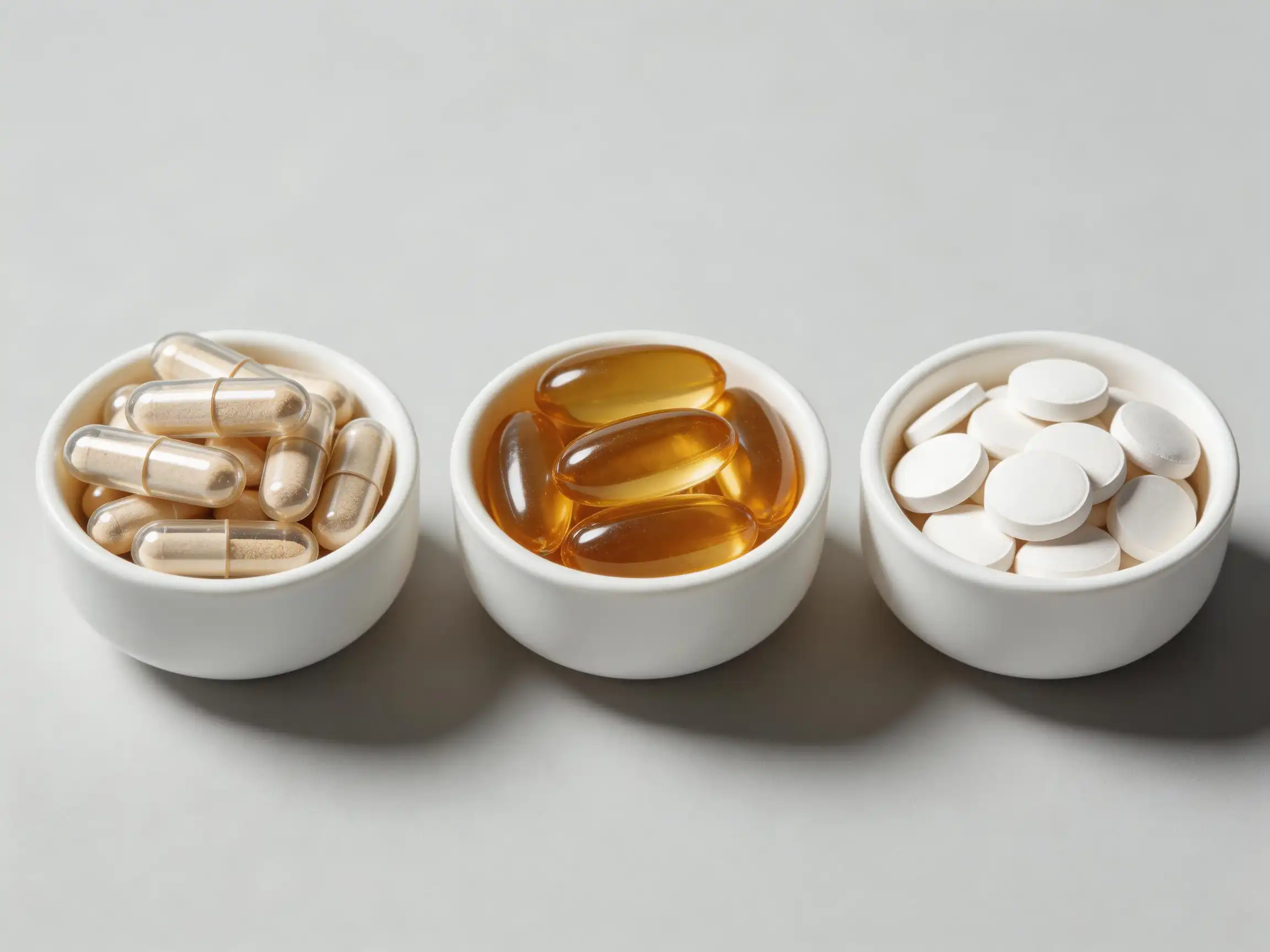
Formulation Optimization Techniques
The biggest scientific problem with using EGCG is that it doesn't break down easily. To keep its effectiveness and stop degradation, specific formulation methods are needed. Controlling the pH level turns out to be the most important thing. The best steadiness is found between 4.0 and 6.0. Conditions that are alkaline speed up decline and can lead to the browning that makes a product look bad. Antioxidant protectors, such as ascorbic acid, sodium metabisulfite, or EDTA, can keep EGCG from breaking down due to oxygen. This makes it last longer. When choosing stabilizers, it's important to think about how well they work with other ingredients in the recipe and any possible limits set by regulators in the target markets. Managing temperature during handling and storage has an effect on how stable a product will be in the long run. EGCG can handle short periods of heat during pasteurization or sterilization, but it should be kept away from high temperatures for as long as possible by following the right production and storing rules.
Real-World Application Success Stories
The skin care business has successfully added EGCG to a number of high-end product lines, showing how to easily work around formulation problems while still giving customers real benefits. Anti-aging serums that use microencapsulated EGCG have stable shelf lives of more than 24 months, during which time they keep their effectiveness and color. Manufacturers of functional drinks have come up with pH-adjusted formulas that keep the EGCG activity in ready-to-drink forms, so they can be sold to a wide audience without having to be kept cold. These goods show that using the right formulation methods can help solve problems with steadiness while still making the product viable for sale. Nutraceutical companies have successfully mixed EGCG with bioavailability boosters like piperine to make goods that are better absorbed than regular green tea extracts. These formulations make it possible to give beneficial doses at lower EGCG levels, which lowers costs while keeping therapeutic promise.
Conclusion
Using EGCG strategically in beauty and health products can be a big chance for companies that want to set their goods apart by using antioxidants that have been proven to work by science. The substance is more powerful than most antioxidants, and new processing methods have solved problems with reliability that existed in the past. This makes EGCG an important ingredient for making high-quality products. Being successful means paying close attention to choosing the right suppliers, making sure that the formulas work best, and following all the rules. But when they do, the goods can gain a competitive edge in markets that are getting more and more crowded. More and more people want natural antioxidants that work, which means the market for properly made EGCG-containing goods will continue to grow.
FAQ
1. What is the optimal EGCG concentration for cosmetic formulations?
EGCG concentrations in cosmetics are usually between 0.1% and 2% of the total weight of the product. This depends on the skin effects that are wanted and the delivery method that is used. Lower concentrations, around 0.1 to 0.5%, offer basic antioxidant protection. Higher amounts, around 1% to 2%, allow for more powerful anti-aging promises. The best concentration relies on how stable the recipe is, how much it costs, and where the product is supposed to fit in the market.
2. How does EGCG compare to other antioxidants in terms of stability?
When compared to vitamins C and E, EGCG is a better antioxidant, but it needs more care when it comes to preparation to stay stable. Ascorbic acid breaks down quickly in water, but EGCG that has been properly prepared can stay stable for more than 24 months as long as it is kept away from alkaline conditions and reactive stress. Concerns about security from the past have mostly been resolved by modern packaging technologies, which makes EGCG more useful for business uses.
3. Is it safe to mix EGCG with other active ingredients?
When they are made correctly, high-purity EGCG products usually work well with most cosmetic and nutritional ingredients. The substance works better with other antioxidants, like vitamin C and vitamin E, so it might offer better protection than methods that only use one ingredient. But alkaline ingredients should be avoided because they speed up the breakdown of EGCG and can change the color of final goods in ways that aren't wanted.
Partner with YTBIO for Premium EGCG Extract Solutions
It is YTBIO's specialty to provide beauty and health product companies around the world with high-quality EGCG extract pills that meet their strict needs. Our wide range of products includes standardized extracts from regular green tea concentrates to high-quality 98% EGCG isolates. All of them come with full certification paperwork and technical support. When it comes to making EGCG products, we know the difficulties that come with them and can give you custom solutions that make your products more stable, bioavailable, and cost-effective. YTBIO is a reliable EGCG supplier with well-established quality systems and regulatory compliance across multiple markets. They provide the technical help and dependability that are necessary for successful product creation. Get in touch with our team at sales@sxytorganic.com to talk about where you can get EGCG and how our quality ingredients can help your products compete in the antioxidant market, which is growing quickly.
References
1. Khan, N., & Mukhtar, H. (2019). Tea antioxidants are good for people's health. 11(1): 39–62 in Nutrients.
2. Steinmann, J., Steinmann, E., Buer, J., & Pietschmann, T. (2013). Epigallocatechin-3-gallate (EGCG), a substance found in green tea, can fight infections. The British Journal of Pharmacology (1986) 168(5): 1059–1073.
3. Chu, C., Deng, J., Man, Y., & Qu, Y. (2017). There are many ways to use epigallocatechin-3-gallate, which is a product from green tea. BioMed Research International, 2017, paper number 5615647.
4. Singh, B. N., Shankar, S., & Srivastava, R. K. (2011). Green tea catechin, epigallocatechin-3-gallate (EGCG): mechanisms, perspectives and clinical applications. Biochemical Pharmacology, 82(12), 1807–1821.
5. Reygaert, W. C. (2014). The ability of green tea to kill germs. 5: 434–448 in Frontiers in Microbiology.
6. Yang, C. S., Lambert, J. D., Ju, J., Lu, G., & Sang, S. Yang, C. S. (2007). Studies on molecules and people show that tea can help avoid cancer. The journal Toxicology and Applied Pharmacology (2012) 224(3): 265-273.