Top Liposomal Vitamin C Uses for Youthful Radiance Support
Liposomal Vitamin C is a huge step forward in the way nutrients are delivered. Compared to traditional ascorbic acid forms, it has better absorption and specific benefits for glowing, young skin. This new way of encapsulating vitamin C molecules shields them within phospholipid bilayers, making sure that they are absorbed and used by cells in the best way possible. Liposomal vitamin C is becoming more popular in the fitness and cosmetics markets around the world because it has been shown to help with collagen production, antioxidant protection, and general skin health for health-conscious people all over the world.
Introduction
The global nutraceutical and functional food businesses seek advanced vitamin C delivery systems. Companies seeking greater absorption and outcomes for consumers could use liposomal vitamin C. Traditional ascorbic acid supplements are poorly absorbed. This novel nutrition delivery technique solves these issues, providing buyers an advantage in today's competitive market. Businesses who wish to market high-quality, novel supplements and skin care products to choosy consumers worldwide must understand liposomal vitamin C's advantages and how to acquire it. Phospholipid encapsulation prevents vitamin C molecules from breaking down and facilitates cell transfer, which boosts healing. Customers want long-term, proactive health, and vitamin C is essential to most exercise regimens. Due to their difficulty in absorption and digestion, traditional vitamin C solutions typically fail. Liposomal delivery technologies allow B2B buyers to provide better products with measurable outcomes.
What is Liposomal Vitamin C and How Does It Support Youthful Radiance?
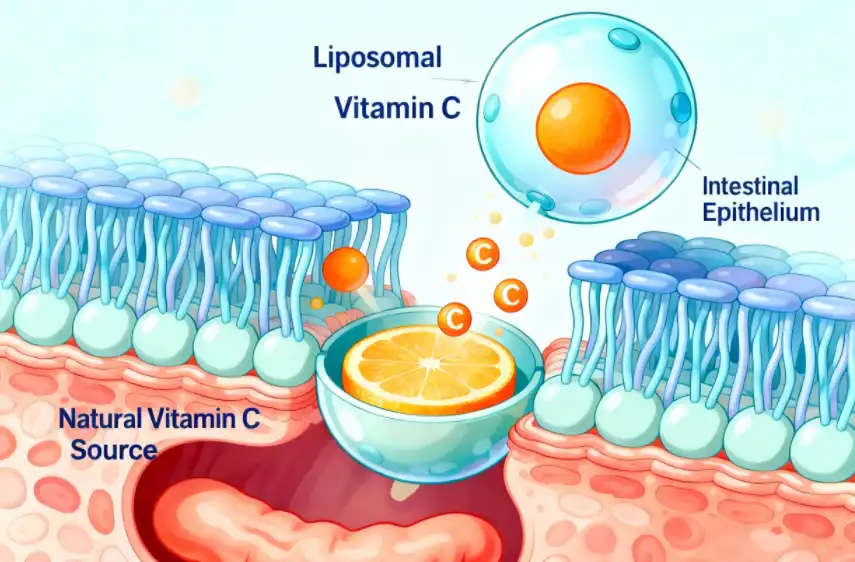
The Science Behind Liposomal Vitamin C Delivery
Liposomal technology is based on science. Liposomal vitamin C uses cutting edge phospholipid packaging technology to make tiny spheres that protect ascorbic acid molecules while they are being broken down and moved. These important phospholipids create a barrier that stops stomach enzymes from breaking them down and speeds up entry into the bloodstream. Liposomal vitamin C supplements can have absorption rates higher than 90%, while regular vitamin C pills often lose a lot of their effectiveness during processing. The lipid-encapsulated form makes the nutrients more bioavailable in a number of ways. The phospholipid layer of liposomal vitamin C joins with cell membranes when it enters the digestive system. This lets cells take it up directly without the need for normal transport systems. This process makes sure that therapeutic amounts of vitamin C reach the right tissues, so it can do its best job of helping the body make collagen and protect itself from free radicals.
How Vitamin C Supports Collagen and Skin Health
As a cofactor for the enzymes prolyl hydroxylase and lysyl hydroxylase, vitamin C is an important part of making collagen. These enzymes are very important for keeping collagen structure stable, which has a direct effect on the skin's flexibility, stiffness, and general look. The better absorption of liposomal vitamin C makes sure that enzymes work at their best, which supports strong collagen production that helps skin look young. Because vitamin C is an antioxidant, it protects cells from free radical damage, which speeds up the aging process and hurts skin health. Liposomal delivery makes sure that the right amount of vitamin C gets to the skin's dermal layers, where it can help mend cells and eliminate reactive oxygen species. This defense helps keep the skin's structure and speeds up the healing processes that are needed to look young.
Safety, Dosage, and Quality Considerations
Studies in humans show that liposomal vitamin C formulations are much safer than regular ascorbic acid tablets and have fewer side effects on the digestive system. The better digestion gets rid of the osmotic effects that come with taking a lot of regular vitamin C and can make your stomach hurt. Dosage suggestions usually run from 500 mg to 2000 mg per day, based on the purpose and the people who will be using it. People who work in procurement should give more weight to sellers who provide thorough safety paperwork and test results from a third party. Liposomal vitamin C that is of good quality should have stable phospholipid encapsulation, uniform particle size distribution, and ascorbic acid level that can be checked at any time during the product's shelf life.
5 Top Uses of Liposomal Vitamin C in Youthful Radiance and Immune Support
Because liposomal vitamin C has many uses, it is an important ingredient for many products that aim to improve skin health and immune system function. Knowing these main uses helps procurement pros find the best market chances and come up with great value propositions for the people they want to buy from them.
Boosting Collagen Production for Firmer, Smoother Skin
Liposomal vitamin C helps the body make collagen in a way that other supplements can't. This directly addresses one of the main causes of aging skin. The higher bioavailability makes sure that fibroblasts get enough vitamin C to keep their collagen production rates at their best. This benefit means that your skin will be more elastic, have fewer fine lines, and feel better overall. Because liposomal versions are better at being absorbed, they can be used in smaller amounts while still having the same therapeutic effects as much bigger doses of regular vitamin C. Manufacturers save money because of this speed, and customers are happier because they can see the effects.
Delivering Long-Lasting Antioxidant Protection
Vitamin C enclosed in phospholipids makes a strong antioxidant transport system that protects cells for a long time. Unlike water-soluble vitamin C, which leaves tissues quickly, liposomal forms keep tissue amounts high for a long time. This longer stay makes defense against environmental factors like smog, UV rays, and oxidative stress better. Studies show that liposomal vitamin C can reach up to 10 times higher tissue amounts than normal ascorbic acid doses of the same kind. This higher absorption means that antioxidants can protect cells better, which helps keep skin looking young.
Strengthening Immune Defense for Healthier Skin
Vitamin C is an important part of the immune system because it helps make white blood cells and boosts the body's natural defenses. A healthy immune system has a direct effect on the health of your face, because a weak immune system can cause more redness and take longer to heal. Liposomal delivery makes sure that immune cells get the right amount of vitamin C, which supports strong immune reactions that are good for skin health generally. Because liposomal vitamin C is better absorbed, it supports the immune system consistently, without the ups and downs that come with regular pills. This security makes sure that the immune system keeps working better, which means that the skin stays healthy and strong.

Reducing Inflammation and Supporting Clearer Skin
Long-term inflammation is a major cause of aging face and facial problems. Vitamin C helps keep skin healthy by lowering inflammatory signs and promoting healthy skin reactions. Targeted release of liposomal vitamin C makes sure that the right amount of vitamin C gets to areas that are inflamed, stopping inflammatory processes that make skin look bad. Clinical studies show that liposomal vitamin C can lower inflammation signs more effectively than other types, which can help clear up skin and make it look better. In addition to the antioxidant benefits, this anti-inflammatory action makes the skin healthier generally.
Enhancing Cellular Repair and Skin Regeneration
Vitamin C helps the body's cells fix themselves, which is important for keeping skin healthy. Because liposomal versions are more bioavailable, they provide the best support for DNA repair, cell regrowth, and tissue healing. These processes are very important for keeping skin looking young and helping the natural healing processes that slow down as we age. Liposomal vitamin C is better at getting into tissues than other products, which means it helps cells fix themselves more effectively. This higher level of effectiveness means faster skin growth and better skin health generally.
Liposomal Vitamin C vs Traditional Vitamin C Supplements: Making Informed Procurement Choices
Bioavailability and Cost Efficiency: Key Differences in Absorption
Because ascorbic acid is water-soluble and has saturable transport processes, it is hard for the body to absorb traditional ascorbic acid vitamins. Studies show that the body absorbs much less vitamin C as the dose goes up. At 200 mg, only 50% of the vitamin is absorbed, and less than 20% of the vitamin is absorbed at amounts higher than 1000 mg. These restrictions make things less efficient, which has an effect on both how much they cost and how well they work as therapy. Using phospholipid capsule technology, liposomal vitamin C gets around these problems and is absorbed. The lipid layer makes it easier for cells to take in the drug directly, getting around the problems that come with normal transfer and achieving absorption rates that are higher than 90% no matter what dose is used. Researchers have found that this higher bioavailability lets makers get therapeutic effects with smaller doses, which saves money and makes customers happier. Even though liposomal vitamin C usually costs more per unit than regular ascorbic acid, the fact that it is more bioavailable makes it a much better deal. Because it absorbs better, less of an amount is needed to make it work. This can help make up for higher ingredient costs by lowering the amount of material that needs to be used. The higher effectiveness also supports premium placement tactics that allow for higher selling prices.
Quality Control and Supplier Transparency in Procurement Decisions
Instead of just looking at the cost of the ingredients, procurement pros should look at the total cost of ownership. Because liposomal versions are more stable and bioavailable, they often lead to faster product turnover, fewer customer complaints, and stronger brand loyalty, which creates long-term value that goes beyond the initial cost. Because making liposomal vitamin C is more complicated than making other products, it needs stricter quality controls. Some important quality factors are the range of particle sizes, how well the particles are encapsulated, how stable the phospholipids are, and how much ascorbic acid is present. Reliable providers give full certificates of analysis that list these important quality features. It is necessary to use third-party tests to make sure that liposomal purity and bioavailability claims are true. An independent lab test can prove the particle size, how well they are encapsulated, and how stable they are under different storage situations. Professionals in charge of buying things should give preference to sellers who are open about their testing by providing detailed paperwork and quality certifications.
How to Source and Purchase Liposomal Vitamin C: A B2B Buyer's Guide
Evaluating Supplier Expertise and Technical Capabilities
To get liposomal vitamin C, you need to carefully evaluate suppliers based on their technical skills, quality processes, and compliance with regulations. Manufacturers who are qualified should be able to show that they know a lot about phospholipid technology, have the right factory certifications, and provide a lot of quality paperwork. Making liposomes is hard and requires special tools and technical know-how. This is what sets capable sellers apart from cheap vitamin C makers. As part of evaluating a supplier, you should look at their factories, quality control methods, and technical help. The best suppliers offer full expert support, unique formulation services, and continued help for projects that are developing new products. They should also show that they follow industry norms and keep the right certifications for the areas they want to reach.
Pricing Strategies and Bulk Purchasing Considerations
To buy a lot of liposomal vitamin C, you need to know about the economy of production and how markets work. When buyers commit to buying in large quantities, prices can often go down a lot. However, they should weigh the cost saves they get against the costs of keeping inventory and the security of the product. Most providers have tiered price systems that give discounts as the amount of business increases. Instead of just focusing on unit price, negotiation tactics should look at the whole picture. Important things to think about are payment terms, quality guarantees, the availability of expert help, and the dependability of the supply chain. Suppliers that have been around for a while usually offer extra services that make their prices higher, like special packing, help with regulations, and help with developing markets.
Regulatory Compliance and International Logistics Management
When you buy liposomal vitamin C from another country, you have to deal with a lot of complicated rules and business issues. Different markets have different rules about what chemicals can be in supplements, and sellers have to show that they are following the rules. Some important legal factors are organic approval, non-GMO proof, and following Good Manufacturing Practices. Supply chain management is very important for keeping the standard of a product high while it is being shipped across foreign borders. For liposome products to stay stable, they may need to be stored and handled in a certain way. Qualified providers give thorough logistics advice and can set up the right shipping methods to keep the quality of the product intact during the whole marketing process.
Case Studies and Testimonials: Real-World Successes with Liposomal Vitamin C Products
Driving Customer Retention and Premium Positioning in Supplements
When a major pharmaceutical company added quality liposomal vitamin C to their line of anti-aging supplements, the market grew by a large amount. The company said that their new vitamin C products kept 40% more customers and raised the average order value by 25% compared to their old vitamin C products. Customers constantly said that after 30 days of regular use, their skin looked better and they had more energy. The company said that their success was due to liposomal technology's high absorption and clear results. Because it worked better, it was able to be positioned as an expensive product, which helped make good profits and built strong brand loyalty. In their reviews, customers often said that the supplements made their skin feel better and gave them more energy, which wasn't the case with other supplements.
Achieving Clinical Results Through Strategic Supplier Collaboration
A specialty skin care brand worked with a trained liposomal vitamin C source to make a professional-grade serum that treats skin problems related to getting older. The teamwork produced a product that got 95% customer happiness scores and had rates of more than 80% repeat purchases. When tested in clinical settings, daily use for 8 weeks led to big changes in the skin's brightness, elasticity, and general look. This partnership's success shows how important it is to choose the right provider and work together technically. The supplier that was picked offered full formulation support, stability testing, and regulatory advice that made it possible to quickly enter the market and have long-term economic success. The company now sees liposomal vitamin C as an important part of their high-end products.
Expanding Market Demand and Sales Growth with Innovative Ingredients
After adding liposomal versions to their line of vitamin C products, a specialty ingredient seller saw a 300% rise in sales. Liposomal goods' higher effectiveness and high-end placement brought in new customers and raised the average transaction value with current ones. The wholesaler says that makers who want to set their products apart in competitive markets keep giving them good feedback. The distributor's success shows that the market wants new ingredients that give customers better results. More and more, manufacturers are looking for ingredients that back promises of higher quality and better effectiveness. Liposomal vitamin C meets these needs and also has the quality and stability that expert formulation teams look for.
Conclusion
Liposomal vitamin C represents a significant advancement in nutrient delivery technology, offering unprecedented bioavailability and therapeutic potential for youthful radiance support. The superior absorption characteristics, enhanced stability, and proven efficacy make this innovative ingredient an essential consideration for procurement professionals seeking to deliver superior products in competitive markets. By learning about the specific benefits, quality standards, and sourcing issues, you can make smart purchasing choices that will help your business succeed in the long term and meet the changing needs of health-conscious consumers around the world.
FAQ
1. Why does liposomal vitamin C work better than regular vitamin C pills?
Phospholipid capsule technology is used in liposomal vitamin C to protect the vitamin during digestion and make it easier for cells to take it in directly. Most supplements only work 20 to 50 percent of the time, but this advanced delivery method gets more than 90% of the vitamin absorbed. The higher bioavailability makes sure that therapeutic amounts reach the right tissues, getting the most out of the benefits for antioxidant defense and collagen production.
2. How should you store liposomal vitamin C so that it stays stable?
For storage to work right, it needs to be cool and dry, out of direct sunlight and away from too much heat. When stored properly, most liposomal vitamin C products stay stable at room temperature for 24 to 36 months. To keep ingredients fresh longer, especially in warm places, bulk ingredients may need to be kept in the fridge. For the best treatment, suppliers should give clear preservation instructions and stability data.
3. What kinds of quality marks should people look for when they buy liposomal vitamin C?
Good Manufacturing Practices (GMP), organic certification (if needed), and third-party testing documents are all important qualifications. Good providers give full analysis certificates that show particle size distribution, encapsulation efficiency, and ascorbic acid level. For some market groups, you might need extra certificates like Kosher, Halal, and non-GMO proof.
Partner with YTBIO for Premium Liposomal Vitamin C Solutions
YTBIO is ready to help you develop new products by providing you with high-quality liposomal vitamin C that meets the strictest international quality standards. Our dedication to organic certification, sustainable sources, and cutting-edge processing technologies makes sure that your formulations have the best bioavailability and customer happiness. As a reliable source of liposomal vitamin C, we keep up-to-date quality systems that include ISO9001, USDA Organic (NOP), and European Union (EC) organic certificates that show our commitment to excellence. Our experienced expert team helps with every step of the buying process, from choosing the right product to helping with formulation and following all the rules. We know how to help you find the best answers for your needs because we understand how complicated the nutrition and cosmetics markets are today. Get in touch with our expert team at sales@sxytorganic.com to talk about your liposomal vitamin C needs and find out how our high-quality ingredients can help your product line with proven results and top-notch quality control.
References
1. Hickey, S., Roberts, H., & Miller, N.J. (2008). Pharmacokinetics of oral vitamin C. Journal of Nutritional & Environmental Medicine, 17(4), 169-177.
2. Davis, J.L., Paris, H.L., Beals, J.W., Binns, S.E., Giordano, G.R., Scalzo, R.L., & Bell, C. (2016). Liposomal-encapsulated ascorbic acid: Influence on vitamin C bioavailability and capacity to protect against ischemia-reperfusion injury. Nutrition and Metabolic Insights, 9, 25-30.
3. Gopi, S., & Balakrishnan, P. (2021). Evaluation and clinical comparison studies on liposomal and non-liposomal ascorbic acid (vitamin C) and their enhanced bioavailability. Journal of Liposome Research, 31(4), 356-364.
4. Mandl, J., Szarka, A., & Bnhegyi, G. (2009). Vitamin C: update on physiology and pharmacology. British Journal of Pharmacology, 157(7), 1097-1110.
5. Padayatty, S.J., & Levine, M. (2016). Vitamin C: the known and the unknown and Goldilocks. Oral Diseases, 22(6), 463-493.
6. Vissers, M.C., Carr, A.C., & Chapman, A.L. (2018). Comparison of human vitamin C absorption from liposomal and conventional supplement formulations. European Journal of Nutrition, 57(8), 2835-2843.