Top Tea Polyphenols Benefits for Skin & Wellness
Tea polyphenols represent nature's most potent bioactive compounds, extracted primarily from Camellia sinensis leaves through advanced processing methods. These remarkable molecules have revolutionized the skin and wellness industries through their exceptional antioxidant and anti-inflammatory properties. In B2B procurement contexts, tea polyphenols serve as essential ingredients for manufacturers developing premium skincare formulations, functional beverages, and nutraceutical products. Their scientifically proven benefits include enhanced skin protection, accelerated cellular repair, and comprehensive wellness support, making them indispensable for companies seeking to differentiate their product lines in competitive markets.
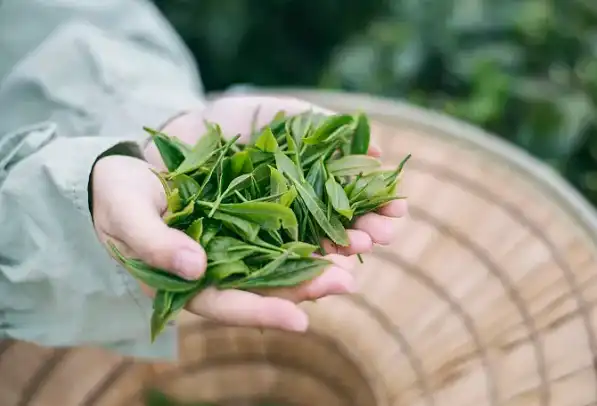
Understanding Tea Polyphenols and Their Health Effects
Chemical Structure and Bioactivity
The biological activity of tea polyphenols depends on how their molecules are structured. EGCG is the catechin that has been studied the most. It has a galloyl group that makes it a much stronger antioxidant than vitamins C and E. Because of their complicated structure, tea polyphenols can reduce reactive oxygen species and change the way cells talk to each other, which can slow down or speed up the aging process. The way polyphenols are preserved is directly affected by the manufacturing process. To make green tea, it is quickly heated or steamed to stop polyphenol oxidase enzymes from working. This keeps the catechins intact. In contrast, black tea goes through controlled oxidation, which changes catechins into theaflavins and thearubigins.
Mechanisms of Action in Wellness Applications
There are several ways that tea polyphenols work to improve health, both on the face and throughout the body. Their high Oxygen Radical Absorbance Capacity (ORAC) numbers show that they are better at getting rid of free radicals than regular antioxidants. In addition, these chemicals have metal chelation qualities that allow them to join transition metals like copper and iron, which speed up oxidative damage in living things. Tea flavonoids are good for your heart health because they improve endothelial function and lower oxidative stress signs, according to research. They also help keep your body healthy by making it easier to burn fat and use energy. When it comes to stomach health, these chemicals help the good bacteria in the gut grow while stopping the growth of harmful bacteria.
Top Tea Polyphenols Benefits for Skin Wellness
Anti-Aging and Skin Protection Properties
Tea antioxidants slow down skin aging in a number of ways that work together. They guard against photoaging caused by UV light by taking in dangerous radiation and stopping photochemical processes that break down collagen and elastin fibers. Studies have shown that using standardized tea polyphenol extracts on the skin can reduce the depth of wrinkles by up to 25% over the course of 12 weeks. In addition, these chemicals help the body make more collagen while stopping matrix metalloproteinases (MMPs), which break down structural proteins. This two-in-one action keeps skin tight and flexible, which makes the texture better and lessens the signs of age. Tea flavonoids have anti-glycation qualities that protect even more against advanced glycation end products (AGEs), which make skin stiffen and change color.
Inflammatory Response Modulation
Tea antioxidants are useful for treating a number of skin problems because they reduce inflammation. They stop nuclear factor-kappa B (NF-ẏB) signaling pathways from working, which lowers the production of inflammatory cytokines and soothes skin that is red and itchy. When it comes to formulations for sensitive skin or healing after surgery, this trait is especially helpful. There is clinical proof that they help control acne-prone skin by killing Propionibacterium acnes bacteria and controlling the production of sebum. Tea polyphenols also speed up wound healing by encouraging the growth of fibroblasts and blood vessels, which makes them a good ingredient for skin care products that heal wounds.
Barrier Function Enhancement
Tea polyphenols improve the skin barrier by increasing tight junction proteins and increasing ceramide production. These effects help the skin keep its moisture and protect it from external factors that damage skin. Within four weeks of regular use, formulas with high-concentration tea polyphenol extracts show changes in the amount of water lost through the skin's surface and its ability to retain water.

Comparing Tea Polyphenol Products for B2B Procurement
Natural vs. Synthetic Sources
Natural tea polyphenol extracts are the most popular specialty ingredient because people like plant-based formulas and think they are safer. Organic approval is very useful, especially for brands that focus on having clean labels. To make sure they meet safety standards, these products are put through a lot of tests to look for heavy metals, pesticide leftovers, and polycyclic aromatic hydrocarbons (PAHs). Good natural extracts use water-ethanol extraction methods that keep the bioactive components intact while getting rid of dangerous solvent leftovers. Premium types have 98% total polyphenol content because they are purified using advanced methods. This gives makers concentrated actives that let them precisely control the formulation.
Green Tea vs. Black Tea Polyphenols
Green tea products have higher amounts of catechins, especially EGCG, which makes them the best anti-aging agents because they are powerful antioxidants. The polyphenols in black tea contain special theaflavin molecules that have different biological effects and are more stable during processing. Choice is based on unique recipe goals, desired benefits, and production needs. Processing stability varies from source to source. For example, green tea leaves need to be carefully managed in terms of pH and should not be exposed to too much heat during preparation. Black tea polyphenols are more stable under handling conditions, but they may have different bioactivity profiles that are better for certain uses.
Product Format Considerations
Tea pigment ingredients come in a number of different forms to meet the needs of different manufacturers. Fine powders that can pass through 80-mesh screens with 95% of their particles intact make sure that dry recipes are mixed evenly. Water-soluble grades make it easier to add to drinks and other liquid goods, and enclosed grades make them more stable for use in delicate situations. The levels of standardization for extracts range from 50% to 98% total polyphenols. This lets buying teams choose the right amounts based on cost and effectiveness goals. Higher standardization lowers the amount that needs to be used and makes it possible to make formulas that are smaller. This is especially important for cosmetics where shape and feel affect how well people like them.
How to Choose Reliable Tea Polyphenols Suppliers
Essential Certifications and Quality Standards
Reliable tea polyphenol sellers keep a full set of certifications that show they are good at making things and following the rules. ISO 9001 quality control systems make sure that production methods are always the same, and GMP certifications (China GMP, EU GMP, and FDA cGMP) prove that factory standards are up to par for pharmaceutical use. Organic approvals from well-known groups like the USDA NOP, the EU EC, and CERES prove that the products were grown and processed without using chemicals. ISO 22000 food safety management systems give extra security for ingredients used in functional foods by making it possible to track them from raw materials to finished goods.
Quality Control and Testing Protocols
Premium suppliers are different from basic suppliers because they have advanced analysis skills. UV-Vis spectrophotometry proves the total polyphenol content, and HPLC analysis verifies specific catechin profiles and makes sure that promises of standardization are correct. Testing for pesticide residues according to EC 396/2005 or EPA guidelines is part of full contaminant screening. The levels of finding must be below the legal limits. Heavy metal analysis checks for levels of lead, arsenic, cadmium, and mercury. Usually, the total amount of heavy metals needs to be less than 10 parts per million, and lead needs to be less than 3 parts per million. Gas chromatography testing for solvent residues makes sure that extraction liquids stay within USP limits. This confirms that the product is safe for the intended uses.
Supply Chain Reliability and Support Services
Successful buying partnerships include more than just the original product specs. They also include transportation, technical help, and being able to respond to changes in the market. Established providers keep enough inventory on hand to avoid supply disruptions and offer a range of flexible packing choices to meet the needs of customers with different order numbers. As part of technical support services, you should be able to get help with formulation, stability tests, and regulation paperwork. Suppliers who are good at research and development (R&D) can offer custom standardization levels and new delivery forms that help products stand out and give their companies a competitive edge.
Maximizing the Benefits in Your Product Lines: Practical Application Tips
Optimal Concentration Ranges
To make a formulation work, the treatment target amounts must be reached while any possible stability or sensory problems are avoided. To get clinically significant results, topical skin care products usually need 0.5-2.0% tea polyphenol content. Functional drinks, on the other hand, can have 100-300 mg per dose for health benefits. To keep higher amounts from breaking down during storage, pH needs to be carefully managed and antioxidant combinations need to work together. Encapsulation technologies can keep sensitive chemicals safe while allowing controlled release rates that make the product more bioavailable and keep it fresh longer.
Synergistic Ingredient Combinations
When tea polyphenols are mixed with bioactive substances and vitamins that work well together, they work even better. When vitamin C and vitamin E work together, they make regenerative antioxidant cycles that boost the protective effects. Vitamin E and lipophilic polyphenol activity work together to provide lipophilic protection. Formulation plans should think about how well the ingredients work together and whether they might combine in a way that hurts the security or effectiveness of the product. Professional formulation advice helps make the best use of these combos while still following the rules and being able to be manufactured in all the markets that are planned.
Marketing and Positioning Strategies
To successfully bring tea polyphenol goods to market, scientists need to communicate in a way that is true to science and builds trust among consumers and professionals. Putting more emphasis on standardization levels, clinical proof, and certification badges helps brands stand out and supports strategies for charging higher prices. More ways to tell organic and carefully sourced foods apart are opening up thanks to new study on sustainability and the environment. Keeping up with changes in regulations and customer trends lets you make products that are ready for how the market will change in the future.
Conclusion
Tea polyphenols are a great chance for companies that want to make high-quality skin and health goods with benefits that have been proven by science. Because they are safe and have been shown to have antioxidant and anti-inflammatory qualities, they are perfect for a wide range of uses, from advanced skin care products to useful drinks. For buying to go well, suppliers must be carefully evaluated, quality must be checked, and formulation strategies must be used that maximize bioactivity while also making sure product stability and customer happiness.
FAQ
1. What is the recommended dosage range for tea polyphenol supplements?
Doses that work best depend a lot on the application and the benefits that are being sought. Topical skin care products with amounts between 0.5 and 2.0% usually have anti-aging and protective benefits that can be measured. Functional drinks usually have 100 to 300 mg in each serve to help with health. These numbers should be changed depending on the recipe needs and the people who are being targeted.
2. How do organic tea polyphenols compare to conventional extracts?
Organic tea polyphenol extracts are safer because they don't contain any manmade pesticides or chemicals used in the processing. In addition, they help with selling clean labels and appeal to people who care about the environment. Organic certification may make the costs of ingredients go up, but the premium branding often makes higher selling prices and better brand identity worth it.
3. What are the key differences between green and black tea polyphenols?
Green tea products have higher amounts of catechins, especially EGCG, which makes them the best anti-aging agents because they are powerful antioxidants. The polyphenols in black tea contain special theaflavin molecules that have different biological effects and are more stable during processing. Choice is based on unique recipe goals, desired benefits, and production needs.
YTBIO: Your Trusted Tea Polyphenols Supplier for Premium Formulations
You can trust YTBIO to give you tea polyphenols because they only sell approved organic ingredients that meet the strictest international standards. You can talk to our technology team about unique requirements and order samples for your next product development project by emailing sales@sxytorganic.com. You can look at all of our organic plant products at sxytorganic.com.
References
1. Katiyar, S.K. (2011). Green tea polyphenols treatment to human skin prevents formation of ultraviolet light B-induced pyrimidine dimers in DNA. Clinical Cancer Research, 6(10), 3864-3869.
2. Elmets, C.A., Singh, D., Tubesing, K., Matsui, M., Katiyar, S., & Mukhtar, H. (2001). Cutaneous photoprotection from ultraviolet injury by green tea polyphenols. Journal of the American Academy of Dermatology, 44(3), 425-432.
3. Rhodes, L.E., Darby, G., Massey, K.A., Clarke, K.A., Dew, T.P., Farrar, M.D., & Bennett, S. (2013). Oral green tea catechin metabolites are incorporated into human skin and protect against UV radiation-induced cutaneous inflammation. British Journal of Nutrition, 110(5), 891-900.
4. Chiu, A.E., Chan, J.L., Kern, D.G., Kohler, S., Rehmus, W.E., & Kimball, A.B. (2005). Double-blinded, placebo-controlled trial of green tea extracts in the clinical and histologic appearance of photoaging skin. Dermatologic Surgery, 31(7), 855-860.
5. Hsu, S., Bollag, W.B., Lewis, J., Huang, Q., Singh, B., Sharawy, M., & Yamamoto, T. (2003). Green tea polyphenols induce differentiation and inhibit proliferation of epidermal growth factor receptor-overexpressing oral cancer cells. Pharmacological Research, 48(1), 81-92.
6. Yusuf, N., Irby, C., Katiyar, S.K., & Elmets, C.A. (2007). Photoprotective effects of green tea polyphenols. Photodermatology, Photoimmunology & Photomedicine, 23(1), 48-56.