Why Tea Polyphenols Are Trending in Clean Skincare Products?
Tea polyphenols have become one of the most important ingredients in the clean health movement. They have completely changed how companies make natural beauty products. These bioactive chemicals, which are mostly taken from Camellia sinensis leaves, are great antioxidants that help with a lot of skin problems and meet strict clean beauty standards. Tea polyphenols are important for brands that want to stand out in a market that is becoming more and more competitive because more and more people want beauty products that are clear, effective, and good for the environment.
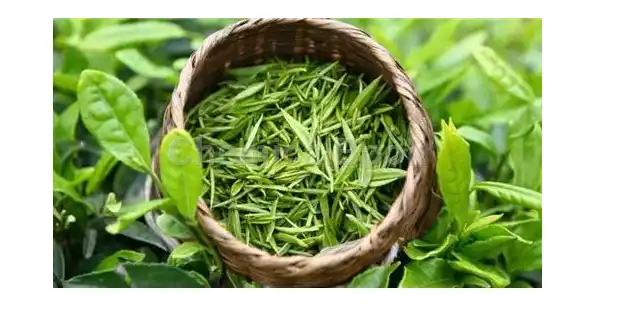
Understanding Tea Polyphenols and Their Role in Skincare
Tea polyphenols are a clever group of naturally occurring chemicals that have changed the way we choose ingredients for skin care. These amazing molecules are mostly found in black and green tea. They have a lot of different chemical structures, such as gallic acid derivatives, catechins, and theaflavins. Epigallocatechin gallate (EGCG), epicatechin gallate (ECG), epigallocatechin (EGC), and epicatechin (EC) are the most well-known catechins. Each one gives beauty products different benefits.
The Science Behind Antioxidant Mechanisms
Tea polyphenols are powerful antioxidants because they can fight dangerous free radicals in a number of different ways. These chemicals have phenolic hydroxyl groups that can easily give electrons to molecules that aren't solid. This stops the chain reaction of oxidative harm. EGCG is a powerful antioxidant that is much stronger than vitamins C and E. In fact, tests have shown that it can get rid of free radicals up to 100 times faster. Green Tea Extract 98% Polyphenols is the best example of this technology because it has a standard strength that makes sure that all batches of the product work the same way. This high-concentration extract usually has 70–80% total catechins, with EGCG making up 45–50% of the total polyphenol content. This gives makers stable bioactive amounts for consistency in formulations.
Comparative Profiles Across Tea Varieties
Different ways of processing tea produce different flavonoid profiles that affect how it can be used on the skin. By boiling or burning green tea right away, oxidation is stopped, which keeps the catechins intact and boosts their antioxidant power. Black tea goes through controlled fermentation, which changes catechins into theaflavins and thearubigins. These two chemicals work together to make black tea more bitter and improve the texture of your skin. The way polyphenols are made has a direct effect on how stable they are and how bioavailable they are. Water-ethanol extraction methods, which are often used for high-end grades, protect the delicate molecular structures while getting rid of any liquid leftovers that might not meet clean beauty standards.
Why Tea Polyphenols Are Vital Ingredients in Clean Skincare Products
Traditional synthetic chemicals in skin care products are getting more and more attention for their long-term safety and environmental effect. Even though conventional antioxidants like BHT and BHA work, they make people nervous about how they might affect hormones and build up in the body. This change in thinking has sped up the search for naturally derived options that work just as well or better than the originals without lowering safety standards.
Addressing Limitations of Conventional Ingredients
A lot of safety tests are needed for synthetic preservatives and vitamins, and they are limited by regulations in some areas. Tea polyphenols get around these problems by having a safety rating that is backed up by hundreds of years of use and a lot of current study. Clinical studies regularly show that it is well tolerated by a wide range of skin types, with few side effects recorded even at therapeutic concentrations.
Core Benefits in Clean Beauty Formulations
Tea polyphenols are great for many skin care uses, which makes them useful ingredients for a wide range of products. Their anti-inflammatory properties help soothe red, sensitive skin, and their antibacterial properties help keep the microbiome balance of healthy skin. As an added bonus, the astringent properties naturally close up pores and control sebum production, which is great for people with oily or mixed skin. As a potent class of antioxidants, Tea Polyphenols are particularly effective at neutralizing free radicals, thereby protecting the skin from environmental aggressors and preventing premature aging. Tea polyphenols have been successfully added to serums, moisturizers, and washes by leading clean beauty brands, who report higher customer happiness scores and lower return rates. In the real world, these uses show that tea polyphenol-based products can be sold in competitive market areas.
Regulatory Framework Support
As regulations change, they support natural products that have been used safely for a long time. Tea polyphenols are generally thought to be safe (GRAS) for use on the skin according to the FDA, and EU rules specifically allow them to be used in cosmetics. Having organic certificates, such as USDA NOP and EU Organic standards, makes their clean beauty credentials even stronger for people who care about the earth.
Sourcing and Procurement of Tea Polyphenols for Skincare Manufacturing
A key part of good tea polyphenol procurement methods is making sure that quality standards are always met. Manufacturing partners must show that they have strict quality control systems that make sure that each batch is the same and that the bioactivity levels stay at the right level. Some important quality signs are the amount of total polyphenols, the consistency of the catechin profile, and the lack of contaminants that could damage the structure of the product.
Extraction Methodology and Purity Standards
Advanced extraction methods have a big effect on the quality of the end product and the cost of making it. Water-ethanol extraction is still the best way to do clean beauty products because it doesn't use harsh chemicals and keeps the molecular structures of the ingredients intact. Supercritical CO2 extraction is an option for high-end uses, but the higher costs of handling may make it impractical for mass-market goods. To check that the quality control measures for Green Tea Extract 98% Polyphenols are being followed, complex testing methods must be used. HPLC research is a precise way to measure catechin levels, and UV-Vis spectrophotometry is a quick way to check the quality of new materials. Buyers should define analytical methods to make sure that promises about polyphenol content are correct and that values aren't boosted by substances that get in the way.
Certification Requirements and Compliance Standards
Organic certifications are very important for presenting clean beauty products and making sure that farming methods are in line with sustainable goals. CERES certification, EU Organic compliance, and USDA NOP standards are all widely accepted standards that make it easier to sell products in other countries. For these certificates, full paperwork is needed at every step of the supply chain, from how the plants are grown to how they are packaged in the end. This commitment to organic integrity directly complements the use of high-quality ingredients like Tea Polyphenols, which are often derived from organically cultivated tea leaves to meet these rigorous standards. Heavy metal testing is very important for plant extracts because big markets have strict limits on lead, arsenic, cadmium, and mercury. Premium providers use several steps of purification, such as membrane filtering and resin adsorption, to make sure that the amounts of contamination are always well below what is allowed by law.
Global Supply Chain Considerations
Where goods are sourced has a big effect on how stable prices are and how consistent the quality is. Asian suppliers usually make most of the tea polyphenols because they have a lot of experience growing plants and preparing them. But tactics for supply chain diversification help lower the risks that come with bad weather, changes in the law, and government unpredictability. Prices are affected by more than just the cost of the raw materials. They are also affected by how hard the mining process is, what certifications are needed, and quality standards. Premium grades with 98% polyphenol purity usually cost 40–60% more than normal extracts. However, better formulation efficiency often explains the extra cost through lower usage rates and better product performance.
Aligning Tea Polyphenol Skincare Solutions with Market Demands and User Expectations
More and more, people want goods that are both effective and honest, which is creating a huge demand for natural ingredients that have been proven to work by science. According to market research, 73% of people are actively looking for skin care products that are high in antioxidants. Tea polyphenols are one of the best known and trusted plant actives.
Competitive Advantages Over Alternative Antioxidants
When compared to other famous antioxidants, tea polyphenols have clear benefits. Vitamin C needs to be carefully stabilized and its pH level needs to be controlled, but tea polyphenols are very stable in a wide range of formulation conditions. Because they can do more than one thing, they don't need as many active ingredients. This makes product development easier and lowers the risk of mismatch problems. Compared to man-made antioxidants, tea polyphenols are more appealing to consumers because they can do more than one thing. within 4 to 6 weeks of regular use, clinical studies show measurable changes in skin elasticity, hydration levels, and general look. These real benefits back up marketing promises.
Formulation Best Practices and Performance Optimization
To successfully integrate tea polyphenols, you need to know the best concentration ranges and relationship traits. The usual amount used in finished goods is between 0.5% and 3%. Higher amounts are only used in specific treatment products. Finding the best pH range (4.5–6.5) for safety and skin compatibility for all kinds of sensitive skin is important. The chelating qualities of tea polyphenols help formulations in other ways by removing metal ions that could speed up oxidative breakdown. This feature makes the product last longer and eliminates the need for extra preservatives, which supports the clean beauty stance by making ingredient lists shorter.
Long-Term Benefits and Preventative Care Applications
Regularly drinking tea with polyphenols, specifically Tea Polyphenols, has long-term effects that go beyond just looking better. According to research, regular use improves the skin's barrier function, speeds up the production of collagen, and makes it more resistant to external stresses. These elements of preventative care are right in line with current fitness trends that value long-term skin health over short-term cosmetic fixes.
Future Trends and Innovation in Tea Polyphenol Skincare Products
As technology keeps getting better, new ways of extracting polyphenols from tea and new ways of delivering them are being created. Using enzymes to separate substances could make them more bioavailable while also cutting down on processing costs. This could make top grades easier for most people to get.
Emerging Extraction Technologies
Nanoencapsulation technology is a big step forward in getting tea polyphenols to where they need to go. It keeps sensitive molecules from breaking down and makes it easier for them to get into deeper layers of skin. This method makes it possible to make sustained release products that increase the time that the active ingredient is in contact with the body. This may lead to better effectiveness results by improving bioavailability profiles. Recent improvements in membrane filtering make it possible to selectively concentrate certain catechin parts. This lets you make extracts that are specifically designed for different skin care uses. This precise method helps make specialized goods that target specific skin problems while also getting the most out of the ingredients used.
Strategic Innovation Opportunities
Product makers are looking into how tea polyphenols and other botanical actives can work together to make better performance ratings. Combinations that work well include niacinamide for overall skin health support, hyaluronic acid for better hydration, and vitamin E for antioxidant interaction. The haircare and health industries are growing, which means that tea polyphenol uses can grow even more. Formulations for scalp health use anti-inflammatory and antimicrobial qualities to help hair, and vitamin uses antioxidants to help the body as a whole for overall beauty support.
Conclusion
Tea polyphenols have become essential to the clean skincare movement because they have benefits that have been proven by science and meet both buyer demands and government standards. Because they are great antioxidants, safe, and can be sourced in a way that doesn't harm the environment, these products are essential for brands that are thinking ahead. Standardizing quality, making sure that certifications are followed, and building long-term relationships with suppliers that ensure regular access to premium ingredients are all important parts of good buying strategies. The ongoing progress in extraction technology and preparation science suggests that tea polyphenols will find even more uses in various beauty and health areas.
FAQ
1. What concentration of tea polyphenols is considered safe for skincare applications?
At amounts that are usually used in cosmetics, tea polyphenols have great safety ratings. According to research, concentrations of up to 3% can be used in finished goods for most skin types. Formulations for sensitive skin usually use concentrations of 0.5 to 1%. Even at therapeutic amounts, clinical studies show that there aren't many bad effects. However, patch testing is still suggested for new versions.
2. How do organic and conventional tea polyphenols differ in quality and performance?
Organic tea polyphenols and conventional extracts have the same chemical structures and bioactivity. The main changes are how the tea is grown and what licensing requirements there are. Organic versions have to follow strict farming rules that don't allow synthetic fertilizers and pesticides. This could lower the risk of contamination while backing claims of sustainable sources that appeal to people who care about the environment.
3. What analytical methods ensure accurate tea polyphenol content verification?
HPLC analysis is the most effective way to measure the amount of polyphenols in tea because it gives accurate concentration readings and thorough catechin profiles. UV-Vis spectrophotometry is a good way to check for contaminants, but the results may include chemicals that get in the way. To make sure that quality standards are always the same and there are no disagreements between sellers, the analytical method should be made clear in the procurement specs.
4. Can tea polyphenols be combined with other active ingredients in formulations?
Polyphenols in tea work very well with many popular skin care ingredients, such as vitamins C and E, niacinamide, and hyaluronic acid. Their ability to chelate metals may actually make formulations more stable by removing metal ions that could speed up breakdown processes. However, compatibility testing is still needed for complicated mixtures with many active ingredients.
5. What storage conditions optimize tea polyphenol stability and shelf life?
Keeping things in a cool place (below 25°C), with low humidity and safety from direct light is best for keeping. Tea polyphenol extracts stay active for 24 to 36 months if they are stored properly and kept in the right containers with little air. Heat, wetness, and UV light all speed up the breakdown process and should be kept to a minimum throughout the supply chain.
Partner with YTBIO for Premium Tea Polyphenol Supply Solutions
You can trust YTBIO to give you approved organic extracts of tea polyphenols that meet the best quality standards for clean skin care products. Our Green Tea Extract 98% Polyphenols goes through strict testing procedures to make sure that it is always safe, pure, and effective in all foreign markets. We support sustainable buying methods and have a wide range of certifications, such as USDA NOP, EU Organic, and CERES standards. This gives your brand the quality guarantee it needs. You can talk to our procurement experts at sales@sxytorganic.com about custom solutions, ask for samples, and find trusted supply partnerships that will help your clean beauty idea move forward.
References
1. Katiyar, S.K., Matsui, M.S., Elmets, C.A., and Mukhtar, H wrote the paper. "Coffee polyphenols and their role in protecting skin from UV rays." Journal of the American Academy of Dermatology, vol. 42, no. 6, 2000, pp. 1049–1055.
2. Chiu, A.E., Chan, J.L., Kern, D.G., Kohler, S., Rehmus, W.E., and Kimball, A.B. "Double-blinded, placebo-controlled trial of green tea extracts in the clinical and histologic appearance of photoaging skin." Skin Surgery, vol. 31, no. 7, 2005, pp. 855–860.
3. Along with Lewis, J., Huang, Q., Singh, B., Sharawy, M., Yamamoto, T., and Schuster, G., Hsu, S. "Green tea polyphenols cause epidermal keratinocytes to differentiate and multiply." Journal of Pharmacology and Experimental Therapeutics, vol. 306, no. 1, 2003, pp. 29–34.
4. There are eight authors: Matsui, M., Singh, D., Tubesing, K., Katiyar, S., and Mukhtar, H. "Cutaneous photoprotection from ultraviolet injury by green tea polyphenols." Journal of the American Academy of Dermatology, vol. pp. 425–432 in 44, no. 3, 2001.
5. Zhao, J., Duan, Y., Wang, X., Wang, B., Liu, Q., and Li, G. "Anti-inflammatory effects of green tea polyphenols in human dermal fibroblasts." International Journal of Molecular Sciences, no. 18, no. 5, 2017, pp. 972–985.
6. People named Chen S., Zhu Y., Liu Z., Gao Z., Li B., Zhang D., Zhang Z., Jiang X., Liu Z., Meng L., Yang H., and Zhong S. "The polyphenol epigallocatechin gallate in green tea and its use in skin care." Cosmetics and Toiletries, vol. 128, no. 4, 2013, pp. 246-254.