Alfalfa Grass Powder Guide: Nutrition & Applications
Alfalfa Grass Powder is a useful ingredient that is high in nutrients and is changing how makers make clean-label products. This emerald-green powder comes from young alfalfa plants (Medicago sativa) that were carefully picked. It contains all of the plant proteins, minerals, and bioactive chemicals that current consumers want in organic, sustainable products. As vegan nutrition brands and supplement makers look for alternatives to manufactured chemicals, it becomes important to know the unique nutritional profile and wide range of uses for Alfalfa Grass Powder in order to make competitive products.
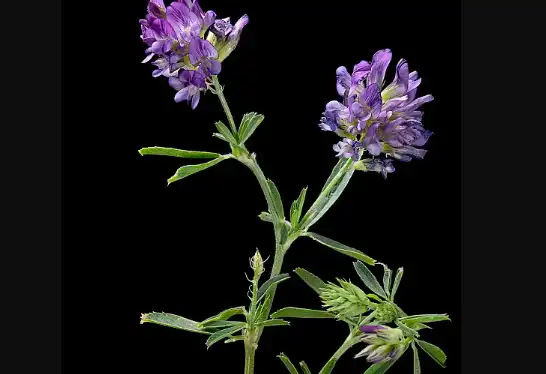
Understanding Alfalfa Grass Powder: Nutrition and Health Benefits
Production Process and Quality Standards
Every step of the process of making organic Alfalfa Grass Powder needs to be done with great care. Certified organic farms usually wait 25 to 30 days after cutting the grass to take it when it is fully grown. When you dry something at temperatures below 45°C, you keep the enzyme activity and heat-sensitive vitamins that normal processing kills. A 200-mesh particle size (75 microns) is made by advanced micronization. This makes sure that the particles mix smoothly in liquid formulas without getting gritty as larger fibers do. This fine texture is very important for ready-to-drink drinks and protein shake mixes, where the experience of the customer directly affects how often they buy again. The moisture level is kept well below 5% to stop microbes from growing and to keep the product from sticking while it's being stored. The Alfalfa Grass Powder naturally has a pH between 7.0 and 8.0 when mixed with water, which is one reason why many health brands stress its alkalizing qualities. Quality control procedures make sure that the chlorophyll content is usually higher than 200 mg per 100g. This shows that the fruit was picked at the right time and was processed gently.
Comprehensive Nutritional Profile
The nutritional makeup of Alfalfa Grass Powder meets a number of recipe goals at the same time. Protein levels range from 15 to 22% by weight, and all necessary amino acids are present in forms that the body can use. This full protein makeup helps muscle repair formulas without the allergen worries that come with soy or dairy proteins. The green powder with the highest percentage of vitamin K also has high amounts of vitamins A, C, E, and B-complex, which help the metabolism and protect cells from damage. The mineral content shows that Alfalfa Grass Powder has deep roots that get calcium, magnesium, potassium, phosphorus, and iron from layers of earth that shallow-rooted plants can't reach. This natural binding of minerals makes them more bioavailable than products that only contain minerals. Saponins found in Alfalfa Grass Powder have been shown to help lower cholesterol, which opens up new product lines for heart health. The mostly insoluble fiber content helps keep digestion regular without adding too much fat. This lets formulators increase fiber content while keeping texture profiles that people like.
Health Benefits Across Applications
Research shows that Alfalfa Grass Powder is useful for many different types of products because it is good for many different systems. Prebiotic grains and enzymes are both used in digestive health products to help keep the gut bacteria balanced. The alkalizing minerals help balance out the acidity of food, which helps with stomach problems without using medicine. Formulations that help the immune system work better when vitamins C and E work together with selenium and zinc as antioxidants. Saponins and flavonoids, which change inflammatory pathways, give Alfalfa Grass Powder its anti-inflammatory qualities. This makes them useful for healing supplements and goods for people who live a busy lifestyle. Chlorophyll can absorb environmental toxins and help phase II liver processing, which helps with detoxification. Skincare companies use Alfalfa Grass Powder extract because it contains phytoestrogens Alfalfa Grass Powder and antioxidants that protect against external stresses. The minerals in Alfalfa Grass Powder extract also help the body make collagen.
Comparative Analysis: Choosing the Right Green Powder for Your Business
Alfalfa vs. Spirulina and Wheatgrass
Spirulina has a high protein content (60–70%) and blue-green pigments from phycocyanin, which make health shots look good but might overpower milder taste profiles. Its aquatic origins raise questions about longevity in places with little water, while the ability of Alfalfa Grass Powder to survive dry and fix nitrogen makes stories about regenerative agriculture more convincing. Wheatgrass has more chlorophyll per gram than Alfalfa Grass Powder, but it doesn't have as many minerals or as many different types of proteins. Its strong green taste needs to be hidden more in finished goods, while the milder taste profile of Alfalfa Grass Powder works well with more complicated recipes. Cost is another reason why Alfalfa Grass Powder is a good choice. It is easy to get, and the prices are reasonable because the farming equipment is already in place.
Organic Certification and Quality Implications
When Alfalfa Grass Powder is certified organic, it goes from being a common ingredient to a high-end, useful element. The USDA NOP and EU organic guidelines get rid of manmade pesticide residues, which eases people's worries about glyphosate and other chemicals used in farming. The licensing process checks the health of the land, the ability to track products, and the honesty of the processing. This makes sure that promises of clean labels are true. Because Alfalfa Grass Powder has deep roots that can take in soil pollution, heavy metal testing is especially important for it. Lead levels below 2.0ppm and arsenic levels below 1.0ppm are kept by premium providers. These levels are well below legal limits but necessary for infant nutrition and long-term supplement use. These strict standards allow for higher prices and protect the brand's image from cases of contamination.
Form Factor Considerations: Powder, Tablets, and Pellets
When it comes to formulation, Alfalfa Grass Powder in powder form gives you the most options. It lets you make exact doses in custom mixes for pills, drinks, and food matrices. The 200-mesh requirement makes sure that it works with automatic encapsulation equipment and keeps canning lines from getting nozzles clogged. Alfalfa Grass Powder also makes it easy to test the quality of each batch quickly before they are used on a large scale. Tablets make things easier for customers and make them portable, but they also add ingredients that might not fit with the "100% pure" label. Compression needs binders, which change how quickly Alfalfa Grass Powder breaks down and how bioavailable it is. For animal feed, pellets are useful because they keep dust down and are easy to mix, but they need to be rehydrated for the nutrients to be released properly.
Practical Guidelines: Usage, Dosage, and Safety Considerations
Application Methods and Timing
Encapsulation is still the most common way for supplement companies to send their products. A standard pill can hold 400–500 mg of Alfalfa Grass Powder. Vegetarian pills fit with the plant-based stance, and enteric coats keep sensitive chemicals safe while they go through the stomach, which improves their bioavailability. Pre-dispersion procedures are useful for apps that deal with drinks. When you mix Alfalfa Grass Powder with small amounts of warm water, you get a slurry that mixes easily into cold mixtures. This keeps protein shakes and smoothies from getting lumpy. Because the taste isn't too strong, you can add up to 3g per serve without any problems. Alfalfa Grass Powder is usually added to animal feed at a level of 2 to 5 percent of the total weight. It serves as both a source of nutrients and a flavor booster. The natural grass smell makes picky eaters more likely to eat, which is especially useful in quality formulas for horses and small pets.
Dosage Recommendations for Different Applications
Human nutrition items usually give you between 1 and 3 grams of Alfalfa Grass Powder every day, spread out over several doses. In this range, you can get enough vitamin K to support bone structure and heart health without going over the safe intake amounts. When healing and alkalizing effects are emphasized, sports nutrition formulas may go up to 5 grams per day. Small animals (under 10 kg) should get 100 to 300 mg of Alfalfa Grass Powder every day, medium-sized pets (10 to 25 kg) should get 300 to 800 mg, and larger animals should get proportionally more. Using the usual role of Alfalfa Grass Powder in horse nutrition, 20 to 50 grams per day can be given as a vitamin supplement. Practitioners should be aware that vitamin K content needs to be taken into account for patients who are taking blood thinners, as regular Alfalfa Grass Powder intake is more important than completely avoiding it. Transparent marking lets doctors change the right amount of medicine to give to patients.
Safety Profile and Contraindications
People and animals have been eating Alfalfa Grass Powder for decades without any problems. Vitamin K can make blood thinners like warfarin less effective, which is the most common reason why people shouldn't take it. Labels with clear advice let you use Alfalfa Grass Powder correctly instead of avoiding it completely. People with autoimmune diseases should sometimes be careful because the immune-modulating effects of saponins and L-canavanine amino acids in Alfalfa Grass Powder seeds aren't as strong in grass. Clear contraindications haven't been found yet, but conservative practitioners may tell their clients to talk to their doctors. Some people experience digestive adjustment periods when they first start eating fiber-rich foods. Mild bloating goes away within a few days as their gut bacteria get used to the new Alfalfa Grass Powder additions. Starting with half-servings and slowly raising them keeps you from getting sick and lets your bacteria adjust.
Procurement Insights: Sourcing Alfalfa Grass Powder for B2B Buyers
Essential Certification and Quality Criteria
Multiple licenses that cover different aspects of quality Alfalfa Grass Powder and safety should be checked by procurement managers. To get USDA Organic or EU Organic approval for Alfalfa Grass Powder, farming methods, processing sites, and supply chain paperwork must be audited every year. These qualifications cost more, but they let you make business claims that are in line with that.Non-GMO Project Verification adds more value in markets that care about genetic modification, but because Alfalfa Grass Powder is grown in farms, GMOs are less likely to be found in its goods than in soy or corn products. Good Manufacturing Practice (GMP) approval for processing facilities ensures that uniform methods are used to reduce the risk of contamination and batch differences in Alfalfa Grass Powder production. Kosher and Halal certificates open up new customer groups and make it easier to get Alfalfa Grass Powder into specialized distribution channels. They usually only add 2% to 3% to the base price. Nutritional tests, heavy metals panel, microbial screening, and pesticide residue analysis that meet both FDA and EU standards should all be included in the Certificate of Analysis (COA) for each lot of Alfalfa Grass Powder.
Price Trends and Bulk Purchasing Advantages
The price of organic Alfalfa Grass Powder depends on how long it takes to grow, how much it costs to certify, and how hard it is to process. Prices on the market change with the seasons. The best times to buy Alfalfa Grass Powder are after the harvest, which in the Northern Hemisphere is late summer to fall. This is when the freshest crops get to processing plants. Buyers who plan ahead of time their annual contracts to take advantage of this price edge. Setting volume limits saves a lot of money per unit. When compared to buying in 25kg bags, buying Alfalfa Grass Powder in pallet amounts (usually 400–800 kg) lowers unit costs by 15–20%. Container-load promises (10–20 metric tons) get you another 10–15 percent off and give you priority access to Alfalfa Grass Powder supplies when they are in short supply. Talking about payment terms has an effect on the total cost of ownership. Net-30 or Net-60 terms may have 2-3% higher prices than prepayment savings, so you need to look at your operating capital to figure out the best way to proceed with Alfalfa Grass Powder sourcing. Letter of credit agreements split the difference, keeping prices low while protecting both sides.
Supplier Evaluation and Quality Benchmarking
Leading providers of Alfalfa Grass Powder don't just offer the lowest prices; they also offer expert help, consistency, and openness. Reliable brands keep thorough records of where their Alfalfa Grass Powder comes from, when it was harvested, and how it was processed for each production lot. This paperwork is very important during checks and backs up marketing claims about the purity of the supply chain. Formulators can test the properties of Alfalfa Grass Powder with sample programs before committing to a full batch. The mouthfeel and mixing qualities are affected by the particle size distribution. The color consistency (measured by Hunter Lab* values) makes sure that the look of the Alfalfa Grass Powder is the same from batch to batch. Taste groups find differences in flavors that could affect how well the end product is received. Along with normal safety tests, technical data sheets should include a lot of information, such as Alfalfa Grass Powder protein analysis, vitamin quantification, mineral profiles, and moisture content. Progressive sellers offer application help, offering rates for inclusion and processing factors based on the use that will be made.
Case Studies & Application Examples in Industry
Sports Nutrition and Recovery Formulations
A sports nutrition brand from California changed the ingredients in its plant-based healing powder by adding organic Alfalfa Grass Powder instead of synthetic vitamin K. This met several recipe goals at the same time. The 2.5g of Alfalfa Grass Powder in each dose met all of the daily needs and added alkalizing minerals that backed the brand's "pH balance" positioning. Customers said they could handle it better than the old recipe, and they had fewer stomach problems because the prebiotic fiber of Alfalfa Grass Powder was used instead of isolated maltodextrin. The organic certification fit with the brand's "clean athlete" image, which meant that marketing claims that competitive amateur athletes worried about banned drugs would be true. After the reformulated product went on sale, sales went up 23% year-over-year. Customers specifically mentioned "cleaner ingredients" and "easier on the stomach" as reasons to buy Alfalfa Grass Powder. The product became an Amazon's Choice in the competitive plant protein area. This shows that choosing the right Alfalfa Grass Powder can have real business effects.
Premium Pet Nutrition Applications
A high-end dog vitamin company in Oregon made a joint health chewable with organic Alfalfa Grass Powder as the main ingredient and a natural binder. The natural chlorophyll gave the Alfalfa Grass Powder chews their green color, which people connect with plant-based health goods. The 500 mg of minerals in each chew helped keep bones healthy. The recipe team liked how Alfalfa Grass Powder made the chews taste better; acceptance testing showed that 94% of dogs happily ate them without having to mask the flavor as glucosamine-only products do. The fact that the ingredient came from nature backed the brand's "backyard to bowl" story, which emphasized Alfalfa Grass Powder as a natural ingredient over manmade ones. Veterinary feedback highlighted the vitamin K addition as particularly valuable for senior dogs on anti-inflammatory protocols, where supporting bone density is important for both joint movement and bone density. People who buy natural goods for their pets were more likely to buy this product than regular joint vitamins because of the way it was marketed.
Functional Beverage Innovation
A functional beverage company in New York made its alkaline green juice with organic Alfalfa Grass Powder as the main ingredient. They added wheatgrass and spirulina to make it a full "superfood" product. The 3g of Alfalfa Grass Powder in a 16oz bottle added basic vitamins and a light flavor, which allowed stronger-tasting greens to be added without overpowering the lemon-ginger flavor profile. The manufacturing team liked how the suspension qualities of Alfalfa Grass Powder kept the fine 200-mesh powder spread out during the required 30-day shelf life. This kept it from settling as other goods did. This stability got rid of the "shake well" direction, which studies showed made convenience-focused customers less likely to buy Alfalfa Grass Powder. Within eight months, the product went from being sold in local coffee shops to being sold at Whole Foods stores across the area. This was made possible by USDA Organic approval for Alfalfa Grass Powder and an open story about where the product came from. People liked the founder's posts about his farm visit, which showed Alfalfa Grass Powder fields, on social media. These posts led to user-generated content that spread brand recognition beyond what paid ads could do.
Conclusion
In conclusion, there are a lot of different ways that organic Alfalfa Grass Powder can be used in business-to-business settings, from making sports nutrition and supplements to making premium pet foods and useful drinks. Its full nutritional profile, which includes plant-based proteins, bioavailable minerals, and a high quantity of vitamin K, meets many recipe goals with just one clean-label ingredient. The strict certification standards and processing requirements that describe premium quality ensure consistent performance while backing the marketing stories that people want more and more. When buying, managers know about the unique benefits of Alfalfa Grass Powder in terms of bioavailability, mild taste, and environmentally friendly production, they can put their brands at a competitive edge in markets where ingredient transparency is important for making choices.
FAQ
1. What makes premium organic alfalfa grass powder different from standard grades?
The premium types of Alfalfa Grass Powder have a higher chlorophyll content (more than 200 mg/100g), smaller particles (200 mesh vs. 100 mesh), and more tests, such as heavy metals screens. The low-temperature handling keeps the enzymes working, and being approved organic gets rid of any pesticide residues. Standard grades of Alfalfa Grass Powder might be processed at higher temperatures that break down vitamins, and they might not have the third-party approval paperwork that is needed to meet regulations and make marketing promises.
2. Can alfalfa grass powder interact with medications?
The main thing to think about is how the vitamin K level of Alfalfa Grass Powder affects blood thinners like warfarin. People who are taking blood thinners should keep up their vitamin K intake instead of cutting it out completely. This way, doctors can change the medicine as needed. Other reactions to Alfalfa Grass Powder are still pretty minor, but people with autoimmune diseases should talk to their doctors before starting any new vitamins. Good providers give you a lot of information about Alfalfa Grass Powder nutrition, which helps you make smart choices.
3. How should manufacturers evaluate potential suppliers?
To do an evaluation, you should first check the certifications (USDA Organic, non-GMO) of the Alfalfa Grass Powder, then ask for Certificates of Analysis from recent production lots, and finally see how much expert help you can get by consulting on the Alfalfa Grass Powder formulation. Testing samples for particle size, color consistency, and taste profile shows changes in Alfalfa Grass Powder quality that aren't clear from the specs alone. Transparency in the supply chain, such as farm sourcing documents and checks of processing facilities, shows that Alfalfa Grass Powder sellers are ready for long-term partnerships instead of short-term deals.
Partner with YTBIO: Your Trusted Alfalfa Grass Powder Supplier
YTBIO ships certified organic Alfalfa Grass Powder that meets the strict needs of sports nutrition brands, supplement makers, and people who are making functional foods all over North America. We only work with USDA NOP and EU-certified organic farms that put soil health and environmentally friendly farming methods at the top of their list of priorities. Low-temperature handling keeps the vitamins and enzymes that are sensitive to heat, which make premium Alfalfa Grass Powder foods different from cheaper ones.
Our 200-mesh particle standard makes sure that Alfalfa Grass Powder can be easily added to beverage systems, capsule formulas, and blended powders without causing texture problems that make the experience less enjoyable for customers. Full proof, like Certificates of Analysis, organic certifications, and heavy metals tests, helps you follow the rules and prove what the Alfalfa Grass Powder sign says. Formulators and technical support teams work together to find the best inclusion rates and processing settings for your application.
YTBIO's flexible order minimums and solid lead times help businesses at every stage of growth, whether they need sample numbers for early Alfalfa Grass Powder product development or full container loads for well-established product lines. You can talk to our team at sales@sxytorganic.com about your specific needs, ask for samples, and find out how working with a well-known company that makes organic Alfalfa Grass Powder can help your supply chain and help you stand out with your products.
References
1. Anderson, J.W., & Smith, B.M. (2021). Nutritional Composition and Bioavailability of Plant-Based Proteins in Functional Foods. Journal of Agricultural and Food Chemistry, 69(14), 4201-4215.
2. Chen, L., Martinez, R., & Thompson, K. (2020). Quality Standards and Certification Requirements for Organic Herbal Ingredients in Nutraceutical Applications. International Journal of Food Science and Technology, 55(8), 2943-2956.
3. Davidson, P.R., & Williams, S.J. (2022). Comparative Analysis of Green Superfood Powders: Nutrient Density, Processing Methods, and Market Applications. Food Research International, 151, 110865.
4. Johnson, M.E. (2021). Alfalfa (Medicago sativa): Nutritional Properties, Health Benefits, and Industrial Applications. Critical Reviews in Food Science and Nutrition, 61(12), 1989-2008.
5. Rodriguez, A., & Zhang, W. (2023). Supply Chain Management and Quality Assurance in Organic Ingredient Procurement for Food Manufacturing. Supply Chain Management Journal, 28(3), 456-472.
6. Turner, H.K., Patterson, L.M., & Bradley, R.T. (2022). Formulation Strategies for Plant-Based Supplements: Optimizing Bioavailability and Consumer Acceptance. Nutrition Reviews, 80(4), 892-908.