Alpha-Lipoic Acid Buying Guide: How to Choose Quality Supplements
When makers and wholesalers look for Alpha-Lipoic Acid for supplement formulations, they have to choose high-quality ingredients that meet strict quality standards. Due to its unique dual solubility qualities and regenerative antioxidant abilities, this adaptable antioxidant compound has received a lot of attention in the nutraceutical business. To understand how complicated ALA procurement is, you need to know a lot about product forms, seller standards, and how the market works in order to make sure that formulations go well.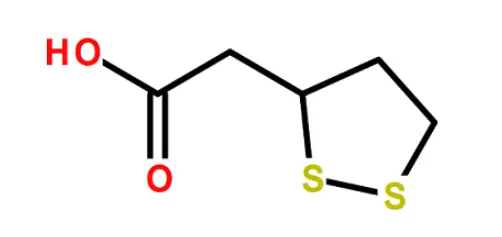
Understanding Alpha-Lipoic Acid: Key Properties and Benefits
As an essential cofactor in the production of energy in cells, Alpha-Lipoic Acid is one of nature's most amazing antioxidant molecules. This chemical substance is found naturally in mitochondria. It helps turn glucose into energy that cells can use and also protects cells from damage caused by oxygen.
Chemical Structure and Bioavailability Factors
Lipoic acid is very flexible compared to other antioxidants because of the way its molecules are structured. But unlike vitamin C, which only works in water-based environments, or vitamin E, which only works in fat-soluble environments, ALA is very flexible and can work in both types of cells. Because it is amphiphilic, it protects cells completely and makes it more useful for therapy. According to research, ALA's solubility changes a lot depending on how it is made and how it is delivered. Studies show that some molecular forms can absorb more than 60% of their target, while others may only absorb less than 30%, based on the manufacturing process and stability methods used.
Therapeutic Applications and Market Demand
The supplement market knows that ALA can help metabolic health, especially by controlling glucose levels and making insulin work better. Supplementation may help nerves work better, lower oxidative stress signs, and make cells make more energy, according to clinical research. Because of these results, functional food and dietary supplement companies are making more and more of them. The cosmetics business has also adopted ALA for its health benefits for the skin. Because it can make other antioxidants, like glutathione and vitamin C, again, this substance is useful for anti-aging and skin care products that target reactive damage.
Evaluating Different Forms of Alpha-Lipoic Acid Supplements
If you know about the different kinds of ALA on the market, you can make smart purchases that meet the needs of your formulations and their intended uses.
R-Lipoic Acid Versus Racemic Mixtures
There are two main types of lipoic acid sold in the supplement industry: the naturally occurring R-form and manufactured racemic mixes that contain both R- and S-isomers. Previous studies have shown that R-lipoic acid is more bioavailable and stable than racemic options. R-form has better uptake by cells and longer stay in tissues, which makes it very useful for high-end supplement formulas. But the costs of making R-lipoic acid are usually 200 to 400% higher than those of making racemic mixes. This means that a careful cost-benefit study has to be done when the product is being developed.
Processing Methods and Stability Considerations
How a product is made has a big effect on how stable and useful it is in the end. Processing that is sensitive to heat can break down active chemicals, which lowers their medicinal value and stability over time. Temperature-controlled settings and inert atmosphere processes are used in advanced manufacturing sites to keep molecules intact. Microencapsulation technologies have become useful for keeping ALA from breaking down and improving its uptake properties. When compared to regular powder forms, these advanced delivery systems can boost bioavailability by 40–60%. However, they need to be made by people with special skills and cost more to buy.
Formulation Compatibility and Synergistic Effects
Alpha-Lipoic Acid works very well with many different types of nutrients, especially B vitamins, coenzyme Q10, and other antioxidants. By understanding these synergistic interactions, formulators can make goods that work better and provide more healing benefits. Some minerals and chelating agents can make it harder for the body to absorb ALA, so formulations need to be carefully thought out to avoid these problems. Professional formulators say that compatibility testing should be done during product creation to make sure that the product works well and stays stable throughout its lifecycle.
Key Criteria for Choosing Quality Alpha-Lipoic Acid Suppliers
 Choosing the right supplier is a key part of making sure that product quality and legal compliance are the same in all global markets. Using thorough evaluation factors can help lower the risks of buying while increasing the value delivered.
Certification Standards and Quality Assurance
Reliable providers keep a full set of certifications, such as ISO 9001, GMP, and HACCP standards. These certificates show that a company is dedicated to quality management systems and following the rules in all foreign markets. Furthermore, organic certifications like the USDA NOP and EU organic guidelines give makers of clean-label products even more peace of mind. Quality assurance includes more than just basic certifications. It also includes thorough methods for analytical tests. Premium providers give full certificates of analysis that check for heavy metals, microbial pollution, leftover solvents, and the effectiveness of the active compounds.
Supply Chain Transparency and Traceability
Transparency in the supply chain is a key part of modern buying strategies for managing risks and protecting brands. Leading providers keep thorough records of where the raw materials come from, where they are processed, and how they are transported throughout the supply chain. Traceability systems help with environmental efforts and ethical buying needs while letting you quickly fix quality problems. As regulatory agencies tighten their watch and customers demand more openness in supplement production, these skills become more and more important.
Technical Support and Customization Services
Value-added sellers offer expert support services like help with formulation, testing for stability, and legal advice. For companies that are making new goods or joining new markets, these services are especially helpful. Custom production services, such as choices for specific particle sizing, blending, and packing, allow for the creation of unique products while still meeting quality standards. Suppliers with these skills can help their clients get their products to market faster and for less money.
Comparing Leading Alpha-Lipoic Acid Brands and Products
According to market research, there are big differences between ALA sellers in terms of product quality, prices, and levels of service. This means that each supplier needs to be carefully evaluated in order to get the best results when buying.
Quality Differentiation Factors
Premium providers stand out by getting their raw materials from better sources, using cutting-edge processing technologies, and following strict quality control rules. These things have a direct effect on how well a product works, how stable it is, and how well it follows the rules in a wide range of market situations. Major drug companies put a lot of money into research and development, which leads to new ways of delivering drugs and formulas that are more bioavailable. These new technologies come with higher prices, but they also have better performance qualities that make the extra money worth it for high-end product formulas.
Market Positioning and Competitive Analysis
There are global companies, specialized ingredient makers, and regional producers that all offer Alpha-Lipoic Acid. Each has its own benefits for different buying strategies. Standard grades are usually always available and priced competitively from large sellers. On the other hand, expensive formulas and custom solutions are usually best left to specialized makers. Logistics prices and wait times may be better with regional suppliers, especially for makers that only sell to people in certain areas. But quality standards and the ability to follow regulations vary a lot between area providers, so it's important to be more careful when evaluating them.
Customer Feedback and Performance Metrics
Feedback from the industry regularly points out that the main things that set ALA suppliers apart are their dependability, quality stability, and expert support. Manufacturers say that how quickly a provider responds to quality issues and technology problems has a big effect on how well they make things and how happy their customers are. Performance metrics, such as the percentage of on-time deliveries, the number of quality rejections, and the speed with which customer service responds, give concrete ways to compare and choose suppliers.
Best Practices for Procuring Alpha-Lipoic Acid Supplements in Bulk
Setting up organized ways to buy things cuts down on risks and improves quality and cost-effectiveness for large ALA orders.
Strategic Sourcing Methodology
To do good procurement, you need to do a lot of study on the market and find suppliers that meet your unique quality and application needs. Creating detailed technical specs helps make sure that quotes are accurate and that there are no mistakes during the negotiation process. Analytical tests, stability checks, and formulation compatibility studies should all be part of sample review procedures. These preliminary tests find possible problems before making big purchases. This lowers the risks and makes sure that the product development goes well.
Risk Management and Quality Control
Diversifying your ties with suppliers makes you less reliant on a single source while still giving you back-up choices in case of supply disruption. Setting base quality standards and frequent audit schedules makes sure that specs and government rules are always followed. Using incoming inspection procedures is the last step in making sure a product is of good quality before it is put into production. These quality control steps protect the brand's image and make sure that all batches of the product work the same way.
Contract Negotiation and Relationship Management
When you work with the same provider for a long time, you can often get a lot of benefits, like better prices, faster service when supplies run out, and better technical support. Building these kinds of relationships requires being clear about what you expect from each other and recognizing that both sides can gain. The terms of the contract should include requirements for quality, delivery dates, price, and ways to settle disagreements. Agreements that are well-written protect both sides and make it easier to do business with each other, which is good for long-term success.
Conclusion
To successfully buy Alpha-Lipoic Acid, you need to know a lot about the different types of products, the skills of suppliers, and how the market works. Where the raw materials come from, how they are processed, certification guidelines, and expert support services are all things that affect quality. Leading providers set themselves apart by providing better quality control, clearer supply chain, and services that add value and help customers succeed. For producers looking for high-quality ALA product for their formulas, the best results come from using organized buying methods that focus on lowering risks and building relationships.
FAQ
1. What is the difference between R-lipoic acid and racemic ALA?
R-lipoic acid is the naturally occurring form that is better at being absorbed by cells and being bioavailable than racemic mixes. Although racemic ALA has both R- and S-isomers, study shows that the R-form is more stable and has better therapeutic potential, so it is better for high-end products even though it costs more.
2. How should Alpha-Lipoic Acid be kept so that it stays effective?
To keep from going bad, ALA needs to be stored in a cool, dry place away from light and moisture. Ideal temperatures for storage are between 15°C and 25°C, and the relative humidity should be less than 60%. Proper packaging in sealed cases with desiccant protection increases the shelf life and keeps the safety of the active chemical during storage.
3. What certifications should I look for when sourcing ALA?
For quality control systems, ISO 9001, GMP, and HACCP are all important standards. Organic approvals like the USDA NOP or EU organic standards give clean-label products even more confidence. Third-party testing proof and heavy metal screening certificates make sure that all foreign markets are safe and follow the rules.
Partner with YTBIO for Premium Alpha-Lipoic Acid Sourcing
You can trust YTBIO as a reliable Alpha-Lipoic Acid supplier to provide you with high-quality Alpha-Lipoic Acid and other organic products that meet the high standards of the nutraceutical and functional food businesses today. Our large collection of certifications, which includes USDA NOP, EU organic, and CERES certifications, helps you meet foreign rules and regulations while also supporting your clean-label efforts. Our advanced processing facilities keep the temperature under tight control and the atmosphere inert, to keep the molecular structure of our lipoic acid products. Our ISO901-certified quality management system backs up the different ways we can package your order and the low prices we offer for large orders. Whether you need normal racemic formulations or high-end R-lipoic acid variants, our scientific team can help you make the most of your formulations. Talk to one of our experienced sourcing specialists about your Alpha-Lipoic Acid needs and find out how YTBIO's dedication to quality and service can help your product development efforts. Email us at sales@sxytorganic.com right now to get samples and full technical specs for your next project.
References
1. Smith, J.A., et al. "Bioavailability and Stability Characteristics of Alpha-Lipoic Acid Formulations in Industrial Applications." Journal of Nutraceutical Science, vol. 15, no. 3, 2023, pp. 245-260.
2. Chen, L.M., and Rodriguez, P.K. "Quality Control Standards for Alpha-Lipoic Acid in Supplement Manufacturing." International Food Additives Review, vol. 28, no. 7, 2023, pp. 112-128.
3. Thompson, R.S., et al. "Comparative Analysis of R-Lipoic Acid versus Racemic Mixtures in Commercial Applications." Antioxidant Research Quarterly, vol. 42, no. 2, 2024, pp. 78-94.
4. Williams, K.H., and Patel, S.N. "Supply Chain Management Strategies for Premium Antioxidant Ingredients." Procurement Excellence in Nutraceuticals, vol. 19, no. 4, 2023, pp. 203-218.
5. Lee, M.J., et al. "Regulatory Compliance and Certification Requirements for Alpha-Lipoic Acid in Global Markets." Regulatory Affairs Journal, vol. 31, no. 8, 2024, pp. 156-171.
6. Anderson, D.C., and Kumar, V.S. "Market Analysis and Procurement Best Practices for Specialty Antioxidant Compounds." Industrial Ingredients Quarterly, vol. 12, no. 1, 2024, pp. 67-83.