Application of Chlorella Powder in Aquafeed
As the aquaculture industry continues to develop, traditional protein sources—such as fishmeal—are facing challenges related to supply and cost. Consequently, identifying sustainable, nutrient-rich alternative protein sources has become a key focus in the research and development of aquafeed. Chlorella powder, derived from single-celled green algae, is rich in proteins, amino acids, fatty acids, vitamins, minerals, and polysaccharides, offering significant potential for use in aquafeed formulations.
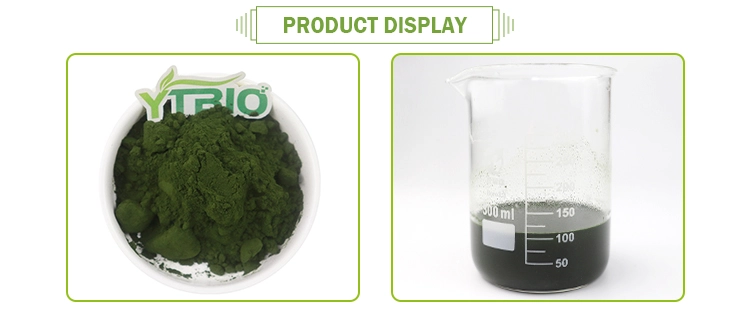
1. Nutritional Profile of Chlorella Powder
The nutritional composition of chlorella powder varies depending on factors such as the specific algal strain, cultivation conditions, and processing methods. Research indicates that some varieties of chlorella powder can contain approximately 51%–64% protein and include a range of amino acids, such as lysine and methionine.
In addition to protein, chlorella powder contains unsaturated fatty acids, chlorophyll, carotenoids, and polysaccharides. These components not only serve as a protein source for farmed aquatic animals but also provide additional options for optimizing the nutritional balance of feed formulations.
2. Key Applications in Aquaculture
Partial Replacement of Traditional Protein Sources: Chlorella powder can be incorporated into the diets of aquatic animals—such as fish and shrimp—as a partial substitute for ingredients like fishmeal or soybean meal. Studies suggest that appropriate inclusion or substitution levels can enhance the growth performance and feed utilization efficiency of certain species; however, the specific outcomes depend on the animal species, its developmental stage, and the overall composition of the feed.
Supporting Immune and Antioxidant Functions: The polysaccharides, carotenoids, and other nutrients found in chlorella powder may help bolster the non-specific immune response and antioxidant defenses of farmed aquatic animals. Positive effects have been observed in various fish and shrimp species, though the actual impact should be evaluated in the context of specific feed formulations and rearing conditions.
Improving Gut Health and Product Quality: Some research indicates that the inclusion of chlorella powder at appropriate levels can influence intestinal morphology, digestive enzyme activity, and the composition of the gut microbiota. In addition, the natural pigments present in *Chlorella* may influence the coloration of certain fish species. However, these effects do not necessarily apply to all species or all inclusion levels.
3. Higher inclusion levels of *Chlorella* powder are not always better
When incorporating *Chlorella* powder into aquaculture feed, one must balance nutritional value with digestibility and utilization. Its relatively tough cell wall may limit the release of certain nutrients; furthermore, excessive inclusion levels or high substitution rates can negatively impact palatability, digestive efficiency, and growth performance.
Therefore, feed formulation should take the following factors into account:
Animal species and growth stage: Nutritional requirements vary across different species (such as fish or shrimp) and their respective life stages.
Protein substitution level: When replacing fishmeal or soybean meal, it is essential to simultaneously evaluate the amino acid balance, fatty acid composition, and overall nutritional profile.
Processing methods: Techniques such as cell-wall disruption can enhance the release and utilization of nutrients; however, the effectiveness of these methods should be verified through empirical testing.
Feeding and culture performance: Comprehensive evaluation should incorporate metrics such as growth rate, feed conversion ratio (FCR), survival rate, and health indicators.
4. How to select high-quality *Chlorella* powder for feed applications?
For feed manufacturers and aquaculture enterprises, selecting *Chlorella* powder requires looking beyond mere protein content; consistency and performance in practical applications are equally critical.
Key aspects to evaluate include:
Nutritional parameters: Verify the levels of protein, fat, moisture, and other essential components, and confirm the analytical methods used.
Safety: Review test results for microorganisms, heavy metals, and other potential contaminants.
Processing and stability: Assess the extent of cell-wall disruption, the physical characteristics of the powder, and recommended storage conditions.
Batch consistency: Ensure that the quality of each batch meets procurement specifications through a Certificate of Analysis (COA) and, if necessary, independent third-party testing.
Conclusion
*Chlorella* powder is a microalgal protein source with significant potential, offering an alternative to traditional protein ingredients in aquaculture feed formulations. Its value depends not only on its nutritional composition but also on processing techniques, the rate of substitution, and the specific requirements of the cultured animals. Through well-designed formulations and rigorous quality control, Chlorella powder holds great potential for optimizing the nutritional profile of aquaculture feed and advancing the development of sustainable raw materials.
YTBIO offers Chlorella powder along with a wide range of plant-based ingredients. Please feel free to contact us for product specifications, Certificates of Analysis (COA), and samples to support your raw material selection and product development efforts.
Tel:86-029-86478251 / 86-029-86119593
Whatsapp:8617782577059
Email:sales@sxytorganic.com
Reference: Tan Tongtong et al. "Nutritional Characteristics of *Chlorella* Powder and Its Effects on Growth Performance, Digestive Metabolism, and Immune Function in Aquaculture Animals as a Novel Non-Grain Protein Source." *Feed Industry*, 2025, 46(15): 34–40.