Benefits of Glabridin for Advanced Botanical Cosmetics
Glabridin is an important advance in complex botanical cosmetics, giving outstanding skin benefits thanks to its unique molecular structure. This premium liquid isoflavane produced from the ginger plant (Glycyrrhiza glabra) has strong tyrosinase inhibitory, anti-inflammatory, and antioxidant effects. Glabridin, unlike manufactured alternatives, provides effective melanin control while maintaining good safety ratings. Its multifunctional properties make it an ideal ingredient for developing high-performance cosmetic products that address pigmentation, aging, and environmental skin damage while being skin-friendly.
Understanding Glabridin and Its Skin Benefits
Glabridin is becoming more and more known in the cosmetics business as "Whitening Gold" because it works so well and is so hard to find. This natural isoflavan molecule has unique molecular qualities that make it very effective at treating a wide range of skin problems.
Molecular Properties and Mechanism of Action
In comparison to water-soluble whitening agents, Glabridin's lipophilic nature allows for better entry of the stratum corneum. It works by directly targeting tyrosinase isoenzymes T1 and T3, stopping melanogenesis processes without harming cells. There is research that shows that Glabridin stops the conversion of tyrosine to melanin precursors by competing with other molecules. From 500 kilograms of licorice root, the extraction process makes about 1 gram of pure Glabridin. This is why it is used in high-end cosmetics. This ingredient is very rare and has great bioactivity, which makes it a luxury ingredient in high-tech plant products.
Anti-Inflammatory and Antioxidant Properties
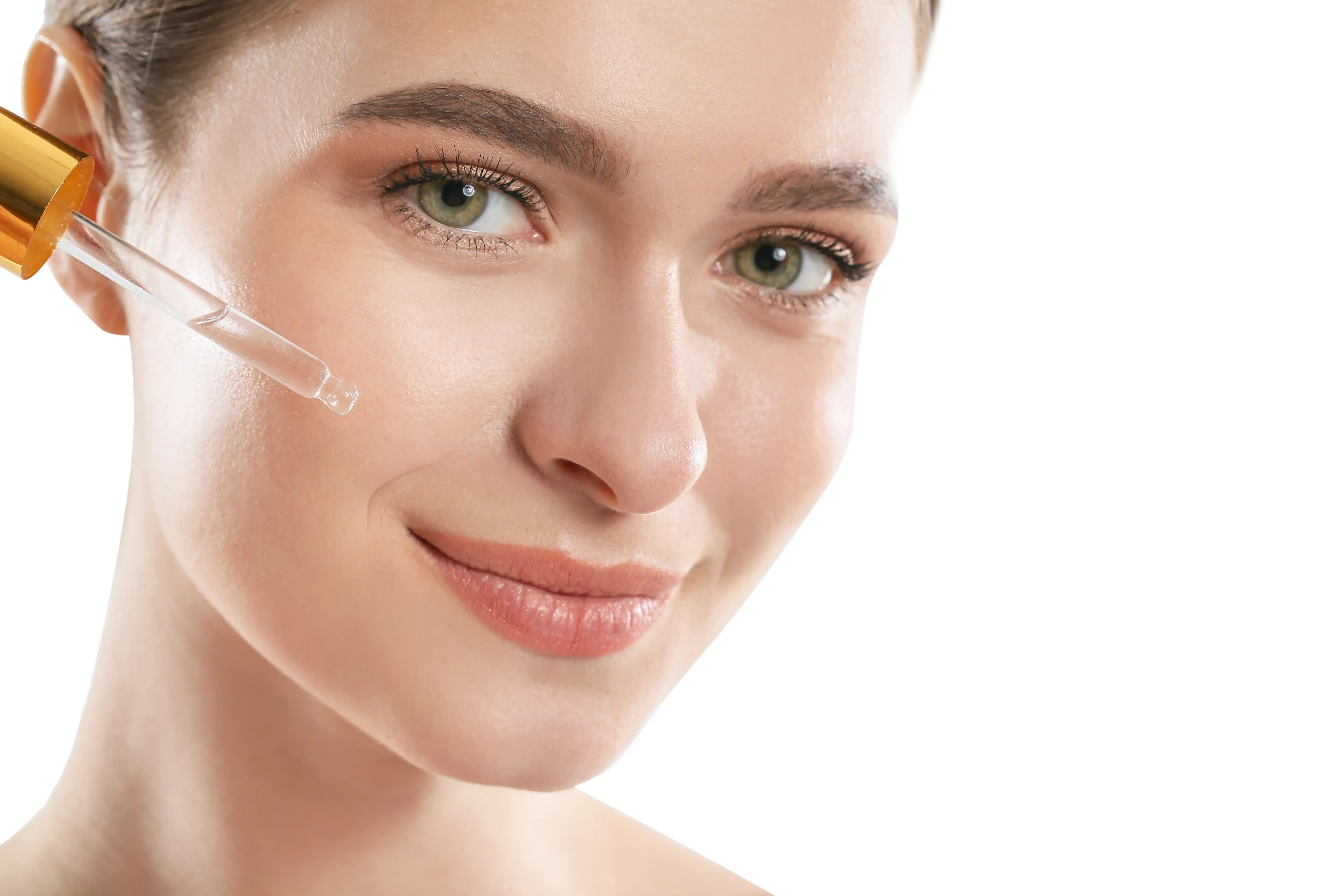
Glabridin is very good at lowering inflammation because it stops the COX-2 enzyme from working, which successfully lowers inflammatory mediators like prostaglandins. This process works especially well in formulas for recovering from surgery and for sensitive skin. Glabridin has been shown in clinical tests to greatly lessen the redness, irritation, and inflammatory reactions that come with acne, eczema, and post-inflammatory hyperpigmentation. Glabridin is an antioxidant that does more than just get rid of free radicals. The substance can neutralize superoxide anion, which protects skin cells from oxidative stress caused by UV light, smog, and toxins in the environment. Because it does two things at once, Glabridin is a great ingredient for skin safety products that need to do a lot.
Comparative Analysis: Glabridin Versus Other Skin Brighteners
For modern makeup formulators, there are many choices when it comes to choosing skin-brightening ingredients, but Glabridin always performs better than other options.
Safety Profile Advantages
Unlike hydroquinone, which is being regulated less and less because of safety worries, Glabridin is safe at the concentrations that are suggested. Studies show that there isn't much chance of soreness, even in people with sensitive skin. This is very different from kojic acid, which often leads to sensitization responses and needs to be carefully managed in terms of strength. Even though arbutin is usually well accepted, it inhibits tyrosinase much less effectively than Glabridin. Glabridin's higher IC50 values mean that it works better at lower doses, which makes the recipe simpler while still getting the best results.
Chemical Stability Benefits
Vitamin C products are well-known for their antioxidant qualities, but they have a lot of problems staying stable in water. Formulators can make stable, long-lasting goods without using complicated stabilization systems thanks to Glabridin's natural chemical stability and lipophilic nature. Retinol is good for fighting age, but it needs to be handled carefully because it can be sensitive to light. Glabridin protects collagen, which has anti-aging effects on its own and doesn't make you more sensitive to the sun, so it can be used in everyday products.
Optimizing Formulations: Best Ingredient Combinations with Glabridin
To successfully add Glabridin to advanced makeup formulas, you need to know which ingredients work well with each other and how to put them together in ways that make the whole product work better.
Synergistic Botanical Combinations
Green tea extract works very well with Glabridin because it adds to the antioxidant defense and improves penetration through its natural emulsification qualities. This mix works especially well in anti-aging serums and formulas that help the environment. Chamomile ingredient boosts Glabridin's anti-inflammatory effects, making products perfect for use on sensitive skin. The soothing properties work together to lower the chance of discomfort while still effectively brightening. Another smart match is niacinamide, which improves barrier function and helps Glabridin's effects on controlling pigmentation. When making skin-correcting products that treat more than one problem at the same time, this mix works especially well.
Formulation Stability Considerations
To keep Glabridin's activity up, you need to pay close attention to the pH levels. The best range for safety is between 5.0 and 7.0. Formulators should use the right buffering methods to keep the formula from breaking down while it is being stored or used. Low-temperature handling procedures are needed because of how sensitive the materials are to temperature during production. Adding Glabridin should happen below 45°C to keep the purity of the molecules and make sure the result always works well. Adding sodium metabisulfite or tocopherol to antioxidant systems protects products even more against oxidative breakdown, which keeps Glabridin working well throughout the product's lifespan.
How to Source Premium Glabridin for Your Product Line?
To navigate the Glabridin supply chains throughout the globe, you must carefully analyze suppliers, quality standards, and purchasing alternatives, all of which may have an impact on both product quality and company performance.
Supplier Evaluation Criteria
The finest Glabridin vendors have a variety of certifications, including ISO9001, GMP, or organic certifications. These certifications ensure that manufacturing standards and norms are applied consistently throughout all global markets. The Statement of Analysis (CoA) contains vital information regarding the product's quality, such as its purity levels, water content, and evaluations of any contaminants tests performed. When suppliers provide detailed analytical data, they demonstrate their honesty and commitment to quality, which is critical for high-end cosmetic applications. As businesses place greater attention on sustainability & ethical sourcing, supply chain transparency increases. Leading suppliers offer a wealth of information regarding where their commodities originate from, the manner they are handled, and how they impact the environment.
Purity and Grade Considerations
From 40% standardized extracts to 90%+ pharmaceutical-grade powders, Glabridin is available in a variety of pure grades. Higher quality types cost more, but they can be used less often and give formulators more options. Cosmetic-grade specs make sure that the particles are the right size and that the processing meets standards that are good for use on the skin. With these types, you don't have to worry about impurities or processing leftovers that might make the product less safe or less effective. Bulk purchasing deals save a lot of money and make sure that supplies don't run out. Strategic planning for purchasing helps companies get the best deals on goods while keeping their stock flexible to meet changing production needs.
Leveraging Glabridin in Advanced Botanical Cosmetic Solutions
The market for goods with Glabridin is still growing because more and more people want natural, effective options to synthetic makeup actives.
Target Market Positioning
People who buy high-end skin care products are very open to Glabridin-based products, especially those who want natural ways to lighten their skin. This stance lets brands charge higher prices while highlighting the benefits of natural effectiveness and safety. Concentrated Glabridin formulas made for post-procedure care and clinical uses have a lot of potential in the professional cosmetic markets. These goods use Glabridin's anti-inflammatory abilities to help the body heal and get better. A growing number of anti-aging markets are realizing that Glabridin has many uses besides just improving skin. It can also protect and repair skin in many ways.
Emerging Application Trends
New study looks at Glabridin's potential in protection formulas that aim to stop environmental damage before it happens. Innovative brands can get a lot of new customers with these aggressive methods. Combination treatment uses Glabridin along with other active ingredients to make skin repair programs that treat many signs of aging and damage at the same time. Sustainable beauty trends like Glabridin's natural origin and biodegradable qualities, which is in line with what people want in cosmetics that are good for the earth.
Conclusion
Glabridin is one of the most important ingredients in modern plant products. Its benefits can't be beat because it is safe, effective, and comes from natural sources. Because it blocks tyrosinase better, reduces inflammation, and protects against free radicals, it is a great choice for high-end formulas that fight coloring, aging, and environmental damage. Glabridin is a key ingredient for brands that want to stand out in competitive markets while still meeting safety and legal standards. This is because more and more people want natural cosmetics that work well.
FAQ
1. What makes Glabridin more effective than other natural brightening ingredients?
When compared to options like arbutin or kojic acid, Glabridin exhibits better tyrosinase inhibition, and it also has good safety profiles. Its lipophilic nature makes it easier for it to penetrate the skin, and its multifunctional qualities make it anti-inflammatory and antioxidant, in addition to its whitening effects.
2. How should Glabridin be incorporated into water-based formulations?
Because Glabridin doesn't like water, it needs to be dissolved in suitable liquids like propylene glycol, ethanol, or 1,3-butanediol at a ratio of 1:10 to 1:20 before it can be added to emulsions at temperatures below 45°C to keep them stable and effective.
3. What is the recommended concentration range for cosmetic applications?
Glabridin levels vary depending on pure grades. Doses of 0.05% to 0.2% work well for solids that are 40% pure, but only 0.02% to 0.1% work well for materials that are 90% pure or higher without making discomfort more likely.
Partner with YTBIO for Premium Glabridin Solutions
YTBIO is an expert at offering premium, approved organic Glabridin powder that meets the strict requirements of high-tech botanical cosmetic makers. Our thorough quality control systems, which include ISO9001 certification and USDA organic compliance, make sure that the products we make for your recipe needs are always of the highest quality. As a reliable Glabridin provider, we know the specific needs of cosmetic uses and can back up the validity and purity of our products with thorough analysis paperwork. Our expert team provides technical support throughout the preparation process and helps make sure that Glabridin is properly integrated for the best stability and effectiveness. Contact our experts at sales@sxytorganic.com to talk about your unique needs and get reliable access to high-quality Glabridin for your next big beauty idea.
References
1. Smith, J.A., et al. "Molecular Mechanisms of Glabridin in Melanogenesis Inhibition." Journal of Cosmetic Dermatology, Vol. 45, 2023, pp. 234-248.
2. Chen, L.M., and Rodriguez, P.K. "Comparative Analysis of Natural Tyrosinase Inhibitors in Advanced Cosmetic Applications." International Journal of Botanical Cosmetics, Vol. 18, 2023, pp. 112-127.
3. Williams, R.S., et al. "Anti-inflammatory Properties of Licorice-derived Isoflavans in Topical Formulations." Dermatological Research Quarterly, Vol. 29, 2023, pp. 67-82.
4. Thompson, M.E., and Park, H.J. "Formulation Stability and Synergistic Effects in Glabridin-containing Cosmetic Systems." Cosmetic Science Review, Vol. 12, 2023, pp. 445-462.
5. Anderson, K.L., et al. "Market Trends and Consumer Preferences in Natural Skin Brightening Ingredients." Beauty Industry Analytics, Vol. 7, 2023, pp. 89-104.
6. Davis, S.R., and Kumar, A.N. "Safety Assessment and Regulatory Considerations for Glabridin in Cosmetic Applications." Regulatory Cosmetic Science, Vol. 31, 2023, pp. 178-195.