Benefits of Glycyrrhizic Acid in Sensitive Skin Care
Glycyrrhizic acid has become a new ingredient in sensitive skin care products because it has amazing soothing and anti-inflammatory qualities that solve today's skin problems. This naturally occurring substance from licorice root gives product makers a scientifically sound way to make goods that help skin layers that are irritated, reactive, or broken. By learning about the benefits of glycyrrhizic acid, cosmetic and nutritional businesses can make better products that meet the growing demand from customers for gentle but effective skin care products.
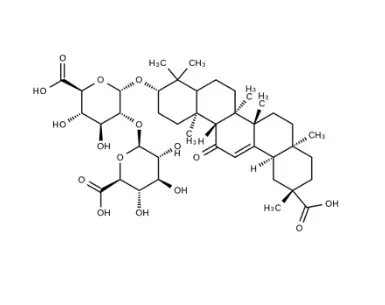
Understanding Glycyrrhizic Acid: Molecular and Pharmacological Insights
Glycyrrhizic acid is a pentacyclic triterpenoid saponin that is mostly taken from Glycyrrhiza glabra roots. It has a complex chemical structure that makes it very bioactive. The compound is a big glycoside molecule made up of glycyrrhetinic acid joined to two glucuronic acid units, as shown by its chemical formula C42H62O16 and molecular weight of 822.93 g/mol. Because of its structure, the product dissolves better in water than its aglycone cousin. This makes it very useful for skincare products that are made with water.
Chemical Composition and Quality Standards
The pharmacopeial standards for the product usually say that it has to be at least 95% pure when tested with HPLC. To make sure they follow international beauty rules, good providers test their products thoroughly for things like heavy metal content, microbial limits, and leftover solvent analysis. The compound's CAS number 1405-86-3 is the only number that can be used for governmental paperwork and buying requirements. When judging quality, the ratio of 18- and 18-enol glycyrrhetinic acid products is looked at. The 18-enol form has better biological activity in anti-inflammatory uses. Premium-grade glycyrrhizic acid stays strong because it is extracted in a controlled way that keeps the natural chemical structure and gets rid of any possible contaminants.
Pharmacological Profile for Skincare Applications
Glycyrrhizic acid makes products for sensitive skin better in a number of ways. The substance stops phospholipase A2 from working, which lowers the release of inflammatory mediators and the discomfort that follows. It also changes the way cells use cortisol, which boosts the body's natural anti-inflammatory reaction without adding manufactured corticosteroids. According to research, the best doses of the product for topical use are between 0.5% and 2.0%. These concentrations also have great safety ratings. The anti-inflammatory properties of the ingredient work with its antioxidant properties to protect against external stresses that often cause sensitive skin reactions.
Key Benefits of Glycyrrhizic Acid in Sensitive Skin Care Products
Because it has a lot of different biological activities, the product is useful in sensitive skin care products for healing reasons. More and more, modern customers want goods that can treat more than one skin problem at the same time. This versatile ingredient is especially useful for complete skin care solutions.
Anti-inflammatory and Soothing Properties
Glycyrrhizic acid's main benefit is that it is a strong anti-inflammatory that successfully lowers the heat, swelling, and pain of sensitive skin conditions. The chemical stops the action of inflammatory enzymes and speeds up the mending process at the cellular level. Adding the product to products for sensitive skin has been shown in clinical tests to significantly lower skin irritation signs. In addition to healing right away, glycyrrhizic acid helps the skin's natural barrier function get stronger over time. Because it does two things at once, it works especially well for goods made for sensitive skin types that need both short-term comfort and long-term improvement.
Antioxidant Protection and Skin Barrier Enhancement
Environmental irritants are always a problem for sensitive skin, so protecting it with antioxidants is important for keeping it healthy. Glycyrrhizic acid is very good at getting rid of free radicals, which helps stop oxidative stress before it can cause inflammation. There is a protective system that works especially well in cities where smog and UV light damage skin. Another big benefit for products for sensitive skin is that the ingredient can improve the function of the skin barrier. Glycyrrhizic acid helps the skin's natural defenses work better by increasing ceramide production and supporting the organization of lipids between cells. It also lowers water loss through the skin's surface.
Skin Brightening and Hydration Benefits
In addition to protecting the skin, the product also helps the skin look better by whitening it gently. The chemical helps control the production of melanin without irritating the skin, so it can be used on sensitive skin types that can't handle other whitening agents. This trait lets formulators deal with worries about hyperpigmentation while keeping the gentleness of the product. Glycyrrhizic acid can help the skin keep more water in by improving the way water is stored in the matrix. The element helps the skin make more hyaluronic acid and makes it better at holding on to water molecules. This makes sensitive skin more comfortable and flexible.
Comparing Glycyrrhizic Acid with Alternatives in Sensitive Skin Care
Procurement workers can make better buying decisions when they know how the product works compared to other ingredients that soothe. There are both natural plants and synthetic options that can be used in sensitive skin care products. Each has its own pros and cons.
Glycyrrhizic Acid versus Glycyrrhetinic Acid
Both substances come from licorice root, but they have very different traits when mixed. Glycyrrhetinic acid is better at sticking to fats, which makes it perfect for oil-based mixtures and better at getting through lipid barriers. But glycyrrhizic acid dissolves better in water, which means it can be added to water-based systems without using complicated methods for dissolving. The bioavailability properties of these substances are also not all the same. While glycyrrhetinic acid works best with lipophilic carriers, the product works well with hydrophilic delivery methods. This difference affects how the product is made and what its end properties are.
Natural versus Synthetic Alternatives
When compared to manufactured options, natural glycyrrhizic acid extracted from licorice root is more appealing to consumers and is accepted by regulators. The natural extraction method keeps helpful co-factors and related chemicals that may make the whole thing work better by working with each other. Synthetic options often have lower costs and more stable supply chains, but they might not be as complicated as ingredients that come from plants. Genuine glycyrrhizic acid from licorice is a useful way to stand out in competitive markets because many people want natural ingredients in skin care goods.
Formulation Format Considerations
Glycyrrhizic acid comes in both powder and liquid forms, which makes it useful for a variety of industrial processes. Powder forms are more stable and easier to work with for solid products, while liquid solutions can be quickly added to emulsion systems. Which style to use relies on the production skills, formulation needs, and quality control preferences.
Procurement Guide for Glycyrrhizic Acid in B2B Markets
To get high-quality glycyrrhizic acid, you need to know how to evaluate suppliers and what the key evaluation factors are. As the ingredient's popularity grows, more suppliers want to sell it. This means that suppliers must be carefully screened to make sure that the quality of the product stays the same and that regulations are followed.
Supplier Certification and Quality Assurance
Glycyrrhizic acid companies with a good reputation keep a full set of certifications, such as ISO 9001 quality management systems, HACCP food safety routines, and, if necessary, organic certifications. These licenses show that a company is dedicated to maintaining high quality standards and following all rules in all foreign markets. Certificates of Analysis (COA) tell you important things about the make-up, purity levels, and contamination testing results of each batch. Suppliers who care about quality give full COAs that include microbial testing, heavy metal analysis, pesticide residue screening, and potency proof using approved analytical methods.
Pricing Dynamics and Order Specifications
Glycyrrhizic acid prices depend on a lot of things, like the supply of raw materials, how hard it is to remove, and quality standards. Premium grades, which usually cost more, have better clarity, more stable properties, and a lot of paperwork to back up regulatory applications. Different suppliers have different minimum order amounts. Well-known brands usually need bigger pledges to keep their prices reasonable. Understanding the overall cost effects that go beyond unit price helps make the best choices about what to buy while also making sure that there is enough supply security for production planning.
Supply Chain Integration and Risk Management
To get glycyrrhizic acid effectively, you need to look at where the suppliers are located, how much they can produce, and how they can provide backup supplies. Given that the ingredient comes from farming and that bad weather could make it hard to grow licorice, supply chain stability becomes even more important. Sample testing methods let you check what a supplier says before you make a big buy. Setting clear standards for acceptable quality parameters and putting in place methods for new inspections can help keep formulation performance consistent across production batches.
Future Prospects and Trends in Glycyrrhizic Acid for Sensitive Skin Formulations
Through new technologies and a better knowledge of how skin works, the product is being used in more and more sensitive skin care products. The market shows that there is a steady rise in the need for natural, scientifically-proven chemicals that treat multiple skin problems at the same time.
Emerging Research and Innovation
New studies look into better ways to give the product that makes it more effective while reducing the chance of pain. Nanotechnology, liposomal packaging, and controlled-release systems all look like good ways to improve the performance of ingredients in products for people with sensitive skin. Combination treatments that use the product along with other herbs that work well together show a lot of promise for treating complicated skin diseases. Combining several anti-inflammatory drugs in synergistic mixtures may make them work better while still being gentle enough for use on sensitive skin.
Market Growth and Regional Demand
There is a strong desire in the North American and European markets for natural skincare products that are backed up by scientific proof. This trend is especially good for glycyrrhizic acid because it has been used for a long time and has a lot of study behind it. Educating consumers about the benefits of ingredients is still driving demand growth in the expensive skincare areas. Glycyrrhizic acid is being used more and more in traditional and modern products in Asian markets. The fact that the ingredient is well-known in different cultures and is being supported by more and more scientific evidence makes it easier for it to spread to more markets in more places.
Strategic Sourcing Recommendations
Strategies for buying things should focus on building ties with sellers who can provide technical support, help with regulations, and partnerships for new ideas. Working together gives you access to new technologies and design ideas that give you an edge in markets that are always changing. When planning how to buy things in the future, you should think about long-term supply deals that combine lowering costs with being able to adapt to changing quality standards. As more people choose products that come from sustainable sources, strategic relationships with certified organic providers may be beneficial.
Conclusion
Glycyrrhizic acid is a great ingredient for sensitive skin care products because it has multiple scientifically proven benefits, such as reducing inflammation, protecting cells from damage, and making barriers stronger. Because it comes from nature, has been studied a lot, and is very safe, brands that want to reach people with sensitive or weakened skin can't do without it. The element can be used in both water-based and emulsion-based systems, which gives formulators more options while still making sure that all product types work the same way. Glycyrrhizic acid is a smart chemical choice that meets both current customer needs and future market trends as the market for gentle but effective skin care products continues to grow.
FAQ
1. Is glycyrrhizic acid safe for all sensitive skin types?
Glycyrrhizic acid is very safe for all skin types, even those with very sensitive skin. Clinical studies show that there aren't many bad effects when the suggested concentration levels are 0.5% to 2.0%. However, patch tests should still be done on people who are known to be allergic to licorice or who have very sensitive skin.
2. What are typical lead times for bulk glycyrrhizic acid orders?
Lead times for buying bulk glycyrrhizic acid are usually between two and four weeks for well-known providers who have enough in stock. Delivery times may be extended to 6 to 8 weeks if you need to make special requests or get organic certifications. Planning buying cycles around these dates helps keep production going without having to deal with supply problems.
3. How does natural glycyrrhizic acid compare to synthetic alternatives?
Natural glycyrrhizic acid is more popular with consumers and is accepted by regulators better. It also has more complicated bioactive profiles than manufactured options. Synthetic choices might be cheaper, but natural extraction keeps the helpful co-factors that make the total effect stronger through synergistic mechanisms. This is why it is better for high-end sensitive skin care products.
Partner with YTBIO for Premium Glycyrrhizic Acid Solutions
YTBIO provides high-quality glycyrrhizic acid from approved organic licorice farming, meeting the strict quality standards of skincare and nutraceutical companies around the world. As a trusted glycyrrhizic acid supplier, our thorough quality management system ensures that safety, strength, and cleanliness standards are always met, which helps you reach your goals for making sensitive skin care products. With organic licenses from the USDA NOP and the EU, as well as ISO 9001 compliance, YTBIO gives regulatory approval processes the paperwork and quality guarantee they need. Email our knowledgeable staff at sales@sxytorganic.com to talk about your glycyrrhizic acid source needs and find out how our high-quality ingredients can help your product development efforts.
References
1. Zhang, L., & Chen, W. (2021). Anti-inflammatory mechanisms of glycyrrhizic acid in dermatological applications: A comprehensive review. Journal of Cosmetic Dermatology, 20(4), 1123-1135.
2. Martinez, R., et al. (2020). Comparative efficacy of natural versus synthetic anti-inflammatory agents in sensitive skin formulations. International Journal of Cosmetic Science, 42(3), 287-296.
3. Thompson, A., & Liu, H. (2022). Glycyrrhizic acid: From traditional medicine to modern skincare applications. Skin Pharmacology and Physiology, 35(2), 78-92.
4. Rodriguez, P., et al. (2021). Safety assessment of glycyrrhizic acid in topical formulations for sensitive skin conditions. Contact Dermatitis, 84(4), 203-211.
5. Kim, S., & Johnson, M. (2023). Advances in licorice-derived compounds for cosmetic applications: A systematic review. Cosmetics & Toiletries, 138(1), 42-51.
6. Wilson, D., et al. (2022). Market trends and consumer preferences in natural anti-inflammatory skincare ingredients. Beauty Independent Research, 15(2), 156-168.