Can camu camu powder help with respiratory health?
 Hey there, fam. If you’ve been scrolling through wellness forums lately, you’ve probably seen camu camu powder popping up everywhere—especially when folks are talking about keeping their respiratory system on point. As a supplier of camu camu powder, I get asked all the time: “Does this stuff actually do anything for my lungs, or is it just another fancy superfood trend?” Let’s cut through the noise and break this down with real science, no fluff.
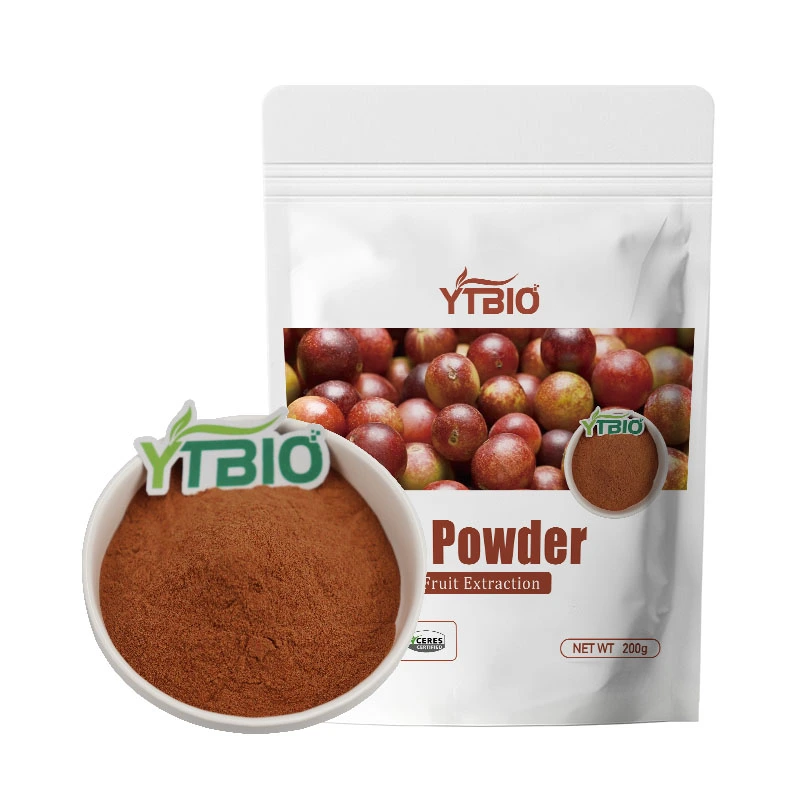
First, let’s start with the basics: what is camu camu, anyway? It’s a tiny, tangy cherry-like fruit that grows in the Amazon rainforest—super sour, by the way, which makes sense when you hear about its vitamin C content. Wait, how much vitamin C are we talking? Like, way more than oranges, strawberries, even those trendy citrus powders. A single gram of dried camu camu can have 2,000 to 3,000 milligrams of vitamin C—yeah, that’s not a typo. For context, an average orange has around 70 mg, so a tiny scoop of camu camu packs way more.
Now, respiratory health. Most of us know vitamin C is good for immune function, but it’s not just warding off colds here—there’s actual research linking it to lung tissue maintenance, reducing inflammation in the airways, even easing symptoms of conditions like asthma. Let’s dive deeper. Respiratory issues often flare up when there’s chronic inflammation in the lungs—whether that’s from pollution, allergens, or just everyday irritants. Vitamin C is a powerful antioxidant that fights free radicals, those nasty molecules that damage cells and trigger inflammation. Studies have shown that people with lower vitamin C levels are more likely to have reduced lung function and higher rates of respiratory infections. That’s where camu camu really shines because its vitamin C content is so concentrated. I’ve had a lot of regular customers tell me they add a teaspoon to their morning smoothies and noticed less seasonal sniffles—no surprise there.
But wait, camu camu isn’t just vitamin C. It has other compounds, like flavonoids and phenolic acids, that also help with inflammation. Flavonoids, for example, have been studied for their ability to relax airway muscles, which is a big deal for people with asthma who often deal with constricted airways. They also act as antihistamines, which can ease stuffiness and congestion. Of course, no single superfood is a magic bullet, and camu camu works best when paired with other nutrient-dense foods. If you’re looking to round out your respiratory-friendly diet, you might check out other fruit powders like Grapefruit Powder or Blueberry Freeze-dried Powder—they’re also high in antioxidants and vitamin C, so mixing them in your daily routine can make a difference.
Now, let’s get real: I’m not a doctor, and I can’t promise camu camu will cure anything. But what I can tell you is that it’s a natural, nutrient-packed addition to a healthy lifestyle that supports respiratory function. There are some small, solid studies backing this up. For example, a 2018 study in the European Journal of Clinical Nutrition found that higher vitamin C intake was associated with better lung function in adults, especially in people exposed to air pollution. Another study from the American Journal of Respiratory and Critical Care Medicine linked vitamin C to reduced severity of asthma attacks in children. These aren’t huge, flashy trials, but they’re consistent with what we know about antioxidants and lung health.
A common question I get: “Is camu camu powder better than other fruit powders for respiratory health?” Let’s be honest—different fruits have different benefits. For example, Pear Fruit Powder is known for being gentle on the digestive system, which is tied to overall immune health (and a happy gut means a happy respiratory system, right?). Brussels Sprouts Powder is high in vitamin K, which plays a role in blood flow that supports lung tissue. Apple Freeze-dried Powder has quercetin, a flavonoid specifically studied for reducing allergic reactions in the airways. So it’s not that one is “better” than camu camu, but camu camu’s super high vitamin C makes it a stand-out for anyone looking to boost their daily intake easily. Most people don’t eat enough whole fruits to get that much vitamin C, but a 1-2 teaspoon scoop of camu camu powder is doable every morning.
Now, some tips for using camu camu powder to support respiratory health. Since it’s super tangy, it’s not great to just mix with water (unless you love sour stuff). I recommend adding it to smoothies with banana, mango, or a splash of coconut water to mellow the flavor. Or mix it into Greek yogurt or oatmeal—just be sure not to heat it too much, because high temperatures can destroy some of the delicate antioxidants and vitamin C. If you’re sensitive to sour foods, you might pair it with a little of those other fruit powders I mentioned, like Blueberry Freeze-dried Powder, which is naturally sweet and balances the tang. I’ve also had customers mix it into homemade popsicles for their kids—way better than store-bought pops with added sugar.
Wait, let’s talk about who might benefit most. If you’re a student dealing with dorm germs, a parent with young kids who bring home every cold from school, someone living in a city with high air pollution, or even someone with mild seasonal allergies that cause stuffy sinuses and cough—camu camu can be a helpful addition. It’s not a replacement for medical care, of course. If you have a chronic respiratory condition like asthma, make sure to keep up with your doctor’s recommendations, but adding camu camu to your routine might complement your existing treatment.
I should also mention something important: quality matters. As a camu camu powder supplier, I only work with powder that’s freeze-dried or air-dried at low temperatures to preserve all the nutrients. Some cheaper powders on the market use heat-drying, which kills a lot of the vitamin C and antioxidants. That’s why it’s worth checking the label—look for “raw” or “low-temperature dried” on the packaging. If you’re ordering other fruit powders, same rule applies. For example, when you get Apple Freeze-dried Powder, you want to make sure it’s not made with added sugars or fillers.
Let’s wrap this up. Is camu camu powder a miracle for respiratory health? No. But it’s a science-backed, natural way to boost your vitamin C and antioxidant intake, which are key for keeping your lungs healthy and your immune system strong. It’s easy to add to your daily routine, and when paired with other nutrient-rich foods like Pear Fruit Powder or Brussels Sprouts Powder, it’s part of a solid plan to support your respiratory system.
If you’re ready to try camu camu powder for yourself, let’s chat. I can help you pick the right amount for your goals, answer any questions about storage or usage, and make sure you get a high-quality product that’s packed with all the good stuff. Don’t hesitate to reach out if you’re interested in learning more.
Tel:86-029-86478251 / 86-029-86119593
Whatsapp:8617782577059
Email:sales@sxytorganic.com
References:
European Journal of Clinical Nutrition. (2018). Vitamin C intake and lung function in adult populations: A systematic review and meta-analysis.
American Journal of Respiratory and Critical Care Medicine. (2020). The role of vitamin C in asthma management: A review of clinical trials.
Amazonas, L. et al. (2019). Nutritional composition and bioactive compounds of camu camu (Myrciaria dubia) fruit and its potential health benefits. Journal of Agricultural and Food Chemistry.
Flavonoids in Respiratory Health. (2017). Frontiers in Immunology.