Can I use proteins as cosmetic raw materials?
In the ever - evolving world of cosmetics, the search for effective and innovative raw materials is a constant pursuit. Proteins, with their diverse biological functions and potential benefits for the skin, have emerged as a topic of great interest. As a cosmetic raw materials supplier, I am often asked whether proteins can be used as cosmetic raw materials. In this blog, we will explore this question in depth, looking at the science behind proteins, their potential applications in cosmetics, and the associated considerations.
The Science of Proteins
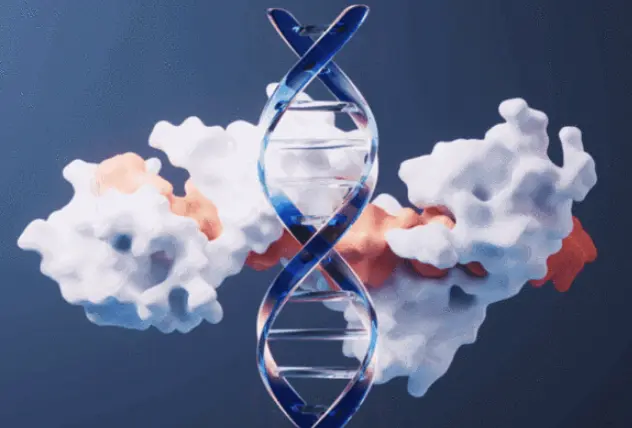
Proteins are large, complex molecules made up of amino acids. They play a crucial role in almost every biological process in the body, including cell repair, growth, and maintenance. In the context of the skin, proteins such as collagen, elastin, and keratin are essential for maintaining its structure, elasticity, and strength.
Collagen is the most abundant protein in the human body and is a major component of the skin's extracellular matrix. It provides the skin with its firmness and smoothness. As we age, the production of collagen decreases, leading to the formation of wrinkles and sagging skin. Elastin, on the other hand, is responsible for the skin's ability to stretch and return to its original shape. Keratin is a fibrous protein that forms the outer layer of the skin, hair, and nails, providing protection against environmental damage.
Potential Applications of Proteins in Cosmetics
Anti - aging
One of the most significant applications of proteins in cosmetics is in anti - aging products. As mentioned earlier, the decline in collagen and elastin production with age is a major cause of skin aging. By incorporating proteins into cosmetic formulations, it is possible to replenish these essential components and improve the skin's appearance. For example, hydrolyzed collagen can be added to creams and serums to help reduce the appearance of fine lines and wrinkles. It can penetrate the skin's surface and provide the necessary building blocks for collagen synthesis.
Moisturizing
Proteins can also act as excellent moisturizers. They have the ability to bind water molecules, helping to keep the skin hydrated. Some proteins, such as silk proteins, can form a protective film on the skin's surface, preventing water loss. This makes them ideal for use in moisturizing lotions, creams, and masks.
Skin repair
Certain proteins have the ability to promote skin repair and regeneration. For instance, growth factors, which are a type of protein, can stimulate cell proliferation and migration, helping to heal damaged skin. They can be used in products designed to treat wounds, burns, and other skin injuries.
Hair care
In hair care products, proteins play a vital role. Keratin, in particular, can strengthen the hair shaft, making it more resistant to breakage. It can also improve the hair's shine and smoothness. Many shampoos, conditioners, and hair masks contain keratin or other proteins to enhance the health and appearance of the hair.
Considerations When Using Proteins as Cosmetic Raw Materials
Source and quality
The source of the protein is an important consideration. Proteins can be derived from various sources, including animals, plants, and microorganisms. Animal - derived proteins, such as collagen from bovine or porcine sources, have been widely used in cosmetics. However, there are concerns about potential allergenicity and ethical issues. Plant - derived proteins, on the other hand, are generally considered to be more sustainable and hypoallergenic. It is essential to ensure that the protein source is of high quality and free from contaminants.
Stability
Proteins are sensitive to various factors, such as temperature, pH, and light. They can denature or degrade under certain conditions, which can affect their efficacy. Therefore, it is crucial to formulate cosmetic products containing proteins in a way that ensures their stability. This may involve using appropriate preservatives, buffers, and storage conditions.
Regulatory compliance
When using proteins as cosmetic raw materials, it is necessary to comply with relevant regulations. Different countries and regions have their own rules regarding the use of proteins in cosmetics, including requirements for safety testing and labeling. It is important to stay updated on these regulations to ensure that the products are legal and safe for consumers.

Our Protein - Based Cosmetic Raw Materials
As a cosmetic raw materials supplier, we offer a range of protein - based products that are suitable for various cosmetic applications. For example, Acetyl Tetrapeptide - 40 is a peptide that can help reduce the appearance of dark circles under the eyes. It works by improving blood circulation and reducing fluid accumulation in the area.
We also provide Sponge Spicule, which is a natural protein - rich material. It has excellent moisturizing and exfoliating properties, making it a great addition to facial scrubs and moisturizers.
In addition to proteins, we offer other high - quality cosmetic raw materials. 4 - butylresorcinol is a powerful whitening agent that can effectively inhibit melanin production. Caffeic Acid has antioxidant properties and can help protect the skin from free radical damage. Kopyrrol is a unique ingredient that can enhance the skin's barrier function.
Conclusion
In conclusion, proteins can indeed be used as cosmetic raw materials. Their diverse biological functions make them suitable for a wide range of cosmetic applications, from anti - aging to moisturizing and skin repair. However, it is important to consider factors such as source, quality, stability, and regulatory compliance when using proteins in cosmetics.
If you are interested in exploring the use of proteins or other cosmetic raw materials in your products, we would be more than happy to discuss your needs. Our team of experts can provide you with detailed information and guidance on product selection and formulation. Contact us to start a procurement discussion and discover how our high - quality raw materials can enhance your cosmetic products.
Tel:86-029-86478251 / 86-029-86119593
Whatsapp:8617782577059
Email:sales@sxytorganic.com
References
- Alberts, B., Johnson, A., Lewis, J., Raff, M., Roberts, K., & Walter, P. (2002). Molecular Biology of the Cell. Garland Science.
- Cosmetic Ingredient Review Expert Panel. (2019). Safety Assessment of Proteins as Used in Cosmetics. Journal of Cosmetic Dermatology.
- Voet, D., & Voet, J. G. (2011). Biochemistry. John Wiley & Sons.