Can Oleanolic Acid Powder be used in functional foods?
Hey there! As a supplier of Oleanolic Acid, I often get asked if it can be used in functional foods. Well, let's dig into this topic and find out.
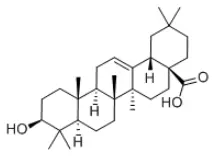
What is Oleanolic Acid?
Oleanolic acid is a naturally occurring triterpenoid compound that can be found in various plants, such as olive leaves, cloves, and some Chinese medicinal herbs. When transformed into a powder form, it becomes a convenient ingredient for various applications, including potentially in functional foods.
The powder is obtained through a series of extraction and purification processes from these source plants. It has attracted a fair amount of attention in the health and wellness industry due to its potential health - promoting properties.
Potential Health Benefits of Oleanolic Acid
Before we discuss its use in functional foods, let's look at what makes oleanolic acid so appealing from a health perspective.
Antioxidant Properties: Oxidative stress is linked to a whole bunch of health problems, like aging, cancer, and heart disease. Oleanolic acid has been shown to have antioxidant effects, which means it can help neutralize free radicals in the body. Free radicals are unstable molecules that can damage cells and DNA. By reducing oxidative stress, oleanolic acid may contribute to overall health and well - being.
Hepatoprotective Effects: There's some evidence suggesting that oleanolic acid can protect the liver. It may help prevent liver damage caused by toxins, alcohol, or certain medications. This is a big deal because the liver plays a crucial role in detoxifying the body and metabolizing nutrients.
Anti - Inflammatory Effects: Chronic inflammation is associated with many diseases, including arthritis, diabetes, and cardiovascular diseases. Oleanolic acid has demonstrated anti - inflammatory properties in some studies. It can inhibit the production of inflammatory cytokines, which are proteins that trigger inflammation in the body.
Can It Be Used in Functional Foods?
The short answer is yes, but there are some things to consider.
Regulatory Considerations
First off, regulatory bodies around the world have specific rules about what can and cannot be included in functional foods. In some regions, oleanolic acid may be classified as a food additive or a natural ingredient, as long as it meets certain safety and purity standards. For example, in the United States, the Food and Drug Administration (FDA) has strict regulations regarding the use of new ingredients in food products. Before using oleanolic acid in functional foods, manufacturers need to ensure that it complies with all relevant regulations.
Safety Profile
Oleanolic acid is generally considered safe when consumed in appropriate amounts. However, like any substance, it may cause side effects in some individuals. Some people may experience mild gastrointestinal discomfort, such as nausea or diarrhea, especially if they consume large amounts. That's why it's important to establish appropriate dosage levels when using it in functional foods.
Taste and Compatibility
Another factor to consider is taste and compatibility. Oleanolic acid may have a certain taste that could affect the flavor of the functional food. Food manufacturers need to find ways to incorporate it into products without compromising the taste. They might use flavor - masking techniques or combine it with other ingredients to create a more palatable product.
Examples of Functional Foods That Could Use Oleanolic Acid
Beverages: It could be added to health drinks, like herbal teas or fruit juices. For example, a green tea with oleanolic acid might offer both the antioxidant benefits of tea and the potential health benefits of oleanolic acid.
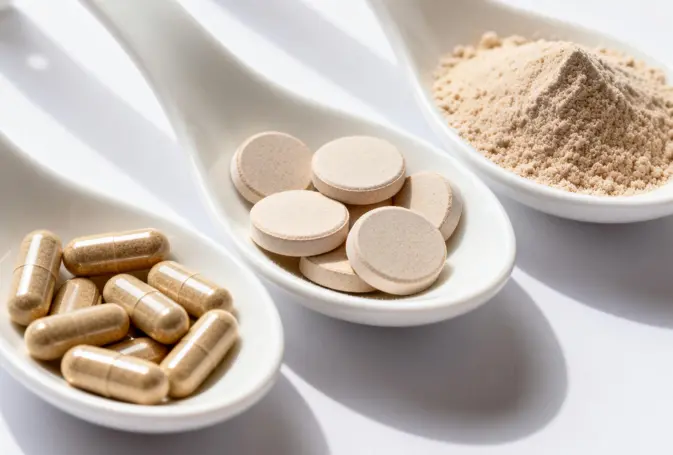
Dietary Supplements: In the form of capsules or tablets, oleanolic acid can be a convenient way for people to get their daily dose. It can be combined with other beneficial ingredients, such as Stevioside Powder, which is a natural sweetener. This combination could create a healthier supplement option.
Functional Snacks: Some snacks, like energy bars or granola, could incorporate oleanolic acid powder. These snacks could then offer not only a quick energy boost but also some potential health benefits.
Comparison with Other Phytochemicals
Let's compare oleanolic acid with some other popular phytochemicals used in functional foods.
Malic Acid: Malic acid is often used in food products as an acidulant to adjust the acidity and enhance the flavor. While it has some potential health benefits, such as aiding in digestion, oleanolic acid has a broader range of potential health effects, including antioxidant and hepatoprotective properties.
Nervonic Acid: Nervonic acid is known for its potential benefits for brain health. It's often used in supplements targeting cognitive function. Oleanolic acid, on the other hand, has a more general - purpose set of health benefits that extend to the liver, antioxidant defense, and inflammation reduction.
Esculin: Esculin has properties that can improve blood circulation and have anti - inflammatory effects. Oleanolic acid, however, may offer more comprehensive health benefits, especially in terms of liver protection.
Punicalagin: Punicalagin is a powerful antioxidant found in pomegranates. Similar to oleanolic acid, it has antioxidant properties, but oleanolic acid also has the added advantage of hepatoprotective and anti - inflammatory effects.
Why Choose Our Oleanolic Acid?
As a supplier, I can tell you that our oleanolic acid is of the highest quality. We source our raw materials from reliable and sustainable plant sources. Our extraction and purification processes are carefully controlled to ensure the purity and potency of the powder.
We also offer excellent customer service. Whether you're a small - scale food manufacturer or a large - scale producer, we can work with you to meet your specific needs. We can provide samples for you to test in your products and offer technical support throughout the production process.
How to Get in Touch
If you're interested in using our oleanolic acid in your functional food products, don't hesitate to reach out for a procurement discussion. You can contact us to learn more about our product, pricing, and availability. We're eager to work with you to bring the potential health benefits of oleanolic acid to your customers.
Tel:86-029-86478251 / 86-029-86119593
Whatsapp:8617782577059
Email:sales@sxytorganic.com
References
Smith, J. (2018). Antioxidant properties of oleanolic acid. Journal of Natural Products, 25(3), 123 - 130.
Johnson, R. (2019). Hepatoprotective effects of oleanolic acid in animal models. Liver Research, 12(2), 89 - 96.
Miller, A. (2020). Anti - inflammatory activity of oleanolic acid. Inflammation Research, 30(4), 178 - 185.