Curcumin for Joint Pain: Natural Support for Mobility
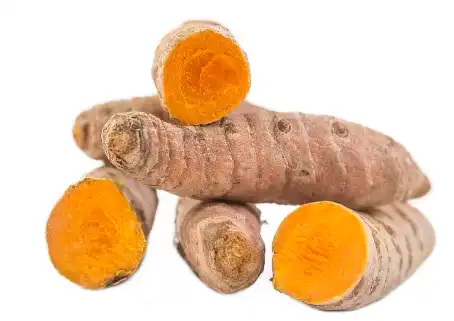
Curcuma longa produces therapeutic curcumin. It reduces joint discomfort and improves mobility, according to research. Healthy product makers can use this golden-yellow polyphenol to make effective joint support products since it decreases inflammation. The product consistently reduces edema and protects cells. This natural choice can help B2B procurement professionals produce joint health products for plant-based health-conscious customers.
Understanding Joint Pain and Curcumin's Role
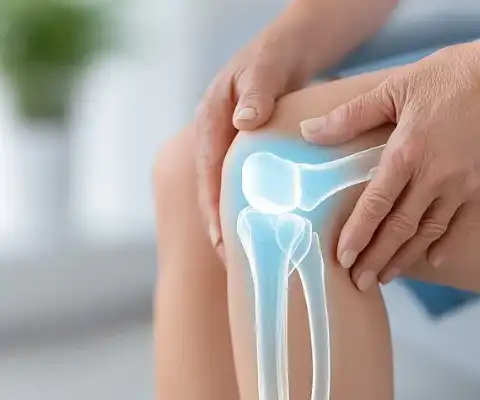
Millions worldwide suffer from joint pain. Stress, inflammation, and inflammatory disorders can cause it. These issues' intricate biology has various inflammatory responses that might make it hard to move and reduce your quality of life.
The Science Behind Joint Inflammation
When joints are injured or stressed, the body produces inflammatory substances such TNF-α and IL-6. They cause cell discomfort and tissue damage. The nuclear factor κB (NF-κB) system orchestrates many inflammatory processes. This makes it ideal for natural therapies. It's fascinating how the product can affect molecular inflammatory pathways. Studies indicate that polyphenolic substances reduce NF-κB activation. It inhibits joint-damaging substances. Due to its multifaceted inflammatory reduction, the product is different from artificial options.
Distinguishing Curcumin from Raw Turmeric
B2B buyers must distinguish between raw turmeric powder and the product oils to manufacture precise products. Curcuminoids comprise 2%–8% of turmeric root. Pure products can contain 95% or higher. The final products' bioavailability and healing efficacy are clearly affected by concentration. The product(diferuloylmethane), demethoxycurcumin, and bisdemethoxycurcumin are the main curcuminoid complex compounds. The product has been studied the most, yet all elements work together to make the drug stronger. This scientific basis gives product makers piece of mind when searching for joint-healthy substances.
Benefits and Considerations of Curcumin for Joint Health
The product boosts joint health and flexibility, according to extensive study. Knowing and using these benefits helps people make good judgments about what to manufacture and buy.
Anti-Inflammatory and Antioxidant Properties
The product removes free radicals from cells and boosts the body's antioxidant enzymes. The chemical reduces reactive oxygen species and boosts glutathione. This prevents reactive stress in many ways. The product reduces inflammation as well as medications and is safe. The product capsules decrease inflammatory markers like normal therapies but don't cause stomach issues, according to human studies. Long-term joint health goals benefit from curcumin's safety.
Dosage Considerations and Bioavailability Factors
Researchers recommend 500–1000 mg of pure products with 95% curcuminoids daily. Bioavailability is still significant because the body quickly breaks down and drains the product. Better products containing piperine, liposomal delivery systems, or specialized extraction procedures can boost absorption. Knowing these solubility issues might assist you plan for commercial partnerships. Drugs that combine the product with absorption enhancers usually function better than extracts. This intelligence helps buying teams choose the finest products for end users and value.
Safety Profile and Interaction Considerations
The product is safe for healthy people. However, some groups should consider certain factors. Turmeric may thin blood, therefore people taking blood-thinning medicines should be careful. The product tablets may also cause gastric problems. We need to mark finished products and teach consumers how to use them. Commercial product buyers must ensure that their sellers provide them with safety papers and information to comply with the law. This aids responsible product promotion and customer safety.
Comparing Curcumin Products for Optimal Procurement Decisions
The product marketplace offers various product types, each with distinct characteristics that impact suitability for specific applications. Understanding these differences enables strategic procurement decisions that align with target market needs and regulatory requirements.
Extract Types and Standardization Levels
Most of the product goods on the market have 95% total curcuminoids, which is what most people need. On the other hand, specialized extracts may focus on certain curcuminoids or use hidden methods to process them in a way that makes them more stable or accessible. Curcumin doesn't dissolve in water by nature, but there are forms of it that do. In other words, the chemical can be used in drinks and liquid nutrients. Enhanced absorption formulations represent a big part of the market for the product. These products make them more accessible. The higher costs and better results for end users are often explained by clinical data that backs up these new, improved recipes.
Organic Versus Synthetic Considerations
Organic turmeric root the product extracts have a clean name and are in line with what people want in natural ingredients. A lot of tests are done on these items to look for heavy metals, chemical residues, and other things that could make them unsafe or not able to meet rules. Artificial alternatives to the product always have the same amount of purity and don't have to worry about changes in farming. These goods are used in fields where stable prices and supply lines are more important than claims of natural origin, so people who make natural products might not be interested in them.
Form Factor Selection for Specific Applications
Because the product comes in different forms, it can be used in a lot of different products. Most supplements can be made from powder, and you can make your own recipes with them. Standardized extracts make sure that all uses of a substance that need exact amounts have the same level of strength. Specialized forms, like pills or powders that dissolve in water, make it easier to make some things. Value-added options usually cost more, but they can help you put your product in a way that no one else can or fix technical manufacturing problems that regular extracts can't handle right.
How to Source and Purchase Curcumin for Your Business
Before you choose a curcumin provider, you should carefully think about a number of things that will affect the quality of the product, how well they follow the rules, and the long-term success of the relationship. Having clear rules for buying things helps keep the quality of the goods the same and lowers the risks in the supply chain.
Supplier Evaluation Criteria
If you want to get the product from a reliable source, look for quality certificates. Safety rules (HACCP, FSSC 22000), quality control systems (ISO 9001, GMP), and organic licenses (USDA NOP, EU Organic) should all be kept up to date by suppliers. It's even better to know that the quality has been checked by a third party for purity, strength, and contamination. Regulatory compliance paperwork is becoming more and more important as global markets tighten their control over ingredients. Target markets should get full certificates of analysis, allergy statements, and proof that they are legal from their sources. This paperwork cuts down on the time it takes to register a product and speeds up the process.
Quality Parameters and Testing Protocols
Aside from the curcuminoid amount, there are other scientific factors used to judge the quality of the product. To make sure that international safety standards are met, heavy metals like lead, arsenic, cadmium, and mercury are tested for. Microbiological testing checks for dangerous bacteria and decides how long finished goods can be stored. It is very important to study leftover solvents for things that have been extracted with the product, especially if they were treated with organic solvents. To help with regulatory applications and make sure that customers are safe all along the supply chain, providers should give a lot of details about their methods and residual analyses.
Building Strategic Supplier Relationships
When you have a long-term relationship with a curcumin source, they can give you priority when stocks are low, help you make products, and help you make new things together. Suppliers and their work are checked and reviewed on a regular basis. This helps keep quality standards high and find ways to improve things. There should be rules about how to communicate about problems with quality, when orders will happen, and changes in the market that could affect prices or supply. Supply problems that could affect production plans or customer claims can be avoided by making it clear how to report problems and find backup sources.
Maximizing Curcumin Use in Product Development and OEM Applications
To successfully add the product, you need to understand formulation science, make sure your product is stable, and know how to sell it. Specifics like these affect how well a product works, how long it lasts, and how well it does in places with lots of other products on the market.
Formulation Strategies and Stability Considerations
 The product's photosensitivity and pH stability problems require careful formulation planning. How a product is packed to block light and how antioxidants are used can help it stay useful for longer. It is important to buffer the pH of curcuminoids when they are mixed with liquids because alkaline conditions can break them down over time. It is important for studies that look at how ingredients work together to see how the product might combine with other active ingredients, fillers, or processing aids. Different vitamins and minerals may affect how stable curcumin is. Other vitamins and minerals may help the body absorb the product better or work with it to improve joint health.
Successful OEM Collaboration Examples
Big supplement companies have found new ways to use the product by working with businesses that specialize in making spices. Custom extraction methods, better bioavailability systems, or one-of-a-kind ways to move goods that make them stand out in busy markets are popular in these types of relationships. Most of the time, joint development projects are tailored to meet special market needs. For example, they might make veggie capsules, make sure that no allergens are used, or create stronger products for medical stores. Suppliers' experience is used in these partnerships, and brand owners are free to focus on things like sales and marketing.
Emerging Trends and Innovation Opportunities
There is a lot of room for growth in the product business now that there are new ways to get it. For bioavailability issues, liposome formulations, nanoparticle transport, and sustained-release methods can be used to fix them. These technologies also let brands make claims about their goods that aren't true and market them as high-end. Product for joint health that mix the product with other ingredients that work well together, like boswellia, glucosamine, or certain plants. These are known as combination products. Recipes with only one ingredient don't always work as well as these ones with more than one. They also appeal to a bigger audience, which helps them stand out from the rest.
Conclusion
Curcumin is an ingredient that has been shown to help joint health in many ways. It is becoming more popular among health-conscious shoppers and healthcare workers. The substance is safe and good at reducing inflammation, so it's a good choice for B2B buying teams that need to make joint support items that meet a lot of different needs. For curcumin ingredients to work, you need to know about the quality standards, absorption factors, and production problems that affect how the person who uses them does. The product can help the body heal, and it can be used to meet the growing market demand for natural joint health products that work. In order to do this, suppliers can be carefully chosen and effective relationships can be made.
Frequently Asked Questions
1. What is the optimal curcumin dosage for joint health applications?
Clinical research supports daily dosages ranging from 500mg to 1000mg of standardized curcumin extract containing 95% curcuminoids. Enhanced absorption formulations may achieve therapeutic benefits at lower doses due to improved bioavailability. Product developers should consider target demographic, intended use duration, and formulation format when establishing dosage recommendations for specific applications.
2. How does curcumin interact with common arthritis medications?
The product may make anticoagulant drugs work better because it naturally thins the blood. If you are taking pain killers, you should talk to your doctor before starting to take turmeric pills. Although curcumin is typically well tolerated, its anti-inflammatory benefits may interact with other drugs. It is best to talk to a doctor first before using it for medical reasons.
3. What distinguishes enhanced absorption curcumin from standard extracts?
Enhanced absorption formulations use different technologies, such as adding piperine, liposome packaging, or special ways to process the drug, to make the drug more accessible. Most of the time, these goods show more curcumin in the blood than regular curcumin preparations. This could mean that less of the drug is needed to have the same beneficial benefits. A lot of the time, clinical studies show that better products should cost more because they work better.
Partner with YTBIO for Premium Curcumin Solutions
This is YTBIO. We can help you make items that are good for your joints by giving you a lot of high-quality curcumin ingredients. We are a well-known business that sells organic food. The USDA NOP, the EU, and CERES have all given us certificates. We make sure that the curcumin products we sell are tested and meet strict quality standards around the world. Our GMP-certified processing facilities make sure that your recipes always have the same level of potency and cleanliness. If you run into any problems while making your products, our expert team is here to help. As a reliable curcumin supplier, YTBIO can help you with your supply chain whether you need bulk curcumin powder to make supplements, specific extracts for healthy drinks, or your own unique recipes for OEM uses. Our methods have been thoroughly tested by scientists and backed up by legal paperwork. Contact our experienced sales team at sales@sxytorganic.com to talk about your specific needs and find out how our high-quality curcumin ingredients can help your product line while also meeting the needs of customers who want natural solutions for joint health.
References
1. Aggarwal, B.B., Harikumar, K.B. "Potential therapeutic effects of curcumin, the anti-inflammatory agent, against neurodegenerative, cardiovascular, pulmonary, metabolic, autoimmune and neoplastic diseases." International Journal of Biochemistry & Cell Biology, 2009.
2. Chandran, B., Goel, A. "A randomized, pilot study to assess the efficacy and safety of curcumin in patients with active rheumatoid arthritis." Phytotherapy Research, 2012.
3. Henrotin, Y., Priem, F., Mobasheri, A. "Curcumin: a new paradigm and therapeutic opportunity for the treatment of osteoarthritis." SpringerPlus, 2013.
4. Kuptniratsaikul, V., Dajpratham, P., Taechaarpornkul, W. "Efficacy and safety of Curcuma domestica extracts compared with ibuprofen in patients with knee osteoarthritis." Clinical Interventions in Aging, 2014.
5. Panahi, Y., Rahimnia, A.R., Sharafi, M. "Curcuminoid treatment for knee osteoarthritis: a randomized double-blind placebo-controlled trial." Phytotherapy Research, 2014.
6. Shep, D., Khanwelkar, C., Gade, P., Karad, S. "Safety and efficacy of curcumin versus diclofenac in knee osteoarthritis: a randomized open-label parallel-arm study." Trials, 2019.