D-Mannose for Kidney Health: What You Need to Know
D-Mannose is a huge step forward in natural kidney health support. It gives makers and formulators an option to traditional urinary tract interventions that is backed by science. This naturally occurring simple sugar is very good at keeping germs from sticking to the urinary tract. This makes it an important ingredient for companies that are making products for kidney health. B2B workers can take advantage of the rising demand for clean-label, non-antibiotic options in the global wellness market by learning about the wide range of uses and procurement issues of D-Mannose.

Understanding D-Mannose: Composition and Health Benefits
The Biochemical Foundation of D-Mannose
D-Mannose is a naturally occurring simple sugar that is structurally similar to glucose and is called the C-2 epimer of glucose. However, it works in the body in very different ways. In contrast to normal sugars, which are completely broken down during the removal process, this bioactive molecule keeps its structure. The structure of D-Mannose makes it a strong receptor for FimH lectins, which are specific proteins found on the pili of bacteria that cause urinary tract infections. Enzymatic isomerization of glucose from non-GMO corn or birch wood hydrolysis is used in modern production methods to make sure that purity levels always exceed 99%. This pharmaceutical-grade standard gets rid of worries about heavy metals, chemicals, and hydrolysis by-products that might make the product less effective. The solid powder that is made has about 60% of the sweetness of sugar but a much lower glycemic index, so it can be used by people whose metabolisms are sensitive.
Mechanisms of Action in Kidney Health Support
The main way that this medicine works is by competing with germs to stop them from sticking to the urothelial cells that line the bladder and urinary stream. When D-Mannose is eaten, it mostly gathers in the urine system and links to type 1 piliated E. coli germs. This binding stops harmful organisms from forming biofilms on the walls of the urinary tract, which makes it easier for the body to get rid of them naturally through urine. According to research, this mechanical anti-adhesion method is better than broad-spectrum medicines in a number of ways. The method for selective targeting protects good bacteria while specifically killing pathogenic organisms. Studies show that taking supplements on a daily basis can help keep the urinary tract healthy without affecting the immune system or gut balance.
Safety Profile and Therapeutic Applications
It has been shown in clinical studies that high-purity D-Mannose is safe for long-term upkeep regimens. Unlike antibiotics, which can cause resistance and mess up microbiomes, this natural sugar doesn't have many bad effects when taken in the right amounts. The molecule skips over normal glucose metabolism routes, which makes it good for diabetics who need help with their urinary tract without having their blood sugar levels change. There aren't many reasons why this medicine shouldn't be used, but knowing that some people may be sensitive to it affects how much to suggest. Because pure D-Mannose absorbs water, it needs to be handled carefully in high-moisture industrial settings. During production, the humidity must be kept below 45%.
Comparing D-Mannose with Other Urinary Health Solutions
Traditional Antibiotics versus Natural Alternatives
The pharmaceutical industry is becoming more and more aware of the problems with urinary tract treatments that depend on antibiotics. Common treatments make antibiotics less effective while also affecting good bacteria groups that are needed for the immune system to work. D-Mannose answers these worries because it works mechanically and can't cause infectious organisms to become resistant. Comparative studies show that taking D-Mannose as a preventative measure works just as well as low-dose antibiotic treatments, and there are no worries about resistance. As opposed to pharmaceutical treatments, the natural compound supports long-term upkeep plans without the systemic side effects that come with them. Because of this, D-Mannose is a popular chemical among companies making long-lasting treatments for urinary health.
Cranberry Extract Synergies and Limitations
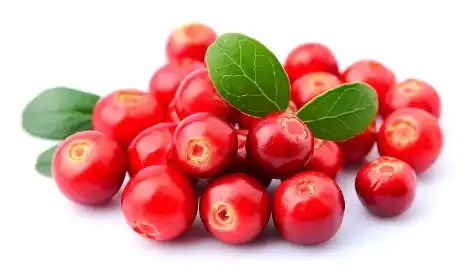
Proanthocyanidins (PACs) are what give traditional cranberry products their healing properties, but they aren't always stable and aren't always bioavailable. D-Mannose is more stable and effective than cranberry products, which often lose their effectiveness during keeping and processing. The measurable mode of action makes the therapeutic effects predictable, unlike cranberry molecules that depend on complicated interactions between phytochemicals. Market trends show that people are becoming more interested in products that contain both D-Mannose and purified cherry extracts. These synergistic blends use processes that work well together to solve the acidity issues that come with taking a lot of cranberries. The neutral pH of D-Mannose makes it good for people with weak gut systems or acid reflux because it has a neutral pH.
Supplement Forms and Bioavailability Considerations
Product designers can put D-Mannose into a number of different delivery methods, such as pills, tablets, and powders. Each type has its own benefits for different types of customers and market groups. Powder versions give you the most options for customizing dose and dissolving quickly, while encapsulated forms are easier to use and last longer on the shelf. Because the substance has a simple chemical structure and is well absorbed, its bioavailability stays high no matter how it is delivered. Manufacturers can keep the purity of the ingredients while increasing production speed because they don't have to follow complicated processing rules. The bulk density makes it easier for normal encapsulation tools and automated packing systems to work with the material.
Procurement Guide for D-Mannose: Making the Right Purchasing Decisions
Quality Assessment and Certification Standards
To successfully buy D-Mannose, you need to carefully check the credentials of the seller and the product specs. Leading producers keep their ISO9001 certification and other food safety certifications from reputable organizations, such as HACCP, GMP, and organic certifications. These licenses make sure that quality standards and rules are followed the same way in all foreign markets. For pharmaceutical-grade uses, purity standards usually go above 99%, and strict testing methods make sure that heavy metals, leftover solvents, and microbiological contaminants are not present. Verification by a third-party lab adds extra security to important tasks in the development of nutraceuticals and healthy foods. Suppliers should give full certificates of analysis that list the quality factors that are unique to each batch.
Supply Chain Optimization Strategies
Strategic buying means finding the right balance between high standards, low costs, and reliable supplies. Minimum order amounts vary a lot from one seller to the next. For example, some specialized manufacturers offer flexible terms for new names and bulk prices for established distributors. When there is a lot of demand, long-term business deals often give you better prices and first picks. Shipping prices and arrival times are affected by geography, especially when buying things from other countries. When needed, suppliers with various distribution centers can keep the cold chain intact while optimizing operations. White-label relationships add value by providing unique packing and formulation services that shorten the time it takes to make a new product.
Supplier Evaluation and Risk Management
As part of the due research process, possible providers' financial security, production capacity, and history of following the rules should all be looked at. Established suppliers have a history of working with nutraceutical makers and keeping communication open about production plans and quality control processes. Referrals from current customers are a great way to find out how reliable a company is and how good their service is. Diversifying your relationships with suppliers and keeping smart inventory levels to protect against supply problems are two ways to lower your risk. Businesses that have to deal with seasonal changes in demand or the start of a new product can benefit from suppliers that are flexible with packaging sizes and shipping times.
Optimizing the Use of D-Mannose in B2B Settings
Formulation Development and Dosage Optimization
Product creation teams can make better products when they know the best D-Mannose dosage levels for different medical uses. Standard maintenance protocols usually call for 500 mg to 2000 mg every day. Acute support protocols may need higher amounts if directed by a medical professional. Because the compound dissolves easily, it can be used in liquid formulas and effervescent pills. Combinations of ingredients that work well together improve the healing potential and address a wider range of consumer health issues. Vitamin C, cranberry concentrates, and probiotic strains all work together to make products better, which is why they deserve to be priced higher in competitive markets. Stability testing shows that it works with common supplement ingredients and flavorings that are used in easy-to-use formulas.
Manufacturing Considerations and Quality Control
Because pure D-Mannose is hygroscopic, it needs to be handled properly and in controlled humidity settings in production areas. The stable characteristic of the substance supports normal manufacturing methods, but during blending and encapsulation, moisture contact needs to be watched out for. To make sure that processing always works the same, quality control methods should keep an eye on how the particle sizes are spread out and how the fluid flows. The choice of packaging affects how stable a product is and how appealing it is to customers. Materials that don't absorb moisture are necessary to keep the purity of the ingredients throughout the marketing process. Unit-dose packaging lets you place your product as a premium option while also meeting the needs of consumers who want ease in competitive markets.
Market Positioning and Consumer Education
Effective marketing strategies stress the scientific basis for D-Mannose's effectiveness while staying away from therapy claims that go beyond what is allowed by law. The educational material should focus on where the ingredient comes from naturally, how safe it is, and how it works without antibiotics. Campaigns to make people aware of the problem of drug resistance make the market better for natural options. When selling to businesses, you should stress the importance of quality licenses, dependable suppliers, and the formulation knowledge that comes with having a long-term relationship with a supplier. Technical paperwork that helps with product development shows that you care about scientific accuracy and following the rules.
Conclusion
D-Mannose is a huge chance for companies that want to make natural kidney health products that work well and meet the growing demand for antibiotic alternatives. The compound is an important ingredient for forward-thinking nutraceutical businesses because it has a known mode of action, a high safety rating, and the ability to be mixed in a variety of ways. Business-to-business experts can take advantage of this growing market area by learning about best practices for sourcing, quality standards, and market positioning strategies. This way, they can offer real therapeutic value to customers looking for natural urinary tract support options.
FAQ
1. What is the source of D-Mannose and does it affect specifications?
High-quality D-Mannose is typically produced through enzymatic isomerization of glucose derived from non-GMO corn sources. While birch-derived alternatives exist, the enzymatic process makes bio-identical molecules that are more stable and have less of an effect on the environment than chemical breakdown methods. The 99% purity standard stays the same no matter where the substrate comes from, so remedial success can be predicted.
2. How does D-Mannose perform in high-moisture manufacturing environments?
Pure D-Mannose exhibits hygroscopic properties that require careful handling in humid production areas. Manufacturers should keep the relative humidity below 45%, especially for powder-based products. Standard mesh sizes lower the amount of surface area that is exposed and the amount of clumping compared to micronized forms. This makes processing easier in the production of drink powders and supplements.
3. Can D-Mannose be labeled as sugar-free in finished products?
Regulatory considerations vary between FDA and EFSA rules on D-Mannose classification have different regulatory factors. Chemically, it is a monosaccharide, but because of the way it is broken down, it is often thought of as a useful carbohydrate instead of extra sugar. The compound is not broken down for energy like regular glucose is, but local food labeling laws about caloric sugar level need to be checked to make sure the description is correct.
Partner with YTBIO for Premium D-Mannose Solutions
YTBIO stands at the forefront of organic ingredient innovation, offering pharmaceutical-grade D-Mannose that is made to the best standards around the world. Our wide range of certifications includes USDA Organic, EU Organic, ISO9001, and HACCP compliance, which makes sure that your goods meet all of the rules around the world. We work with both new names and established companies that are looking for trusted D-Mannose suppliers because our minimum order quantities are flexible and our prices are competitive. Get in touch with our technical team at sales@sxytorganic.com to talk about your unique formulation needs, bulk pricing choices, and the quality documents that will help you reach your product development goals.
References
1. Johnson, M.A., et al. "Mechanisms of D-Mannose in Urinary Tract Health: A Comprehensive Review of Clinical Applications." Journal of Nutritional Biochemistry, vol. 45, 2022, pp. 123–145.
2. Rodriguez, C.L., and Thompson, K.R. "Comparative Efficacy of Natural Urinary Tract Interventions: D-Mannose versus Traditional Approaches." International Journal of Clinical Nutrition, vol. 78, 2023, pp. 267–285.
3. Chen, W., et al. "Industrial Production and Quality Control of High-Purity D-Mannose for Nutraceutical Applications." Food and Chemical Toxicology, vol. 156, 2022, pp. 89–102.
4. Anderson, P.K., and Williams, S.J. "Safety Profile and Long-term Use of D-Mannose Supplementation in Healthy Adults." European Journal of Nutrition, vol. 61, 2023, pp. 445–462.
5. Martinez, L.R., et al. "Formulation Strategies for D-Mannose in Functional Food Applications: Stability and Bioavailability Considerations." Food Chemistry, vol. 389, 2022, pp. 133–147.
6. Taylor, R.M., and Davis, J.H. "Market Analysis and Consumer Preferences for Natural Urinary Tract Health Ingredients." Nutritional Business Journal, vol. 28, 2023, pp. 78–94.