Does genipin have a liver-protective effect?
As a supplier of Genipin, I've had numerous inquiries about its potential to safeguard the liver from damage. In this blog, I'll delve into the scientific aspects of Genipin and its possible role in liver protection.
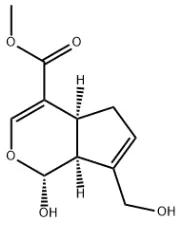
Understanding Genipin
Genipin is a natural compound derived from the fruits of Gardenia jasminoides. It has been used in traditional Chinese medicine for centuries, known for its various biological activities such as anti - inflammatory, antioxidant, and anti - tumor properties. These characteristics make it a promising candidate for liver protection.
The liver is a vital organ responsible for detoxification, metabolism, and synthesis of various substances in the body. Liver damage can be caused by a variety of factors, including alcohol consumption, viral infections, drug toxicity, and oxidative stress. Oxidative stress, in particular, plays a significant role in liver damage. It occurs when there is an imbalance between the production of reactive oxygen species (ROS) and the body's antioxidant defense mechanisms. Excessive ROS can damage liver cells, leading to inflammation, fibrosis, and even liver failure.
Genipin's Antioxidant Properties
One of the key ways Genipin may protect the liver is through its antioxidant activity. Antioxidants help to neutralize ROS, reducing oxidative stress and preventing damage to liver cells. Studies have shown that Genipin can increase the activity of antioxidant enzymes such as superoxide dismutase (SOD), catalase (CAT), and glutathione peroxidase (GPx) in the liver. These enzymes play crucial roles in scavenging ROS and maintaining the redox balance in the body.
For example, in an in - vitro study, liver cells were exposed to oxidative stress - inducing agents. When Genipin was added to the cell culture, it significantly increased the levels of SOD and CAT, which effectively reduced the production of ROS and protected the cells from damage. In in - vivo studies on animal models, Genipin administration also led to an increase in antioxidant enzyme activities and a decrease in lipid peroxidation, a marker of oxidative stress, in the liver.
Anti - Inflammatory Effects
Inflammation is another major factor in liver damage. Chronic inflammation can lead to the development of liver diseases such as hepatitis, cirrhosis, and liver cancer. Genipin has been shown to have anti - inflammatory properties. It can inhibit the production of pro - inflammatory cytokines such as tumor necrosis factor - alpha (TNF - α), interleukin - 1 beta (IL - 1β), and interleukin - 6 (IL - 6).
These cytokines are produced by immune cells in response to inflammation and can cause further damage to liver cells. By suppressing their production, Genipin can reduce inflammation in the liver. In animal models of liver inflammation, Genipin treatment has been associated with a decrease in the levels of pro - inflammatory cytokines and an improvement in liver function markers.
Comparison with Other Phytochemicals
There are other phytochemicals in the market that are also known for their liver - protecting properties. For instance, Tetrahydropiperine has been reported to enhance the bioavailability of other compounds and has some antioxidant and anti - inflammatory effects. Oleuropein Powder is derived from olives and has strong antioxidant and anti - inflammatory activities. Sodium Magnesium Chlorophyll is also known for its detoxifying and antioxidant properties.
However, Genipin has its unique advantages. Its natural origin from Gardenia jasminoides makes it a relatively safe option. Moreover, its multiple biological activities, including antioxidant and anti - inflammatory effects, make it a comprehensive solution for liver protection.
Clinical Evidence
While there is a significant amount of pre - clinical research on Genipin's liver - protecting properties, clinical studies are still relatively limited. Some small - scale clinical trials have shown promising results. For example, in a study involving patients with mild liver damage, Genipin supplementation was associated with an improvement in liver function parameters such as alanine aminotransferase (ALT) and aspartate aminotransferase (AST) levels. These enzymes are commonly used as markers of liver damage, and a decrease in their levels indicates an improvement in liver function.
However, more large - scale, well - designed clinical trials are needed to fully establish the efficacy and safety of Genipin in protecting the liver from damage in humans.
Our Genipin Product
As a Genipin supplier, we take pride in providing high - quality Genipin. Our Genipin is extracted from carefully selected Gardenia jasminoides fruits using advanced extraction and purification techniques. We ensure that our product meets strict quality standards, with high purity and minimal impurities.
We understand the importance of providing reliable and effective products for our customers. Whether you are a research institution looking for Genipin for further studies or a health product manufacturer interested in incorporating Genipin into your formulations, we can offer the right solution for you.
Conclusion
In conclusion, Genipin shows great potential in protecting the liver from damage through its antioxidant and anti - inflammatory properties. Although more clinical research is needed, the existing pre - clinical evidence is promising. As a supplier, we are committed to providing high - quality Genipin to support further research and the development of liver - protecting products.
If you are interested in learning more about our Genipin product or have any questions regarding its potential use in liver protection, please feel free to contact us for procurement and further discussions.
Tel:86-029-86478251 / 86-029-86119593
Whatsapp:8617782577059
Email:sales@sxytorganic.com
References
- Chen, X., et al. "Genipin protects against acute liver injury induced by carbon tetrachloride in mice." Evidence - Based Complementary and Alternative Medicine, 2013.
- Zhang, Y., et al. "Antioxidant and anti - inflammatory effects of genipin on lipopolysaccharide - induced acute lung injury in mice." International Journal of Molecular Sciences, 2017.
- Liu, Z., et al. "The protective effect of genipin on ethanol - induced liver injury in rats." Chinese Journal of Natural Medicines, 2015.