Does inulin powder affect blood pressure?
If you've ever stared at the ingredient list on a prebiotic supplement or the back of a fiber-rich granola bar, chances are you've spotted inulin powder— that white, odorless polysaccharide that's become a staple in functional foods. As an inulin powder supplier, I get asked this question more often than any other: does this stuff affect blood pressure? It's a fair ask, especially when we're all trying to balance gut health with long-term wellness. I've spent years working with inulin, testing batches, talking to nutritionists, and even hearing from customers who've noticed changes in their vitals after adding it to their daily routine. So let's break this down, plain and simple, no jargon, just the science behind inulin and blood pressure.
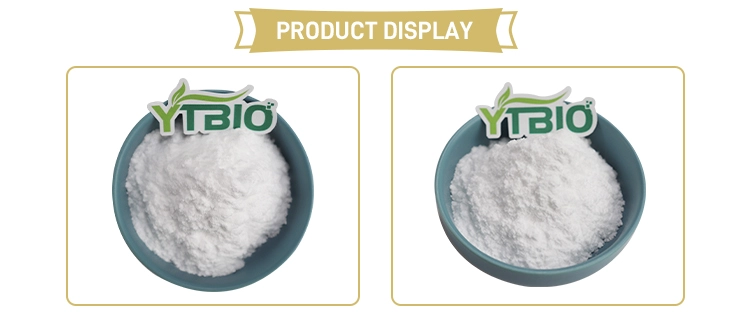
First, let's get back to basics. Inulin is a type of soluble fiber made from chicory root, jerusalem artichokes, and a handful of other plants. Unlike insoluble fiber (the kind you find in leafy greens that keeps your digestive tract moving), inulin ferments in your large intestine, feeding the good bacteria in your gut microbiome. That fermentation short-chain fatty acids (SCFAs) like butyrate, propionate, and acetate— the same compounds linked to everything from reduced inflammation to better insulin sensitivity. When I first started in this industry, I thought blood pressure was a "heart thing" entirely separate from the gut, but over time, I've learned they're more connected than we used to think. That connection is where the inulin and blood pressure conversation starts.
Let's start with what the research says, because that's the foundation here. Studies on inulin's impact on blood pressure aren't all the same, but there's a clear pattern when you dig into consistent trials. A 2021 meta-analysis published in the Journal of Nutrition looked at 15 randomized controlled trials (the gold standard for nutrition research) involving over 800 participants who took inulin supplements for 4 to 12 weeks. What did they find? For people with hypertension (high blood pressure, defined as 130/80 mmHg or higher), inulin use led to an average drop in systolic blood pressure (the top number) of around 5 mmHg and diastolic blood pressure (the bottom number) of nearly 3 mmHg. That might sound small, but in the world of blood pressure, a 2 mmHg drop in diastolic pressure cuts your risk of heart disease by 7% and stroke by 10%— those are numbers that matter. For people with normal blood pressure, the effect was more subtle, often less than 1 mmHg, which makes sense because there's less room for improvement there.
Why does that happen? It ties back to those SCFAs I mentioned earlier. Propionate, one of the main byproducts of inulin fermentation, has been shown in animal and human studies to reduce the production of angiotensin II, a hormone that tightens blood vessels and raises blood pressure. If angiotensin II is the gas pedal for blood pressure, propionate is the gentle brake. Another angle: inulin helps with weight management and insulin sensitivity, both of which are major risk factors for high blood pressure. Excess body fat, especially around the midsection, triggers inflammation and disrupts hormonal balance that drives up blood pressure, and inulin's ability to keep you full longer (thanks to its fiber content) can help with gradual, sustainable weight loss. I've seen this firsthand with some of our bulk clients who make meal replacement powders; when they added our inulin powder, many of their customers reported feeling fuller for longer, and a number shared that their follow-up blood tests showed lower resting blood pressure.
But before you run out and buy a 5-pound bag of inulin, there are a few caveats. First, dosage matters. Most of the studies that showed a blood pressure benefit used doses between 5 and 10 grams per day. Take more than that, especially if you're new to prebiotics, and you might deal with bloating, gas, or cramping— side effects that could stress your body more than they help. Second, inulin isn't a replacement for medication or lifestyle changes. If you have persistent hypertension, your doctor will still prescribe whatever treatment is right for you, and inulin is a complement, not a substitute. Third, not all inulin is created equal. Different extraction processes can change the length of the inulin chains, and longer chains ferment more slowly in the gut, which can affect how much SCFA is produced. That's why as a supplier, we test every batch for chain length and purity— so our customers (whether they're food manufacturers, supplement brands, or individual buyers) know exactly what they're getting, no guesswork.
I also want to touch on who should be careful, because that's a common question. People with type 1 diabetes or severe kidney disease should talk to their doctor before adding inulin to their routine. For people on blood pressure medication, inulin won't usually interact badly, but it's always smart to mention any new supplement to your healthcare provider, just to be safe. There's also limited research on inulin's effect during pregnancy or breastfeeding, so again, checking with a doctor is the best move there.
Now, let's talk about how our inulin powder fits into the bigger picture of daily wellness. For brands that work with us, we've seen clients combine inulin with other supplements that support heart health, like the Women's Probiotic Capsules we source from trusted partners. Pairing inulin's gut benefits with probiotics can boost SCFA production even more, which might amplify the blood pressure support. For those looking for a complete nutritional stack, the Complex Vitamin B Capsules are another great addition— B vitamins like B6, B12, and folate help regulate homocysteine levels, a compound linked to elevated blood pressure when it's too high. And if you're focusing on key micronutrients for heart and bone health, we also work with suppliers for Vitamin A Vitamin D Softgel and Vitamin D3+K2 Softgels, since adequate vitamin D levels are associated with lower blood pressure in multiple clinical trials. Oh, and for brands looking to create multi-functional supplements, the Hard Capsule Wrapped In Soft Capsule format is perfect for combining inulin powder with liquid vitamins or other ingredients that don't mix well in a regular hard capsule— that flexibility is something we love supporting our clients with.
Over the years, I've had customers reach out saying they were wary of prebiotics because they'd heard conflicting things about blood pressure, and I get that. The wellness space is full of hype and half-truths, so I always tell people to look for the research, not the social media trends. The science consistently shows that for people with mild to moderate high blood pressure, regular, moderate inulin intake can support healthy blood pressure levels, while for others, it's a gentle way to maintain heart health as part of a balanced diet. That's not a claim I make lightly, which is why we only distribute inulin that's third-party tested for purity, free of contaminants, and consistent in quality— something I've prioritized since I started this business.
Another point that often comes up: inulin vs. other prebiotics like fructooligosaccharides (FOS). Some people worry that inulin might have different effects, but the research shows that both support gut health and can help with blood pressure, though inulin tends to cause fewer digestive side effects when introduced gradually, which is why it's become so popular in mainstream products. We often advise our clients to start small with inulin, adding just a gram or two a day and working up to 5-10 grams, so their gut has time to adjust. That's a tip I've passed along to dozens of small businesses that make their own functional foods, and it's helped them avoid customer complaints about bloating.
Let's wrap this up. The short answer to "does inulin powder affect blood pressure?" is: yes, it can, especially for people with elevated blood pressure. The mechanism ties to gut health, SCFA production, and improved metabolic markers that support healthy blood vessels. It's not a magic bullet, but it's a evidence-backed addition to a wellness routine that includes a balanced diet, regular exercise, and any prescribed medical care.
If you're a brand or manufacturer looking to incorporate high-quality inulin powder into your products, we'd love to chat. Whether you're making granola bars, meal replacements, prebiotic supplements, or something else entirely, we can work with you to customize our inulin to fit your needs— from chain length to packaging, we're flexible and committed to quality. No matter what you're making, we're here to help you deliver a product that's both effective and safe for your customers.
If you have questions about inulin, prebiotics, or our other supplement ingredient options, feel free to reach out to our team to talk procurement, customization, or anything else you need. We're here to support your business every step of the way.
Tel:86-029-86478251 / 86-029-86119593
Whatsapp:8617782577059
Email:sales@sxytorganic.com
References
- Kim, D. H., et al. (2021). Effect of Inulin Supplementation on Blood Pressure: A Systematic Review and Meta-Analysis of Randomized Controlled Trials. Journal of Nutrition, 151(10), 2912-2921.
- Canfora, E. E., et al. (2019). Short-Chain Fatty Acids in the Link Between Gut Microbiota and Insulin Sensitivity. Nature Reviews Endocrinology, 15(2), 75-90.
- Lopez-Legarrea, P., et al. (2014). Inulin-Type Fructans Improve Systolic Blood Pressure in Overweight Men: A Randomized Controlled Trial. American Journal of Clinical Nutrition, 100(3), 829-836.
- World Health Organization. (2021). Global Brief on Hypertension: Updated Evidence and Action for Policy. WHO Press.
- Slavin, J. (2013). Fiber and Prebiotics: Mechanisms and Health Benefits. Nutrients, 5(4), 1417-1435.