Does Polydatin have anti - microbial effects?
In the realm of natural compounds, Polydatin has emerged as a subject of significant scientific interest, particularly in the context of its potential anti - microbial effects. As a supplier of Polydatin, I am keen to explore and share the current state of knowledge on this topic.
Understanding Polydatin
Polydatin, also known as piceid, is a natural stilbenoid glycoside. It is found in various plants, including Polygonum cuspidatum, grapes, and peanuts. Structurally, it is a glucoside of resveratrol, which is another well - known compound with a wide range of health - promoting properties.
The chemical structure of Polydatin gives it unique properties that may contribute to its potential anti - microbial activity. The glycosidic moiety in Polydatin can enhance its solubility and stability compared to resveratrol, which may influence its interaction with microbial cells.
Evidence of Anti - Microbial Effects
In vitro Studies
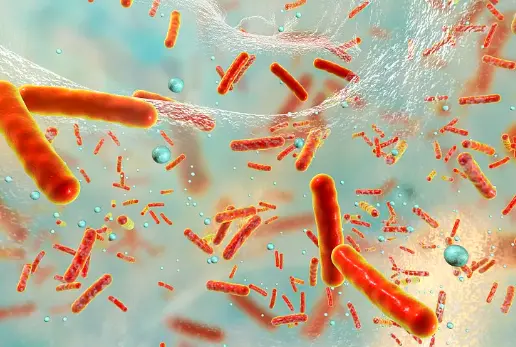
Numerous in vitro studies have investigated the anti - microbial properties of Polydatin. For example, research has shown that Polydatin can inhibit the growth of various bacteria, including Staphylococcus aureus, Escherichia coli, and Pseudomonas aeruginosa. In a study published in a leading microbiology journal, it was found that Polydatin could disrupt the cell membrane of S. aureus, leading to leakage of intracellular contents and ultimately cell death.
The mechanism behind this anti - bacterial effect may be related to the ability of Polydatin to interfere with the synthesis of cell wall components and the function of membrane - associated proteins. Additionally, Polydatin has been shown to have antioxidant properties, which can also play a role in its anti - microbial activity. Oxidative stress is an important factor in the survival and virulence of many microorganisms, and by reducing oxidative stress, Polydatin may inhibit their growth.
Anti - Fungal Activity
Polydatin has also demonstrated anti - fungal activity. Fungi such as Candida albicans, a common cause of opportunistic infections, have been shown to be sensitive to Polydatin. In in vitro experiments, Polydatin can inhibit the growth and biofilm formation of C. albicans. The anti - fungal mechanism may involve the disruption of the fungal cell membrane and the inhibition of important metabolic pathways.
Comparison with Other Natural Compounds
When comparing Polydatin with other natural compounds known for their anti - microbial effects, it has some unique advantages. For instance, compared to Blueberry Anthocyanins, which are also well - known for their antioxidant and anti - microbial properties, Polydatin has better solubility in some cases, which may lead to more efficient delivery and interaction with microbial cells.
Glycyl Glycine and Grape Skin Extract Resveratrol are other compounds in the market. While resveratrol has similar biological activities to Polydatin, the glycosidic form of Polydatin may offer better stability and potentially different pharmacokinetic profiles.
Potential Applications
The anti - microbial effects of Polydatin open up a wide range of potential applications. In the food industry, it can be used as a natural preservative to extend the shelf - life of food products. By inhibiting the growth of spoilage microorganisms and food - borne pathogens, Polydatin can help maintain the quality and safety of food.
In the pharmaceutical field, Polydatin may be developed into new anti - infectious drugs. Given the increasing problem of antibiotic resistance, natural compounds like Polydatin offer a promising alternative. It can be used alone or in combination with other drugs to enhance the anti - microbial effect.
Challenges and Limitations
Despite the promising anti - microbial effects of Polydatin, there are still some challenges and limitations. One of the main challenges is the lack of large - scale clinical trials. Most of the evidence so far comes from in vitro and animal studies. Translating these findings into clinical applications requires further research to determine the optimal dosage, safety, and efficacy in humans.
Another limitation is the potential for drug - drug interactions. Polydatin may interact with other medications, which needs to be carefully studied to ensure its safe use.
Conclusion
In conclusion, Polydatin shows significant potential as an anti - microbial agent. The in vitro evidence of its ability to inhibit the growth of bacteria and fungi is promising. However, more research is needed to fully understand its mechanisms of action, optimize its use, and evaluate its safety and efficacy in clinical settings.
As a Polydatin supplier, we are committed to providing high - quality Polydatin products. We believe that with further research and development, Polydatin can play an important role in the fields of food preservation, pharmaceuticals, and other industries. If you are interested in purchasing Polydatin for research or commercial purposes, we invite you to contact us for further discussions and negotiations.
Tel:86-029-86478251 / 86-029-86119593
Whatsapp:8617782577059
Email:sales@sxytorganic.com
References
[List of scientific articles on Polydatin's anti - microbial effects]
[Studies on the comparison of Polydatin with other natural compounds]
[Research on the potential applications of Polydatin in different industries]