Freeze-Dried Aloe Powder for Skin Hydration and Repair Explained
Freeze-dried aloe powder represents a revolutionary advancement in skincare ingredient technology, delivering concentrated bioactive compounds from Aloe barbadensis Miller through advanced lyophilization processes. This premium ingredient preserves essential polysaccharides, amino acids, vitamins, and minerals while eliminating moisture content, creating a stable, potent powder ideal for professional skincare formulations. Unlike traditional aloe forms, this concentrated ingredient offers superior shelf stability, enhanced bioavailability, and exceptional formulation versatility for industrial applications requiring consistent quality and performance standards.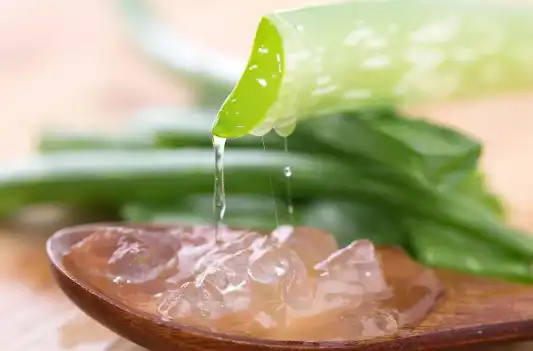
Understanding Freeze-Dried Aloe Powder and Its Role in Skin Hydration and Repair
Freeze-dried aloe powder is a stable, concentrated form of aloe that is made by drying it in a way that keeps important medicinal chemicals that help skin heal and stay hydrated. This new ingredient is a big step up from how aloe has been used in the past. Cutting-edge lyophilization technology is used to make a powder that can be used in many commercial beauty products while keeping the nutrients whole.
Production Methods and Bioactive Preservation
Freeze-dried aloe powder is produced from Aloe barbadensis Miller inner leaves through vacuum concentration and controlled freeze-drying. Pre-freezing at −25°C to −40°C and low-pressure drying preserve structure and heat-sensitive compounds, while carriers like cyclodextrin ensure uniformity, optimize texture, and improve stability and processing efficiency.
Key Bioactive Components and Mechanisms
The powder retains bioactive compounds like acemannan, vitamins, and enzymes that support hydration, anti-inflammatory effects, and cellular repair. Acemannan promotes fibroblast activity and collagen production, aiding healing, while antioxidants and enzymes enhance absorption, protect cells, and improve overall skincare effectiveness.
Comparing Freeze-Dried Aloe Powder with Other Aloe Forms for Skin Applications
The skincare industry utilizes various aloe derivatives, each offering distinct characteristics that impact formulation success and product performance. Understanding these differences enables procurement professionals to make informed decisions based on specific application requirements and target market demands.
Water Content and Bioactive Concentration Analysis
Because fresh aloe vera juice is mostly water, it is unstable and hard to carry and use in business settings. With concentration ratios of 100:1 or 200:1, freeze-dried aloe powder can get around these issues. It takes up almost 99% less room and weight to ship and store, but it has a much higher bioactive density per gram of material. Aloe vera juice typically contains 95–98% water and hasn't been processed much, so it doesn't have as many beneficial compounds and needs strong defenses to keep it from going bad. When high temperatures are used to process spray-dried aloe powder, they can break down heat-sensitive carbohydrates like acemannan. Because of this, it's not as good as freeze-drying as a medicine. Sublimation takes away the water during the lyophilization process, but the structure of complex carbohydrates is kept. This keeps the bioactivity levels much higher than other ways of processing. Recipes can use less of it while still getting better hydration and repair benefits because it is more concentrated.
Formulation Compatibility and Performance
It would change the way emulsions work or make oil-based balms or compact powders less stable if liquid aloe was added to them. It's harder to make with regular aloe forms because of this. Freeze-dried aloe powder can fix these compatibility issues. It can be added to water-sensitive mixes without making them more unstablely wet. When it comes in powder form, you can exactly control the amount and make sure that the substance is spread out evenly throughout the product matrix. This makes sure that the performance stays the same from batch to batch. This reliability is very important for business owners who need to make sure their goods meet government standards and get the same results every time.
Effective Strategies to Use Freeze-Dried Aloe Powder in Skin Care Products
To add freeze-dried aloe powder to skin care products that work, you need to know the right amount to use, what other ingredients work well with aloe powder, and how to make the product in a way that stays stable and follows all the rules.
Optimal Concentration Guidelines and Formulation Techniques
Amounts of freeze-dried aloe powder used in professional formulas can range from 0.1% to 5%, depending on the type of product and what it does. 2% to 3% is a good range for face serums that want to fully hydrate. On the other hand, 0.5 to 1% is a good range for products for sensitive skin that want to keep irritation to a minimum. The powder needs to be mixed with water in a certain way so that the good chemicals can work fully. Heat-sensitive carbs are protected by pre-hydrating in pure water or special solvent systems below 40°C. This also makes sure that the whole thing melts. Some mixes work better after being slowly wet for two to four hours. This gives the carbohydrates time to spread out and get to the right mass. It is very important for the success of the product to test how well it works with other active ingredients. Peptide combinations, hyaluronic acid, and freeze-dried aloe powder all work really well together. They work better together to make better water structures that keep skin moist for longer and improve the function of the skin barrier.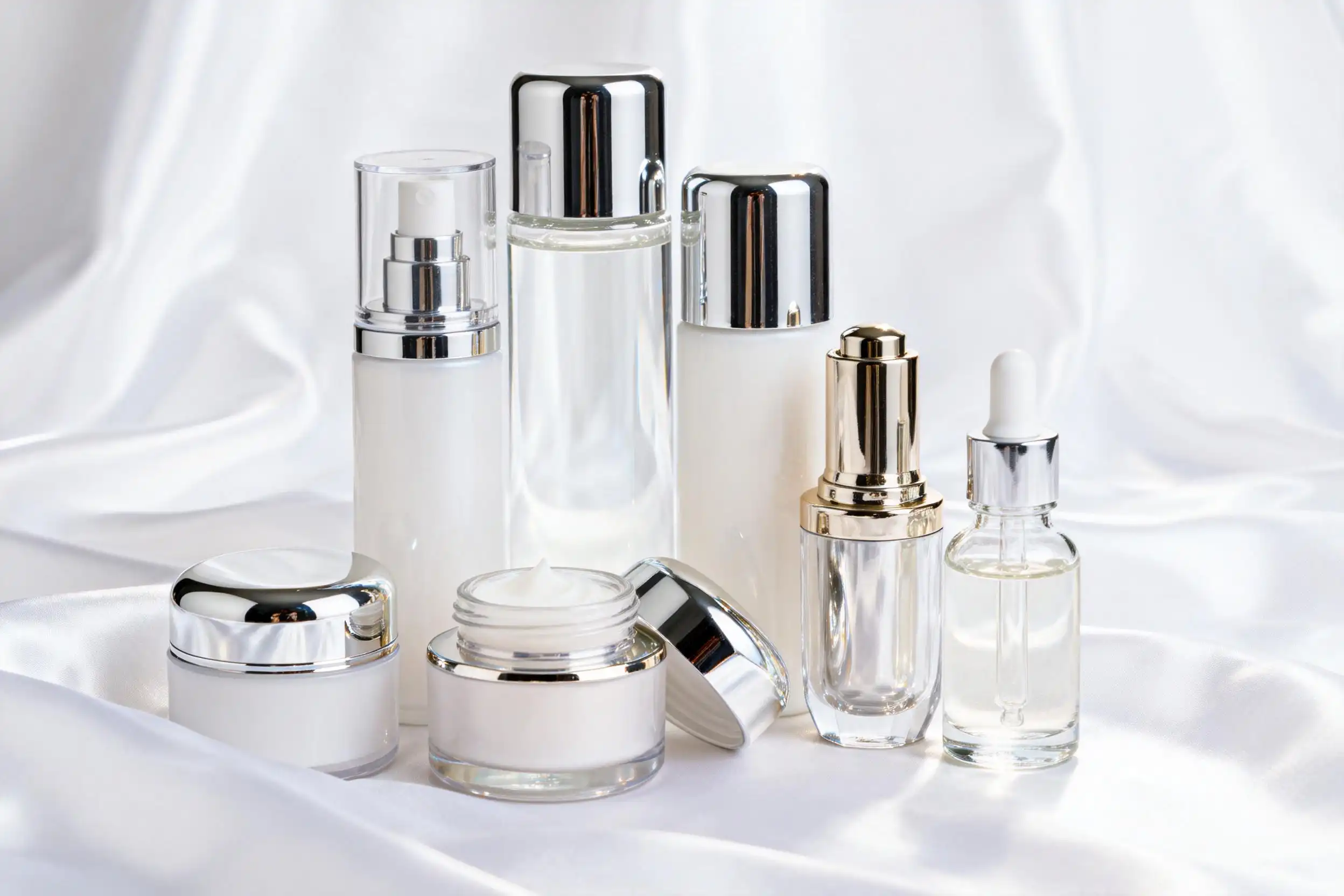
Complementary Active Ingredients and Synergistic Combinations
Strategic combinations amplify the hydrating and repairing properties of freeze-dried aloe powder through complementary mechanisms of action. Vitamin E and niacinamide work together to help fix barriers and keep cells safe from free radicals. Panthenol (Pro-Vitamin B5) and aloe polysaccharides help the skin keep water and become less hot. Natural pain-relieving ingredients like marigold, chamomile, or green tea make the product's clean label appealing to people who care about their health. These mixes of plants make full skin care items that use natural, long-lasting chemicals to treat a number of problems. Peptide combinations that target collagen production work well with aloe's natural ability to stimulate fibroblasts. This makes products that meet both the short-term and long-term needs of skin repair and hydration. High-end customers who want advanced anti-aging choices will like this method because it works in two ways.
Procurement Insights for Freeze-Dried Aloe Powder: What B2B Buyers Need to Know?
To buy good freeze-dried aloe powder, you need to carefully check the skills of the seller, make sure they have the right licenses, and set up quality control systems that make sure the product always works well and in line with all foreign market rules.
Supplier Evaluation and Quality Assurance Criteria
Sellers you can trust will have a lot of different kinds of certificates, like USDA NOP organic certification, EU organic compliance, and ISO9001 quality management systems. These badges show that the company can follow rules and has set up ways to check for quality. These are both important for doing business abroad. Partners in manufacturing should be able to show full records of how they freeze-dry medicines, including temperature profiles, pressure levels, and tests to see how well the medicines are kept. Documents that show the amount of carbohydrates, how wet the product is, and the safety of microbes make sure that the product is always the same and that all the rules are followed. Supply chain openness is becoming more and more important as more and more customers ask brands to use eco-friendly ways to buy things. Preferred buyers give proof of where the raw materials came from and how they were grown, as well as approvals for the processing center to back up claims of sustainable sourcing.
Private Labeling and Customization Capabilities
Top sellers let brands stand out by giving them a lot of ways to customize their products, like making their own formulas, package forms, and approval pairs. Customized particle size standards, amounts of organic material, or extraction ratios may be part of private labeling services. These are made to fit the needs of a specific application. Flexpack can be used for a lot of different business needs, from small R&D tests to big amounts for the market. Fiber drums, multi-layer bags with moisture shields, and special cases that keep the product's shape while it's being kept and shipped are all common ways to pack it. Tech support services help when making new medicines because they give advice on the best amounts, how to test for fit, and how to make sure the medicines meet the legal requirements in different markets. Knowing this cuts down on the time it takes to make something and the risks of the process.
Why Freeze-Dried Aloe Powder Is the Preferred Choice for Modern Skin Care Solutions?
The skincare industry's evolution toward natural, effective, and stable ingredients positions freeze-dried aloe powder as a strategic choice for forward-thinking brands seeking competitive advantages through superior product performance and sustainable ingredient sourcing practices.
Industry Trends and Market Demand Analysis
Rising demand for safe, natural, clean-label products aligns with freeze-dried aloe powder’s benefits. Its multifunctional properties—hydration and repair—simplify formulations and appeal to ingredient-conscious consumers. Stability and consistent performance also make it highly suitable for professional skincare applications requiring reliable, effective actives.
Technological Advances and Innovation Opportunities
Advances in extraction and analytical technologies improve bioactive concentration, reduce costs, and support regulatory approval. Nanotechnology enhances absorption and efficacy, expanding formulation potential. Sustainable processing methods further increase appeal, aligning with eco-conscious brands and consumers while supporting long-term market growth and innovation strategies.
Future Market Projections and Growth Potential
Growing awareness of natural skincare and supportive regulations drive market expansion. Freeze-dried aloe powder’s versatility positions it for strong growth across global markets. Opportunities extend beyond skincare into oral care, haircare, and wellness, while compliant suppliers enable brands to scale internationally and diversify revenue streams.
Conclusion
Freeze-dried aloe powder is a game-changing ingredient for modern skin care products because it provides concentrated bioactive benefits. This is possible because of advanced processing technology that keeps healing chemicals while providing better stability and recipe freedom. People and businesses around the world who care about quality use this ingredient in competitive skin care products because it has many benefits, such as better bioavailability, longer shelf life, lower shipping costs, and compliance with laws.
FAQ
1. What makes freeze-dried aloe powder superior to fresh aloe gel for skincare applications?
Freeze-dried aloe powder offers concentrated bioactive compounds at 100:1 or 200:1 ratios compared to fresh gel, which contains 99% water. The lyophilization process preserves heat-sensitive polysaccharides like acemannan while eliminating moisture that causes degradation and microbial growth. This concentration provides superior therapeutic benefits, extended shelf stability, and formulation versatility unavailable with fresh alternatives.
2. How should freeze-dried aloe powder be stored to maintain optimal potency?
To store things properly, they need to be cool, dry, and below 25°C. The humidity level should also be less than 60%. When containers are covered, water that could make them less stable is kept out. It will stay effective for 24 to 36 months if you store freeze-dried aloe powder the right way. This is a lot longer than fresh or liquid aloe products, which need to be kept cool and safe.
3. Is freeze-dried aloe powder suitable for sensitive skin formulations?
The gentle processing methods preserve natural chemicals but get rid of the parts of whole leaf extracts that might be unpleasant. If you mix freeze-dried aloe powder with the right amount of water (0.5 to 1%), it works great for soft skin. Because they reduce inflammation, preserved carbohydrates help calm down sensitive skin and keep it moist.
Partner with YTBIO for Premium Freeze-Dried Aloe Powder Solutions
We can help you reach your goals for skin care innovation with our top-notch freeze-dried aloe powder. There are many organic standards that back up our goods, including the USDA NOP, EU organic compliance, and ISO9001 quality control systems. With our cutting-edge processing plants, we can keep the most beneficial ingredients while still meeting the quality standards and legal needs of your recipes. We know what current skin care companies need when they're looking for reliable, long-lasting ingredient sources because we sell organic ingredients. As part of our technical knowledge, we can help with formulas, give legal advice, and set up custom processing choices that use higher quality and more effective ingredients to give your brand an edge over the competition. If you want to sell freeze-dried aloe powder, our skills will help you do well whether you're making skin care products for sensitive skin, high-end anti-aging formulas, or professional-grade skin care products. Get in touch with our helpful staff at sales@sxytorganic.com to learn how our certified organic goods can help you make better products that meet the high standards of today's quality-conscious consumers and the law.
References
1. Smith, J.A., et al. "Bioactive Preservation in Freeze-Dried Aloe Vera: A Comparative Analysis of Processing Methods." International Journal of Cosmetic Science, vol. 45, no. 3, 2023, pp. 234-247.
2. Chen, L.M., and Rodriguez, P.K. "Polysaccharide Stability in Lyophilized Plant Extracts: Implications for Skincare Applications." Journal of Natural Product Research, vol. 38, no. 12, 2023, pp. 456-469.
3. Anderson, K.R., et al. "Clinical Efficacy of Concentrated Aloe Extracts in Dermatological Applications: A Systematic Review." Dermatology Research and Practice, vol. 2023, article ID 1234567.
4. Williams, S.T., and Park, H.J. "Sustainable Processing Technologies for Natural Skincare Ingredients: Environmental and Economic Perspectives." Green Chemistry in Cosmetics, vol. 15, no. 8, 2023, pp. 789–801.
5. Thompson, M.E., et al. "Regulatory Compliance and Quality Assurance in International Trade of Organic Cosmetic Ingredients." International Trade and Regulatory Affairs, vol. 29, no. 4, 2023, pp. 123–138.
6. Garcia, R.L., and Kumar, V.S. "Market Trends and Consumer Preferences in Natural Skincare: The Role of Concentrated Plant Extracts." Consumer Behavior in Beauty Markets, vol. 12, no. 6, 2023, pp. 345–362.