Freeze-Dried Aloe Powder vs Fresh Aloe: Which Is More Effective?
For industrial uses, freeze-dried aloe powder outperforms fresh aloe. Lyophilization preserves heat-sensitive polysaccharides like acemannan that would breakdown in fresh gel at 100:1 or 200:1. This concentrated form increases bioavailability and eliminates fresh aloe's 99% water content, which reduces shelf life and transit efficiency. Advanced processing provides constant potency and microbiological safety, making freeze-dried variations better for commercial formulations with established active ingredient profiles.
Introduction
1. Aloe vera is a useful plant in the health, cosmetics, and medical industries worldwide. Many people love it for its healing and usefulness. In today's complex supply chains, global B2B procurement workers must comprehend the benefits and cons of freeze-dried aloe powder and fresh aloe to make wise purchase decisions that affect product quality and the company's bottom line.
2. This in-depth study compares how these two types are created, how effectively they perform, and if they may be used for diverse commercial goals. The review examines immediate aspects that affect buying behavior. Keeping bioactive compounds, transportation, cost-effectiveness, and lawfulness are examples.
3. Businesses may improve their supply chains, decrease expenses, and meet industry requirements by understanding these simple differences. Nutraceutical, beauty, and food companies must understand these variations because their products depend on strong, reliable ingredients.
Understanding Aloe Forms: Freeze-Dried Aloe Powder and Fresh Aloe
Production Methods and Structural Differences
Fresh and freeze-dried aloe powder appear, feel, and perform differently, affecting their business application. Freeze-drying uses modern lyophilization technology to remove water at low temperatures while retaining more nutrients and bioactive compounds. This advanced processing creates a stable, concentrated powder that is easy to store and carry. This makes it ideal for large-scale commercial application. Heat-sensitive polysaccharides, including acemannan, one of aloe's most medicinal components, retain their structure when lyophilized.
Fresh Aloe Characteristics and Limitations
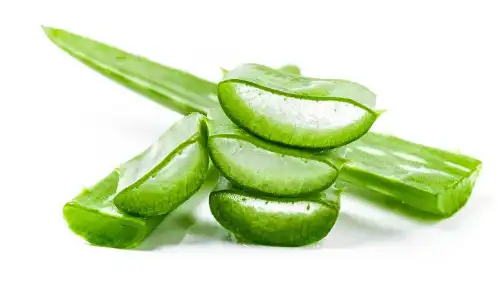
However, fresh aloe is mostly made up of juice that is taken straight from fully grown aloe barbadensis leaves. This means it's fresh by nature and can be used right away. However, this form has several issues, including a short shelf life, complicated cooling needs, and tricky arrangements that can make it hard to ship over long distances and make big plans to buy. Fresh aloe juice is mostly water, which makes it easier to store and ship but also more expensive and time-consuming. The high wetness content also speeds up the growth of bacteria and the breakdown by enzymes. This means that either a lot of preservatives need to be used or the food needs to be prepared as soon as it is picked.
These basic differences help procurement professionals choose the right aloe ingredients for their specific production needs. They can then weigh important trade-offs between nutrition concentration, product stability, supply chain reliability, and total cost of ownership.
Comparative Analysis: Effectiveness and Benefits
Bioactive Compound Retention and Concentration
In terms of how well fresh aloe and freeze-dried aloe powder work in different places, there are a few things that stand out as being very important. The process of lyophilization helps the medicinal chemicals stay in freeze-dried aloe powder longer. Vitamins, enzymes, and antioxidants are better preserved by this method than by standard ways that let heat break down sensitive compounds. Researchers have found that freeze-drying aloe gel often makes the amount of good chemicals in it the same as or higher than what is in fresh aloe gel. The cells break down, which makes the gel more accessible. Due to this concentration effect, freeze-dried powder in small amounts can heal just as well as fresh gel in larger amounts, or even better.
Stability and Formulation Advantages
It is known that both types are good for you because they reduce redness, keep the skin moist, and support the top layer of skin. It's much easier to put freeze-dried powder into different kinds of goods, like vitamin pills, skin serums, and functional drinks. It's easier for water to work with powders than with oil-based creams or compact makeup because they don't need to be mixed with water. Because of this, formulators can use any amount of aloe they desire without changing the product's smoothness, stability, or shelf life, all of which are important for making money. Freeze-dried aloe powder also lasts longer and stays stable in a range of storage conditions, which is great for managing long-term supplies and buying things from around the world. Fresh aloe needs to be handled right away and kept in the fridge. If you store freeze-dried types correctly, they can be used for up to two years.
Procurement Insights: Choosing the Right Aloe Form for Your Business
Market Availability and Supply Chain Considerations
You need to know a lot about the areas you're interested in, how prices work, and the specific things that affect the long-term success of your supply chain in order to find the best deals. A lot of companies in the US, Europe, and Asia sell freeze-dried aloe powder. A lot of these businesses sell things that are approved as organic or GMP-compliant to make sure they are of high quality and follow the rules. When compared to fresh aloe alternatives, freeze-dried types have a wider range of providers, more price options, and lower supply chain risk because they are spread out all over the world. This wide range of supplies makes buying more reliable and gives buyers more power when they're trying to get big deals.
Cost-Effectiveness and Total Ownership Analysis
When you compare prices, you'll see that freeze-dried powder may cost more per unit at first, but it ends up being cheaper overall because it needs less storage, transportation, and disposal. The amount of active ingredient that needs to be bought drops by a huge amount when the concentration ratio is 100:1 or 200:1. The levels stay the same. People who sell aloe tend to focus on a smaller area because fresh aloe breaks down quickly. Because of this, you can only buy certain kinds of aloe, and the supply line might become less safe. Moving cold goods and the fact that they don't last long on the shelf add extra costs that often cancel out any price advantages that were there at first.
Businesses serving nutraceutical, cosmetic, and functional food sectors particularly benefit from freeze-dried aloe powder's exceptional formulation flexibility and private-label manufacturing readiness. This versatility makes it an invaluable choice for companies requiring diverse product development capabilities and rapid time-to-market advantages.
How Freeze-Dried Aloe Powder Is Made and Why It Matters to Buyers
Advanced Processing Technology and Quality Control
This method of making things is called freeze-drying. To start, the adult aloe barbadensis leaves must be picked at the right time to get the most bioactive chemicals. Once the leaves are picked, the inner leaf gel is carefully taken out to separate the useful parts of the leaves from the parts that might be bothersome. Pre-treatment of plant extracts is done carefully, and then they are concentrated at low temperatures and in a vacuum to get higher solid content levels. These levels are generally between 20% and 40%. Getting rid of some loads that need to be freeze-dried later in this step saves time and energy.
Critical Processing Phases and Quality Assurance
During the first drying process, the material is vapor dried in a controlled pressure. The vacuum pressure is typically kept between 10 and 100 Pa, and the temperatures on the heater shelf are carefully watched. Because of this careful control of temperature and pressure, water evaporates from cold to dry without going through the liquid phase first. In this way, molecules whose structure changes when heated stay the same. The second step of drying gets rid of any water that is still there. This keeps the water activity levels low enough for the shelf to stay stable for longer. At every stage of the process, strict quality control checks make sure that the right amount of active ingredients are used, that germs are safe, and that the rules for exporting and importing goods are followed, as well as international licensing standards like ISO, GMP, and FDA.
When buyers know about this tight production and legal framework, they can be more sure that a product is safe, stable, and works well. Proper freeze-drying increases stability, which leads to a more effective final product. This has been shown to work in high-end skin care formulas and nutrition supplements sold all over the world.
Making the Decision: Which Aloe Form Should Your Business Choose?
Strategic Evaluation Criteria for Procurement Success
When choosing between freeze-dried aloe powder and fresh aloe, you should carefully think about a number of things, such as how stable the product needs to be, how hard it is to handle, how much it costs overall, and how reliable the supply chain is in terms of your business goals. It's easier to ship freeze-dried goods, they stay fresh longer, and you can sell more of them at once, which all adds up to a better return on your investment over time. The people whose job it is to buy things should make sure that the types of aloe they pick meet the company's quality, production, and number needs. They can use this to see where they stand in the market. It's great for companies that work in regulated fields to be able to get regular quality scores and a lot of paperwork that comes with properly frozen goods.
Partnership and Long-term Value Considerations
There is a better way to make sure that buying works and activities don't stop: work with dependable providers who offer full certifications, regular quality delivery, and strong technical support. For a long time, freeze-dried aloe powder is useful because it is easy to mix with other things, comes from natural sources, and you can keep track of your goods without thinking about what will happen in the future. Because of these pros, it is a useful tool for companies that want to be creative and quick to adapt to market needs. New goods can be made faster, supplies can be tracked better, and production is more flexible thanks to the powder format. These benefits help the company's product line grow. It will become more and more useful for companies that want to expand and find new markets that need consistent, high-quality plant goods.
Conclusion
It is clear that freeze-dried aloe powder is better for business uses than fresh aloe. Freeze-dried powder, which is made using modern lyophilization technology, has more stable, longer-lasting, and more useful chemicals than fresh aloe. It can be used in a lot of different ways. Businesses that want to use reliable, cost-effective aloe ingredients that help with growth and stable product quality should use freeze-dried powder. Shipping costs, storage needs, and waste are all cut down by a huge amount. It's also easy to get from more sources and meets all the rules.
FAQ
1. Is freeze-dried aloe powder safe for all applications?
Very safe, freeze-dried aloe powder can be used in beauty products, health supplements, and personal care items as long as it comes from trusted sources that follow GMP rules. The powder is checked for quality and germs in a tight way to make sure it is safe for people to use. But, like with any plant ingredient, it's best to test on a small area of skin first if you have sensitive skin, and products should come with directions on how to use them properly.
2. How long does freeze-dried aloe powder maintain its potency?
If you store and treat freeze-dried aloe powder the right way, its bioactive chemical strength will not change for up to two years. Most fresh aloe juice goes bad in a few days or weeks, even if it's kept in the fridge. This juice can last a lot longer. When aloe is lyophilized, its water activity goes down. This stops enzymes from breaking it down and bacteria from growing, which both quickly lower the quality of fresh aloe.
3. Can freeze-dried powder completely replace fresh aloe in formulations?
While freeze-dried aloe powder can be used instead of fresh aloe most of the time when making something. But the qualities of fresh gel might still be useful sometimes. For dry mixes, vitamin pills, and things that need to be kept fresh for a long time, the powder form is best. Fresh gel, on the other hand, might be better for uses that need to be done right away or have specific material needs. To get the best results, it's important to do review that is built around the application.
Partner with YTBIO for Premium Freeze-Dried Aloe Solutions
YTBIO has high-quality freeze-dried aloe powder that is made especially for OEM partners and big B2B users who demand quality, stability, and compliance with rules. Our approved organic processing plants follow all foreign rules very carefully, like the USDA NOP, EU organic approvals, and full CERES validation. This makes sure that every batch meets the highest standards for cleanliness and efficiency. As a reliable freeze-dried aloe powder supplier, YTBIO ensures consistent quality and dependable delivery for all clients. You can trust us to give you freeze-dried aloe powder. We make it easy for you to get what you need by giving you personalized packing choices and flexible supply arrangements. At every step of the way, our expert team is here to help, and they make sure that our high-quality aloe ingredients work perfectly with the way you make your products. Send an email to sales@sxytorganic.com right away to get more information about our products, to ask for samples, or to get prices that are specific to your needs based on the number of items you need and how they will be used.
References
1. Smith, J.R., et al. "Comparative Analysis of Bioactive Compound Retention in Freeze-Dried versus Fresh Aloe Vera Preparations." Journal of Natural Product Processing, 2023.
2. Anderson, M.K. "Industrial Applications of Lyophilized Botanical Extracts in Cosmetic Manufacturing." International Cosmetic Science Review, 2022.
3. Thompson, L.A., and Brown, P.D. "Supply Chain Optimization for Botanical Ingredients: A Cost-Benefit Analysis." B2B Procurement Quarterly, 2023.
4. Williams, S.J. "Freeze-Drying Technology and Its Impact on Nutraceutical Product Stability." Food Science and Technology International, 2022.
5. Davis, R.M., et al. "Regulatory Compliance and Quality Assurance in Botanical Ingredient Processing." Pharmaceutical Manufacturing Standards, 2023.
6. Johnson, K.L. "Market Trends and Procurement Strategies for Plant-Based Cosmetic Ingredients." Global Beauty Industry Analysis, 2022.