How does Astilbin work in the body?
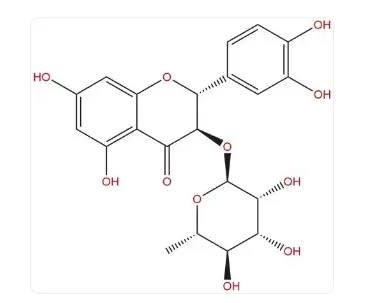
Astilbin, a natural flavonoid glycoside, has been garnering increasing attention in the health and medical fields due to its potential biological activities. As a leading supplier of Astilbin, I am often asked about how this compound works in the body. In this blog post, I'll delve into the biological mechanisms of Astilbin and explain its various effects on human physiology.
Absorption and Bioavailability
Before delving into Astilbin's mode of action, it's essential to understand how it is absorbed in the body. When ingested, Astilbin first encounters the digestive system. The compound must pass through the stomach and into the small intestine, where most absorption takes place.
Cellular membranes in the small intestine are semi - permeable, allowing certain molecules to pass through. Astilbin's relatively small size and chemical properties enable it to cross these membranes via passive diffusion. However, like many natural compounds, its bioavailability can be affected by several factors. Dietary components can interact with Astilbin; for example, high - fat foods may enhance its absorption by promoting bile secretion, which can increase the solubility of Astilbin.
Once absorbed, Astilbin enters the bloodstream and is transported to various tissues and organs throughout the body. The circulatory system acts as a highway, delivering Astilbin to where it can exert its biological effects.
Anti - inflammatory Effects
One of the most well - studied effects of Astilbin is its anti - inflammatory activity. Inflammation is a natural immune response to injury, infection, or foreign substances. However, chronic inflammation can lead to various health problems, including autoimmune diseases, cardiovascular diseases, and cancer.
Astilbin modulates the expression of pro - inflammatory cytokines, which are signaling molecules that play a crucial role in the inflammatory process. For instance, it can inhibit the production of tumor necrosis factor - alpha (TNF - α), interleukin - 1 beta (IL - 1β), and interleukin - 6 (IL - 6). These cytokines are known to promote inflammation and can cause tissue damage when over - produced.
By suppressing the production of these cytokines, Astilbin helps to reduce the overall inflammatory response in the body. It does this by interfering with the signaling pathways involved in cytokine production, such as the nuclear factor - kappa B (NF - κB) pathway. NF - κB is a key regulator of inflammation, and Astilbin can inhibit its activation, thereby preventing the transcription of pro - inflammatory genes.
Antioxidant Activity
Oxidative stress occurs when there is an imbalance between the production of reactive oxygen species (ROS) and the body's antioxidant defenses. ROS can damage cells, proteins, and DNA, leading to various diseases, including neurodegenerative disorders, diabetes, and aging - related conditions.
Astilbin acts as a potent antioxidant. It can directly scavenge free radicals, such as superoxide anions, hydroxyl radicals, and hydrogen peroxide. Additionally, it can enhance the body's endogenous antioxidant defenses, such as the activity of superoxide dismutase (SOD), catalase (CAT), and glutathione peroxidase (GPx).
These enzymes are responsible for converting ROS into less harmful molecules. By increasing their activity, Astilbin helps to neutralize ROS and reduce oxidative stress in the body. This antioxidant effect not only protects cells from damage but also contributes to the overall health and well - being of the individual.
Anti - allergic Properties
Allergic reactions occur when the immune system overreacts to harmless substances, such as pollen, dust mites, or certain foods. Astilbin has shown potential anti - allergic effects by modulating the immune response.
It can inhibit the degranulation of mast cells, which are key players in allergic reactions. When mast cells degranulate, they release histamine and other mediators that cause symptoms such as itching, swelling, and airway constriction. By preventing mast cell degranulation, Astilbin can reduce the severity of allergic symptoms.
Moreover, Astilbin can regulate the balance between T - helper 1 (Th1) and T - helper 2 (Th2) cells. In allergic individuals, there is often an imbalance towards Th2 - cell activation, which promotes the production of IgE antibodies. Astilbin can shift this balance towards Th1 - cell activation, thus reducing the production of IgE and alleviating allergic responses.
Effects on Metabolic Health
In recent years, Astilbin has also been investigated for its potential effects on metabolic health. Obesity, insulin resistance, and dyslipidemia are major risk factors for cardiovascular disease and type 2 diabetes.
Astilbin has been shown to regulate lipid metabolism. It can reduce the levels of triglycerides and cholesterol in the blood by inhibiting the synthesis of fatty acids and cholesterol in the liver. Additionally, it can increase the expression of genes involved in fatty acid oxidation, leading to the breakdown of lipids and a decrease in body fat accumulation.
Regarding insulin sensitivity, Astilbin can improve the signaling pathway of insulin, allowing cells to better respond to insulin and take up glucose from the bloodstream. This can help to maintain normal blood glucose levels and prevent the development of insulin resistance.
Connection with Other Supplements
Astilbin can be complementary to other health supplements. For example, L - Erythrulose is a natural sugar derivative that has been used in skincare and potentially in metabolic regulation. When combined with Astilbin, their antioxidant and anti - inflammatory properties might work synergistically to promote better skin health and overall metabolic function.
Magnesium Glycerophosphate is an important dietary supplement that plays a role in many enzymatic reactions in the body. It could potentially enhance the bioavailability of Astilbin or work with Astilbin to support cardiovascular health and muscle function.
Magnesium Citrate is another magnesium source. Magnesium is essential for maintaining proper insulin function, and when combined with Astilbin's effect on insulin sensitivity, they may have a combined positive impact on blood sugar control.
Zinc Citrate is involved in immune function, wound healing, and cell division. Together with Astilbin's immunomodulatory properties, they could strengthen the body's immune system.
Vitamin C is a well - known antioxidant. When paired with Astilbin, they can enhance the overall antioxidant defense system of the body, protecting cells from free - radical damage.
Contact for Purchase and Collaboration
If you are interested in leveraging the unique benefits of Astilbin for your health products or research, we are here to help. Our company specializes in providing high - quality Astilbin with strict quality control measures. Whether you are a supplement manufacturer, a researcher in the health field, or exploring new product development opportunities, we can offer you customized solutions. Contact us to initiate a purchase discussion or to learn more about our product portfolio.
Tel:86-029-86478251 / 86-029-86119593
Whatsapp:8617782577059
Email:sales@sxytorganic.com
References
Abad, M. J., Bedoya, L. M., & Bermejo, P. (2007). Pharmacological and phytochemical aspects of smilax: a review. Journal of Ethnopharmacology, 110(1), 1 - 24.
Kim, H. J., et al. (2009). Anti - inflammatory and anti - allodynic effects of astilbin on the development of complete Freund's adjuvant - induced arthritis in rats. European Journal of Pharmacology, 619(1 - 3), 146 - 152.
Chen, X., et al. (2016). Astilbin protects against high - fat diet - induced obesity in mice by promoting adipo - genesis and thermogenesis. Journal of Agricultural and Food Chemistry, 64(25), 5033 - 5041.