How does pumpkin seed protein powder compare to collagen powder?
If you've been scrolling through wellness aisles lately, you've probably stumbled across two buzzed-about protein powders: pumpkin seed protein powder and collagen powder. As the head of a small pumpkin seed protein supplier, I get a ton of questions from customers, gym rats, and folks just dabbling in clean living about how these two stack up. Both promise to support everything from muscle repair to skin health, but they're totally different when it comes to what they're made of, who they work for, and even how to use them. Let's break this down like we're chatting over a post-work smoothie, no stuffy jargon allowed.
First off, let's get the basics straight. Collagen powder is an animal-based protein—usually sourced from cow hides, chicken bones, or fish scales—and it's basically just a bunch of amino acids strung together, the building blocks of your body's connective tissue. Pumpkin seed protein powder? That's plant-based, made from, you guessed it, ground pumpkin seeds, usually after pressing out most of the oil to make it a fine, protein-dense powder. Now, the fun part: what each brings to the table beyond just protein.
Let's start with nutrition, because that's the big one for most people. A typical serving (about 30g) of pumpkin seed protein has roughly 18g of protein, plus a solid dose of iron, magnesium, zinc, and omega-3 fatty acids. It's also a complete protein? Wait, hold up—wait, most plant proteins miss one or more essential amino acids, but pumpkin seeds are actually one of the rare plant-based ones that have all nine, which is a huge win for vegetarians and vegans who often struggle to hit that mark. Collagen, on the other hand, is incomplete—it lacks tryptophan, an amino acid your body needs to make serotonin, the "feel good" chemical. So if you're using collagen just to hit your protein goals, you're falling short there. On the flip side, collagen has stuff pumpkin seed protein doesn't have—specifically, high levels of glycine and proline, the two amino acids that are the backbone of collagen itself. That's why people swear by it for joint and skin health. But wait, pumpkin seeds have their own superpowers here, too. They're packed with antioxidants like Quercetin Powder Bulk, which fights inflammation, and minerals that support hormone balance. I even add a touch of Pure Beta Sitosterol to some of our custom blends, which is a plant sterol that's great for heart health—collagen doesn't have that at all.
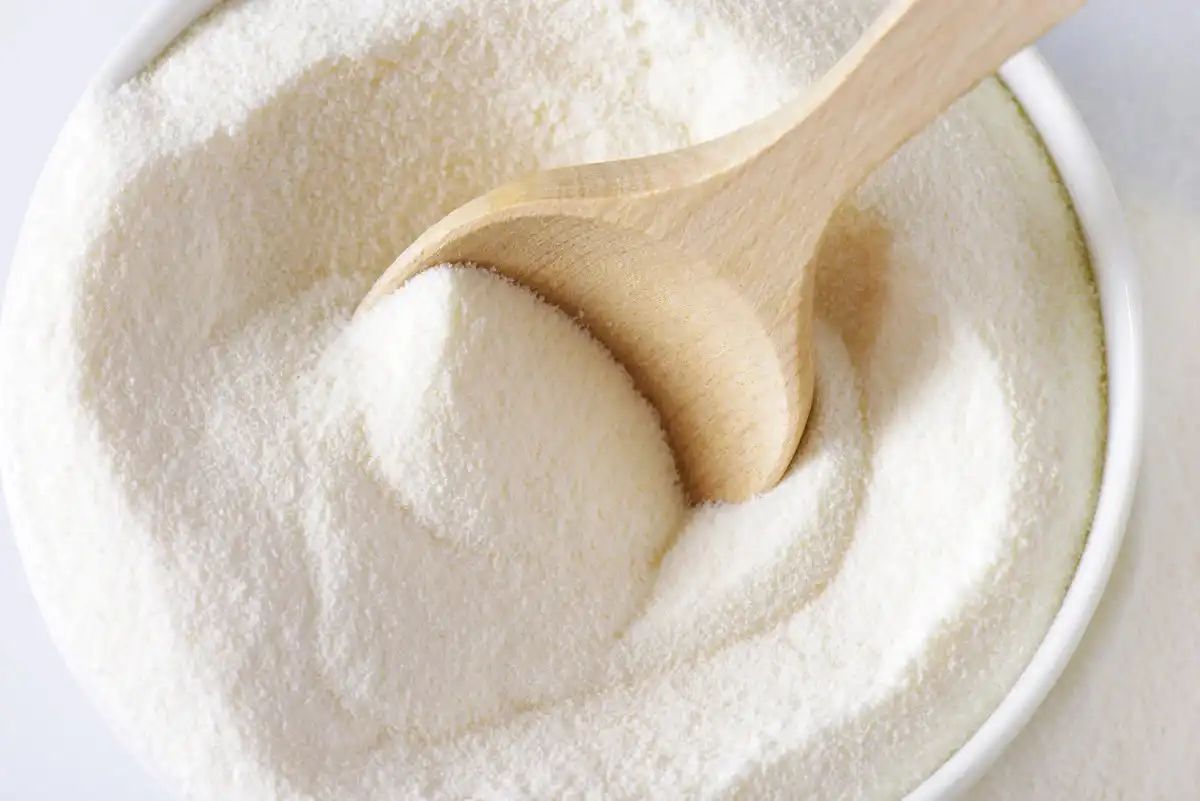
Next up, who should use which? Let's say you're a vegan or lactose-intolerant—collagen is a no-go (unless you're using fish collagen, which is still animal-derived). Pumpkin seed protein is perfect for you. It also has a mild, nutty flavor that blends super well into smoothies, oatmeal, or even baking, without that chalky aftertaste some plant proteins get. Collagen is flavorless, which is a plus if you're adding it to coffee or something, but it's only for people who eat animal products. If your main goal is building muscle or recovering from a workout, both work, but pumpkin seed's complete protein means it's just as effective as whey (the gold standard) for muscle synthesis, studies say. Collagen is better if your top goal is joint pain or skin elasticity—research shows it can reduce joint stiffness in people with osteoarthritis, and many users notice plumper skin after a few months. But wait, pumpkin seeds have been linked to hormone health too—there's even Cnidium Monnieri Extract (one of the ingredients we sometimes pair with our powder for hormone support) that works with the zinc in pumpkin seeds to balance estrogen and testosterone, which collagen doesn't touch at all. That's a big one for people dealing with PMS or low energy from hormone shifts.
But let's be real, no product is perfect. Pumpkin seed protein can have a bit of a earthy, nutty taste if you get a lower quality one, which is why we roast our seeds gently before grinding, to mellow it out. Collagen, on the other hand, can be pricey—like, way more expensive per serving than pumpkin seed protein, which is a huge factor for budget shoppers. Also, collagen has no fiber, while pumpkin seed protein has about 2g per serving, which helps with digestion and keeps you full longer. I've had customers tell me they switched to our powder because they were snacking an hour after drinking collagen smoothies, since it didn't keep them satisfied. Another downside: some people are allergic to pumpkin seeds, though that's way less common than collagen allergies (which can happen if you're allergic to shellfish or cow products). Collagen also has high levels of cholesterol if it's sourced from animal hides, whereas pumpkin seed protein is totally cholesterol-free, which is a plus for heart health.
Wait, let's talk about bioavailability, which is just a fancy word for how well your body can absorb it. Collagen's amino acids are super easy to absorb because they're already broken down, so your body can use them quickly for connective tissue repair. Pumpkin seed protein's absorption is a little lower because plant proteins have anti-nutrients like phytic acid, which binds to minerals. But here's what we do at our company: we soak the pumpkin seeds in water before grinding, which reduces the phytic acid and makes the minerals easier to absorb, so it's almost on par with collagen now. Plus, we've found that pairing our powder with things like Ginseng Extract Powder (a customer favorite add-on) boosts energy and absorption even more—win-win.
What about other uses? Collagen is mostly for mixing into drinks, but pumpkin seed protein is super versatile. You can make protein bars, add it to soup for a nutrient boost, or even use it as a flour substitute in baked goods. I've been making chocolate pumpkin seed protein muffins that my kids go crazy for, and they're way healthier than any store-bought one. Collagen can't do that as well, since it's not great for baking at high temps (it breaks down). Also, for people who are trying to cut back on animal products for environmental reasons—pumpkin seed protein has a way smaller carbon footprint than collagen, since raising cows for hides and bones uses way more water and land. That's a big point for a lot of our customers who care about sustainability.
Let's wrap this up with a quick comparison list, since I know you're skimming:
Pumpkin Seed Protein: Plant-based, vegan-friendly, complete protein, has fiber and minerals, lower cost, better for hormone balance and heart health, versatile for cooking/baking.
Collagen Powder: Animal-based, good for joint/skin health, easy to absorb, flavorless, higher cost, no fiber, not vegan.
Here's the thing—you don't have to pick one or the other. I know people who use both: collagen for their skin in the morning, and pumpkin seed protein for a post-workout smoothie. But if you're starting out, or if you're vegan or on a budget, pumpkin seed protein is a solid choice that packs way more nutritional bang for your buck.
If you're curious to try our pumpkin seed protein powder, or want to talk about custom blends with add-ins like Feverfew Extract Powder for extra anti-inflammatory benefits, hit up our team to discuss bulk orders or retail partnerships. We're always happy to answer questions about sourcing, nutrition, and how our powder fits into your wellness routine.
Tel:86-029-86478251 / 86-029-86119593
Whatsapp:8617782577059
Email:sales@sxytorganic.com
References:
US Department of Agriculture. (2023). FoodData Central: Pumpkin seeds, dried.
National Institutes of Health. (2022). Plant-based proteins and muscle protein synthesis.
Journal of Medicinal Food. (2021). Collagen peptide supplementation for joint pain management: a systematic review.
Nutrients. (2020). Bioavailability of plant proteins and strategies to enhance absorption.
Environmental Science & Technology. (2019). Comparative carbon footprints of plant-based vs. animal-derived protein powders.