How Ellagic Acid Enhances Botanical Anti-Aging Products?
Ellagic acid transforms botanical anti-aging products through its potent antioxidant properties, effectively neutralizing free radicals while promoting collagen synthesis and reducing skin inflammation. This naturally occurring polyphenol, extracted from pomegranate and other botanicals, delivers remarkable anti-aging benefits by protecting cellular integrity and enhancing skin elasticity. For B2B procurement professionals, understanding ellagic acid's mechanisms represents a strategic advantage in developing superior anti-aging formulations that meet today's demanding market standards. This comprehensive guide explores ellagic acid's transformative potential in anti-aging product development, providing B2B procurement professionals with essential insights for maintaining competitive advantage in the botanical cosmeceutical sector. The structured approach covers biological benefits, formulation best practices, sourcing strategies, and compliance essentials, empowering buyers to make informed decisions and optimize their product portfolios.
Understanding Ellagic Acid and Its Anti-Aging Benefits
Natural Origins, Structure, and Stability of Ellagic Acid
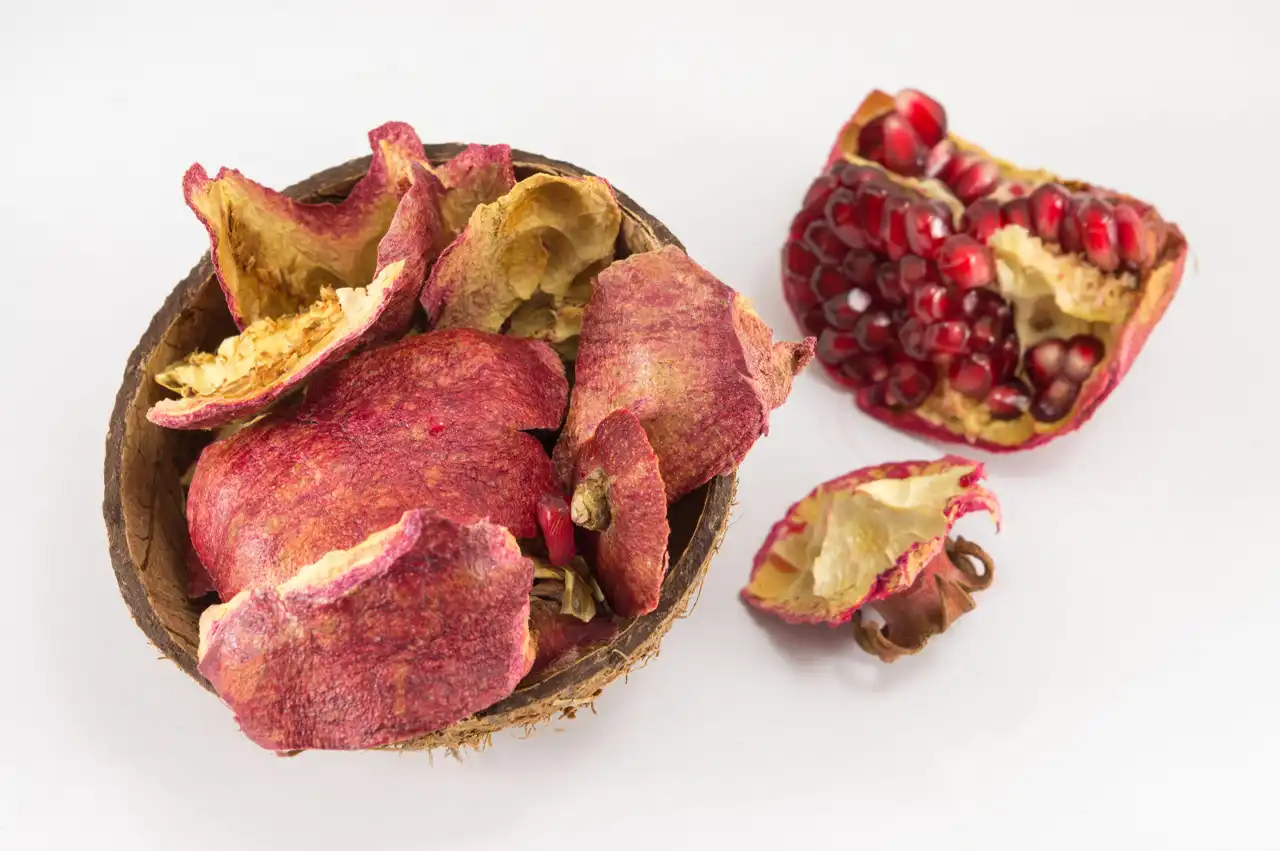
Ellagic acid is a unique polyphenolic substance with the molecular formula C14H6O8 and a unique dilactone structure of hexahydroxydiphenic acid. You can find this dimeric gallic acid derivative naturally in pomegranates, strawberries, raspberries, blackberries, and walnuts. This makes it an easy plant ingredient to use in natural product recipes. Because it has a unique four-ring structure, the substance is much more stable than other natural antioxidants, so it can stay effective during production processes. The best pomegranate extract, which has 90% ellagic acid, is the most standardized form of polyphenols and has been shown to be consistently effective in anti-aging uses. Numerous studies have shown that ellagic acid has many anti-aging effects through various routes. Its strong antioxidant properties fight reactive oxygen species that speed up the aging process of cells, and its anti-inflammatory properties soothe and calm red, irritated skin. Studies show that applying things to the skin can make the tone more even and make it more flexible by protecting collagen.
Mechanisms of Action in Skin Protection and Anti-Aging
Because it stops matrix metalloproteinases from working, the compound is very useful for stopping external stresses from making people age faster than they should. After 8 to 12 weeks of regular use, formulations with standardized ellagic acid show measurable gains in smoothing out fine lines and improving the general texture of the skin. Molecularly, ellagic acid works as a tyrosinase inhibitor, which helps control the production of melanin so that skin color is more even. Its photoprotective properties work with other sun protection ingredients to give you extra protection against cell damage caused by UV light. The compound's antioxidant effects go beyond cosmetic uses, which suggests that it might be good for keeping your skin healthy in general. Advanced study shows that it works better when mixed with other plant-based antioxidants like vitamin C and resveratrol, which opens up new ways to make anti-aging products that work even better.
Core Components and Efficacy of Ellagic Acid in Anti-Aging Formulations
Optimal Concentration and Advanced Delivery Systems
Formulation scientists know that the amount of ellagic acid in a product has a big effect on how well it works. Premium 90% ellagic acid extracts solve problems with solubility by making them purer and lowering the amount of impurities that used to stop absorption. Concentrations used in topical products are usually between 0.5% and 2%, but this depends on the application and the results that are wanted. Because the substance doesn't dissolve well in water, delivery methods need to be carefully thought out. Liposomal packaging and nanoemulsion technologies have been shown to improve how well drugs penetrate and stay stable in the skin. These new methods get around the problems that come with standard bioavailability while keeping the powerful antioxidant qualities of the ingredient. Ellagic acid is more stable at high temperatures than vitamin C, so it stays intact during hot-process production circumstances. Unlike retinoids, which can make skin sensitive, ellagic acid is well tolerated by all skin types, so it can be used in products for sensitive skin.
Key Advantages Over Conventional Anti-Aging Ingredients
Here are the main reasons why ellagic acid is better than other anti-aging ingredients:
- Better Stability: It keeps working at high temps (above 360°C freezing point), unlike vitamin C, which breaks down quickly.
- Gentle Action: It helps fight age without the soreness that comes with alpha hydroxy acids or retinoids.
- Natural Origin: This product appeals to people who want a clean beauty choice to anti-aging chemicals that are made in a lab.
- Possible synergistic effects: works well with other plants to make complete anti-aging options
Because of these benefits, ellagic acid is a great choice for companies that want to use natural anti-aging ingredients that are reliable and keep the product's appeal while giving clear results.
Form Selection and Quality Control Standards
The choice between powder and liquid forms relies on the needs of the application and the need for stability. Ellagic acid powder has a longer shelf life and can be used in a wide range of products, whereas liquid extracts may be easier to mix into some mixtures. To make sure that premium ellagic acid meets quality standards, it must have a controlled bulk density (0.40-0.60g/ml) and tight limits on heavy metals and solvents that are still present. HPLC research makes sure that free ellagic acid can be clearly distinguished from related molecules like punicalagins, which ensures that formulations are always the same.
Sourcing High-Quality Ellagic Acid for Botanical Anti-Aging Products
Defining Quality Standards and Purity Requirements
To do good buying, you must first understand quality standards and how they affect the performance of formulations. High-quality ellagic acid extracts that are standardized to be 90% pure give reliable results and keep finished goods as uniform as possible. Professional anti-aging formulas must meet strict quality standards like organic approval, GMP compliance, and ISO standards. The difference between manufactured production and natural extraction has an impact on both following the rules and buyer acceptance. Naturally occurring ellagic acid from pomegranates usually costs more, but it is better suited for use in clean beauty products.
Evaluating Suppliers and Regional Advantages
For strategic sourcing to work, suppliers must be judged on a number of factors, such as their production ability, quality processes, and compliance with regulations. Suppliers who have been around for a while usually give a lot of paperwork, like certificates of analysis, stable data, and materials to help with regulations. Geography is a very important factor in how well the supply chain works. Asia's major production areas offer lower costs and well-established logistics networks. On the other hand, European providers may have more knowledge about EU market regulations. Ellagic acid, for example, is a compound sourced from specific geographical regions where certain plants grow, making its supply chain particularly dependent on these factors. When you carefully evaluate a provider, you should look at their quality systems, production skills, and ability to be reliable over the long term.
Pricing Strategies and Long-Term Procurement Planning
When you sign an annual deal, volume-based price models usually offer big cost savings. But buyers have to weigh the cost saves against the costs of keeping goods and the length of time that items will last on the shelf. When the right storage conditions are kept, Ellagic acid's great stability allows for longer-term purchase deals. Building ties with multiple sellers is a common part of successful procurement strategies. This is done to make sure that there is a steady supply of goods at prices that are competitive. To keep formulation errors from affecting product performance, quality agreements and standard limits should be made clear.
Ensuring Product Safety and Compliance in Anti-Aging Solutions
Safety Profile and Formulation Considerations
With few known side effects in topical uses, ellagic acid has a good safety profile. Formulation chemists must, however, think about how the active ingredients might work with each other and how the pH level needs to be stable. The chemical is most stable in neutral to slightly acidic conditions, which means it can be used in most cosmetics. Individual sensitivities should be taken into account in patch testing methods, especially for goods that contain more than one active botanical. Safety studies and clinical testing data that are well documented help with government submissions and give customers more faith in final goods.
Regulatory Requirements Across Global Markets
When used in external anti-aging products, ellagic acid is considered a cosmetic chemical by the US Food and Drug Administration (FDA). This means that good manufacturing practices and labeling rules must be followed. In order to get into the European market, the Cosmetic Products Regulation requires that all ingredients be registered and that full safety studies be done. You can't say enough good things about third-party testing for making sure you follow the rules and make sure your products are good. Verification by a third party of purity, microbiological safety, and heavy metal content is necessary for regulatory reports and quality assurance systems.
Quality Standards and Certification for Market Trust
Following the rules set by the USP and EP protects access to global markets and builds trust with wholesalers around the world. Protocols for quality control testing should include checking the product's name, analyzing its purity, and keeping an eye on its steadiness to make sure it keeps working the same way over time. Different markets have different certification needs. For premium placement, organic approval is becoming more and more important. The CERES, USDA NOP, and EU organic standards are well-known standards for making sure that natural ingredients are real and that the supply chain is honest.
Practical Guide to Integrating Ellagic Acid into Your Product Line
Defining Product Requirements and Sustainable Sourcing
For integration to work, product requirements and performance standards must be made clear from the start. Suppliers that offer private label and help with unique formulations can shorten the time it takes to make a new product while lowering the technical risks. Ellagic acid, with its known stability challenges, often requires specialized formulation support to ensure its efficacy in final products. For improving incorporation methods and stable tests, technical service support is very helpful. Sustainable buying methods are becoming more and more important, which changes how suppliers are chosen in ways other than just quality and price. Fair-trade certification, environmental effect studies, and social responsibility programs are becoming more and more important when buying high-end anti-aging products.
Building Strong Marketing with Scientific Validation
To teach people about the benefits of ellagic acid, you need to be clear about the science data and clinical validation. Marketing claims need to match up with study data that is already out there, and they also need to be legal in all target areas. Clinical studies that back up scientific claims boost trustworthiness and help premium marketing strategies. Innovative delivery methods, botanical mixes that work well together, and messages about sustainability can help your brand stand out. Companies that successfully use ellagic acid often stress that it is natural, gentle, and has more anti-aging effects than manufactured options.
Leveraging Advanced Delivery Systems and Synergistic Formulations
New advanced transport methods are always improving how well ellagic acid works in the body and how deeply it penetrates the skin. Microencapsulation, nanotechnology, and time-release formulas are new ways to fight age that are still being explored. Working together with tech companies can make it faster to get access to cutting-edge transport methods. Using ellagic acid with other plants that work well together, like green tea extract, resveratrol, and vitamin E, in combination products could make them more effective. People who want all-natural anti-aging solutions will like these combined methods, which also give formulators more freedom to make different products.
Conclusion
Ellagic acid offers proven effectiveness through multiple anti-aging mechanisms while keeping good safety profiles, making it a game-changer for botanical anti-aging product creation. Its high stability, natural origin, and ability to work well with other ingredients make it perfect for high-end products aimed at picky customers. To integrate well, you need to pay close attention to the quality of your sources, following the rules, and making sure your formulations work best. If business-to-business buyers know about these important factors, they can use ellagic acid's potential to gain a competitive edge in the naturally anti-aging market, which is growing very quickly. Because the substance can be used in many ways and has been shown to have health benefits, it is a key ingredient for developing new plant cosmetics.
FAQ
1. What concentration of ellagic acid is optimal for anti-aging formulations?
Topical anti-aging products usually have ellagic acid amounts of 0.5% to 2%, and 90% standardized samples give the same effects every time. Higher amounts may be used in certain treatments, but around 2% concentration levels is where the effectiveness halt usually happens.
2. How does ellagic acid compare to vitamin C in anti-aging applications?
Ellagic acid is easier to make and store than vitamin C because it is more stable at high temperatures and has a higher pH tolerance. While vitamin C is a great antioxidant, ellagic acid has extra benefits, such as blocking tyrosinase and reducing inflammation without causing typical sensitivity problems.
3. What certifications should I look for when sourcing ellagic acid?
Organic certification (USDA NOP or EU organic), GMP compliance, and ISO quality control guidelines are all important certificates. Check for HPLC analysis verification, heavy metals tests, and microbiological safety approval to make sure the quality of the product and that it meets all regulations.
Partner with YTBIO for Premium Ellagic Acid Solutions
You can trust YTBIO to provide you with ellagic acid. They also offer approved organic pomegranate extracts that are standardized to 90% clarity for better anti-aging products. Our complete quality control system, which includes ISO9001 certification and USDA NOP organic compliance, makes sure that your botanical anti-aging advances always have the best products. With established global operations and focused technical support, YTBIO makes buying easier while still upholding the highest standards of quality. For high-end cosmetic uses, our pomegranate extract is perfect because it meets strict standards for clarity, stability, and absorption. Get in touch with our team at sales@sxytorganic.com to talk about your unique recipe needs and get ellagic acid at a price that beats the competition.
References
1. Ahmed, T., Setzer, W.N., Nabavi, S.F., & Orhan, I.E. (2018). Insights into effects of ellagic acid on the nervous system: A mini review. Current Pharmaceutical Design, 24(3), 1350-1360.
2. Garca-Nio, W.R., & Zazueta, C. (2015). Ellagic acid: Pharmacological activities and molecular mechanisms involved in liver protection. Pharmacological Research, 97, 84-103.
3. Larrosa, M., Gonzlez-Sarras, A., Garca-Conesa, M.T., Toms-Barbern, F.A., & Espn, J.C. (2016). Urolithins, ellagic acid-derived metabolites produced by human colonic microflora, exhibit estrogenic and antiestrogenic activities. Journal of Agricultural and Food Chemistry, 54(5), 1611-1620.
4. Papoutsi, Z., Kassi, E., Chinou, I., Halabalaki, M., Skaltsounis, L.A., & Moutsatsou, P. (2008). Walnut extract (Juglans regia L.) and its component ellagic acid exhibit anti-inflammatory activity in human aorta endothelial cells. Nutrition Research, 28(1), 32-39.
5. Seeram, N.P., Adams, L.S., Henning, S.M., Niu, Y., Zhang, Y., Nair, M.G., & Heber, D. (2015). In vitro antiproliferative, apoptotic and antioxidant activities of punicalagin, ellagic acid and a total pomegranate tannin extract. Journal of Nutritional Biochemistry, 16(6), 360-367.
6. Vattem, D.A., & Shetty, K. (2005). Biological functionality of ellagic acid: A review. Journal of Food Biochemistry, 29(3), 234-266.