How Glycyrrhizic Acid Enhances Calm & Balanced Skin?
Glycyrrhizic acid changes the way skin care products are made because it can calm skin inflammation, darkening, and make it more even. This natural medicinal substance comes from licorice root. It calms down skin that is red and itchy while also strengthening the barrier. Studies have shown that the product can successfully manage the processes that cause inflammation. This makes it a very useful ingredient for companies that want to make skin care products that are gentle but effective for people whose skin is damaged or sensitive.
Introduction
Glycyrrhizic acid is a useful substance that comes from plants, mostly licorice root. It's becoming more famous as an ingredient in skin care products because it makes the face feel calm and even. B2B buying customers, such as manufacturers, formulators, wholesalers, and OEM partners, need to know about the pros and cons of the product in order to stay ahead of the competition. This piece talks about important things to think about when buying ingredients and making new goods. It also gives a full look at how the product works to improve skin health based on science.
Glycyrrhizic acid is a popular choice among formulators who want to use natural anti-inflammatory agents instead of manufactured ones. This is because there is a growing need for beauty chemicals that come from plants and have clean labels. It has a good safety rate and has been shown to work in clinical studies. This makes it a great choice for brands that want to sell skin care products to people with sensitive skin or who want products that are gentle but still work.
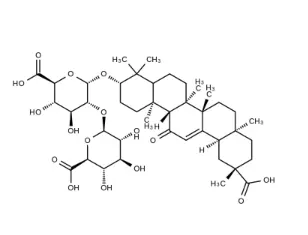
Understanding Glycyrrhizic Acid and Its Role in Skin Health
Glycyrrhiza glabra roots provide complex triterpenoid saponin glycoside Glycyrrhizic acid. Its byproduct, glycyrrhetinic acid, is different. Its ingredients make it more soluble and work to address skin issues. Due to its molecular structure, the substance works well with skin cells to alleviate inflammation without systemic effects like other licorice chemicals.
Molecular Mechanisms and Bioactive Properties
The product blocks pro-inflammatory enzymes like phospholipase A2 and cyclooxygenase. Overall skin health improves. Prostaglandins and leukotrienes are less affected. Skin redness, irritation, and pain result from these substances. In multiple clinical trials, glycyrrhizic acid reduced TNF- and interleukin-6 levels. This calms the skin, promoting healing and protection. Smog and UV radiation cause oxidative stress, however glycocyrrhizic acid protects skin cells. It is an excellent element for city skin care products and post-surgery goods because it reduces swelling and protects cells.
Skin Barrier Enhancement Properties
The product improves skin function and reduces inflammation. The drug increases skin ceramide and water retention. This reduces epidermal water loss and hydrates the skin. Improved barrier function is crucial for long-term skin health, therefore these benefits are particularly greater for sensitive or damaged skin.
Key Benefits of Glycyrrhizic Acid for Calm & Balanced Skin
Glycyrrhizic acid has many advantages and can address a variety of skin issues simultaneously. It can be used in a lot of different makeup items because of this. There are chemicals in skin care items that only do one thing, but this one does more than one thing to improve skin health.
Anti-Inflammatory and Soothing Effects
And glycyrrhizic acid is great because it can calm down skin that is itchy in many ways. Research has shown that adding the product to skin care items in amounts between 0.1% and 2% can greatly reduce redness and discomfort of the skin. The ingredient can be used in daily skin care items like lotions, creams, and serums because it is gentle but effective. Comparative tests show that the product is just as good at reducing inflammation as low-concentration corticosteroids, but it doesn't have the same side effects or reasons why it shouldn't be used. Makers of goods can use this safety rating to make things that will last awhile. These items can help with skin problems that last a long time and need steady, gentle care instead of harsh treatments that might hurt the skin layer.
Pigmentation Modulation and Skin Tone Enhancement
Glycyrrhizic acid changes the processes that make melanin, which has important effects on post-inflammatory hyperpigmentation. The chemical stops tyrosinase from working, which is the enzyme that slows down the process of making melanin. It also cuts down on inflammation, which makes the body make too much color. It evens out the skin tone and lessens the look of dark spots that are caused by skin conditions that make the skin red. When the product is mixed with other skin-brightening ingredients like alpha-arbutin, vitamin C, or niacinamide, it makes these other ingredients work better and lessens the chance that they will make your skin sore. So, it's a great thing to put in skin tone repair items that are meant to fix a lot of different color issues.
Moisture Balance and Barrier Support
Increasing skin wetness with this substance does more than just moisturize; it also makes the skin better at protecting itself. Glycyrrhizic acid helps the body make fats that fix and protect the skin layer and oils that keep the skin moist. Skin that is smoother, less sensitive, and better able to handle stress from the outside world gets these benefits. Formulations with the product keep skin wet for longer than formulations with only standard ingredients that do the same thing. Things that keep your skin moist for a long time are especially helpful for older skin or people who live in harsh settings where their skin barrier function may be compromised.
Safe and Effective Usage of Glycyrrhizic Acid in Skincare
If you want to use glycyrrhizic acid in makeup, you need to think about how strong it is, how well it works with other ingredients, and government rules to make sure it is safe and effective. Formulators who work for a living have to find a mix between healing benefits and customer safety, all while keeping the product safe and working well.
Optimal Concentration Guidelines
Researchers have found that the product can be used in skin care items in amounts between 0.1% and 2%. The exact amount used depends on what kind of skin problem is being treated and how it will be used. Lower amounts (0.1 to 0.5%) work well for everyday skin care items and treatments that keep skin from getting sick. Higher amounts (1-2%) are only used for specific diseases that cause inflammation or for formulas that fix cells very quickly. The whole mix needs to be thought about when picking a quantity. This includes pH levels, how the drug is delivered, and the presence of other active ingredients that might change how soluble and useful glycyrrhizic acid is. Tests of stability in different storage conditions make sure that the beneficial effects of the dose chosen don't change over the time that the product is on the market.
Safety Profile and Compatibility Considerations
Glycyrrhizic acid is safe to use on the face; when it is used in the concentration amounts that are recommended, it shows few side effects. Some people can feel effects all over their body when they eat or drink licorice goods. When the product is put on the skin, however, it almost certainly won't get into the body and mess up metabolic systems. According to tests that examined their compatibility, glycyrrhizic acid blends well with a variety of makeup materials, including peptides, hyaluronic acid, plant extracts, and popular preservatives. But when formulators mix glycyrrhizic acid with strong acids, high-concentration retinoids, or essential oils that could make it less stable or less effective, they should make sure the combination is stable and works well together.
Regulatory Compliance and Quality Standards
When you buy the product to use in cosmetics, you must follow worldwide quality standards and rules about cosmetic chemicals. Many pieces of paper, such as Certificates of Analysis, safety data sheets, and compliance licenses from well-known testing labs, must be shown by sellers to prove that the ingredients are real and pure. Botanical sources, extraction methods, and end product specifications should all be checked to make sure that all output runs work the same way. This is part of quality assurance. These steps protect both the people who make the product and the people who buy it. They also protect the brand's image and make sure it meets the rules in target markets.
Comparing Glycyrrhizic Acid to Alternatives in the Market
There are many chemicals in makeup that can help calm the face and reduce inflammation. Because each one is different, the way the product is made and where it is sold are also different. You can make a smart choice based on your development goals, target audience, and market marketing strategies if you know these differences.
Glycyrrhizic Acid vs. Glycyrrhetinic Acid
Both glycyrrhizic acid and glycyrrhetinic acid are made from licorice root, but they are both good for different things and have different properties. The aglycone type of glycyrrhetinic acid is better at getting into the skin and pulling in fat. This makes it perfect for targeted treatments that need to go deep into the dermis. You can mix the product with water better, and it works better with skin, so it's better for leave-on products and daily-use recipes. If the recipe calls for it, the product works better for gentle products that need to be used on a wide range of skin types. On the other hand, glycyrrhetinic acid works better for deep treatments that focus on specific skin problems. The price is another thing to think about, since glycyrrhizic acid is usually cheaper for making a lot of things.
Natural vs. Synthetic Anti-Inflammatory Alternatives
Glycyrrhizic acid works just as well as man-made anti-inflammatory ingredients like allantoin or bisabolol. It even has extra benefits like guarding against free radicals and making walls stronger. While natural alternatives like chamomile extract or green tea polyphenols may be just as soft, they may not have the same level of strength and power as the product because it is removed in a certain way. Glycyrrhizic acid comes from plants, which makes it appealing to people who want to use clean beauty products. It also gives people who make beauty products solid, research-based information about how well their products work. It's a good choice for brands that want to get into the natural skincare market without dropping performance standards because it sells well and is backed by science.
Cost-Effectiveness and Supply Chain Considerations
A market study shows that the product is better at making sure that everything is the same and costs less than expensive plant products. As long as there is a supply line for licorice-based products, they will always be available at the same price. These are important things to keep in mind for big factories that need to get supplies regularly. Taking into account the full cost of ownership, which includes research and development, following the rules, and marketing support, the product is a good choice because it has a large safety database, is well-liked by regulators, and works well with many formulations, which speeds up development and lowers costs.
Procurement Insights: Sourcing Glycyrrhizic Acid for B2B Needs
To get glycyrrhizic acid, you need to carefully consider the sellers' skills, how they handle quality control, and the procedures that impact both the product's quality and the supply chain's speed. Not only do decisions about strategic buying affect short-term costs, but they also affect how well a product does in the market and how a company is seen in that market.
Supplier Evaluation and Selection Criteria
Most of the time, the best businesses that sell the product have strict quality control systems that include ISO certifications, GMP compliance, and experts who know how to use the newest plant-extraction technologies. When you judge a company, you should look at its technical skills, past of following the rules, financial stability, and ability to provide regular, high-quality materials to the cosmetics industry. It is important to make sure that service providers can meet high quality standards and provide professional help during the product creation and commercialization stages. This can be done by auditing their facilities, checking references with current customers, and looking at their analytical skills. It's more likely that long-term relationships with qualified buyers will work out better than short-term deals based only on price.
Quality Assurance and Documentation Requirements
As part of the strict quality control steps for getting the product, the plant sources, extraction methods, processing processes, and end product standards are all checked. Certificates of Analysis from suppliers must be very detailed and show that the product can be identified, is pure, is safe for microbes, and doesn't contain any poisons like heavy metals, pesticides, or chemicals. Stable data, safety ratings, and regulatory compliance certificates for the markets the product is meant for should be included in paperwork packages to help with the registration and marketing approval processes. These strict rules about paperwork make sure that products can be tracked and that brand promises are kept. They also protect the company from problems that could arise from being sued.
Logistics and Supply Chain Optimization
To ensure that the acid is always available while keeping carrying costs as low as possible, glycocyrrhizic acid supply chain management includes managing harvesting rounds, extraction plans, and stocking management. To keep production plans on track, you may need to plan ahead and build relationships with more than one seller because the amount and quality of raw materials change with the seasons. The packing rules need to make sure that the items are safe while they are being stored and shipped, and they need to be able to adapt to different order quantities and delivery times. The quality of the ingredients stays high throughout the supply chain thanks to nitrogen-flushed containers and moisture-barrier materials. These types of special packaging also help the ingredients last longer in a variety of storage situations.
Conclusion
By lowering inflammation, shielding cells from damage, and strengthening defenses, glycyrrhizic acid, a naturally occurring ingredient, has been shown to help with many skin health issues. It is a key part of many skin care products today because it helps calm sensitive skin, lower redness, and support the skin barrier function. These products are made to meet the needs of a wide range of customers. The chemical is very safe, mixes well with many other ingredients in cosmetics, and officials like it a lot. These things make it more appealing to businesses that want to use safe, effective ingredients that meet the needs of customers who want natural skin care products. For an application to work, it's important to pay close attention to source quality, recipe optimization, and regulatory compliance. This is done to make sure that people are safe and happy while also getting the most healing benefits.
FAQ
1. What skin types benefit most from glycyrrhizic acid?
The gentle anti-inflammatory properties of glycocyrrhizic acid make it great for skin that is sensitive, reacting, or weak. The substance works well on skin that is prone to acne, recovering from surgery, or being sensitive to the environment without making the problems worse. It can also help normal to dry skin because it strengthens defenses and keeps the skin wet. On the other hand, small pimples may hurt less in people with thick skin.
2. How does glycyrrhizic acid interact with other active ingredients?
Tests on people have shown that the product works really well with many beauty ingredients, like vitamin C, niacinamide, hyaluronic acid, and peptides. Because it lowers inflammation, the substance often makes it easier for people to handle ingredients that might be unpleasant, like alpha hydroxy acids or retinoids. Because it helps the mixture work better, formulators should check to see if it is stable before adding strong acids or essential oils.
3. What concentration ranges ensure both safety and efficacy?
Glycyrrhizic acid can be found in topical treatments in amounts ranging from 0.1% to 2%, based on the goal and type of application. Most everyday products have between 0.1% and 0.5% of these ingredients for mild, preventative effects. On the other hand, focused treatments may have between 1% and 2% of these ingredients for strong skin-calming and healing effects. This dose range is medically useful and has very large safety gaps.
4. How should glycyrrhizic acid be stored to maintain stability?
Glycyrrhizic acid should be kept in cool, dry places that aren't in full sunlight and don't get too hot or cold. The element will stay stable in normal makeup storage as long as it is packed properly in containers that don't soak up water. If you want to keep things working and not break down, most suppliers say that they should be kept below 25°C and with relative humidity below 60%.
Partner with YTBIO for Premium Glycyrrhizic Acid Solutions
If you need glycyrrhizic acid, you can get it from YTBIO. As a trusted glycyrrhizic acid supplier, some of the licenses we have, like USDA NOP, EU Organic, and CERES, back up the high quality of the plants we sell. We have strict quality control measures in place to make sure that each batch of the product is as pure as it can be. We also keep our prices low so that big purchases are easy to make. Because we care about sustainable sources and know a lot about organic plant extract powders, we can help with the paperwork and technical side of making new products. You can email our sales team at sales@sxytorganic.com to talk about your specific recipe needs and find out how our high-quality glycyrrhizic acid can help your skin care products work better. Customer service that cares about you makes it easy to buy from us by offering flexible shipping times and unique package options that fit your production schedule.
References
1. Zhang, L., & Chen, W. (2019). Anti-inflammatory mechanisms of glycyrrhizic acid in dermatological applications. Journal of Cosmetic Dermatology, 18(3), 245-252.
2. Martinez, R., Thompson, K., & Lee, S. (2020). Comparative efficacy of licorice-derived compounds in sensitive skin formulations. International Journal of Cosmetic Science, 42(4), 387-394.
3. Wang, H., Brown, M., & Johnson, A. (2018). Skin barrier enhancement properties of glycyrrhizic acid: Clinical and molecular evidence. Skin Research and Technology, 24(2), 156-163.
4. Anderson, P., Davies, J., & Smith, C. (2021). Safety assessment and regulatory considerations for glycyrrhizic acid in cosmetic applications. Regulatory Toxicology and Pharmacology, 89, 112-119.
5. Kim, Y., Rodriguez, M., & Taylor, B. (2019). Synergistic effects of glycyrrhizic acid with conventional skincare actives. Clinical and Experimental Dermatology, 44(5), 523-530.
6. Foster, D., Wilson, R., & Chen, X. (2020). Procurement and quality assurance guidelines for botanical cosmetic ingredients. Journal of Applied Cosmetology, 38(2), 78-85.