How Kaempferol Supports Cellular Defense & Vitality?
Kaempferol is an amazing flavonoid compound that offers excellent cellular defense due to its potent antioxidant properties. This beneficial ingredient comes from plants and works at the molecular level to protect cells from damage, fight harmful free radicals, and make the body's defenses stronger. Kaempferol helps cells stay healthy by reducing oxidative stress, promoting good inflammatory responses, and keeping cells in the body's tissues and processes running at their best, according to researchers.
Understanding Kaempferol: Chemical Structure and Biological Role
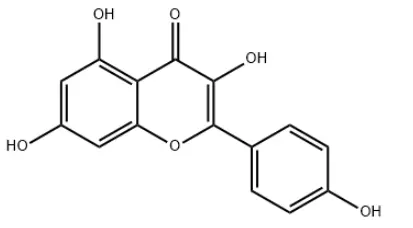
Kaempferol is one of the most complicated flavonoid molecules found in nature. It has a unique chemical structure and a lot of biological action. Like other polyphenolic drugs, this flavonol is a part of the group. It is a very good antioxidant because of the way its hydroxyl groups are packed.
Molecular Mechanisms of Cellular Protection
It can do a lot of different things to protect cells from reactive damage at the level of the cell. The nature of the substance's molecules means that it can give electrons to free radicals that are not steady. These bad chemicals are stopped before they can hurt parts of cells. This system keeps DNA, proteins, and fatty layers safe, which are all important parts of cells. At the molecular level, flavonoids help keep cells healthy by doing many things. Kaempferol alters the activity of crucial enzymes that aid in the elimination of waste from the body. It also makes natural antioxidant systems work better and helps keep genes from being produced. Together, these steps keep cells healthy and help them do their best work.
Impact on Cellular Communication and Signaling
To their surprise, kaempferol changes important cellular signaling pathways that manage metabolism, cell survival, and inflammation. It does its job by working with transcription factors, which control how genes are translated. This makes the body make more enzymes and proteins that protect it. This ability to control things helps cells deal with dangers around them and keep their ability to protect themselves. It has been shown that kaempferol controls the production of inflammatory chemicals, which helps keep inflammatory responses healthy. Adequately controlling inflammation is important for keeping cells healthy and letting the body's defense system work at full strength.
Sources, Bioavailability, and Dosage Recommendations for Kaempferol
It is found naturally in a lot of plant-based foods, but the amounts of this important vitamin vary from one to the next. Business that make health products that work need to know about these sources and how absorption works.
Primary Natural Sources and Extraction Methods
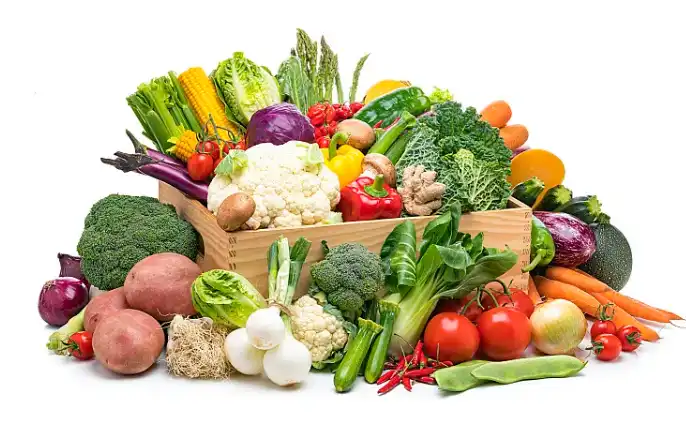
Kaempferol is found abundantly in leafy green vegetables, such as kale and spinach. Brussels sprouts, broccoli, and plants like onions and dill are also good sources. Some tea plants, like the ones used to make green and white tea, have a lot of this flavonoid chemical. When taking out and getting ready things that are high in kaempferol, care must be taken to keep the compound's bioactivity. Modern ways of extracting flavonoids, like supercritical CO2 extraction and chemical processes, help keep their structure while concentrating their business-useful content.
Bioavailability Factors and Enhancement Strategies
When making things with kaempferol in them, bioavailability is still something you should think about. A lot of things can affect how well the compound is taken, such as other phytochemicals being present, the way it is processed, and how it is delivered. They discovered that making vitamins in certain ways can make kaempferol a lot easier for the body to use. Better absorption can be achieved by giving certain nutrients at the same time or by using cutting edge transportation methods such as liposome packaging or nanoparticle formulas. These ways of making things better are especially helpful for businesses that want to make their goods work better without spending a lot of money.
Evidence-Based Dosage Guidelines
Depending on the intended use and the group being treated, Kaempferol dose recommendations may vary. In clinical research, different concentration levels have been tried. This gives people who make new goods evidence-based guidelines for what to do. Most of the time, the best amount depends on how it's given, what else is in it, and how it's being used for health reasons. Manufacturers should look at these study results to help them figure out the right concentration levels for their goods. You need to find the best mix between safety and usefulness to make sure that your products meet both government and customer needs.
Kaempferol in the Market: Comparing Supplements and Extracts
On the business market, there are different kinds of kaempferol, and each one is better for certain types of production. Business-to-business clients can make smart decisions about how to make goods and find sources when they know about these options.
Product Forms and Manufacturing Considerations
Kaempferol products can be taken in a variety of ways, including regular powders, liquid concentrates, and specialized dosage forms. Standardized powders are easy to work with and make things consistent when making a lot of them, but liquid solutions may dissolve things better in some cases. How the item is made, how it is kept, and what it looks like when it's done depend on the type of item you pick. When you buy in bulk and need to keep track of your supplies, powder types are a good choice because they last longer and are easier to ship. For some preparation tasks, liquid extracts may be useful, but they need to be managed and kept with care.

Comparative Analysis with Other Antioxidant Compounds
Though Kaempferol is an antioxidant like resveratrol, quercetin, and curcumin, it works in some ways better than those other antioxidants. The material is a good choice for many types of products because it is stable, dissolves easily, and may work well with other ingredients. Kaempferol is helpful for businesses that want to reach the growing vegan and plant-based nutrition market because it mixes well with plant-based protein powders. The flavonoid doesn't change the taste of the product and stays stable during processing, so it can be used in many things without changing how people think about them.
Market Opportunities and Partnership Potential
There are a lot of new products that can be made with kaempferol because more people are interested in clean-label ingredients and useful molecules that are backed by science. These market trends can help manufacturers by coming up with new ways to mix kaempferol with things that go well with it. A lot of different kinds of goods, like functional drinks, nutritional supplements, and unique foods, can be made with OEM or private labeling. Having good ties with suppliers of ingredients can help you get high-quality kaempferol materials at reasonable prices and make sure you always have them in stock.
Procurement Insights: Sourcing Kaempferol for Bulk and OEM Orders
If you want to buy kaempferol successfully, you need to carefully check out your sources and buy in a way that prioritizes quality, stability, and following industry standards.
Supplier Assessment and Quality Assurance
To buy kaempferol effectively, you must first carefully evaluate the sellers. Licenses to make the product, quality management systems, and following international standards like ISO 9001 and Good Manufacturing Practices (GMP) are some of the most important things that are used to rate a product. Suppliers should keep track of quality in the same way every time and provide a lot of papers to back up product specs. Another important part of the review is the ability to do scientific tests. To make sure their goods are pure, safe, and effective, suppliers you can trust either have their own advanced testing labs or work with approved labs. All parts of the kaempferol supply chain must meet strict quality standards, and this method makes sure they do.
Pricing Dynamics and Volume Considerations
Kaempferol prices change based on a lot of factors, such as the cost of the raw materials, how pure it is, and how much demand there is in the market. Buyers can get better deals while still getting good quality when they know these ways that prices change. People who already make a lot of things may find that buying in bulk is a good idea because they can often get better deals when they order a certain amount of goods. There are minimum order amounts (MOQs) that vary from seller to seller. These can make it hard to buy things. When buyers look at the minimum order number (MOQ) rules, they should match them up with their production plans and the stock they can handle. This way, they can get the best price and need less working capital.
Logistics and Supply Chain Optimization
A steady supply of kaempferol is made possible by good shipping management that keeps shipping costs low and product quality high. There are important details to think about when it comes to sending, storing, and packing so that the product stays in good shape during the trip. When you buy things from other countries, you need to know the rules about importing them, what information you need to bring, and that you might have to wait at customs. There are fewer risks in the supply chain if you work with transportation partners who know what they're doing and make sure you have enough goods on hand.
Ensuring Safe and Effective Use: Side Effects and Regulatory Considerations
Kaempferol is very safe because it has been used for a long time and has been studied a lot. But makers need to know about possible problems and government rules so they can make smart decisions about how to make new products.
Safety Profile and Risk Management
Medical tests and safety reviews have shown that different amounts of kaempferol are safe to use. We are more sure that the chemical is safe because it is found naturally in things that people eat. But the right steps should be taken by makers to make sure that their goods are always pure and the same. Comprehensive tests of chemicals, safety studies, and the right way to label goods should all be part of risk management plans. These steps help protect both buyers and sellers, and they also encourage sellers and buyers to be responsible when they market and sell things.
Regulatory Framework and Compliance Requirements
Certain items with kaempferol must follow different rules based on where they are sold and what they are used for. The US Food and Drug Administration (FDA) rules on how to handle dietary ingredients are set out in the Dietary Supplement Health and Education Act (DSHEA). The European Food Safety Authority (EFSA) is in charge of these kinds of things in Europe. It is the job of manufacturers to make sure that all rules are followed. This means making sure that products are labeled correctly, that any health claims are true, and that good production practices are used. Making sure you stay in line and can get into the market can be helped by working with lawyers and knowing how rules are changing.
Success Stories and Best Practices
Following best practices for quality testing, product development, and following the rules, several businesses have added kaempferol to things that are ready to go on the market. Goods made with kaempferol can be sold in shops as long as they are made with the right amount of care for quality and legal standards. It's best to carefully describe the ingredients, make sure they are safe, and check that the mixtures work well with each other. Companies that spend money on these simple things usually do better in the market and get along better with their customers.
Conclusion
Kaempferol is starting to be used by businesses that want to make cutting-edge health goods that are backed by rigorous science. This antioxidant can be used in a lot of different products because it is good for protecting cells and boosting health. The ingredient works well with plant-based products and is marketed as "clean label," which is in line with client tastes and market trends at the moment. To make kaempferol work, people who make it need to pay close attention to where the ingredients come from, how they're tested for quality, and the rules. But because of the business opportunities and study support, companies that want to be ahead of the curve should make the effort.
FAQ
1. What makes kaempferol different from other flavonoids?
Due to its unique chemical makeup, kaempferol is an effective cell protector and antioxidant. Kaempferol is very steady when handled in different ways compared to some other flavonoids. It also works well with plant-based products. Because it doesn't taste good and dissolves in many things, it can be used in a lot of different products.
2. How should kaempferol ingredients be stored to maintain quality?
Products containing kaempferol should be stored in cool, dry locations out of the sun. It is best to keep the temperature and humidity below 60% and between 15°C and 25°C (59°F and 77°F). This will help the chemical stay stable and effective. Products can last longer and keep their quality if they are kept in sealed boxes and a neutral environment.
3. What certifications should I look for when sourcing kaempferol?
An important certification is organic approval from a well-known group like the USDA NOP or EU organic guidelines. Quality standards for businesses like ISO 9001, GMP, and HACCP are also very important. Other certificates, like Kosher and Halal, might be useful depending on the people you want to reach and the places you want to sell your goods.
Partner with YTBIO for Premium Kaempferol Solutions
YTBIO can help you reach your product development goals by giving you high-quality, organic kaempferol ingredients that meet the needs of today's health-conscious customers. We have a large range of organic herbal extracts, some of which are made from carefully processed materials that are high in kaempferol and come from organic farms that have been cleared and are treated according to strict quality control rules. We keep a lot of certificates, like USDA NOP, EU organic, ISO 9001, GMP, and HACCP, to make sure that our goods meet the highest quality standards around the world. This makes us a trustworthy kaempferol supplier. You can get new products on the market quickly with the help of our technical team. They can give you expert tips on how to make recipes better and make sure they follow the law. Email our sales team at sales@sxytorganic.com to talk about your needs and find out how our high-quality organic foods can help your business.
References
1. Chen, A.Y., & Chen, Y.C. (2013). A review of the dietary flavonoid, kaempferol on human health and molecular mechanisms of action. Food Chemistry, 138(4), 2099-2107.
2. Garca-Mediavilla, V., Crespo, I., Collado, P.S., Esteller, A., Snchez-Campos, S., Tun, M.J., & Gonzlez-Gallego, J. (2007). The anti-inflammatory flavones quercetin and kaempferol cause inhibition of inducible nitric oxide synthase, cyclooxygenase-2 and reactive C-protein, and down-regulation of the nuclear factor kappaB pathway in Chang Liver cells. European Journal of Pharmacology, 557(2-3), 221-229.
3. Calderon-Montano, J.M., Burgos-Mor贸n, E., Prez-Guerrero, C., & Lpez-Lzaro, M. (2011). A review on the dietary flavonoid kaempferol. Mini Reviews in Medicinal Chemistry, 11(4), 298-344.
4. Patel, D., Shukla, S., & Gupta, S. (2007). Apigenin and flavonoid chemistry: kaempferol 3-O-rhamnoside and related compounds in cancer prevention. Pharmaceutical Research, 24(6), 1037-1055.
5. Li, Y., Yao, J., Han, C., Yang, J., Chaudhry, M.T., Wang, S., Liu, H., & Yin, Y. (2016). Quercetin, inflammation and immunity. Nutrients, 8(3), 167-185.
6. Kumar, S., & Pandey, A.K. (2013). Chemistry and biological activities of flavonoids: an overview. Scientific World Journal, 2013, 162750.