How Piperine Enhances Botanical Formula Efficiency?
Piperine makes plant formulas work better by being a strong bioenhancer that makes active ingredients in herbal formulas much more bioavailable. This chemical found in black pepper blocks important metabolic enzymes and efflux pumps in the gut wall. This makes it easier for plant-based substances like curcumin, resveratrol, and other useful compounds to get into the bloodstream. Piperine can sometimes improve nutrient intake by up to 2000% through these processes, turning supplements that aren't very effective into very effective medicines.
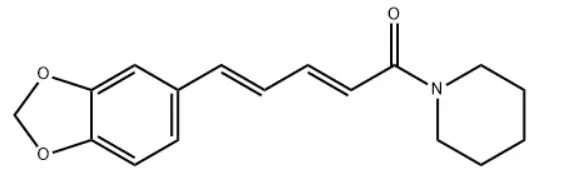
Understanding Piperine and Its Role in Botanical Formulas
The Chemical Foundation of Piperine Extract Powder
The fruits of Piper nigrum (black pepper) and Piper longum (long pepper) are mostly used to make piperine extract powder, which is a concentrated bioactive alkaloid part. Professional-grade piperine extract powder is very pure, usually tested at 95% or 98% purity using High-Performance Liquid Chromatography (HPLC). This is in contrast to regular crushed pepper, which has low amounts of alkaloids (3–9%) and a high volatile oil content. This common chemical solves a major problem in the pharmaceutical and nutraceutical industries: it is not bioavailable when taken by mouth. A lot of important plant chemicals are broken down quickly in the liver by glucuronidation and release via P-glycoprotein pumps. Piperine extract powder is a strong bioenhancer that works by blocking these metabolic pathways. This makes the blood concentration and uptake of other nutrients much higher. The chemical structure of the substance lets it work with cell transport systems in a way that keeps the active ingredients in plants whole while they are being digested. Piperine is a crucial component for the development of modern plant products because, when used properly, it can turn low-effective supplements into high-impact medicinal formulations.
Natural Sources and Sustainable Extraction Methods
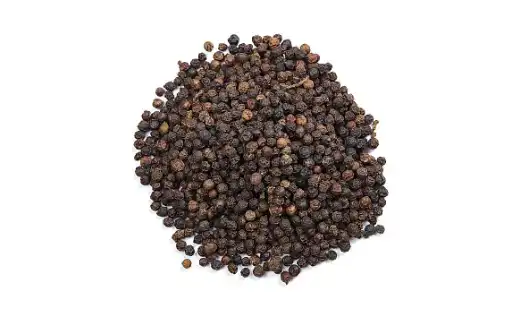
Black pepper is grown all over the world in warm areas. Vietnam produces about 39% of the world's black pepper, followed by Indonesia (15%), India (10%), and Brazil (10%). The spice comes from the Malabar Coast in southwest India, especially from the areas of Kerala, Goa, and Karnataka, where traditional farming methods have been improved over hundreds of years. Modern methods of extraction focus on keeping the biological profile while getting the purity level needed for medicinal use. Using ethanol or other food-grade liquids for solvent extraction makes sure that the piperine extract powder stays pungent while getting rid of any other chemicals that could affect the stability of the formulation. Sustainable buying practices are becoming more and more important for B2B procurement teams that want to find trusted supply lines. Organic approval requires growing without pesticides, good soil management, and fair-trade methods that help local farming communities and keep quality standards high.
Why Piperine Is a Critical Bioenhancer in Botanical Formulas?
Mechanisms of Enhanced Bioavailability
Piperine has bioenhancement qualities that work in a number of complex ways to increase the absorption of plant chemicals. Researchers have found that piperine stops cytochrome P450 enzymes, especially CYP3A4, from working. These enzymes break down many chemicals that come from plants before they can have beneficial effects. P-glycoprotein efflux pumps found in intestine epithelial cells are also blocked by piperine. Most of the time, these pumps move absorbed chemicals back into the intestine, which makes them less available in the body as a whole. Piperine prevents this efflux process briefly, allowing botanical actives to stay in the bloodstream longer and increase their therapeutic potential. The substance also makes the intestines more permeable by changing only certain proteins in tight junctions. This makes temporary paths for better absorption without affecting the general function of the intestines' barrier. Because of these combined processes, piperine can raise the bioavailability of curcumin by up to 2000%, making it a crucial ingredient in contemporary nutraceutical products.
Comparative Analysis with Other Bioenhancers
Piperine regularly outperforms alternatives like capsaicin and quercetin when it comes to bioenhancement choices, both in terms of effectiveness and safety. Clinical tests show that piperine improves intake better than other compounds and is well tolerated by a wide range of people. Bioperine®, a patented type of piperine extract, has been used in many clinical studies to show that it works with different plant chemicals. Standard piperine extract powder from reliable sources, on the other hand, can get similar results if it is standardized and quality-controlled correctly. The natural origin and vast safety data of piperine give it an edge over synthetic bioenhancers. When used within set dosage limits, piperine exhibits amazing safety, making it perfect for both market goods and professional formulations. In contrast, some synthetic alternatives may irritate the digestive tract or combine with other drugs.
Supplier Insights: Sourcing High-Quality Piperine for B2B Procurement
Quality Assessment and Certification Standards
To successfully buy piperine extract powder, you need to know the key quality signs that set premium ingredients apart from inferior ones. HPLC analysis is still the best way to check the amount of piperine in a sample, and reliable providers will give you a proof of analysis for each batch. Organic approval from the USDA NOP, the EU, or a similar organization makes sure that the raw material meets strict growing requirements. Other standards, such as ISO9001, GMP, HACCP, and Kosher/Halal compliance, offer full quality guarantee to meet the needs of a wide range of markets.
The total plate count, yeast and mold counts, and disease screening for E. coli, Salmonella, and other harmful germs. Heavy metals tests (for example, lead, cadmium, mercury, and arsenic) and pesticide residue analysis finish off the standard profile needed for pharmaceutical and food-grade uses. The most trustworthy providers keep clear records all along the supply chain, from growing crops on farms to processing the end products. This tracking is very important when regulators need specific information on where ingredients come from or when customers want proof of sustainability.
Evaluating Supplier Capabilities and Reliability
When buying teams choose a piperine provider, they should look at how well they can make the product, how stable their supply chain is, and how well they control quality. Most of the time, top sellers offer different grades of piperine extract powder, ranging from cheaper 5% standardized extracts to more expensive 98% pharmaceutical-grade materials for high-end formulas. Minimum order amounts, wait times, and the ability to grow with a business should all be taken into account when figuring out production capacity. Established sellers usually keep strategic amounts of inventory on hand to handle changes in seasonal demand and sudden orders.
The ability to provide technical help sets exceptional sellers apart from commodity providers. The best partners help customers get the best product performance by giving them advice on formulation, help with stability tests, and regulation support. During the creation stages of a new product, this collaborative method is very helpful. Shipping prices, arrival times, and the chance of supply disruptions are all affected by where the goods are shipped. For buyers who buy a lot, suppliers with multiple production sites or smart distribution partnerships can offer better supply security and ways to save money.
Practical Guide: Integrating Piperine into Botanical Formulations
Optimal Dosage and Formulation Considerations
To integrate piperine effectively, exact dosage estimates must be made based on the target botanical chemicals and the levels of bioenhancement that are wanted. According to research, piperine concentrations between 5 and 20 mg per serve usually give the best bioenhancement without any bad affects. The time of giving has a big effect on how well piperine works. When target plants are given together, bioenhancement is maximized, but when they are given later, effectiveness is decreased. When formulating sustained-release or focused delivery methods, scientists need to think about how fast the drug dissolves, how long it takes to pass through the stomach, and when it is absorbed.
When piperine is mixed with other plant products, stability issues become very important. Some chemicals may combine with piperine through oxidation or pH-dependent processes, which could make both ingredients less effective. Full stable testing under accelerated aging settings helps find possible compatibility problems before they are used in mass production. Choosing the right ingredients for piperine affects how well it works in end goods. Some binders, fillers, or coatings might make it harder for piperine to be absorbed or change how it works to improve biological processes. Working with formulation partners who have a lot of experience can help you deal with these technical issues while keeping the identity of the product.
Regulatory Compliance and Labeling Requirements
Piperine regulations are very different in different parts of the world, so it's important to pay close attention to what each market needs in order to start a good product. The United States usually considers piperine to be safe for use in food (GRAS rating), but the FDA has rules about how it can be used in dietary supplements. Novel Food Regulations and country-specific rules must be followed when selling food in Europe. These rules may limit the amount of piperine that can be used or demand more safety paperwork. By understanding these regional changes, you can avoid costly delays in the process of registering your goods.
For labels to be accurate, they need to say exactly how much piperine they contain and include the right safety warnings when needed. Some places require people who take prescription drugs to be given interaction warnings, and other places need specific keeping directions to keep the product stable. B2B customers often need thorough certificates of analysis, allergen statements, and confirmations of legal status as proof of their paperwork. Suppliers who keep up-to-date governmental records can make it much easier for their customers to get their products approved.

Future Trends and Strategic Value of Piperine in Botanical Product Development
Emerging Applications and Market Opportunities
The market for plant goods keeps growing because more and more people are looking for natural alternatives to synthetic ingredients in many different fields. Piperine is used in more than just dietary supplements. It is also used in useful foods, drinks, and even cosmetics, where better penetration makes the product work better. For formulations boosted with piperine, personalized nutrition offers a sizable growth possibility. As DNA testing gets easier to get, personalized supplement plans can use piperine's bioenhancement qualities to deal with differences in how people absorb and use nutrients.
More and more people are interested in sports nutrition formulas that contain piperine and make plant-based performance ingredients more bioavailable. This trend fits with the fact that more and more people want clean-label goods that work better by using natural enhancements. Piperine can be used in a variety of interesting functional drinks, such as adaptogenic teas, health shots, and recovery drinks, where it can be quickly absorbed to increase product effectiveness. New ways of delivering drugs, like liposomal encapsulation and piperine together, can work together to make things better.
Sustainability and Innovation Drivers
People who care about the environment want piperine that comes from sources that are good for the environment and support fair trade and responsible farming. Companies that put sustainability first often get higher prices and more brand loyalty from people who care about the environment. New developments in extraction technology offer higher levels of clarity and better environmental efficiency by using fewer solvents and making less waste. These new technologies help keep costs down while also meeting stricter environmental rules.
Adding blockchain technology to the supply chain makes the whole process clear, so customers can follow the piperine from the farm to the finished product. This openness helps build trust and support top standing in markets with a lot of competition. Researchers are still looking into piperine analogs and manufactured replacements, but natural piperine is still preferred by regulators and consumers. It looks like investing in improving natural extraction rather than manufactured growth will pay off in the long run.
Conclusion
It has been shown to greatly increase the bioavailability of compounds, making piperine extract powder an essential bioenhancer that changes the way plant formulas work. The scientific proof for piperine's modes of action, along with a lot of safety data and regulatory approval, make it a valuable ingredient for companies making high-performance botanical goods. As the nutrition industry moves toward more effective natural formulas, piperine will become an even more important ingredient for companies that want to gain a competitive edge by making their products work better and making customers happier.
FAQ
1. What makes piperine extract powder different from regular black pepper?
Piperine extract powder has consistent amounts of the bioactive alkaloid (usually 95–98% pure), while whole black pepper only has 3–9% piperine, along with volatile oils and other substances. Because of this concentration, extract powder is much better at bioenhancement uses in supplement formulas.
2. How much piperine should be included in botanical formulations?
Depending on the target botanical compounds and desired enhancement levels, the ideal piperine dose usually ranges from 5 to 20 mg per serve. Higher amounts don't always offer more benefits, and they may make sensitive people more likely to have stomach problems.
3. Can piperine interact with prescription medications?
Piperine might not work well with some medicines because it stops cytochrome P450 enzymes from breaking down drugs. People who are on pharmaceutical drugs should talk to their doctors before taking supplements with added piperine, and goods should have the right warnings on the labels.
4. What quality certifications should I look for when sourcing piperine?
Organic certification (USDA NOP, EU Organic), GMP compliance, ISO9001 quality management, and HPLC analysis proof are some of the most important certificates. Depending on your target markets and customer needs, you may need to get extra certificates like Kosher, Halal, and HACCP.
5. How stable is piperine in different formulation types?
Piperine stays stable in well-made products as long as they are kept away from too much heat, light, and water. Because stability changes based on other ingredients, pH levels, and packaging materials, it is important to do thorough stability tests when making a new product.
Partner with YTBIO for Premium Piperine Extract Powder Solutions
Our high-quality organic piperine extract powder meets the best standards in the business, and YTBIO is ready to help you make successful botanical formulations. Our extensive knowledge of plant-based ingredients, along with our many certifications, such as USDA NOP and EU Organic compliance, guarantees that you will always receive high-quality materials that improve the performance of your product. As a reliable provider of piperine with ISO9001 certification and strict quality control systems, we can give your business the technical help and buying it needs. Get in touch with our team at sales@sxytorganic.com to talk about your unique needs and find out how our premium piperine extract powder can help your botanical products work better and do better in the market.
References
1. Shoba, G., et al. "Influence of piperine on the pharmacokinetics of curcumin in animals and human volunteers." Planta Medica, 1998, 64(4), 353-356.
2. Atal, C.K., et al. "Bioavailability enhancers of plant origin for drug formulations." Journal of Ethnopharmacology, 1985, 14(2-3), 229-237.
3. Dudhatra, G.B., et al. "A comprehensive review on pharmacotherapeutics of black pepper." International Journal of Pharmaceutical Sciences Review and Research, 2012, 17(1), 67-73.
4. Lambert, J.D., et al. "Piperine enhances the bioavailability of the tea polyphenol epigallocatechin-3-gallate in mice." Journal of Nutrition, 2004, 134(8), 1948-1952.
5. Badmaev, V., et al. "Piperine derived from black pepper increases the plasma levels of coenzyme Q10 following oral supplementation." Journal of Nutritional Biochemistry, 2000, 11(2), 109-113.
6. Srinivasan, K. "Black pepper and its pungent principle-piperine: a review of diverse physiological effects." Critical Reviews in Food Science and Nutrition, 2007, 47(8), 735-748.