How to incorporate organic chlorella powder into smoothies?
If you've ever stared at a half-empty smoothie jar, wondering how to turn your daily blend from just a fruit cup into something that actually fuels your body, you're not alone. For years, I struggled with that too—until I started working with organic chlorella powder, the superfood I'm proud to supply as part of my small-batch, third-party-tested organic line. Let me cut to the chase: chlorella doesn't have to taste like a seaweed salad left in the sun, and adding it to smoothies is one of the easiest, most effective ways to get its science-backed benefits without the fuss.
First, let's clear up why organic chlorella deserves a spot in your blender. Unlike synthetic supplements, our chlorella is grown in nutrient-rich freshwater tanks, no pesticides, no fillers, just pure, single-celled algae packed with 60% complete protein (yes, that's more than most plant proteins), iron, B12, and chlorophyll—nature's built-in detoxifier. But here's the secret: chlorella's cell wall is tough, so to unlock all those nutrients, you need a powder that's been "broken cell wall," which is exactly what we offer. Skip the brands that skimp on that step—you'll end up with grit, not nutrition.
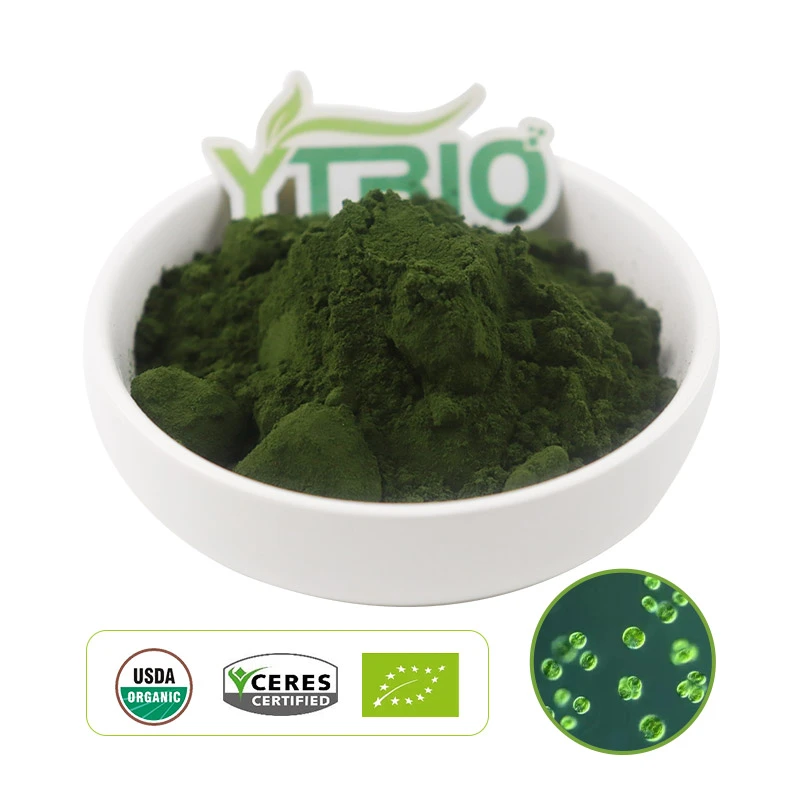
Now, the biggest question: how much is too much? When I first started experimenting, I dumped a full teaspoon into a berry smoothie and ended up with a jar that tasted like a swimming pool. The rule I live by now is start small: ¼ to ½ a teaspoon for beginners, 1 teaspoon max for regular users. Chlorella has a mild, earthy flavor, so too much can overpower sweet fruits, but a tiny dose adds a subtle depth that blends right in. If you're new to it, test ¼ a teaspoon first—you can always add more later, but you can't take it out once it's in the blender.
Let's talk about blending basics. The key to avoiding that weird gritty texture is to mix chlorella with liquids first before adding other ingredients. Toss your powder into your liquid base—almond milk, coconut water, even cold green tea—and blend for 10 seconds on low before dropping in fruit, veggies, or other add-ins. This breaks up the powder so no clumps stick to the bottom of your jar or your blender blade. I learned this the hard way when I tried mixing chlorella with frozen mango and ended up with a handful of chalky lumps; 10 extra seconds with the liquid base fixes that every time.
Next, let's build some recipes that work for every taste preference. For the fruit lovers who hate bitter flavors: try our go-to green berry smoothie. Ingredients: ½ banana (frozen is creamier), ½ cup mixed frozen berries, ¼ teaspoon organic chlorella powder, 1 cup unsweetened almond milk, 1 tablespoon organic hemp seed protein. Blend the chlorella with the almond milk first, add the rest, and pulse until smooth. The berries and banana mask chlorella's earthy taste, and the hemp protein adds extra staying power for morning workouts. If you're looking for more plant protein options, you can swap in our other organic plant proteins here, like Organic Brown Rice Protein or Organic Pea Protein, depending on what's in your pantry.
For the green veggie heads who want a nutrient punch: the "No-Taste Green" smoothie. Ingredients: 1 cup baby spinach, ½ cup chopped cucumber, ¼ teaspoon organic chlorella powder, 1 cup coconut water, 1 tablespoon Organic Spirulina Powder, ½ lime (squeezed, no rind). This one is bright, tangy, and the lime cuts through any earthy notes from both chlorella and spirulina. Spinach is so mild you'll barely taste it, and the cucumber keeps it light. Pro tip: use cold coconut water—warm liquids can make the algae taste more intense, so keep your base chilled.
Then there's the protein-heavy post-workout smoothie, perfect for anyone training regularly. Ingredients: 1 scoop Organic Sunflower Protein, 1 frozen banana, 1 cup unsweetened oat milk, ½ teaspoon organic chlorella powder, 1 tablespoon almond butter, a handful of ice. The sunflower protein adds creaminess and plant protein, while the chlorella boosts recovery nutrients that help sore muscles. I add a pinch of cinnamon here too—it's a sweet spice that pairs perfectly with both the nut butter and the earthy algae, no extra sugar needed.
Wait, but what about common mistakes? Let's run through the ones I've heard from customers, so you don't make them. First, don't pair chlorella with acidic fruits alone—think straight lemon or grapefruit. The acid can make the earthy taste more pronounced, so balance it with sweet fruits like banana or apple. Second, avoid adding chlorella to hot smoothies. We source our chlorella as a raw powder, and high heat (over 120 degrees) can break down some of its sensitive nutrients, plus it intensifies the algae-like flavor. Third, don't skip the blending step: if you just stir chlorella into a smoothie with a spoon, it will clump. Even with a high-powered blender, a quick blend with the liquid base prevents that.
Another hack: hide chlorella in smoothies with creamy add-ins. Avocado is my favorite here. A quarter of a ripe avocado adds creaminess that masks any trace of chlorella's flavor, and it's packed with healthy fats that help your body absorb the algae's fat-soluble vitamins. I've had friends who swear they "hate green smoothies" ask for this one every morning: ½ avocado, 1 cup mango, ¼ teaspoon chlorella, 1 cup coconut milk, 1 tablespoon Organic Hemp Seed Protein. It tastes like a mango milkshake, and they have no idea they're eating a superfood.

Now, why choose our organic chlorella over other brands? Let's be honest, the market is flooded with supplements, but our chlorella is certified organic, third-party tested for heavy metals (a big concern with algae, since it can absorb toxins from water), and broken cell wall for maximum absorption. We don't add fillers or artificial flavors—just pure algae. And if you're looking to round out your smoothie mix-ins, we also work with trusted suppliers for organic plant proteins, so you can grab Organic Pea Protein or Organic Sunflower Protein right from the same source if you're stocking up on organic pantry staples.
Let me tell you about a regular customer of mine, a teacher named Mia who started buying chlorella from me last year. She told me she used to get mid-afternoon slumps, and her doctor recommended adding more protein and greens to her diet. She tried a green smoothie with spinach and spirulina, but it tasted so bad she'd throw it away. Once she added ¼ teaspoon of our chlorella, frozen banana, and a splash of almond milk, she couldn't taste it at all. Now she drinks it every morning, and she says her energy has never been better. That's the thing about chlorella: when you incorporate it right, it works with your favorite flavors, not against them.
So, who is this for? If you're new to superfoods and want an easy way to boost your nutrition without overhauling your diet, chlorella in smoothies is perfect. If you're a workout enthusiast looking for natural recovery nutrients, it's ideal. If you just want to add more plant protein and vitamins to your day, it's a simple swap. The best part? You don't need fancy equipment—any blender works, even a personal smoothie cup with a stick blender.
Now, if you're ready to stock up on organic chlorella powder, or want to learn more about how our products can fit into your daily routine, feel free to reach out for a procurement discussion. We're here to help you find the right organic ingredients for your smoothies and other home uses, no pressure, just quality products.
Tel:86-029-86478251 / 86-029-86119593
Whatsapp:8617782577059
Email:sales@sxytorganic.com
References
- World Health Organization. (2021). Algae-Based Foods: Nutritional Composition and Safety. Geneva: WHO Press.
- American Dietetic Association. (2019). Plant-Based Proteins: A Guide to Complete Sources. Chicago: ADA Publishing.
- Journal of Applied Phycology. (2020). Bioavailability of Broken-Cell-Wall Chlorella vulgaris: A Human Trial Study. Vol. 32, Issue 4, pp. 2145–2152.
- Organic Trade Association. (2022). Certified Organic Superfoods: Standards and Benefits. Washington DC: OTA.
- International Society of Sports Nutrition. (2021). Nutrition for Optimal Muscle Recovery: A Review of Current Evidence. Journal of the International Society of Sports Nutrition, Vol. 18, Issue 1, pp. 45–62.