How to Make Organic Chlorella Powder Taste Better: Practical Tips for Flavor Improvement
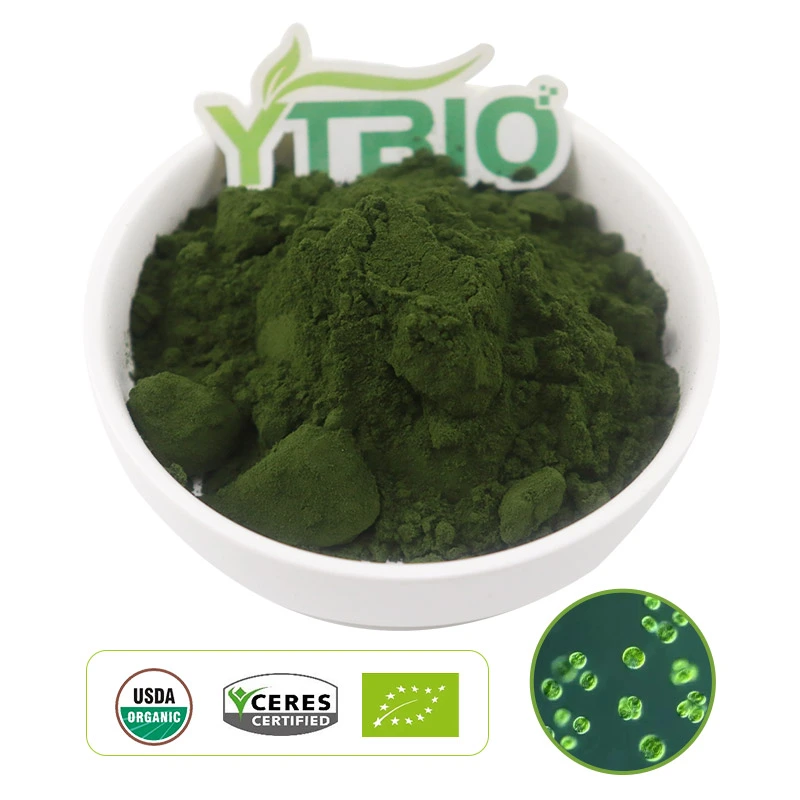
 Organic Chlorella Powder is a green algal ingredient derived from *Chlorella*—a type of microalgae—and is commonly used in nutritional supplements, plant-based foods, and functional beverages. However, it possesses a distinct "algal" or grassy flavor that some consumers may find challenging.
So, how can the taste of chlorella powder be improved? By thoughtfully pairing it with plant-based proteins, fruits, and other food ingredients, you can enhance the overall flavor profile and consumption experience while preserving its signature green appearance.
1. Why Does Chlorella Powder Have Such a Distinct Flavor?
*Chlorella* is a single-celled green alga rich in protein, chlorophyll, and various other nutrients. Its natural color and characteristic algal flavor are key features that distinguish it from typical plant-based powders.
The specific flavor profile of chlorella powder is influenced by factors such as the algal strain, cultivation conditions, harvesting methods, processing techniques, and storage conditions. Some products may exhibit notes of grass, earth, or a mild seaweed-like quality, with varying degrees of flavor intensity.
For food and beverage developers, beyond metrics like protein content, chlorophyll levels, and organic certification, it is also important to consider the ingredient’s aroma, color, particle fineness, and batch-to-batch consistency.
2. Pairing with Plant-Based Proteins
Combining chlorella powder with other plant-based proteins is an effective strategy when developing plant-based nutritional products. Since different plant proteins carry their own unique natural flavors, they can be blended strategically to suit a target formulation.
Organic Pea Protein: Offers a relatively mild flavor, making it well-suited for plant-based protein drinks, protein powders, and blended nutritional formulas.
Organic Pumpkin Seed Protein: Features a subtle nutty (seed-like) and vegetal flavor, suitable for use in plant-based powdered mixes and nutritional blends.
Organic Hemp Seed Protein: Possesses a more pronounced nutty and vegetal flavor, making it a good fit for multi-source plant protein powders and nutritional food products. Organic Sunflower Protein: Suitable for use in plant-based protein blends, baked goods, and various other food formulations.
The specific blending ratio should be adjusted based on factors such as protein content, the inherent flavor profile of the ingredients, the desired texture of the final product, and nutritional specifications; there is no single, fixed ratio that applies to all products.
3. Enhancing Taste with Fruits and Everyday Ingredients
If the algal flavor of chlorella powder is too pronounced, it can be balanced by the natural sweetness or the sweet-and-tangy notes of fruits.
Fruit Smoothies: Blend chlorella powder with fruits like bananas, mangoes, strawberries, or blueberries, along with dairy or plant-based milk, to improve the overall taste and texture.
Yogurt and Oatmeal: Stir a small amount of chlorella powder into yogurt or oatmeal, and add fruits, cinnamon, or a touch of honey to create a more complex flavor profile.
Energy Balls and Baked Goods: Chlorella powder can also be incorporated into energy balls, muffins, and other baked goods. Ingredients such as nuts, cocoa, and fruits can help adjust the flavor, though the exact amount used should be determined by considering the product's color, aroma, and processing requirements.
In commercial product development, combining fruit powders and plant-based proteins with chlorella powder offers greater flexibility in formulating "green" powdered beverages, plant-based nutritional supplements, and specialty food products.
4. How to Improve the Mixing of Chlorella Powder?
When added to liquids, some chlorella powders may clump, disperse unevenly, or create a gritty texture. These issues are related to the powder's particle size, surface characteristics, the composition of the formula, and the mixing method used.
Consider the following approaches:
Pre-mix with a small amount of liquid: Blend the powder into a small portion of the liquid first, then add the remainder.
Mix thoroughly: Use a shaker bottle, whisk, or blender to ensure the powder is evenly dispersed.
Adjust the order of addition: In complex formulations, optimize the sequence in which ingredients are added based on their individual properties.
Evaluate powder characteristics: For industrial production, pay close attention to particle size, flowability, dispersion performance, and the stability of the final product.
Please note that chlorella powder may not dissolve completely in water. Stirring primarily facilitates the dispersion of the powder; it does not imply that all its components will dissolve.
Application Suitability
Select the appropriate product specification based on the intended use—whether for beverages, nutritional powders, plant-based foods, or supplements.
Processing methods influence the sensory characteristics and quality of chlorella powder; however, one cannot conclude that a specific processing technique automatically guarantees a milder flavor or superior nutrient retention. Procurement decisions should be based on a comprehensive assessment, incorporating actual analytical data, sensory evaluations, and application testing.
Conclusion
Improving the flavor profile of chlorella powder can be achieved not only by pairing it with fruits, plant proteins, or other food ingredients, but also by considering the specific properties of the powder and the formulation process. For manufacturers of food, beverages, and nutritional supplements, selecting the right product specification—followed by rigorous sensory and application testing—is a critical step in developing high-quality products.
YTBIO offers a range of organic plant-based ingredients, plant proteins, and various raw materials for the food and nutritional supplement industries. Please contact us to learn more about our organic chlorella powder specifications, quality documentation, and technical support for your applications.
Tel:86-029-86478251 / 86-029-86119593
Whatsapp:8617782577059
Email:sales@sxytorganic.com
References
- Kim, J., et al. (2019). Sensory evaluation of microalgae-based food products: Strategies to improve palatability. Journal of Food Science and Technology, 56(12), 5247-5255.
- Lee, S., & Park, H. (2021). Complementary pairing of plant proteins to mask off-flavors in functional supplements. Plant Foods for Human Nutrition, 76(3), 389-395.
- World Health Organization. (2020). Guidelines for organic food production and processing: Nutrient retention and sensory quality. WHO Press.
- Zhang, L., et al. (2018). The effect of portion size and gradual introduction on acceptance of novel functional foods. Appetite, 127, 112-118.