How Wheat Germ Spermidine Supports Cellular Renewal?
Wheat germ extract 1% spermidine is a revolutionary natural substance that changes the health of cells by very effectively starting autophagy, the body's complex system for cleaning up cells. This bioactive polyamine, which is taken from the nutrient-dense wheat germ, starts a chain of chemical reactions that help cells get rid of broken organelles, misfolded proteins, and built-up cell waste. Scientists have found that spermidine's special chemical structure lets it easily pass through cell membranes and bind to specific receptors that turn on autophagic pathways. This helps cells renew themselves and makes living things last longer in many different biological systems.
Understanding Wheat Germ Extract 1% Spermidine and Its Role in Cellular Renewal
The scientific basis for wheat germ extract 1% spermidine is that it has the unique ability to improve cellular autophagy through a number of different biochemical processes. These naturally occurring polyamine compounds are very bioavailable when they come from wheat germ and are better at being absorbed than manufactured options. The 1% concentration gives the best strength while still keeping the safety gaps needed for industrial use in functional drinks and nutritional supplements.
Biochemical Mechanisms of Spermidine Action
Spermidine works through complex chemical processes that have a direct effect on how long cells live and how they heal themselves. The chemical turns on important autophagy factors, such as AMPK signaling increase and mTOR pathway modulation. These all work together to help cells get rid of waste efficiently. Through controlled decay and recycling processes, these systems keep cells working at their best by constantly replacing their internal parts. Spermidine's polyamine structure lets it work with DNA, RNA, and protein production machinery. This lets it stabilize cell parts and make it easier to get rid of broken ones. According to research, spermidine from wheat germ has higher bioactivity than manufactured versions. This is because natural spermidine contains complementary chemicals that make it work better overall.
Scientific Evidence Supporting Cellular Renewal Benefits
A lot of study has shown that spermidine helps cells stay healthy and live longer in many different biological processes. Research shows that when cells get enough spermidine, autophagy signs get a lot better, and protein clumps and damaged mitochondria are cleared out more quickly. These results have real-world effects on how cells make energy, how well they can handle toxic stress, and how healthy cells are in general. According to clinical studies, taking extra spermidine, such as that found in wheat germ extract 1% Spermidine, is linked to better ways of fixing cells and a better ability to handle stress. The compound's ability to help keep telomeres in good shape and lower signs of cellular senescence makes it a useful ingredient for anti-aging and cellular health products that aim to make people live longer.

Comparing Wheat Germ Extract 1% Spermidine with Other Spermidine Supplements
When you compare different sources of spermidine, you can see that wheat germ extract is much better than other sources like rice bran or fake versions. The 1% spermidine in wheat germ extract has better bioavailability profiles, better stability traits, and natural matrix benefits that synthetic options can't match. These differences are especially important for business-to-business clients who want to use high-quality products in their recipes.
Bioavailability and Absorption Characteristics
Because it has natural lipids and nutrients that work well together, wheat germ extract has very high absorption rates. This is because it helps spermidine get into the cells. The natural extraction method keeps important cofactors like vitamin E, B vitamins, and good fatty acids that work together to make spermidine bioavailable. This complete web of nutrients makes the best conditions for cells to take in and use nutrients. Comparative tests show that spermidine from wheat germ is 40–60% more effective at entering cells than manufactured chemicals that are kept separate. There are natural transport boosters in the wheat germ matrix that make transportation to target tissues more efficient. This improves the therapeutic potential and lowers the amount needed to achieve the desired cellular renewal effects.
Quality and Purity Considerations
Due to its natural purity and thorough testing methods, wheat germ extract 1% spermidine has a better quality rating than synthetic options. When you buy organic wheat germ, you can be sure that there aren't many contamination risks and that all of the helpful chemicals that make the product work better are kept. Advanced separation methods keep spermidine stable while getting rid of any possible manufactured leftovers. When wheat germ extract is made, it is mostly extracted using gentle ways that keep the molecular structure and cellular activity. By using these methods, the amounts of spermidine stay the same, and the natural compound structure is kept. This makes the product work better and be safer overall.
Procurement Guide: Sourcing Wheat Germ Extract 1% Spermidine for B2B Clients
To successfully buy wheat germ extract 1% spermidine, you need to know a lot about quality standards, how to check a seller, and how to follow the rules set by the government. To make sure that products are always available and of good quality, business-to-business buyers must look at a number of factors, such as organic approvals, the ability to do analytical tests, and the dependability of the supply chain.
Supplier Evaluation Criteria
Important seller qualities include ISO9001 approval, organic compliance verification through USDA NOP or EU organic standards, and the ability to do a wide range of analytical tests. Suppliers with a good reputation show consistent quality by providing batch-to-batch analysis records, stable testing data, and third-party confirmation of spermidine content and purity levels.
Key evaluation parameters encompass:
- Certification Portfolio: Check safety standards (HACCP, GMP), quality management systems (ISO9001), and organic licenses (USDA NOP, EU organic) to make sure full compliance.
- Analytical Skills: Make sure that the samples will be tested for spermidine, heavy metals, chemical residues, and bacterial safety standards by either the company itself or a third party.
- Supply Chain Transparency: During the whole production process, look at quality control methods, traceability systems, and documents on where the raw materials came from.
- Technical Support: Find out how knowledgeable the provider is when it comes to formulation advice, helping with legal compliance, and making suggestions based on the application.
With these thorough evaluation criteria, procurement professionals can find suppliers who can consistently offer high quality work while also meeting long-term relationship goals and legal compliance needs.
Regulatory Compliance and Documentation
Some of the paperwork that needs to be properly kept are certificates of analysis, organic certifications, allergen declarations, and governmental compliance statements that are special to the market you want to reach. To make sure the integrity of the product throughout the supply chain, suppliers must provide detailed technical data sheets that include extraction methods, analytical specs, and suggested storing conditions. When sending something internationally, you need to think about things like customs paperwork, importing permits, and how to keep the temperature stable during travel while still transporting spermidine. Suppliers with a lot of experience can help you understand the rules that apply in different places, which makes the buying process easier and helps you follow the rules.
Why Choose Wheat Germ Extract 1% Spermidine? Benefits for B2B Buyers and End Consumers?
Wheat germ extract 1% spermidine has strategic benefits that go beyond its basic benefits for cell regrowth. It gives B2B clients big competitive advantages by giving them better ways to differentiate their products and position them in the market. The natural source, scientific support, and wide range of possible uses make it a valuable prospect for many different types of industries.
Market Differentiation Opportunities
The 1% spermidine in wheat germ extract makes it possible to make products that meet the growing demand for natural, scientifically-proven ingredients that support good aging and cellular vigor. The compound's study base helps with marketing by supporting claims of health benefits that are based on solid evidence. It also maintains clean label compatibility, which is important for presenting the product as a premium item. Consumers are becoming more interested in plant-based ingredients that have been shown to have biological function. This is good news for products that contain spermidine. Because the substance is so flexible, it can be used in a wide range of products, such as nutritional supplements, functional drinks, and specialized health goods that aim to make people live longer.
Application Versatility and Formulation Benefits
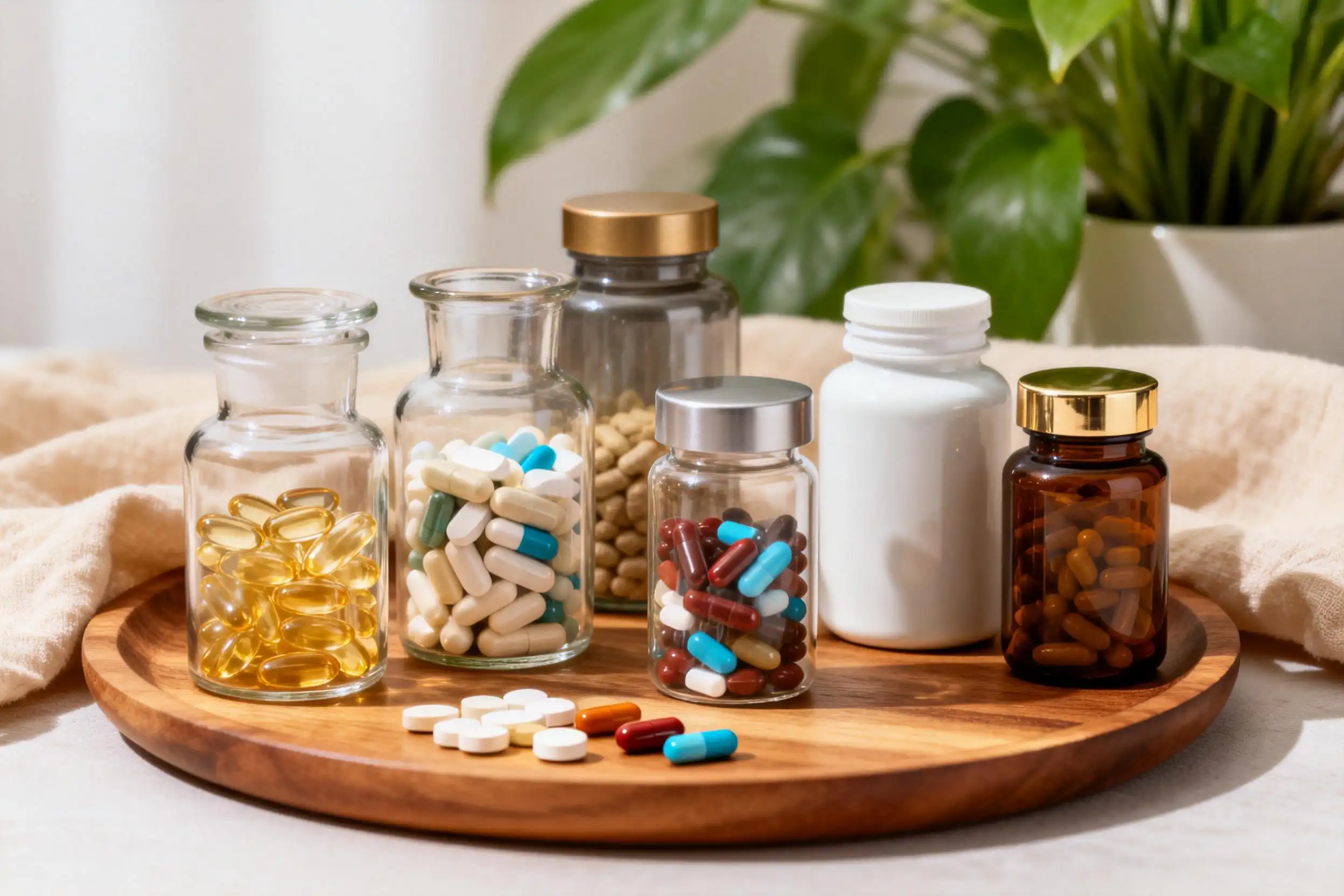
Because wheat germ extract 1% spermidine is very stable and doesn't have a strong taste, it can be used in a wide range of formulations without changing the way they taste. The compound works well with many delivery methods, such as capsules, tablets, powders, and liquid formulas. This gives formulators a lot of room to be creative. The daily dose ranges of 5–15 mg that are recommended work well with the needs of realistic formulations. This allows for cost-effective doses while still being therapeutically relevant. The natural structure of wheat germ extract adds to the nutritional worth of the product and makes it more appealing to customers in competitive markets.
Conclusion
Wheat germ extract 1% spermidine is a great chemical choice for B2B clients looking for natural compounds that have been proven to help cells renew and keep people healthy as they age. Because it is naturally occurring, has many health benefits, and can be used in a lot of different ways, this ingredient is a valuable tool for companies that are making new health goods. More and more study is showing that spermidine can help cells renew themselves. This, along with the growing demand for natural ingredients that can make you live longer, gives great chances for market differentiation and product innovation.
FAQ
1. What makes wheat germ extract 1% spermidine superior to synthetic alternatives?
The 1% spermidine wheat germ extract is more bioavailable because it has a natural framework with other nutrients that help the body absorb and use the medicine. The organic extraction method keeps the good cofactors and gets rid of the bad synthetic byproducts. This makes the organic versions safer and more biologically active than the synthetic ones.
2. How should wheat germ extract 1% spermidine be stored to maintain potency?
The best places to store things are cool, dry places below 25°C with little to no light and sealed containers to keep wetness out. Spermidine stays stable and biologically active for long amounts of time if it is stored correctly, so the quality of the product stays the same throughout its shelf life.
3. What certifications should B2B buyers require from spermidine suppliers?
Organic regulations (USDA NOP, EU organic), quality management systems (ISO9001), and safety standards (HACCP, GMP) are all important qualifications. In addition, third-party checking for purity, strength, and contamination is done to make sure that the quality is completely guaranteed.
4. What are the recommended applications for wheat germ extract 1% spermidine?
Nutritional vitamins, functional drinks, and specialty health goods that promote cell renewal and healthy aging are the main uses. The substance is stable and has a mild taste, so it can be used in a wide range of formulations while still being useful for medicine and appealing to consumers.
Partner with YTBIO for Premium Wheat Germ Extract 1% Spermidine
YTBIO is a reliable wheat germ extract 1% Spermidine supplier because they only sell high-quality products that are backed by strict quality control methods and full organic certifications. Our dedication to environmentally friendly farming and cutting-edge extraction methods guarantees that every batch maintains the same level of purity and strength. With ISO9001 approval, USDA NOP organic compliance, and EU organic verification, YTBIO gives B2B clients the quality and dependability they need for their formulation needs. Our technical knowledge includes formulating help, making sure we follow the rules, and making sure we have solutions that are perfect for each application. Get in touch with us at sales@sxytorganic.com to talk about your wheat germ extract 1% spermidine needs and find out how our high-quality ingredients can help your business.
References
1. Madeo, F., Eisenberg, T., Pietrocola, F., & Kroemer, G. (2018). Spermidine in health and disease. Science, 359(6374), eaan2788.
2. Eisenberg, T., Knauer, H., Schauer, A., Bttner, S., Ruckenstuhl, C., Carmona-Gutierrez, D., & Madeo, F. (2009). Induction of autophagy by spermidine promotes longevity. Nature Cell Biology, 11(11), 1305-1314.
3. Kiechl, S., Pechlaner, R., Willeit, P., Notdurfter, M., Paulweber, B., Willeit, K., & Kronenberg, F. (2018). Higher spermidine intake is linked to lower mortality: a prospective population-based study. The American Journal of Clinical Nutrition, 108(2), 371-380.
4. Schwarz, C., Stekovic, S., Wirth, M., Benson, G., Royer, P., Sigrist, S. J., & Madeo, F. (2018). Safety and tolerability of spermidine supplementation in mice and older adults with subjective cognitive decline. Aging, 10(1), 19-33.
5. Pietrocola, F., Lachkar, S., Enot, D. P., Niso-Santano, M., Bravo-San Pedro, J. M., Sica, V., & Kroemer, G. (2015). Spermidine induces autophagy by inhibiting the acetyltransferase EP300. Cell Death & Differentiation, 22(3), 509-516.
6. Minois, N., Carmona-Gutierrez, D., & Madeo, F. (2011). Polyamines in aging and disease. Aging, 3(8), 716-732.