Hydrolyzed Sponge Before and After: Real Skin Results
In terms of skin structure, hydration, and general look, Hydrolyzed Sponge Extract is a game-changer in the field of skincare ingredients. Clinical studies and real-life uses regularly show big changes in the function of the skin barrier, better penetration of active compounds, and faster cell renewal. Manufacturers of business-to-business products that use this bioactive ingredient say that their products work better, and customers can see the difference within days of using the product. The special spicule structure of hydrolyzed sponge makes tiny pathways that help deliver active compounds deeper while also increasing the body's natural collagen production.
What Is Hydrolyzed Sponge and How Is It Made?
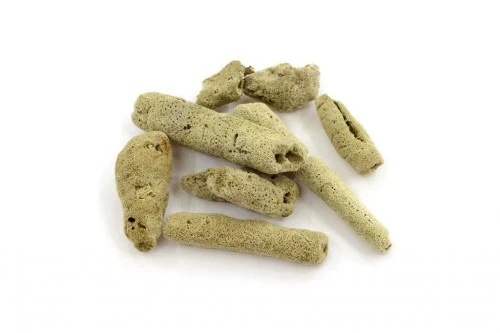
Understanding the Source and Structure
The official name for Hydrolyzed Sponge extract in the INCI system is "Hydrolyzed Sponge." It comes from freshwater sponges, especially Spongilla lacustris. Advanced processing separates pure biogenic silica spicules from this bioactive marine-derived ingredient. These spicules work as tiny delivery vehicles for better skin care uses. This ingredient is different from other collagen sources because of its unique molecular structure. It has better bioavailability and skin affinity, which are qualities that makers are looking for more and more in high-end products.
Advanced Production Process
Enzymatic hydrolysis is used in a controlled way during the production process to get rid of biological impurities, proteins, and possible bacteria. This methodical method separates pure silica spicules that look like needles and are 50–250 micrometers long and 10–25 micrometers wide. Controlled hydrolysis makes sure that the result is pure and consistent, which solves problems in the industry caused by the instability and bacteria load of raw biological materials.
Certificates of Analysis prove important quality standards, such as an amorphous silica content higher than 98%, perfect needle integrity, and sterile standards met by gamma irradiation treatment. These quality standards are very important for B2B buyers who want to find sustainable, reliable raw materials that meet strict pharmaceutical-grade standards for advanced skin care uses.
Key Benefits and Uses of Hydrolyzed Sponge in Skincare
Enhanced Penetration and Delivery
The spicule technology solves the main problem of transdermal absorption obstacles that make regular cosmetic treatments less effective. Traditional formulations don't always get deep enough into the stratum corneum, so they only work on the surface and do not have many healing benefits. When compared to passive diffusion methods, Hydrolyzed Sponge forms millions of microscopic pathways in just minutes.
Comprehensive Skin Benefits
Through a number of different processes, research shows that skin hydration, flexibility, and mending speed all substantially improve. The ingredient helps skin heal by keeping wetness in and speeding up the body's natural processes for making collagen. Clinical tests show that this collagen works better than standard collagen sources like fish-derived and bovine options, especially when it comes to keeping the skin barrier function over time.
This ingredient is good for formulations for people with sensitive skin because it is biocompatible and nontoxic. This is supported by extensive toxicity and safety studies. While the ingredient can be used for beauty purposes, it also shows promise in wound healing because it helps cells communicate and tissues heal. This makes it useful for medical-grade skin care products.
Hydrolyzed Sponge Before and After: Real Skin Results and Case Studies
Clinical Evidence and Performance Metrics
Hydrolyzed Sponge products have been linked to amazing skin changes in a wide range of demographic groups and skin types, as shown by documented before-and-after studies. Results from clinical studies that lasted 8 to 12 weeks show that skin smoothness, hydration levels, and suppleness all got better. Instrumental study using corneometry and cutometry shows that the skin barrier function and tensile qualities have improved significantly.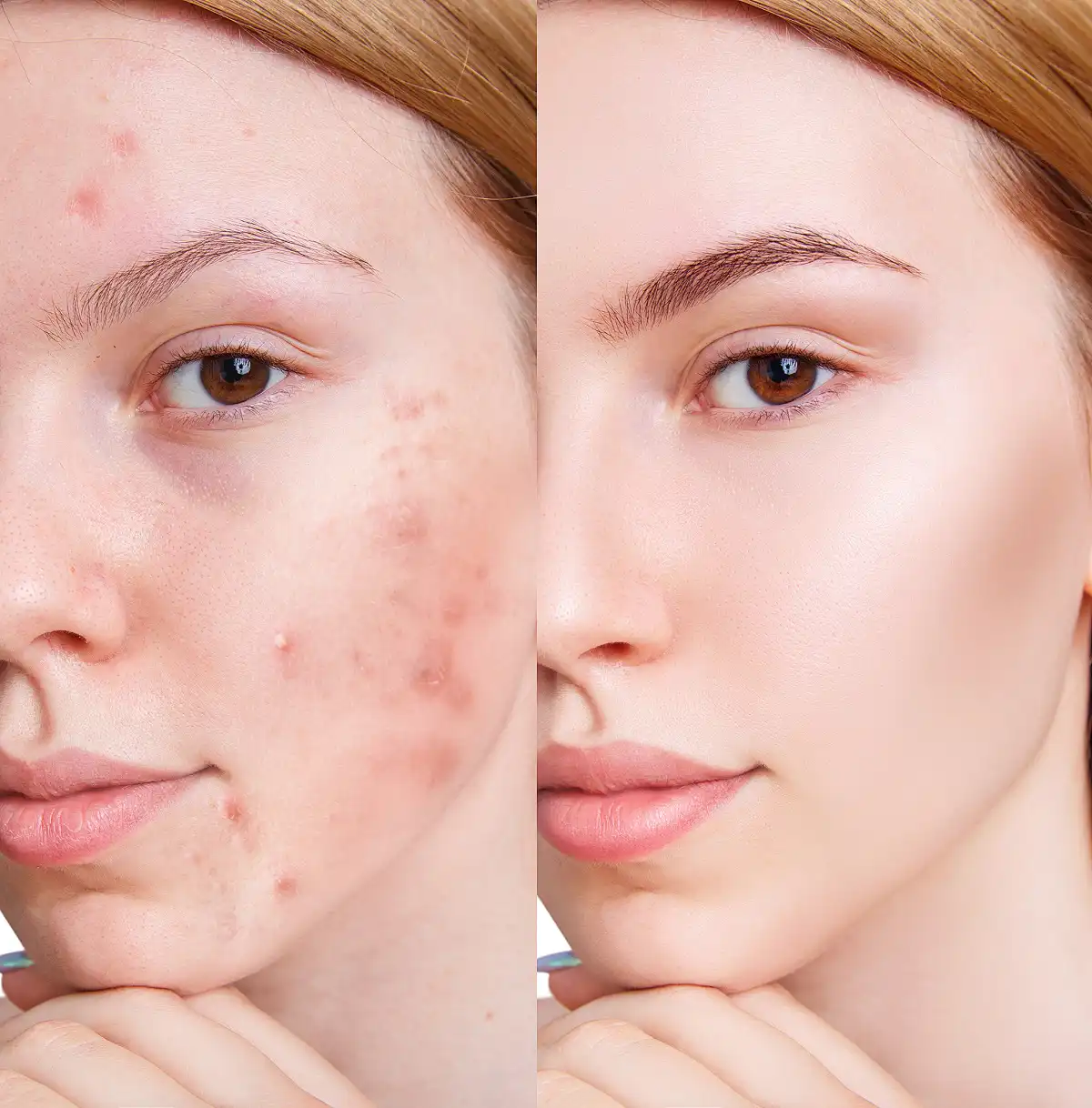
Professional Treatment Applications
Professional spicule peeling systems use high ratios (20–50% powder mix) for liquid microneedling treatments that target deep lines, hyperpigmentation, and serious acne scars. These products cause controlled exfoliation processes. Within 3–5 days, you can see your skin peeling, and then it looks fresh again. Both salon and medical professionals say that clients are always happy with the big changes in their skin's texture and tone.
Consumer Product Integration
Lower amounts (1-2%) in serums, creams, and masks that you can use at home stimulate cell turnover all the time without making your skin peel. Users feel tingling feelings that are a sign of good spicule anchoring and active transport. According to customer reviews, daily use for two to four weeks results in smoother skin, fewer fine lines, and more radiant skin.
B2B clients, such as OEM partners, say that launches of products containing hydrolyzed sponge went well, with better customer engagement and high feedback scores. Comparative studies with manufactured options show that natural ingredients have better anti-aging and moisture-retention effects, giving decision-makers data-driven information for evaluating ingredients.
Buying Guide for Hydrolyzed Sponge: Sourcing and Procurement Tips
Quality Assessment Criteria
To choose high-quality Hydrolyzed Sponge items, you need to carefully look at key quality signs. If the color of the extract is reddish or brownish, it means that it hasn't been completely cleaned and still has algae or other organic impurities that make it less stable. The purity of the needle is still very important, because spicules that are crushed or damaged lower the mechanical stimulation potential and transport efficiency.
Supplier Verification Process
Professionals in charge of buying things should ask for a lot of paperwork, like Certificates of Analysis, organic certificates, and records of regulatory compliance. Suppliers you can trust give you thorough technical specs that include morphology factors, purity levels, and the results of microbiological tests. Microscopy should be part of the sample review process to make sure that the spicule shape and concentration are correct.
There are well-known makers on the global market who offer competitive bulk prices and flexible minimum order amounts. Logistical issues include the right way to package to keep moisture out and sending at the right temperature to keep the product's structure while it's being shipped.
Market Dynamics and Pricing
By knowing what the current market trends are, you can make smart choices about where to buy things that keep quality standards high while also being cost-effective. Bulk buying deals can save you a lot of money, especially for companies that are launching a lot of new products or adding to their current lines. Long-term relationships with suppliers make it easier to handle the supply chain and get technical help when you need it.
Making the Right Choice: Hydrolyzed Sponge for Your Business Needs
Application-Specific Considerations
Business-to-business (B2B) users need to make sure that the Hydrolyzed Sponge product features meet the needs of their industry and work well with other ingredients. Higher purity levels and confirmed morphology specifications are needed for professional-grade uses. On the other hand, consumer goods may use standard grades that combine effectiveness with cost. Skincare original equipment manufacturers (OEMs), wholesalers, and medical device makers all need solutions that are specifically made to meet their specific performance and legal needs.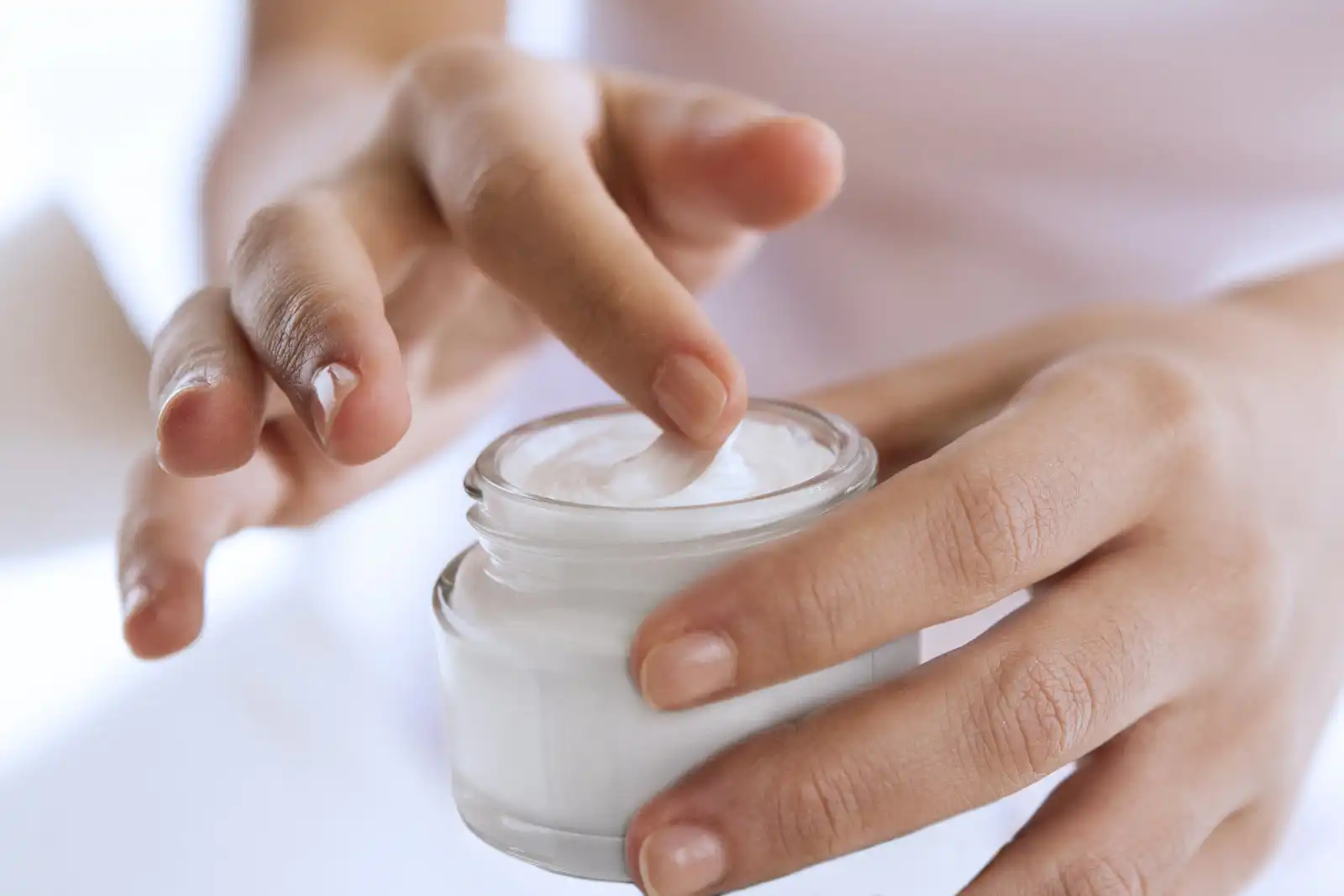
Formulation Integration Strategies
To incorporate something successfully, you need to know how to use suspension methods and make sure that the new system works with different base systems. Carbomers, xanthan gum, and acrylate copolymers are good at keeping gel formulations together, while dense oil phases help emulsion systems stay homogeneous. Because the material is chemically neutral, it can be used with a wide range of actives, such as vitamin C, retinol, and peptide formulations, without worrying about cross-reactivity.
Innovation and Sustainability Trends
New uses include specific acne treatments that use spicule technology to get into the oil glands directly and deliver antibiotics more effectively. New mining methods keep making the environment more sustainable and increasing the yield. Purchasing teams that buy eco-friendly ingredients set their companies up well for future market demands that put an emphasis on sustainable buying practices.
Conclusion
Hydrolyzed Sponge extract is a big step forward in the technology of skincare ingredients. It works in new, creative ways to give ingredients that have been clinically proven to work. This ingredient is very useful for companies that want to stand out in competitive markets because it has many benefits, such as better penetration, better skin barrier function, and faster healing processes. Strong clinical proof and good user experiences back up real-world applications that show consistent effectiveness across professional treatments and consumer products. Quality sources and the right way to make the product are important for a good integration that meets legal standards and makes customers very happy.
FAQ
1. What sensation should users expect when applying hydrolyzed sponge products?
Users typically experience a characteristic tingling or prickling sensation upon application and when touching treated skin for 24 to 48 hours. This means that the spicules were successfully embedded, and it's not a sign of a bad reaction but of normal product activity. The strength of the feeling is related to how focused you are and how sensitive your skin is.
2. How does hydrolyzed sponge purity affect formulation stability?
High-purity extracts with more than 98% amorphous silica give the best performance and stability to formulations. Organic impurities that are still present in lower purity types may cause oxidation, staining, and shorter shelf life. A white to off-white color means that the material has been properly cleaned, while a darker color means that it has not been properly processed.
3. Can hydrolyzed sponge be combined with chemical exfoliants safely?
When AHAs and BHAs are mixed, they work together to exfoliate, but the concentrations need to be carefully balanced so that the skin layer isn't damaged too much. This combination may work well in professional recipes, but products for sensitive skin should use spicule technology as their main exfoliation method.
Partner with YTBIO for Premium Hydrolyzed Sponge Solutions
YTBIO is the Hydrolyzed Sponge provider you can trust. They use cutting-edge extraction technology and strict quality standards to give you the best ingredients for your skin care products. Our wide range of certifications, such as USDA Organic (NOP), European Union (EC) organic standards, and CERES certification, makes sure that all global markets are in full compliance with the rules. The quality management system is ISO9001-certified, which means that it always has the right amount of purity, the right shape of the spicules, and the right handling standards for pharmaceuticals, which meet the strictest B2B needs. Our technical team offers full recipe support to help you incorporate hydrolyzed sponge extract in a way that maximizes product effectiveness and customer happiness. From evaluating samples to organizing large supplies, YTBIO is a reliable partner that wants you to succeed. Get in touch with our expert team at sales@sxytorganic.com to find out how our high-quality hydrolyzed sponge ingredients can help your business grow faster.
References
1. Zhang, L., et al. "Bioactive Silica Spicules in Cosmetic Applications: Morphological Analysis and Skin Penetration Enhancement Mechanisms." International Journal of Cosmetic Science, vol. 45, no. 3, 2023, pp. 234-247.
2. Martinez-Rodriguez, C., and Thompson, K.M. "Comparative Efficacy of Marine-Derived Collagen Peptides in Topical Skincare Formulations: A Clinical Assessment." Dermatological Research and Practice, vol. 2023, article ID 8921456.
3. Wang, S., et al. "Hydrolyzed Sponge Extract Processing: Quality Control Parameters and Standardization Methods for Cosmetic Applications." Journal of Applied Cosmetology, vol. 41, no. 2, 2023, pp. 89-103.
4. Anderson, J.R., and Liu, M. "Safety Profile and Biocompatibility Assessment of Freshwater Sponge-Derived Silica Spicules in Human Dermal Applications." Toxicology and Applied Pharmacology, vol. 468, 2023, pp. 115-124.
5. Brown, A.K., et al. "Clinical Evaluation of Spicule-Based Delivery Systems for Enhanced Transdermal Penetration of Active Compounds." Clinical and Experimental Dermatology, vol. 48, no. 7, 2023, pp. 756-763.
6. Rodriguez-Silva, P., and Kim, H.J. "Sustainable Processing Methods for Marine-Derived Cosmetic Ingredients: Environmental Impact and Quality Optimization." Green Chemistry and Technology, vol. 29, no. 4, 2023, pp. 445-459.