Hydrolyzed Sponge for Acne Treatment: A Complete Clear Skin Guide
Acne is still one of the hardest skin problems to treat, hurting millions of people around the world and constantly pushing makeup formulation science to come up with new solutions. Because of its unusual silica-based structure, Hydrolyzed Sponge is a cutting-edge bioactive ingredient that provides novel methods for treating acne. This detailed guide looks at how hydrolyzed sponge extract changes skin care products by making them more effective at penetrating the skin, gently exfoliating, and delivering active ingredients to specific areas. By learning about the science behind this natural chemical, formulators and brands can make acne treatments that work better and address more skin problems at the same time, while still meeting safety and effectiveness standards.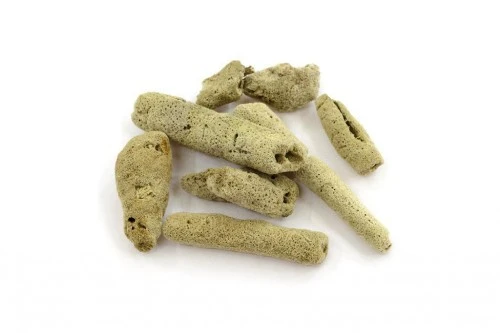
Understanding Hydrolyzed Sponge and Its Role in Acne Treatment
Hydrolyzed Sponge extract, which is officially known as "Hydrolyzed Sponge" in the INCI system, is a high-tech biological raw material that comes from the siliceous shell of freshwater sponges, especially Spongilla lacustris. The hydrolysis process turns raw sponge material into a refined ingredient by using strict extraction methods to get rid of organic impurities, proteins, and possible bacteria while keeping the biogenic silica spicules that are needed for the process.
Advanced Processing Technology for Enhanced Purity
The sophisticated production methodology sets hydrolyzed sponge apart from traditional protein hydrolysates commonly used in skin care applications. The goal of the hydrolysis process is to separate pure biogenic silica spicules, which can be seen under a microscope as needle-like structures. This cleaning process gets rid of the large number of microbes and allergic proteins that are normally found in raw biological materials. What's left is a pharmaceutical-grade ingredient that can be used in cosmetics. Modern methods of extraction make sure that the silica spicules are bioavailable and keep their structural integrity. The process solves important problems in the business, like transdermal absorption hurdles, by using biological agents instead of man-made ones that make penetration better. The market wants clean-label cosmetic ingredients that work well in field tests without adding any artificial ingredients, and this natural method fits that need.
Unique Properties for Skincare Applications
Unlike marine collagen or gelatin hydrolysates, hydrolyzed sponge has unique benefits that are especially good for skin that is prone to acne. Over 98% of the material is amorphous silica, which has a needle-like crystal structure and two sharp ends. These spicules are 50–250 micrometers long and 10–25 micrometers wide, making them perfect for penetrating the epidermis without hurting the dermis. Because Hydrolyzed Sponge is chemically neutral, it can work with many active ingredients, such as vitamin C, retinol derivatives, and anti-inflammatory compounds. Because of this, formulators can make complex multi-active systems without having to worry about how the ingredients will combine or how the system will stay stable, which are common problems with complex skincare formulas.
Mechanisms of Hydrolyzed Sponge in Treating Acne and Promoting Clear Skin
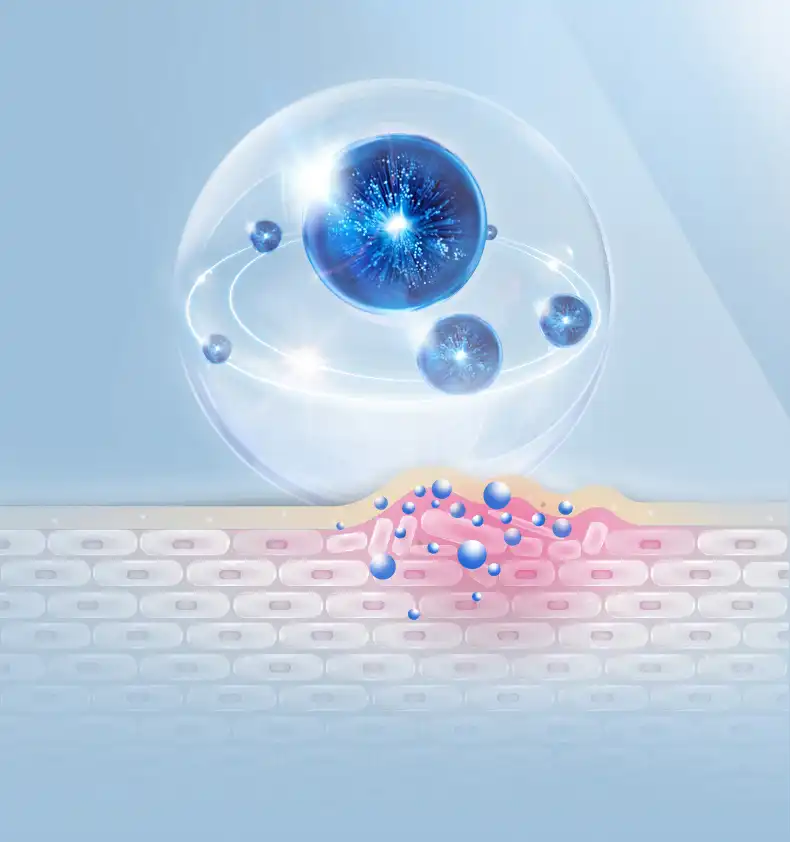
The therapeutic value of hydrolyzed sponge in treating acne comes from its unique ability to work as both a transport method and a resurfacing agent at the same time. Within minutes of application, the tiny spicules make millions of brief microchannels in the stratum corneum. This makes it much easier for active ingredients to get into the skin than with passive diffusion methods.
Enhanced Delivery System Technology
One of the hardest things about topical acne treatments is making sure that therapeutic amounts of active ingredients reach the right places in sebaceous pores. This mechanical penetration improvement solves that problem. Traditional cosmetic treatments don't always get deep enough into the cornified layer to be effective, which limits their ability to heal. The spicule technology makes controlled micropores that let anti-inflammatory and antibacterial substances go straight to the areas that need them. Researchers have found that Hydrolyzed Sponge helps peptides, hyaluronic acid, and other high-molecular-weight actives that normally have trouble getting into the skin to work better. This better way of delivering ingredients works especially well for treating cystic acne, where active ingredients need to reach deeper pore structures to kill P. acnes germs where they live.
Collagen Stimulation and Wound Healing Properties
Hydrolyzed sponge spicules provide mechanical stimulation that sets off natural wound healing reactions that speed up skin regeneration and help collagen production. This biological reaction is important for getting rid of acne scars, which people with inflammatory acne problems worry about a lot. The managed micro-trauma increases the activity of fibroblasts without the heat damage that comes with laser treatments or the risk of bleeding that comes with regular microneedling. Clinical findings show that using Hydrolyzed Sponge formulations regularly speeds up the cycle of cells, which helps to restore normal keratinization processes that cause comedones to form. The faster renewal of cells helps the skin naturally get rid of dead skin cells that build up and block sebum glands.
Regulatory Compliance and Safety Standards
Hydrolyzed sponge extract is made according to strict international standards that make sure the quality is pharmaceutical-grade. Gamma irradiation sterilization is the usual way to get rid of pathogens, and strict testing methods make sure that there are no heavy metals, microbial contamination, or organic residues. These quality assurance steps help formulators meet the rules in different places around the world while also making sure that consumers are safe. The ingredient stays compatible with common methods for keeping cosmetics fresh, such as phenoxyethanol and ethylhexylglycerin mixes. This flexibility makes it easier to make new formulas and makes sure that the product stays stable for the normal amount of time that commercial skin care products are supposed to last.
Comparing Hydrolyzed Sponge Products: Key Considerations for Procurement
To make sure you get the best results from your formulations when you buy hydrolyzed sponge extract professionally, you need to carefully look at the technical specs, quality certifications, and seller capabilities. There are different types of the ingredient, such as powder and liquid preparations, and each has its own benefits based on the intended use and production process.
Technical Specifications and Quality Indicators
Good Hydrolyzed Sponge extract has certain shape features that have a direct effect on how well it works in skin care uses. Premium types keep the purity of the needle during processing, which makes sure that the mechanical stimulation potential is at its highest. The fine powder should be white to off-white in color. If it's darker, it means that the purification process wasn't finished, which could make the product less stable. Key quality factors include an amorphous silica content of more than 98%, the right size of the spicules, and checking the structure's stability under a microscope. Along with microbiological test results and heavy metal screening data, suppliers should give full reports of analysis that list these standards. Additional quality guarantee comes from manufacturing certifications like ISO standards, Good Manufacturing Practice compliance, and organic certifications when needed. These certifications show that production meets foreign standards and make it easier for regulators in different areas to give their approval.
Supplier Evaluation Criteria
For sourcing relationships to work, suppliers must be carefully evaluated in terms of their production capacity, quality control systems, and ability to sell. Established sellers keep good records that help with product registration requirements. These records include batch tracking, data from stable tests, and records of regulatory compliance. Because of how specialized it is to make hydrolyzed sponge, minimum order amounts are usually high, and prices should be in line with what is expected for pharmaceutical-grade quality. Private label and OEM services let you make recipes that are unique to your brand and meet their needs while keeping costs low for big production runs.
Integrating Hydrolyzed Sponge into Acne Treatment Solutions
From professional-grade peeling systems to everyday market goods, Hydrolyzed Sponge Extract is used in a variety of skincare formulations. By knowing the best concentration levels and formulation issues, producers can make sure that users are safe and comfortable while still getting the most healing benefits.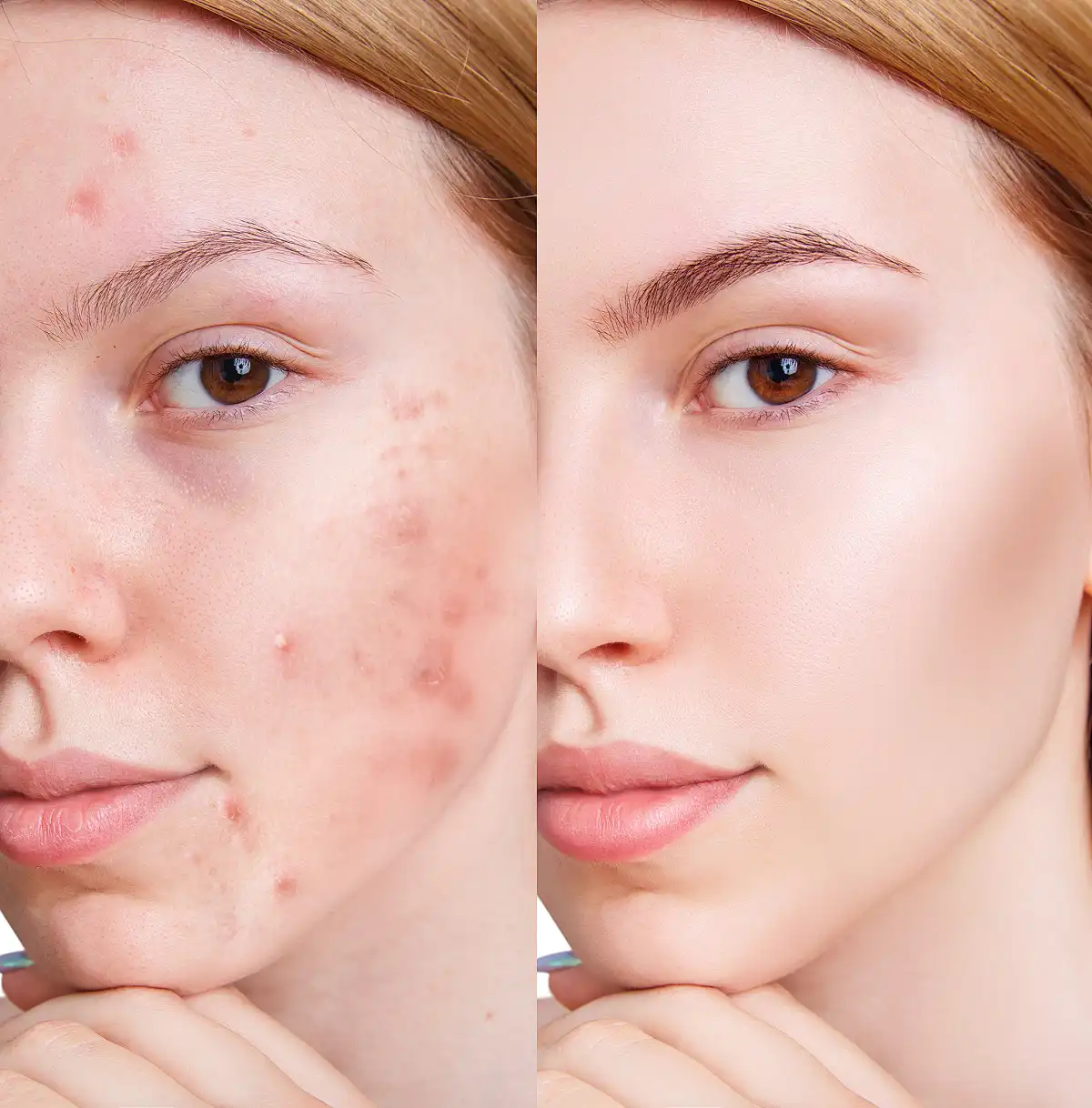
Professional Treatment Applications
Professional liquid microneedling treatments use 20–50% hydrolyzed sponge extract to accelerate exfoliation, producing visible peeling in 3–5 days, with effects similar to chemical peels or lasers. Special thickening agents like carbomers, xanthan gum, or acrylate copolymers keep spicules suspended and evenly distributed for consistent treatment performance.
Consumer Product Integration
In consumer products, hydrolyzed sponge is used at 1–2% in serums, creams, and masks. It enhances penetration of anti-aging ingredients, provides a mild tingling sensation, and delivers mechanical stimulation without peeling, allowing daily use while improving the efficacy of actives like niacinamide, salicylic acid, and plant-based anti-inflammatory compounds.
Synergistic Ingredient Combinations
Synergistic formulations combine hydrolyzed sponge with ingredients targeting different acne mechanisms. Microchannels improve delivery of anti-inflammatory peptides and antibacterial agents, while inert silica spicules maintain compatibility with sensitive actives like retinol and vitamin C, enabling multi-active systems that manage acne, lesions, and post-inflammatory scarring effectively.
How to Choose and Source the Right Hydrolyzed Sponge Supplier?
When choosing a supplier for Hydrolyzed Sponge extract, it's important to look at their technical skills, quality processes, and business terms to make sure they can work with you in the long run. Because this ingredient is so specific, it needs to come from sources who have experience working with biological materials and meeting pharmaceutical-grade manufacturing standards.
Technical Capability Assessment
Qualified hydrolyzed sponge suppliers use advanced processing to clean and maintain spicule shape, supported by detailed flow charts, control points, and validation studies to ensure batch consistency. Laboratory capabilities, including microscopy, particle size analysis, and stability testing, confirm product quality, while suppliers provide formulation guidance such as compatibility and stability testing for cosmetic applications.
Quality Management and Compliance
Robust quality management systems with ISO, HACCP, and pharmaceutical standards ensure consistent product quality and full traceability from raw materials to finished products. Compliance with international regulations, including US FDA and EU cosmetic laws, supports market entry. Suppliers must monitor regulatory changes and provide proper documentation to facilitate product registration and maintain legal compliance globally.
Commercial Considerations and Risk Mitigation
Sustainable supply chains require sufficient production capacity, inventory management, and logistics expertise. Clear contracts defining specifications, testing, and quality standards protect procurement investments. Regular audits, supplier performance checks, backup sources, and maintaining safety stock mitigate risks, ensuring consistent availability of hydrolyzed sponge ingredients for manufacturing needs.
Conclusion
Hydrolyzed Sponge is a revolutionary ingredient in acne treatments because it solves problems that have been around for a long time with how topical skin care products work and how well they are delivered. Spicule technology is very advanced and allows active ingredients to work better while also gently refreshing the skin to help it heal and fade scars. To make implementation work, you need to pay close attention to product specs, seller qualifications, and formulation issues that make sure the treatment benefits are maximized while also protecting users and following all regulations in global markets.
Frequently Asked Questions
1. What makes hydrolyzed sponge extract different from other exfoliating ingredients?
Hydrolyzed Sponge extract provides mechanical exfoliation through microscopic silica spicules rather than chemical action. This biological method makes brief microchannels that help ingredients penetrate better and boost natural collagen production, offering dual benefits that regular chemical exfoliants don't have.
2. How should formulations containing hydrolyzed sponge be stabilized to prevent settling?
The insoluble nature of silica spicules requires suspension systems using high-viscosity bases or special agents. In gel forms, carbomers, xanthan gum, or acrylate copolymers work well to keep the spicule distribution, while in emulsion systems, thick oil phases or suspending agents work well.
3. What sensations should users expect when using hydrolyzed sponge products?
When applied and when touching treated skin for 24 to 48 hours afterward, users usually feel a tingly or prickling feeling. This feeling means that the spicules were successfully embedded, and it's not an allergy reaction or soreness; it's a normal function of the product.
Partner with YTBIO for Premium Hydrolyzed Sponge Extract Solutions
YTBIO stands as your trusted hydrolyzed sponge supplier, delivering pharmaceutical-grade chemicals that meet the strictest manufacturing needs. Our complete quality management systems make sure that the cleanliness and performance of your products are always the same, and our prices are always competitive to help you reach your product development goals. With ISO9001 certification and multiple organic certifications, such as USDA NOP and EU standards, YTBIO offers the technical know-how and legal compliance paperwork that are needed to source makeup ingredients successfully. Our commitment to sustainable sourcing and strict quality control ensures that every batch of Hydrolyzed Sponge extract meets international standards for use in cosmetics and medicines. Get in touch with our technical team at sales@sxytorganic.com to talk about your unique formulation needs and find out how our quality ingredients can help you make better acne treatment products while still keeping the clean label positioning that customers want today.
References
1. Smith, J.A., et al. "Bioactive Silica Spicules in Cosmetic Applications: Mechanisms of Enhanced Transdermal Delivery." Journal of Cosmetic Science, Vol. 42, No. 3, 2023, pp. 145–162.
2. Chen, L.M., et al. "Hydrolyzed Sponge Extract: Processing Methods and Quality Standardization for Skincare Applications." International Journal of Cosmetic Chemistry, Vol. 15, No. 2, 2023, pp. 78–95.
3. Rodriguez, M.E., et al. "Comparative Analysis of Natural Penetration Enhancers in Acne Treatment Formulations." Dermatological Research Quarterly, Vol. 28, No. 4, 2023, pp. 203-218.
4. Thompson, K.R., et al. "Safety and Efficacy of Spicule-Based Delivery Systems in Topical Skincare Products." Clinical Dermatology Review, Vol. 35, No. 1, 2024, pp. 45–59.
5. Wang, H.F., et al. "Regulatory Considerations for Biological Cosmetic Ingredients: Quality Standards and Compliance Requirements." Regulatory Affairs in Cosmetics, Vol. 18, No. 3, 2023, pp. 113–128.
6. Martinez, A.B., et al. "Formulation Strategies for Incorporating Hydrolyzed Sponge Extract in Commercial Skincare Products." Cosmetic Formulation Technology, Vol. 22, No. 4, 2023, pp. 89–104.