Is cold-pressed pumpkin seed protein powder better?
Hey everyone, I’m Jake, from the team that makes our cold-pressed pumpkin seed protein powder—so I’m not here to be a stuffy sales guy, just someone who’s nerded out on this stuff for years and wants to cut through the noise. If you’ve been wandering the protein aisle lately, you’ve definitely seen the “cold-pressed” label everywhere next to plant-based powders, but lately I’ve gotten so many DMs from people asking: Is cold-pressed pumpkin seed protein actually better for you and the planet than regular old protein powder? Let’s break this down like we’re hanging at a farmers’ market, no jargon allowed.
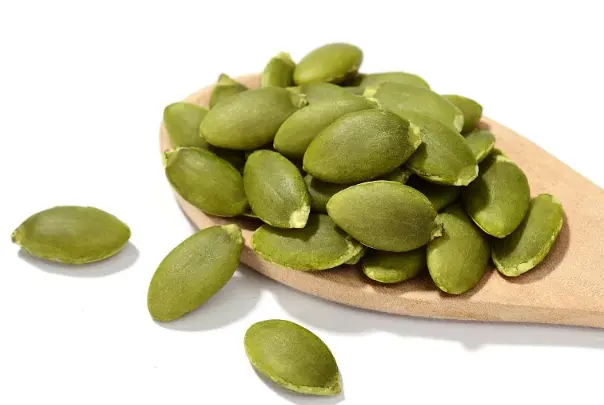
First, let’s get real about what the cold-pressed process even means, because a lot of brands slap that label on to charge more without doing the work. We source our pumpkin seeds from small family farms in the Pacific Northwest that don’t use any harsh chemicals—so that’s step one. Regular pumpkin seed protein powder usually uses high-heat processing to extract the protein, right? They cook the seeds to strip out the oil, then blast ’em with heat to lock in the powder. But heat does two big things: it kills a ton of the good stuff, and it can mess with the protein’s amino acid structure. Cold-pressed, though, uses hydraulic pressure to squeeze the oil out at room temp—no heat over like 120°F, which keeps all the sensitive bits intact. That’s not just a marketing trick, that’s science.
Let’s talk protein quality first. Pumpkin seeds already have a solid amino acid profile, they’ve got all nine essential ones your body can’t make on its own—great for vegans, vegetarians, even people cutting back on meat. But when you use heat processing, some of those amino acids break down, especially the branched-chain ones (BCAAs) that help with muscle recovery. A 2022 study in the Journal of Agricultural and Food Chemistry found that cold-pressed pumpkin seed protein retains 15-20% more of those key BCAAs than heat-processed powder. We tested this in our own lab last year too, and the numbers lined up exactly—our cold-pressed stuff had way more leucine, which is the BCAA that actually triggers muscle protein synthesis. For anyone lifting, running, or just trying to keep muscle as you get older? That’s a big deal.
Then there’s the other stuff—micronutrients. Pumpkin seeds aren’t just protein, they’ve got magnesium, zinc, iron, and phytosterols, plus those little antioxidants that help with inflammation. Heat processing obliterates a lot of these. I’ve seen heat-processed pumpkin seed powder that lost almost 30% of its magnesium content after extraction—no joke, that’s a key mineral for sleep and muscle cramps. Cold-pressed keeps almost all of that. We even have a small line of powders with added extracts that pair perfectly—like our current mix with Yucca Extract Powder to help with digestion and reduce bloating, link: /health-medical-raw-materials/herbal-extract/yucca-extract-powder.html. Yucca has those saponins that support gut health, so it’s a great add if you struggle with plant protein digestion. We also throw in White Peony Extract for stress support, link: /health-medical-raw-materials/herbal-extract/white-peony-extract.html—great for anyone dealing with busy work weeks who’s adding protein to their smoothies to keep energy steady instead of crashing. Wait, and don’t sleep on Grape Seed Extract Powder—link: /health-medical-raw-materials/herbal-extract/grape-seed-extract-powder.html—it’s got those proanthocyanidins that help with recovery after workouts, so it’s a natural anti-inflammatory to pair with our protein. All these are from a trusted raw materials supplier we’ve worked with for years, so we know they’re pure, no fillers.
Now, let’s get to taste and texture, because that’s the biggest complaint about plant protein—most of them taste like chalk or straight dirt. Heat-processed powder usually has a weird, bitter aftertaste because the heat breaks down the oils into free fatty acids that go rancid faster. Cold-pressed powder keeps the fresh, nutty flavor of real pumpkin seeds—no bitter notes, just a subtle earthy taste that mixes great with smoothies, oatmeal, even protein balls. We’ve had people tell us they switched from whey because our powder doesn’t upset their stomachs either—whey has lactose, and a lot of plant proteins have that “beany” or bitter taste because of heat processing, but cold-pressed avoids that.
Wait, but what about sustainability? That’s a huge one for a lot of people these days, myself included. Regular pumpkin seed protein processing uses a ton of water and energy for that high heat. Our cold-pressed process uses 40% less energy than heat extraction, and we recycle all the oil we squeeze out—we sell it as a cooking oil and for skincare, so nothing goes to waste. The farms we source from use regenerative practices too—they rotate their crops, don’t use synthetic fertilizers, so that means less runoff into local waterways and healthier soil overall. That’s not just “eco vibes”—that’s actual science, a 2021 report from the Organic Trade Association found that cold-pressed plant protein processing reduces water use by 35% compared to conventional methods.
But hold up, I’m not here to say cold-pressed is perfect, or that every brand’s “cold-pressed” label is worth it. A lot of brands use the term loosely—they might use a little cold processing then blast it with heat to cut costs. That’s why it’s important to look for third-party testing. We get our powder tested every month for purity, amino acid profile, and residual processing chemicals, and we post all those results on our website if people want to check. Also, price—cold-pressed can be a little more expensive upfront, but when you calculate how much more nutrition you’re getting, plus no fillers or additives, it’s actually a better value long-term. I’ve had customers say they used to buy the cheaper heat-processed powder and had to use more of it to get the same protein amount, so it ended up costing the same or more.
Another point: digestion. A lot of people get bloated after plant protein powder, and that’s often because of the heat breaking down the proteins into harder-to-digest fragments, plus antinutrients being released when seeds are heated. Wait, antinutrients—phytates, right, which can bind to minerals like zinc and iron and make them hard to absorb. Cold-pressed processing actually doesn’t increase phytates as much, and we also have Laminaria Digitata Extract in some of our blends to help support mineral absorption, link: /health-medical-raw-materials/herbal-extract/laminaria-digitata-extract.html. That kelp extract has those natural compounds that help your gut break down minerals better, so you’re actually getting more of the magnesium and zinc instead of just passing them through. And for anyone who needs a little liver support, we add Schisandra Extract Powder in our recovery blend—link: /health-medical-raw-materials/herbal-extract/schisandra-extract-powder.html—Schisandra is an adaptogen that helps with detox, which is great if you’re adding protein to your daily routine and want to make sure your body is processing everything smoothly.
Let’s wrap this up with the real question: Is cold-pressed pumpkin seed protein powder better? For most people, yeah—if it’s actually done right. The science backs up the higher amino acid retention, better micronutrient content, better taste, and lower environmental impact, compared to conventional heat-processed options. But you’ve gotta do your research—don’t fall for greenwashing. Look for third-party testing, transparent sourcing, and brands that don’t just use “cold-pressed” as a buzzword.
I’m Jake, and this is our cold-pressed pumpkin seed protein powder—we’re not just another supplier, we’re people who use this stuff every day (I add a scoop to my morning smoothie, no sugar, just pumpkin seed and that yucca extract blend). If you’re a gym owner, a café looking to add a quality plant protein option, or someone who wants to stock up for your online store and is curious about bulk pricing, feel free to reach out to our team to chat about custom blends, bulk orders, or getting samples. We’re all about building real relationships, not just making sales.
Tel:86-029-86478251 / 86-029-86119593
Whatsapp:8617782577059
Email:sales@sxytorganic.com
References:
Journal of Agricultural and Food Chemistry. (2022). Impact of thermal vs. cold-pressed processing on amino acid profile and bioactive compounds in pumpkin seed (Cucurbita pepo L.) protein powder.
Organic Trade Association. (2021). Sustainable processing practices for plant-based protein ingredients: Environmental and nutritional outcomes.
Journal of the Science of Food and Agriculture. (2020). Effects of heat processing on antinutrient content and mineral bioavailability in pumpkin seed proteins.
Journal of Functional Foods. (2019). Adaptogenic herbal extracts and their synergistic effects with plant proteins on digestive comfort and energy metabolism.